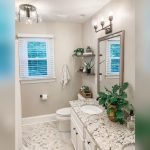
Imagine stepping into a room where the floor itself tells a story—bold, timeless, and full of character. That’s exactly what a checkered floor texture brings to your space.
Whether you’re thinking about redesigning your kitchen, adding flair to your living room, or just curious about this classic pattern, understanding the checkered floor texture can transform how you see your surroundings. You’ll discover how this simple yet striking design can create a perfect balance between style and function, making your floors not just a surface to walk on but a statement to admire.
Ready to explore the charm and versatility of checkered floors? Keep reading, because what you learn here might just inspire your next home makeover.
Checkered Floor Styles
Checkered floor styles bring distinct looks to any space. They add pattern and character with simple geometric designs. From timeless classics to bold new trends, checkered floors offer many options. Each style creates a unique vibe, enhancing the room’s personality and charm.
Classic Black And White
The classic black and white checkered floor never goes out of style. It adds a clean, sharp contrast that fits many spaces. This style suits kitchens, hallways, and vintage-themed rooms well. The simple color scheme makes the floor stand out without overwhelming.
Black and white tiles create a timeless and elegant look. They bring balance and symmetry to the floor’s design. This style pairs easily with most furniture and wall colors.
Colorful Variations
Colorful checkered floors bring energy and fun to a room. Bright colors like red, blue, or green replace the usual black and white. These variations fit playful spaces like kids’ rooms or creative studios.
Mixing colors in a checkered pattern adds personality and warmth. It allows homeowners to match the floor with their style. This approach brightens any area and makes it more inviting.
Vintage Patterns
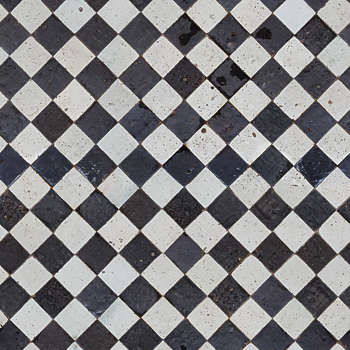
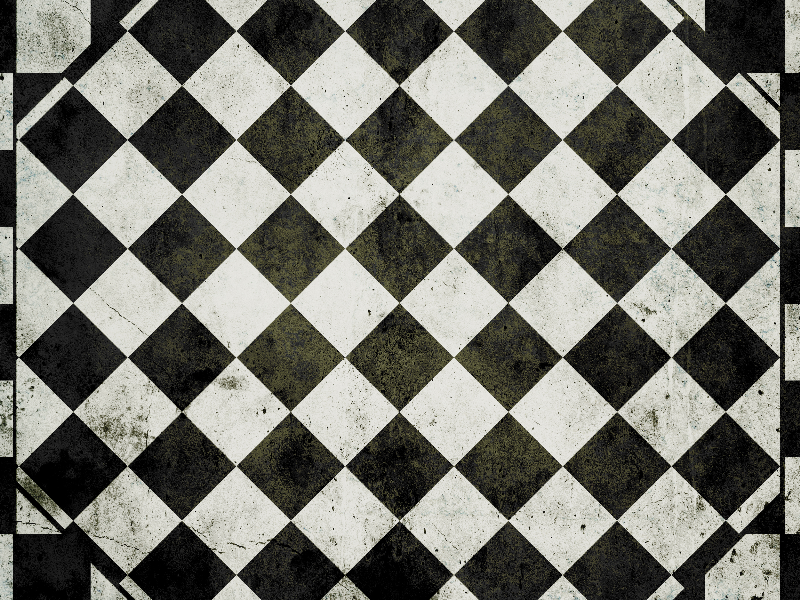
Vintage checkered floors recall styles from past decades. They often include worn or faded tiles for an aged look. Patterns may vary with smaller or irregular squares for charm.
These floors fit retro kitchens, cafes, or old-fashioned homes. They add a nostalgic feel and connect with history. Vintage checkered floors create warmth and comfort in any space.
Modern Twists
Modern twists on checkered floors use new materials and shapes. Tiles may come in different sizes or textures for a fresh look. Some designs combine checkered patterns with geometric shapes.
This style suits contemporary homes and trendy interiors. It adds creativity and sophistication to the classic checkerboard. Modern twists keep the pattern relevant and exciting.
Credit: www.textures.com
Materials For Checkered Floors
Checkered floors create a bold, timeless look in any space. Choosing the right material affects durability, style, and maintenance. Various materials suit different budgets and design goals. Each option offers unique textures and finishes that enhance the checkered pattern.
Marble And Stone
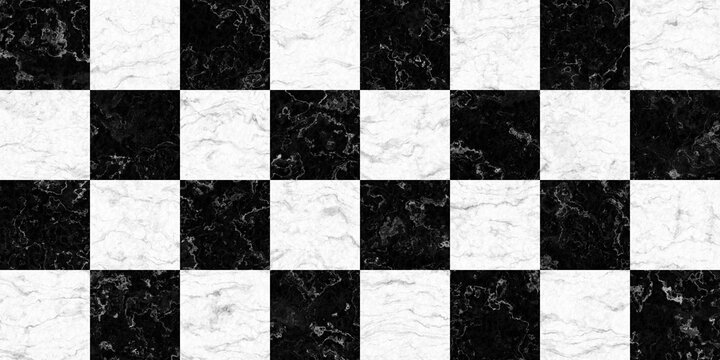
Marble and stone tiles bring natural beauty and luxury. These materials offer strong durability and a polished finish. Marble tiles show unique veining, adding character to the floor. Stone tiles, like granite, provide a rugged, classic look. Both require sealing to prevent stains and damage.
Ceramic And Porcelain Tiles
Ceramic and porcelain tiles are popular for checkered floors. They resist water and scratches well, perfect for kitchens and bathrooms. Porcelain is denser and more durable than ceramic. Both come in many colors and patterns to match any style. They are easy to clean and maintain.
Vinyl And Laminate Options
Vinyl and laminate offer affordable, versatile checkered floor options. These materials mimic the look of stone or tile. Vinyl is soft underfoot and water-resistant. Laminate is scratch-resistant and easy to install. Both are great for high-traffic areas and budget-friendly projects.
Concrete And Painted Floors
Concrete floors with painted checkered patterns give an industrial, modern feel. Concrete is highly durable and easy to maintain. Painting allows custom colors and designs for a unique look. Seal the floor to protect the paint and prolong life. This option suits garages, basements, and outdoor spaces.
Symbolism Behind Checkered Floors
The checkered floor pattern carries deep symbolic meanings that reach beyond its visual appeal. It often represents ideas tied to contrast, harmony, and history. This pattern uses alternating dark and light squares to create a striking visual effect.
Its symbolism appears in many cultures, traditions, and even secret societies. Understanding these meanings adds depth to why checkered floors remain popular in design and architecture.
Duality And Balance
The checkered pattern symbolizes duality through its two contrasting colors. It reflects the balance of opposites like light and dark, good and evil. This balance shows how different forces coexist in harmony. The pattern invites reflection on the need for equilibrium in life.
Cultural Significance
Many cultures use checkered floors as a symbol of order and structure. Ancient civilizations placed these patterns in temples and important buildings. The design often marked sacred spaces or areas of significance. Its use continues in modern spaces to convey tradition and style.
Freemasonry Connections
Freemasons regard the checkered floor as a symbol of life’s trials. The black and white tiles represent the constant struggle between good and evil. In their lodges, this pattern reminds members of moral choices and personal growth. It acts as a visual guide to ethical living.
Historical Prestige
Historically, checkered floors appeared in palaces and grand homes. They signified wealth, power, and elegance. The pattern’s classic look made it a favored choice among the elite. Its use today often nods to this sense of luxury and timeless beauty.
Credit: stock.adobe.com
Design Tips For Checkered Floors
Checkered floors bring a timeless style to any space. They create a bold visual impact and add character to your rooms. To make the most of this flooring choice, consider some practical design tips. These will help you blend the checkered pattern smoothly with your overall decor.
Choosing The Right Colors
Select colors that suit your room’s mood. Classic black and white is popular and versatile. For a softer look, try pastels or muted tones. Bright colors can energize a space but use them sparingly. Contrast matters. Ensure the colors highlight the checkered pattern clearly. This avoids a dull or confusing appearance.
Matching With Decor
Keep your furniture simple to balance the bold floor. Neutral-colored furniture works well. Avoid overly patterned rugs or upholstery. Use solid colors or subtle textures. Metallic accents can complement the sharp lines of checkered floors. Choose accessories that echo the floor’s colors. This creates a harmonious and polished look.
Room Suitability
Checkered floors fit well in kitchens, bathrooms, and entryways. These areas benefit from durable, eye-catching flooring. Large rooms handle bold patterns better than small ones. In smaller spaces, use smaller tiles or reduce contrast. Avoid checkered floors in overly cluttered rooms. They can make the space feel busy and cramped.
Lighting Effects
Good lighting enhances the checkered pattern’s appeal. Natural light brings out true colors and texture. Use bright, even lighting to avoid shadows on the floor. Warm lights soften the contrast for a cozy feel. Cool lights make the pattern sharper and more modern. Consider floor lamps or spotlights to highlight the design.
Diy Checkered Floor Projects
DIY checkered floor projects bring style and fun to any room. These projects let you add a classic look with personal touches. You can choose simple painting or go for tile installation. Both methods create a bold, eye-catching pattern. With the right tools and steps, the process is smooth and rewarding. Follow easy tips to get a neat, professional finish that lasts.
Painting Checkerboard Patterns
Start by cleaning the floor surface well. Use painter’s tape to mark equal squares. Choose two contrasting paint colors for a clear pattern. Paint one color first, let it dry fully. Then paint the alternate squares with the second color. Remove tape carefully to keep edges sharp. Use a sealant for durability and easy cleaning.
Installing Tile Floors
Measure the area and plan the layout before buying tiles. Choose durable tiles in black and white or your preferred colors. Prepare the floor by cleaning and leveling it. Apply tile adhesive evenly and place tiles following the checkerboard pattern. Use spacers for even gaps. Let the adhesive dry, then grout the spaces. Clean excess grout and polish the tiles for shine.
Maintenance And Cleaning
Sweep or vacuum regularly to remove dust and dirt. Mop with a mild cleaner suitable for your floor type. Avoid harsh chemicals that can damage paint or tile surface. Wipe spills immediately to prevent stains. Use rugs in high-traffic areas to protect the pattern. Regular upkeep keeps the floor bright and fresh.
Common Mistakes To Avoid
Skipping surface preparation leads to poor paint or tile adhesion. Not measuring squares precisely causes uneven patterns. Using low-quality paint or tiles reduces durability. Applying too much paint or grout creates a messy look. Ignoring drying times results in smudges and damage. Careful planning and patience prevent these errors.
Credit: www.textures4photoshop.com
Inspiring Spaces With Checkered Floors
Checkered floors bring a timeless charm to any space. Their bold patterns create visual interest and dynamic energy. These floors fit various styles from classic to modern. They add personality without overwhelming the room. Many designers use checkered textures to inspire creative interior ideas. This section explores where checkered floors shine the most.
Kitchens And Dining Areas
Checkered floors brighten kitchens with playful contrast. They make dining areas feel lively and inviting. Black and white tiles highlight clean lines and simplicity. The pattern hides minor spills and stains well. This flooring suits both small and large kitchens. It pairs nicely with wooden cabinets or sleek metal finishes.
Living Rooms And Hallways
Living rooms gain depth and character from checkered floors. The pattern creates movement and guides foot traffic in hallways. Using muted colors softens the boldness for a cozy feel. Checkered floors can anchor furniture and define seating zones. They work well with neutral walls and colorful décor.
Commercial Spaces
Businesses use checkered floors to attract attention and create style. Retail stores and cafes choose them for a retro or modern look. The pattern helps organize space visually and directs customers smoothly. Checkered tiles are durable, handling heavy foot traffic easily. Their classic appeal fits many commercial themes.
Outdoor Applications
Checkered floors enhance patios and garden paths with striking design. Outdoor tiles resist weather and maintain the pattern’s crispness. They create inviting spaces for relaxation or entertaining guests. The bold pattern contrasts beautifully with natural greenery. Outdoor checkered floors add a unique touch to exteriors.
Frequently Asked Questions
What Is A Checkerboard Floor Called?
A checkerboard floor is commonly called a “checkerboard” or “checkered floor. ” It features alternating contrasting square tiles, often black and white.
Are Checkerboard Floors In Style?
Checkerboard floors remain stylish, blending classic charm with modern versatility. They suit various interiors and add timeless appeal.
How To Paint A Checkerboard Pattern On The Floor?
Clean and prep the floor thoroughly. Measure and mark even squares using a ruler and chalk. Apply painter’s tape to outline squares. Paint alternating squares with your chosen colors. Let paint dry completely before removing tape. Seal with a clear floor finish for durability.
What Is The Significance Of A Checkered Floor?
A checkered floor symbolizes life’s duality, balance, and order. It conveys status and adds visual symmetry. Freemasonry links it to moral contrasts.
Conclusion
Checkered floor textures add timeless charm to any space. Their bold contrast creates visual interest easily. This pattern fits both classic and modern designs well. It helps define areas and adds depth to rooms. Simple to install and maintain, it suits many tastes.
Choose colors that match your style and mood. A checkered floor brings character and balance to interiors. It remains a popular choice for floors worldwide. Consider this pattern to refresh your home’s look today.