
Your bathroom should be a place where you feel safe, comfortable, and confident every day. But as you or your loved ones grow older, the usual bathroom setup can become tricky and even risky.
That’s why designing a bathroom specifically for the elderly is so important—it’s about making simple changes that protect you from slips and falls, while still keeping style and ease in mind. In this guide, you’ll discover practical tips and ideas to transform your bathroom into a secure, welcoming space that suits your needs perfectly.
Keep reading to find out how small design choices can make a big difference in your daily life.

Credit: www.angi.com
Safety Features
Safety is the top priority in bathroom design for elderly people. Bathrooms can be risky due to slippery surfaces and hard-to-reach fixtures. Adding safety features helps prevent falls and injuries. It also gives elderly users more confidence and independence.
Grab Bars And Handrails
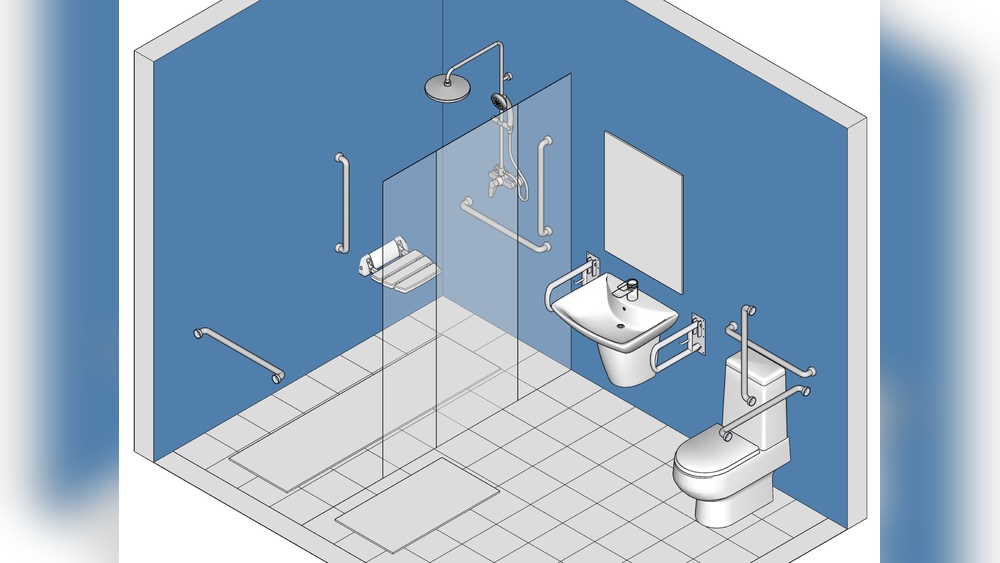
Grab bars and handrails provide strong support in the bathroom. They help users balance when moving around. Install them near the toilet, shower, and bathtub. Use sturdy materials that can hold weight without bending. Place them at heights easy to reach for elderly users.
Non-slip Flooring
Non-slip flooring reduces the chance of slipping on wet surfaces. Choose textured tiles or slip-resistant mats. Avoid smooth and glossy finishes that become slippery when wet. Regularly check floors for water or soap spills and clean them quickly.
Walk-in Showers
Walk-in showers are easy to enter without stepping over high edges. They lower the risk of tripping and falling. Use a bench or seat inside the shower for resting. Add a handheld showerhead to make bathing easier while sitting.
Raised Toilet Seats
Raised toilet seats make sitting down and standing up easier. They reduce strain on knees and hips. Choose models with armrests for extra support. Make sure the seat fits securely to avoid wobbling or slipping.
Comfort Enhancements
Comfort enhancements in bathroom design make daily routines easier and more pleasant for elderly users. Thoughtful features reduce strain and increase independence. These upgrades improve safety while adding a sense of luxury and relaxation.
Adjustable Shower Heads
Adjustable shower heads offer flexibility and ease of use. They can be lowered or raised to suit different heights. This feature reduces stretching and bending, which helps prevent slips and falls. Handheld options allow better control and reach. Showering becomes safer and more comfortable.
Comfort Height Fixtures
Comfort height toilets and sinks are designed for easier access. They sit higher than standard fixtures. This reduces the effort needed to sit down or stand up. It also helps maintain good posture. Fixtures at the right height make bathroom tasks less tiring and safer.
Heated Floors And Towel Racks
Heated floors keep feet warm and dry, preventing chills. This feature adds a cozy touch during cold weather. Heated towel racks warm towels, offering comfort after bathing. Warm towels can soothe aching muscles and joints. Both features enhance the bathroom’s inviting atmosphere.
Seating Options
Seating in the bathroom adds stability and rest points. Shower benches or fold-down seats provide safe places to sit while bathing. Chairs near the sink help with grooming tasks. Comfortable seating reduces fatigue and the risk of falls. It supports independence and confidence in daily routines.
Lighting Solutions
Proper lighting in bathrooms for elderly users enhances safety and comfort. Well-planned lighting reduces risks of falls and makes daily tasks easier. Bright, even light helps with visibility, while soft lighting adds comfort. Thoughtful lighting solutions improve the overall bathroom experience for seniors.
Layered Lighting
Layered lighting uses different light sources for balance and depth. Combine overhead lights with wall sconces or vanity lights. This setup reduces shadows and glare on surfaces. It makes tasks like shaving or applying makeup simpler. Layered lighting creates a welcoming and safe environment.
Night Lights
Night lights guide movement in the dark bathroom. Soft, low-level lights prevent sudden brightness that can cause discomfort. Place night lights near the floor or along pathways. This reduces chances of tripping or falling at night. Night lighting adds peace of mind during late bathroom visits.
Natural Light Maximization
Natural light boosts mood and visibility without harsh glare. Use large windows or skylights to bring in daylight. Keep window coverings minimal but privacy-friendly. Mirrors can reflect natural light to brighten dark corners. Maximizing natural light creates a pleasant and safer bathroom space.
Stylish Design Elements
Creating a bathroom for the elderly means blending safety with style. Stylish design elements make the space inviting and comfortable. Thoughtful choices in colors, fixtures, and layouts improve usability and look modern. These elements create a bathroom that feels fresh and easy to use every day.
Color Choices
Soft, warm colors create a calming atmosphere. Light shades help brighten the room and improve visibility. Avoid dark colors that can make the space feel smaller or gloomy. Use contrasting colors to highlight edges and fixtures for safety. Gentle pastels or neutral tones work well to keep the room soothing and stylish.
Modern Fixtures
Choose fixtures that combine function and modern design. Lever handles are easier to use than knobs for limited hand strength. Wall-mounted faucets save space and look clean. Touchless faucets reduce germs and add convenience. Grab bars can be sleek and blend with the design. Modern fixtures improve comfort without sacrificing style.
Space-saving Layouts
Plan the layout to allow easy movement and access. Use corner sinks or compact vanities to free up floor space. Sliding doors save room and prevent tripping hazards. Open shelving keeps items within reach and avoids bending. A well-planned layout makes the bathroom feel spacious and safe.
Accessibility Improvements
Improving bathroom accessibility supports independence for elderly users. Thoughtful changes reduce risks and increase comfort in daily routines. Simple design updates make a big difference in safety and ease of use.
Wide Doorways
Wide doorways allow easy entry and exit. They accommodate walkers, wheelchairs, or other mobility aids. A doorway at least 32 inches wide helps avoid tight spaces. Wider doors reduce the chance of accidents or frustration.
Lever-style Handles
Lever-style handles are easier to operate than knobs. They require less hand strength and simple motion to use. This design helps users with arthritis or limited grip. Lever handles improve bathroom accessibility and user comfort.
Clear Floor Space
Clear floor space prevents tripping and allows smooth movement. Keep the area around fixtures free of obstacles. A space of at least 30 by 48 inches provides enough room for mobility devices. Clear floors support safer and easier bathroom use.
Smart Technology
Smart technology transforms elderly bathroom design by adding ease and safety. It helps seniors stay independent and comfortable in their daily routines. Technology adapts to their needs without complicating tasks. These tools make the bathroom more accessible and reduce risks of accidents. Simple, effective tech enhances confidence and peace of mind.
Voice-controlled Devices
Voice-controlled devices let users operate faucets, lights, and fans hands-free. Speaking simple commands controls water temperature and flow. This reduces the need to reach or twist, helping those with limited mobility. Voice assistants can also play music or set reminders. They offer convenience and improve bathroom safety for elderly users.
Motion Sensor Lighting
Motion sensor lighting turns lights on and off automatically. It activates when someone enters or moves inside the bathroom. This prevents dark areas that can cause trips or falls. The lights adjust brightness based on the time of day. Energy is saved by avoiding lights left on by accident. It creates a safer, easier environment to navigate at night.
Emergency Alert Systems
Emergency alert systems provide quick help in case of falls or accidents. Sensors detect unusual movements or long inactivity. They send alerts to caregivers or emergency services immediately. Some systems include wearable buttons for manual alerts. These systems offer safety and reassurance for both seniors and families. They are essential in elderly bathroom design.
Materials And Finishes
Choosing the right materials and finishes is key for elderly bathroom design. These choices impact safety, comfort, and maintenance. Surfaces must handle daily use without damage. Finishes should resist water and stains. Easy cleaning helps keep the space hygienic. Durable, water-resistant materials reduce repair needs and hazards. Thoughtful selection creates a safer, more pleasant bathroom environment for seniors.
Durable Surfaces
Durable surfaces stand up to wear and tear. They resist scratches and dents from frequent use. Solid surfaces like quartz and granite work well. These materials maintain their look over time. They also provide stable footing to reduce slips. Durable floors and countertops add safety and style. Quality materials save money on repairs later.
Easy-to-clean Options
Easy-to-clean materials reduce effort and keep germs away. Smooth finishes like ceramic tiles or acrylic panels work best. They prevent dirt and mold buildup in cracks. Non-porous surfaces do not absorb stains or odors. Cleaning becomes faster and more effective. This helps maintain a fresh bathroom for elderly users.
Water-resistant Materials
Bathrooms need materials that resist water damage. Water-resistant floors and walls prevent swelling and mold growth. Vinyl, tile, and sealed stone are good choices. Waterproof paints add extra protection on walls. These materials keep the bathroom safe and dry. They also extend the life of the space.

Credit: www.designcafe.com
Storage Solutions
Storage solutions play a key role in elderly bathroom design. They ensure that everyday items stay within easy reach. Good storage reduces bending or stretching, which can be risky. Clear and simple storage helps seniors stay organized and safe. The right choices can make the bathroom more user-friendly and comfortable.
Accessible Cabinets
Accessible cabinets should be at a comfortable height. Avoid low or very high shelves that need bending or climbing. Cabinets with pull-out drawers work well for easy access. Soft-close doors prevent sudden slams and reduce injury risk. Wide handles or knobs help those with weak grip or arthritis.
Open Shelving
Open shelving lets seniors see items quickly. It removes the need to open doors or drawers. Place shelves at eye level for easy reach. Use baskets or containers on shelves to keep things tidy. Choose sturdy materials to hold heavier items safely.
Organizational Accessories
Organizational accessories make storage more efficient. Hooks can hold towels or robes within arm’s reach. Non-slip mats inside drawers keep items from sliding. Dividers separate toiletries to avoid clutter. Label containers with large print for easy identification.

Credit: www.designcafe.com
Frequently Asked Questions
How To Design A Bathroom For Aging In Place?
Design an aging-in-place bathroom with grab bars, non-slip floors, walk-in showers, raised toilets, and adequate lighting for safety and comfort.
What Is The Best Bathroom Remodel For The Elderly?
The best bathroom remodel for the elderly includes walk-in showers, grab bars, non-slip floors, raised toilets, and easy-to-reach fixtures. These features enhance safety, comfort, and independence while reducing fall risks.
Does Medicare Really Pay For Bathroom Remodels?
Medicare does not typically cover bathroom remodels. It may pay for specific medical equipment if prescribed by a doctor.
How Can I Make My Bathroom Elderly Friendly?
Install grab bars near the toilet and shower. Use non-slip mats and raised toilet seats. Add a walk-in shower with a bench. Ensure good lighting and easy-to-reach storage. Choose lever-style faucets for easier use.
Conclusion
Designing a bathroom for elderly users means focusing on safety and ease. Install grab bars and non-slip mats to prevent falls. Choose walk-in showers with seats for comfort. Bright lighting helps reduce accidents and improves visibility. Keep controls and storage within easy reach.
Simple changes make a big difference daily. A well-planned bathroom supports independence and confidence. It creates a calm space for everyone’s peace of mind. Prioritize smart design to enhance comfort and safety today.


