
When it comes to choosing the right texture for your floor, you might wonder how such a simple detail can transform your entire space. The texture of your flooring doesn’t just affect how it looks—it changes how it feels under your feet and how safe and comfortable your home or workspace becomes.
Imagine walking barefoot on a cool, smooth surface or enjoying the natural grip of a textured floor that prevents slips. Whether you want to add warmth with wood grain, modernize with sleek tiles, or create a rustic vibe with stone-like finishes, understanding floor textures is key.
You’ll discover how to pick the perfect floor texture that fits your style, needs, and lifestyle—making every step you take more enjoyable and your space truly yours. Keep reading to uncover tips and ideas that will help you make the best choice for your floors.
Floor Texture Types
Choosing the right floor texture can change the entire look and feel of a room. Floor textures add depth, style, and character to your space. Different materials offer unique textures that suit various design needs. Below are common floor texture types to consider for your home or office.
Wood Textures
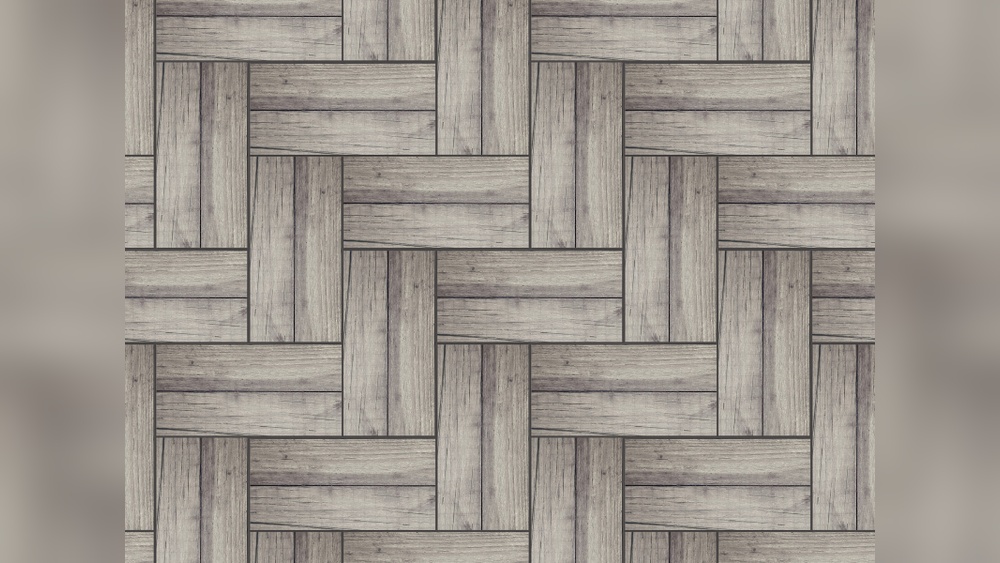
Wood textures bring warmth and natural beauty indoors. They range from smooth, polished surfaces to rough, rustic finishes. Wood grains and knots give each plank a unique look. These textures work well in living rooms and bedrooms. They create a cozy and inviting atmosphere.
Tile Patterns
Tile patterns offer versatile design options. You can find tiles with smooth, glossy finishes or matte, textured surfaces. Patterns include geometric shapes, mosaics, and simple grids. Tiles are great for kitchens and bathrooms. They provide durability and easy cleaning.
Concrete Finishes
Concrete floors show a modern, industrial style. Finishes vary from rough, exposed aggregate to smooth, polished surfaces. Concrete can be stained or stamped for added texture and color. These floors are strong and low maintenance. Perfect for high-traffic areas and contemporary spaces.
Vinyl And Laminate
Vinyl and laminate floors mimic other textures like wood or stone. They often have embossed surfaces to feel more natural underfoot. These materials are budget-friendly and easy to install. Vinyl and laminate are good for any room needing durability and style. They resist scratches and moisture well.
Choosing Texture By Room
Choosing the right floor texture depends on the room’s use and style. Each space has different needs for comfort, safety, and durability. Picking the best texture improves both look and function. Here are some ideas for selecting floor textures by room.
Living Areas
Soft and warm textures work well in living areas. Wood or carpet adds comfort underfoot. Smooth surfaces with a slight grain prevent slipping. Textures that feel cozy invite relaxation and family time. Choose textures that match your décor and lifestyle.
Kitchens
Kitchens need floors that resist spills and stains. Textures with a matte finish hide dirt better. Non-slip surfaces protect against falls on wet floors. Tiles with slight grooves or textured vinyl work great. Easy-to-clean textures keep the kitchen hygienic and safe.
Bathrooms
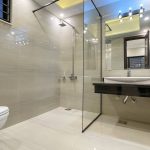
Safety is key in bathrooms. Textured tiles with grip prevent slipping on wet surfaces. Avoid very smooth or shiny floors here. Pebbled or matte finishes add traction. Waterproof materials with rough textures keep the bathroom safe and stylish.
Outdoor Spaces
Outdoor floors face weather and heavy use. Rough textures like stone or concrete provide good grip. Textured pavers or wood decking resist slipping. Choose materials that drain water quickly. Durable textures withstand sun, rain, and foot traffic with ease.
Texture And Style Combos
Texture plays a vital role in defining the style of your floor. It adds depth, character, and personality to any space. Combining texture with style creates a unique atmosphere that suits your taste. Different textures can enhance modern, rustic, industrial, or classic themes effectively.
Modern Minimalist
Smooth, matte textures work best for modern minimalist floors. Polished concrete or sleek large tiles keep the look clean. Subtle textures avoid clutter and maintain simplicity. This style relies on neutral tones and minimal patterns.
Rustic Charm
Rough, natural textures highlight rustic charm. Weathered wood or stone tiles bring warmth and coziness. Uneven surfaces create an inviting, lived-in feel. Earthy colors and organic patterns complement this style perfectly.
Industrial Look
Bold, raw textures define industrial floors. Exposed concrete, metal finishes, and distressed wood fit well. These textures add grit and toughness to the space. Dark tones and metallic hints enhance the edgy vibe.
Classic Elegance
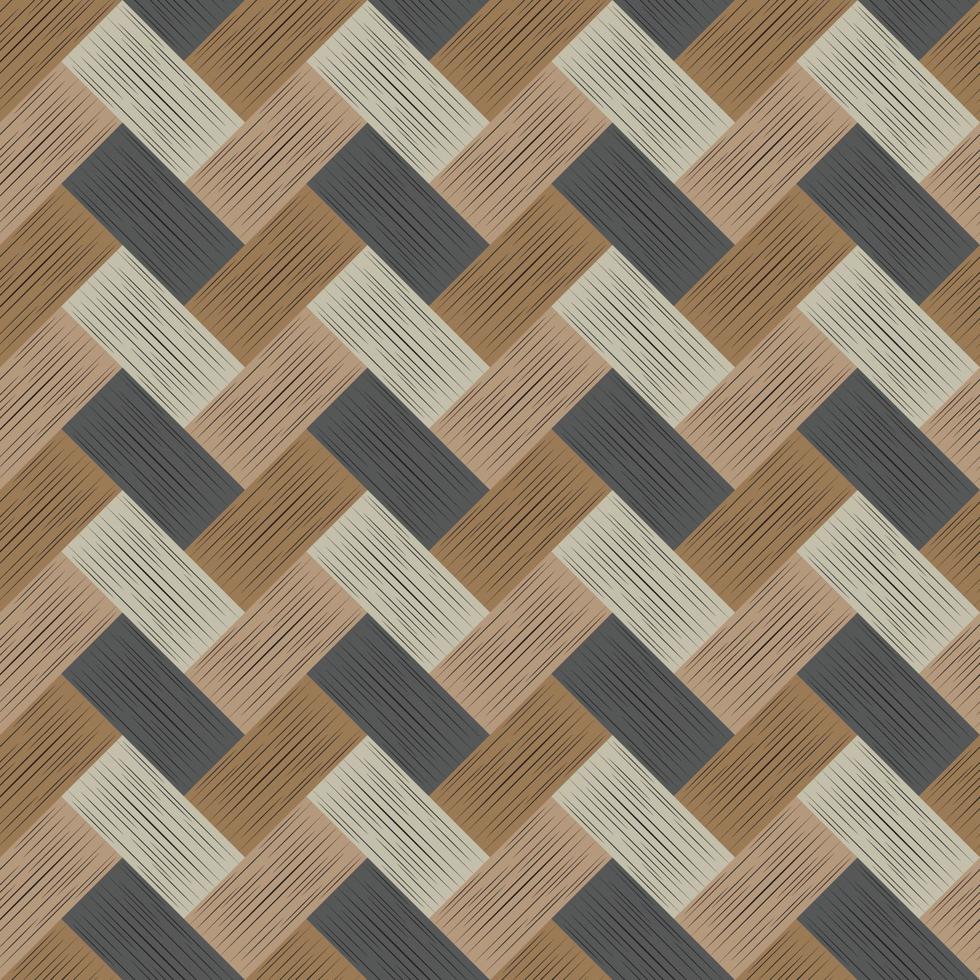
Fine, smooth textures suit classic elegance. Polished marble or hardwood floors create timeless beauty. Intricate patterns like herringbone add sophistication. Soft gloss and warm hues complete this refined look.
Credit: www.vecteezy.com
Installation Tips
Installing textured flooring requires careful attention to detail. Proper steps ensure a durable and attractive floor. Follow these tips to get the best results and keep your floor looking great for years.
Preparing The Surface
Clean the floor thoroughly before installation. Remove dirt, dust, and grease using a vacuum or mop. Check for cracks or holes and repair them. Make sure the surface is dry and level. Uneven surfaces can cause the texture to lift or crack over time.
Choosing The Right Adhesive
Select an adhesive that suits your floor texture material. Use strong glue for heavy or rough textures like stone or tile. For wood or vinyl, flexible adhesives work best. Follow the manufacturer’s instructions carefully for the best bond. Apply adhesive evenly to avoid lumps or gaps.
Maintenance And Cleaning
Regular cleaning keeps floor textures fresh and vibrant. Sweep or vacuum to remove loose dirt daily. Use a damp mop with mild cleaner for deeper cleaning. Avoid harsh chemicals that can damage the texture or finish. Wipe spills immediately to prevent stains and damage.
Innovative Texture Ideas
Innovative texture ideas transform ordinary floors into stunning visual statements. They add depth, style, and character to any space. Exploring unique textures can create a modern and inviting atmosphere. These ideas inspire creativity and set trends in flooring design.
3d Floor Designs
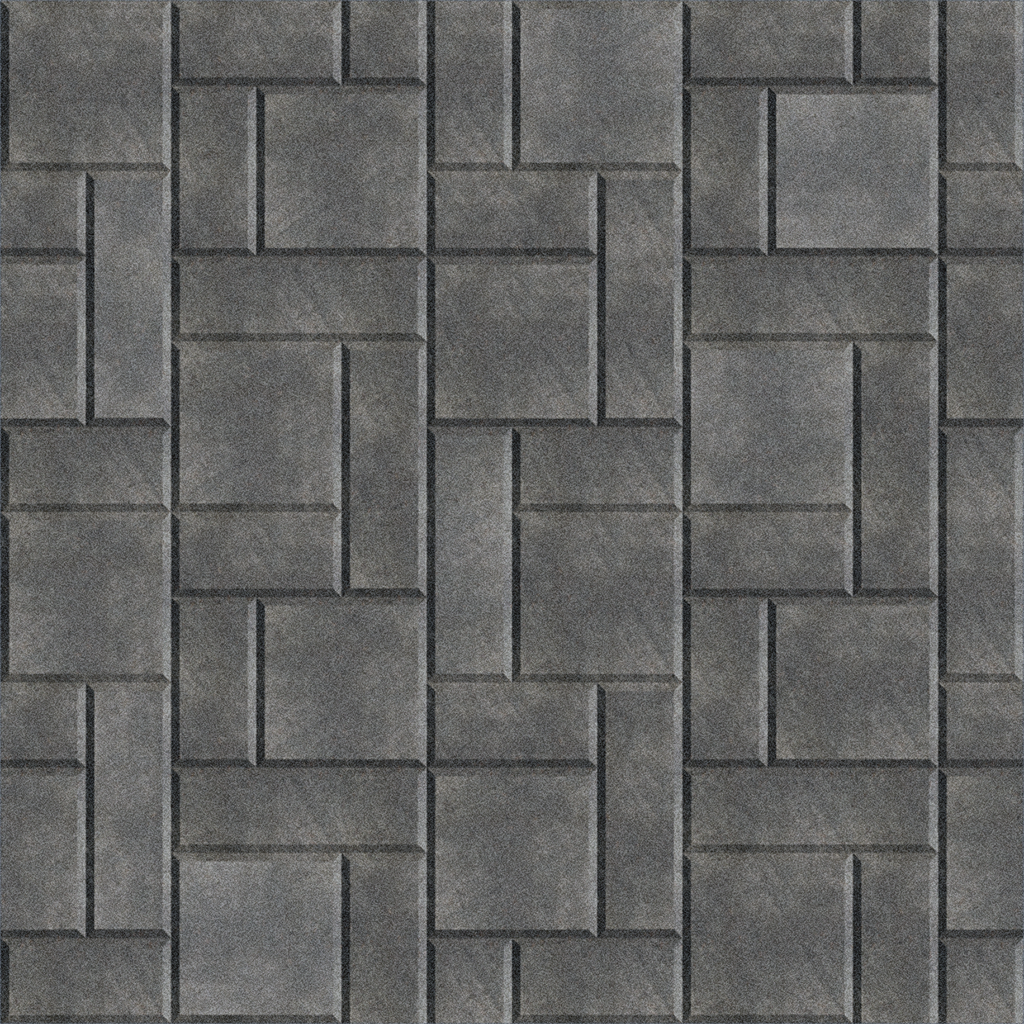
3D floor designs use raised patterns or optical illusions. They create a sense of depth and movement on flat surfaces. These designs catch the eye and make rooms feel larger. Popular options include geometric shapes, waves, and abstract art.
Such floors work well in living rooms, offices, and retail spaces. They blend art with functionality for a unique experience. The textures also improve grip, adding safety benefits.
Mixing Materials
Mixing materials creates contrast and variety in floor textures. Combining wood with stone, tile with carpet, or concrete with metal adds interest. This method highlights different textures and colors.
It helps define spaces within open floor plans. For example, a wood area can mark the dining zone, while tiles suit the kitchen. This approach offers flexibility and personalization.
Textured Paints And Coatings
Textured paints and coatings add subtle depth to floors. These products create rough, smooth, or patterned finishes. They are available in various colors and styles.
Textured coatings improve durability and slip resistance. They are ideal for garages, basements, and outdoor patios. Easy to apply, they refresh old floors without major renovations.
Credit: www.deviantart.com
Sourcing Floor Textures
Sourcing the right floor textures is crucial for any flooring project. The texture affects the look, feel, and safety of the floor. Quality textures add character and durability. Finding reliable sources ensures your floor matches your vision.
Local Suppliers In Austin
Austin has many local suppliers offering diverse floor textures. These suppliers provide samples to see and touch. Visiting local stores helps compare materials easily. Local businesses often have unique, Texas-inspired options. Support local suppliers for faster delivery and better service.
Online Resources
Many websites offer a wide range of floor textures. Online platforms let you browse wood, tile, concrete, and more. You can download free samples or buy high-quality textures. Check reviews and ratings before purchasing online. Some sites provide detailed images to help with selection.
Custom Fabrication
Custom floor textures give a unique look to any space. Fabricators can create patterns and finishes to match specific needs. This option suits special designs or unusual materials. Custom fabrication may take more time but delivers exact results. It offers flexibility and personal style for floors.

Credit: unsplash.com
Frequently Asked Questions
What Are The Common Floor Texture Types Available?
Common floor textures include smooth, rough, matte, glossy, wood grain, and patterned finishes. Each serves different aesthetic and functional purposes in flooring.
How Does Floor Texture Impact Safety?
Floor texture affects slip resistance. Rough or textured surfaces provide better grip, reducing slip hazards, especially in wet or high-traffic areas.
Can Floor Texture Influence Room Aesthetics?
Yes, floor texture enhances visual appeal by adding depth and character. It complements interior design styles, from rustic wood grains to sleek polished tiles.
Which Floor Textures Are Best For High-traffic Areas?
Durable textures like textured concrete, rough tiles, and embossed wood are ideal for high-traffic spaces. They resist wear and maintain safety over time.
Conclusion
Choosing the right floor texture can change a room’s whole feel. Textures add depth and style to any floor surface. They also improve safety by reducing slips and falls. Natural textures like wood or stone bring warmth and character. Smooth textures work well for modern, sleek spaces.
Consider your needs and preferences carefully before deciding. A good texture makes floors both beautiful and functional. Experiment with options to find what suits your space best. Floors with the perfect texture create lasting impressions every day.