When you look at old wood floor textures, you’re not just seeing worn boards—you’re experiencing a story carved by time. Imagine the warmth and character these floors bring to your space, adding depth and authenticity that new materials often lack.
Whether you want to restore the charm of your vintage home or create a rustic vibe in your modern space, understanding old wood floor texture can transform your design ideas into reality. Ready to discover how these timeless textures can enhance your floors and inspire your creativity?
Keep reading, because your perfect old wood look is just a few steps away.
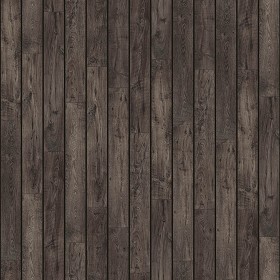
Credit: www.sketchuptextureclub.com
Old Wood Floor Appeal
Old wood floors bring warmth and character to any space. Their unique textures tell stories of time and use. Different types of old wood floors offer varied appearances and strengths. Understanding these types helps you appreciate their beauty and choose the right style for your home.
Hardwood Varieties
Hardwood floors come from trees like oak, maple, and walnut. These woods are dense and durable. Over time, they develop rich colors and patterns. The grain and knots in hardwood create a natural, textured look. This variety suits both rustic and elegant interiors.
Reclaimed Wood
Reclaimed wood is salvaged from old buildings and barns. It carries a weathered, worn texture that adds history to your floor. Using reclaimed wood supports sustainability by recycling materials. Each plank has unique marks, nail holes, and color changes. This type adds a vintage charm to any room.
Wide Plank Floors
Wide plank floors feature boards that are wider than standard flooring. They often show more wood grain and natural imperfections. These floors create a spacious, open feeling in a room. Wide planks highlight the wood’s texture and age beautifully. They are a popular choice for classic and farmhouse styles.
Types Of Old Wood Floors
Choosing the right old wood texture can change the whole look of your space. Old wood floors bring warmth and character. Their unique patterns tell stories of time and use. It is important to pick a texture that fits your style and needs. Below are key options to consider for old wood textures.
Seamless Vs Distressed
Seamless old wood textures show smooth, continuous grain. They give a clean, polished look while keeping natural charm. Distressed textures show marks, scratches, and wear. They create a rustic, vintage feel. Distressed floors add more personality and history to a room. Choose seamless for a subtle, refined style. Pick distressed to highlight age and character.
Hand-scraped Options
Hand-scraped wood has a carved, uneven surface. This technique mimics natural wear from years of use. Hand-scraped floors feel tactile and cozy underfoot. They highlight the wood’s grain and imperfections. This option suits traditional and farmhouse designs well. It adds a handcrafted, authentic look to the floor.
Natural Vs Stained
Natural old wood shows its true color and grain. It looks organic and fresh. Stained wood lets you change the tone and depth. Dark stains add richness, while light stains brighten the room. Stains can cover some imperfections and unify the floor’s look. Natural wood works best to keep an earthy, raw feel. Stained wood fits rooms needing color harmony and style.
Identifying Old Wood Flooring
Sourcing old wood materials requires careful selection. Authentic old wood flooring adds warmth and character to any space. Finding the right suppliers and options ensures the wood’s quality and history remain intact. Sustainable choices support the environment and preserve resources for future projects.
Reclaimed Wood Suppliers
Reclaimed wood suppliers specialize in wood salvaged from old buildings. They provide boards with unique textures and aged finishes. These suppliers carefully inspect and prepare the wood for reuse. Buying from them guarantees authentic old wood floor texture. This wood often comes from barns, factories, or warehouses.
Local Salvage Options
Local salvage options include demolition sites and architectural salvage yards. These places offer a chance to find old wood nearby. Salvaging locally reduces transportation impact and supports the community. It also allows hands-on inspection of wood quality and texture. Local wood often has a story linked to the area’s history.
Sustainable Choices
Choosing sustainable old wood materials helps protect forests and reduce waste. Reusing wood lowers the demand for new lumber. It also keeps wood out of landfills. Look for suppliers who follow eco-friendly practices. Sustainable old wood flooring combines beauty with responsibility.
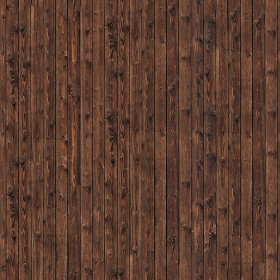
Credit: www.sketchuptextureclub.com
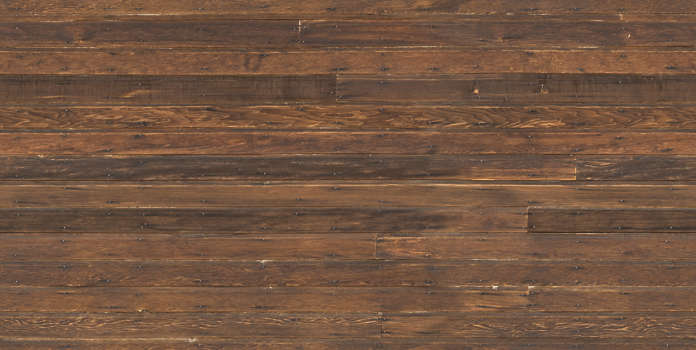
Credit: www.textures.com
Frequently Asked Questions
How To Identify Old Hardwood Floors?
Identify old hardwood floors by checking wide planks, visible grain patterns, and natural wear. Look for darkened patina and hand-cut nail marks. Test hardness and note plank thickness. Consult historical records or flooring experts for accurate identification.
What Are The Old Types Of Flooring?
Old flooring types include natural materials like stone and wood, plus early manufactured options such as cork, linoleum, rubber, and felt-base. Hardwood floors, linoleum, asbestos, vinyl, carpet, and engineered wood also represent traditional flooring styles.
How To Make An Old Wood Floor Look New?
Sand the floor to remove old finish and scratches. Apply wood stain to restore color. Seal with polyurethane for protection and shine. Clean regularly to maintain freshness.
What Were Old Wood Floors Made Of?
Old wood floors were made mainly from durable hardwoods like oak, pine, and chestnut. They often featured wide planks and natural grain patterns. Craftsmen sometimes added decorative inlays or hand-scraped textures for character and durability.
Conclusion
Old wood floor texture adds charm and warmth to any space. Its unique patterns tell stories of time and history. Choosing this texture brings a natural, cozy feel indoors. It suits both modern and classic designs well. Maintaining old wood floors keeps their beauty alive longer.
Use simple cleaning to preserve their rich character. Embrace the timeless look that old wood floors offer. They create a welcoming, rustic atmosphere effortlessly. Consider old wood textures for an authentic home style.