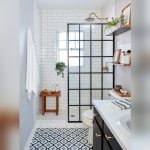

When it comes to designing your master bathroom, the layout is the foundation of comfort, style, and functionality. You want a space that feels like your personal retreat—one that flows effortlessly and meets your daily needs without hassle.
But with so many layout options and design tips out there, where do you start? In this guide, you’ll discover simple yet powerful strategies to create a master bathroom layout that maximizes space, enhances convenience, and elevates your home’s value.
Whether you’re planning a full remodel or just a refresh, understanding the essentials of master bathroom layout design will help you make confident choices that truly transform your space. Keep reading to unlock the secrets to your perfect master bathroom setup.
Layout Styles
Choosing the right layout style shapes the comfort and function of your bathroom. Layouts affect space flow and user experience. Each style offers unique benefits to fit different needs and tastes.
Explore popular layout styles that blend style with practicality. These designs help create a relaxing and efficient bathroom space.
Open Plan Designs
Open plan designs remove barriers to create a spacious feel. The shower, tub, and vanity share one large area. This style works well in bigger rooms. It promotes easy movement and a modern look. Natural light spreads freely, brightening the entire space.
Traditional Layouts
Traditional layouts divide the bathroom into clear zones. The toilet, shower, and vanity each have separate spaces. This design supports privacy and keeps the room organized. Classic symmetry often guides fixture placement. It suits those who prefer a timeless, orderly space.
Split Vanity Concepts
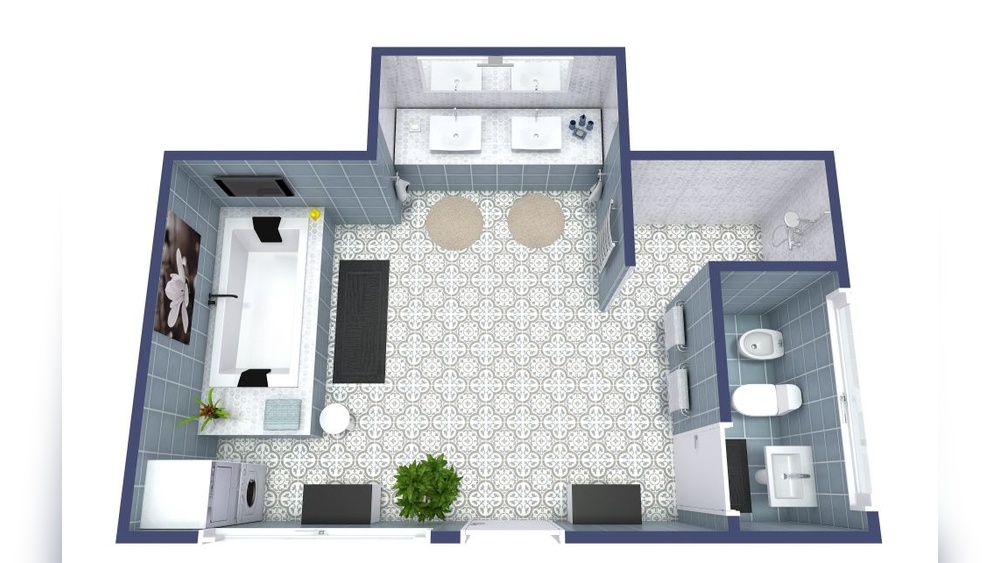
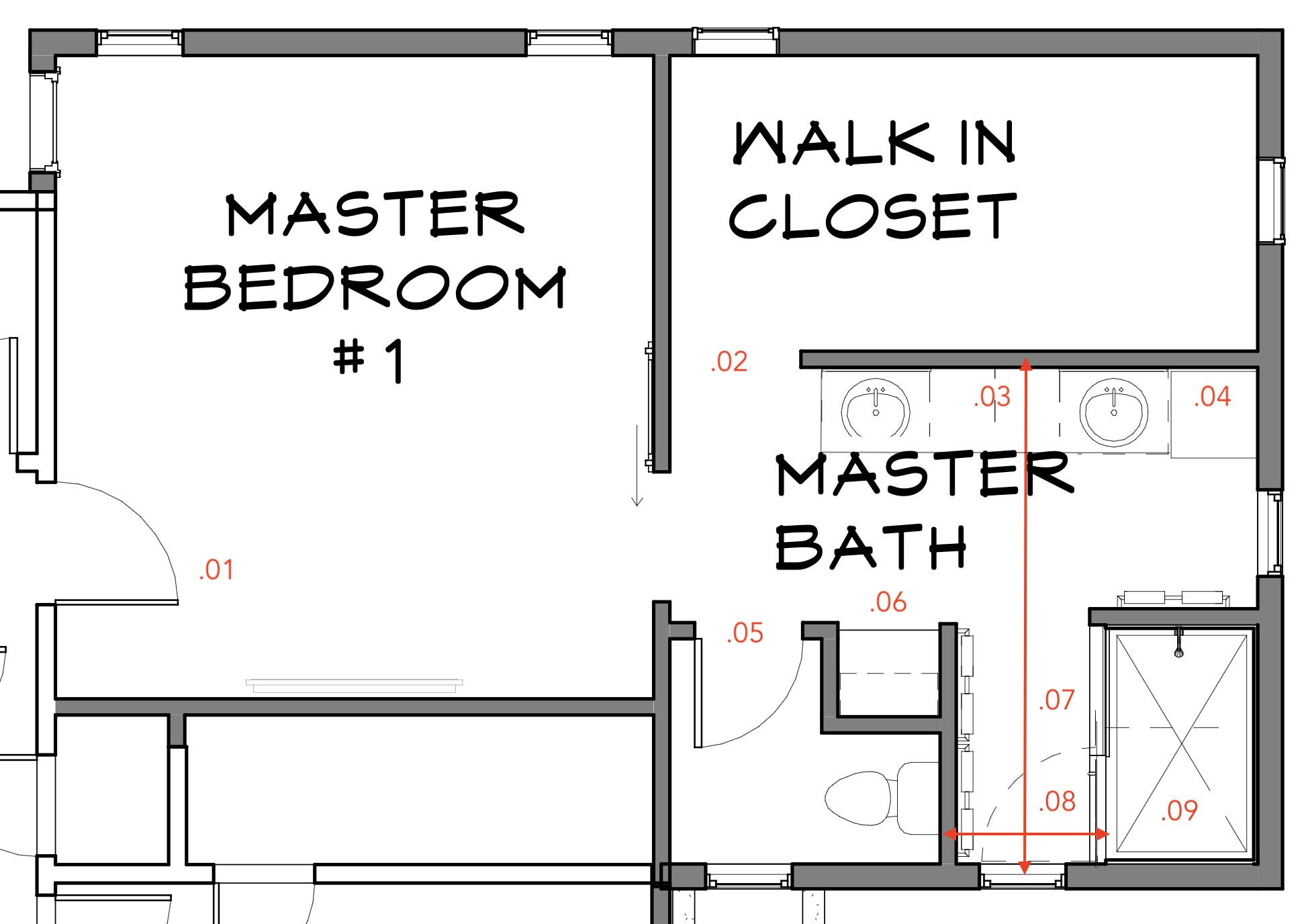
Split vanity concepts offer personal space for two users. Two sinks sit apart with a divider or gap. This layout reduces crowding during busy times. Each person enjoys their own area for grooming. It works well in shared master bathrooms.
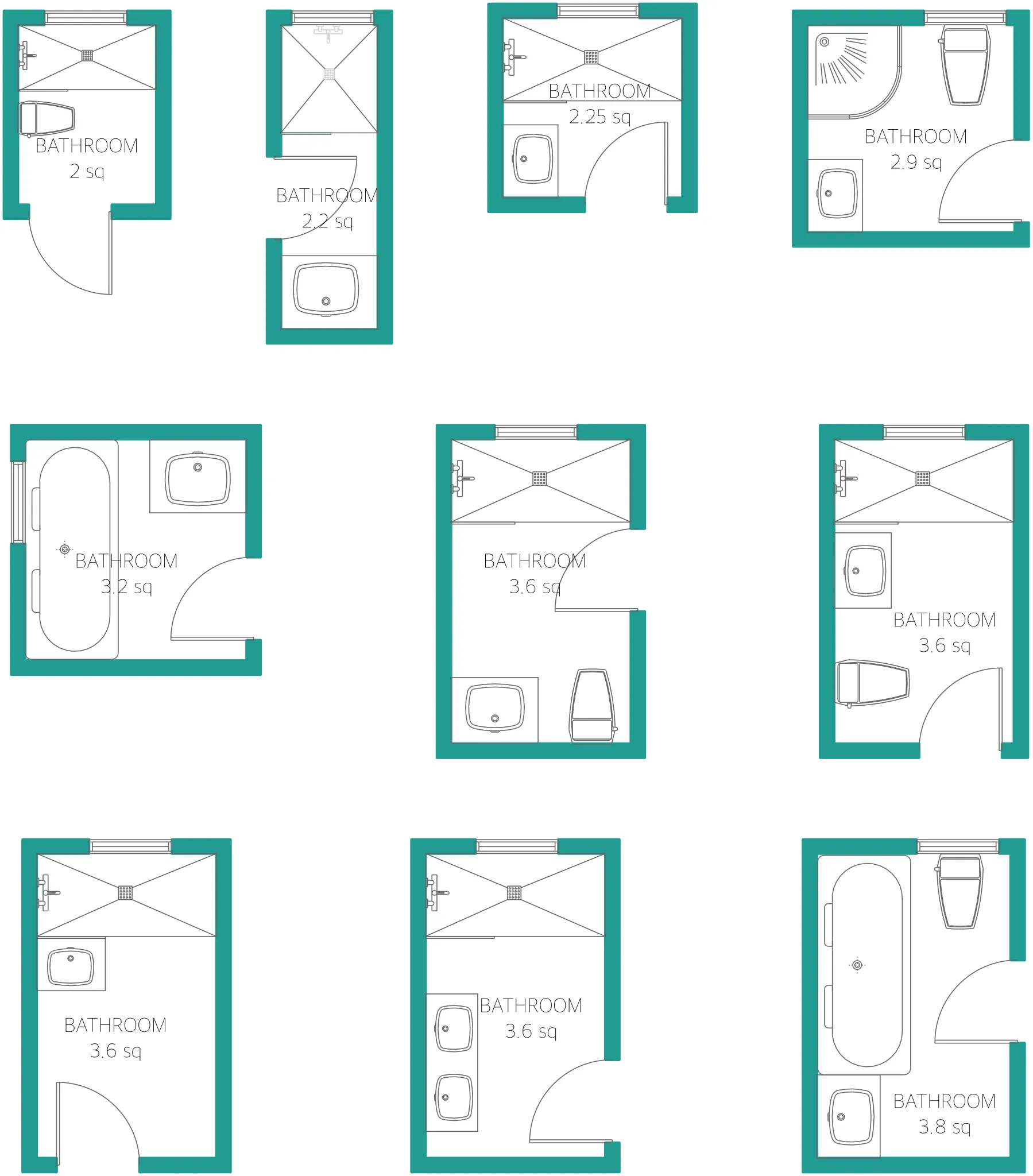
Credit: www.arcsite.com
Space Planning
Space planning is the first step to a functional master bathroom layout. It helps place each fixture where it fits best. Proper space use makes the bathroom comfortable and easy to use. Careful planning avoids clutter and wasted space. Every inch counts in creating a relaxing, practical bathroom.
Optimal Fixture Placement
Place the sink near the door for quick access. Position the toilet away from the main entrance for privacy. The shower or tub should have enough room to move freely. Keep storage cabinets within easy reach but out of the way. Balance fixtures to create a smooth, natural feel in the room.
Traffic Flow Tips
Design clear paths between fixtures to avoid crowding. Leave at least 30 inches of walking space. Avoid placing doors where they block movement. Ensure the bathroom feels open, not cramped. Plan for easy entry and exit to improve comfort and safety.
Maximizing Small Spaces
Use corner sinks to save floor space. Install wall-mounted toilets to open the floor area. Choose sliding doors instead of swinging ones. Add shelves above fixtures for extra storage. Light colors and mirrors can make the space feel larger and brighter.
Fixture Selection
Fixture selection plays a key role in shaping your master bathroom’s style and function. Fixtures set the tone for the space and affect daily comfort. Choosing the right pieces creates a balanced and inviting bathroom.
Consider size, style, and material for each fixture. Think about how they fit your lifestyle and the overall layout. Practical and beautiful fixtures enhance your bathroom experience.
Choosing Vanities
Vanities provide storage and support your sink. Pick a vanity that fits the room size and your storage needs. Materials like wood or stone add character. Choose finishes that match your design theme. Double vanities offer convenience for couples or families.
Bathtub Options
Bathtubs come in many shapes and sizes. Freestanding tubs create a luxurious feel. Built-in tubs save space and often include shower combos. Consider soaking tubs for relaxation. Material matters—acrylic is light, while cast iron is durable. Choose a tub that suits your bathroom layout and comfort needs.
Shower Designs
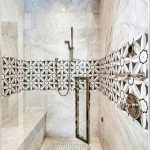
Showers can be simple or elaborate. Walk-in showers with glass walls open the space visually. Corner showers fit small areas well. Add benches or niches for comfort and storage. Choose showerheads with adjustable settings for a personalized experience. Proper drainage and waterproofing are essential to avoid future problems.

Credit: chrislovesjulia.com
Lighting Ideas
Lighting shapes the look and feel of your master bathroom. It sets mood, adds style, and improves function. Smart lighting choices make your space both beautiful and practical. Consider three types of lighting for a balanced design.
Ambient Lighting
Ambient lighting provides overall brightness in the bathroom. Ceiling lights, recessed fixtures, or flush mounts work well here. This light fills the room softly and evenly. Choose warm white bulbs for a cozy atmosphere. Dimmers help adjust light levels to match the time or task.
Task Lighting
Task lighting focuses on areas where you need clear visibility. Vanity lights around mirrors are essential for grooming and makeup. Wall sconces or LED strips at eye level reduce shadows on your face. Bright, cool white light is best here. Proper task lighting helps you see details clearly and avoid mistakes.
Accent Lighting
Accent lighting highlights design features and adds visual interest. Use small spotlights or LED strips to brighten shelves, artwork, or architectural details. Colored or soft lights create a relaxing vibe for baths. Accent lights add depth and style without overpowering the space.
Storage Solutions
Storage plays a key role in master bathroom layout design. It keeps the space tidy and functional. Good storage solutions help organize toiletries, towels, and daily essentials. Choosing the right storage options can make your bathroom feel spacious and calm.
Built-in Cabinets
Built-in cabinets offer sturdy and efficient storage. They fit seamlessly into the bathroom walls. Use them to store large items like towels and cleaning supplies. Custom cabinets can match your bathroom style and color. They keep clutter out of sight and free up floor space.
Open Shelving
Open shelving adds a modern and airy look. It is perfect for displaying pretty jars, plants, or fresh towels. Use baskets or boxes on shelves to organize smaller items. Open shelves make items easy to reach and keep. They work well in bathrooms with good lighting.
Hidden Storage
Hidden storage hides items while maintaining a clean design. Think of vanity drawers with compartments or mirror cabinets. These keep everyday products close but out of view. Hidden storage keeps your bathroom looking neat without extra furniture. It creates a smooth and sleek bathroom surface.
Material Choices
Choosing the right materials shapes the look and feel of your master bathroom. Materials affect durability, maintenance, and style. Selecting smart options can improve comfort and add value to your home.
Flooring Options
Bathroom floors need to handle moisture well. Porcelain tiles resist water and stains. They come in many colors and patterns. Natural stone offers a high-end look but requires sealing. Vinyl flooring is budget-friendly and soft underfoot. Heated floors add warmth on cold mornings.
Wall Finishes
Walls should resist humidity and be easy to clean. Ceramic tiles are a popular choice for shower walls. They protect against water and mold. Paint with moisture-resistant qualities works well in dry areas. Glass panels add a modern feel and reflect light. Wallpaper designed for bathrooms brings texture and color.
Countertop Materials
Countertops see heavy use and need to be tough. Quartz offers durability and comes in many shades. Granite is strong and heat-resistant. Marble adds elegance but needs regular care. Solid surface countertops are easy to clean and repair. Consider materials that match your bathroom style and daily needs.
Budget Tips
Sticking to a budget does not mean sacrificing style or function in your master bathroom layout design. Smart planning and wise choices can keep costs low while still achieving a beautiful space. These budget tips help you make the most of your money without stress.
Cost-effective Upgrades
Focus on small changes that refresh the room. Swap old fixtures for modern ones. New faucets, showerheads, and cabinet handles add style. Paint cabinets or walls for a fresh look. Use affordable yet durable materials for floors and countertops. Lighting upgrades can brighten the space without breaking the bank.
Diy Tasks
Simple projects save labor costs. Installing shelves, painting, or re-grouting tiles are good starts. Use online tutorials to guide you. Be careful with plumbing or electrical work; leave those to professionals. DIY tasks help you control expenses and add a personal touch to the design.
Hiring Contractors Wisely
Get multiple quotes before choosing a contractor. Check reviews and ask for references. Clear communication prevents costly mistakes. Set a detailed contract with timelines and costs. Hiring local professionals can reduce travel fees. A smart choice here keeps your project on budget and on time.
Accessibility Features
Accessibility features in a master bathroom layout help create a safe and comfortable space. They support independence for people of all ages and abilities. Thoughtful design makes daily routines easier and reduces risks of slips and falls. These features blend well with style and function.
Aging In Place Design
Aging in place design allows people to use their bathroom safely as they get older. It includes wider doorways for easy wheelchair access. Lower sinks and counters help those with limited reach. Non-slip flooring reduces the chance of accidents. Good lighting improves visibility. These changes keep the bathroom practical for all stages of life.
Walk-in Showers
Walk-in showers offer easy access without steps or barriers. They provide a smooth entry for wheelchairs or walkers. Built-in seats allow rest while bathing. Handheld showerheads add convenience. These showers use slip-resistant floors to prevent falls. Walk-in showers combine safety with modern design.
Grab Bars Placement
Grab bars provide stability and support in key bathroom areas. Install them near the toilet, shower, and bathtub. Bars should be securely anchored to the wall. They help users balance and move safely. Proper placement reduces injury risks. Grab bars come in styles that match bathroom decor.
Trends And Styles
Designing a master bathroom involves choosing the right style and layout. Trends and styles shape how a bathroom feels and functions. They guide choices for fixtures, colors, and materials. Exploring popular styles helps create a bathroom that is both beautiful and practical.
Modern Minimalism
Modern minimalism focuses on clean lines and simple forms. It uses neutral colors like white, gray, and black. Storage is hidden to reduce clutter. Fixtures have sleek designs, often with chrome or matte finishes. Lighting is bright but subtle, enhancing the space without overpowering it. This style creates a calm, open atmosphere perfect for relaxation.
Classic Elegance
Classic elegance blends traditional details with timeless beauty. It features soft colors such as cream, beige, and pastels. Marble or porcelain surfaces add luxury. Fixtures include vintage-style faucets and ornate mirrors. Lighting often includes chandeliers or sconces. This style gives the bathroom a refined and warm feeling, inviting comfort and grace.
Rustic Charm
Rustic charm brings natural elements into the bathroom. Wood finishes, stone sinks, and earthy tones are common. Fixtures may have a handcrafted look with bronze or copper finishes. Textured walls and vintage accessories add character. This style feels cozy and grounded, creating a welcoming space that connects with nature.
Credit: www.tamifaulknerdesign.com
Frequently Asked Questions
What Is A Good Master Bathroom Layout?
A good master bathroom layout maximizes space with separate shower and tub, double vanity, and ample storage. Ensure clear traffic flow and natural light for comfort.
What Is The Golden Rule For Bathroom Layouts?
The golden rule for bathroom layouts is to ensure efficient use of space by placing fixtures logically. Keep plumbing lines minimal and maintain clear pathways for easy movement. Prioritize functionality and comfort while maximizing storage and natural light.
Is $10,000 Enough For A Bathroom Remodel?
Yes, $10,000 can cover a basic bathroom remodel by focusing on essential updates and mid-range materials. Prioritize layout retention and DIY tasks to reduce costs.
What Is Trending In The Master Bathroom Remodel 2025?
Trending master bathroom remodels in 2025 include spa-like features, smart technology, sustainable materials, and minimalist designs. Walk-in showers and freestanding tubs gain popularity. Natural light and neutral tones create calming spaces. Energy-efficient fixtures and touchless faucets enhance convenience and hygiene.
Conclusion
A well-planned bathroom layout improves comfort and usability. Space should flow naturally for easy movement. Place fixtures thoughtfully to maximize both function and style. Good lighting and storage complete the design. Simple changes can make your bathroom feel fresh and inviting.
Take time to plan carefully for lasting satisfaction. Your ideal bathroom awaits with smart layout choices.