
Are you looking to give your floors a fresh, stylish upgrade that also adds safety and durability? Textured floor tiles might be exactly what you need.
These tiles don’t just look great—they offer grip, hide dirt, and bring a unique feel to any room. Whether you’re renovating your kitchen, bathroom, or outdoor space, choosing the right textured tile can transform your floor into a stunning focal point.
Keep reading to discover how textured floor tiles can enhance your home and find tips on selecting the perfect style for your space.
Credit: www.reddit.com
Benefits Of Textured Floor Tiles
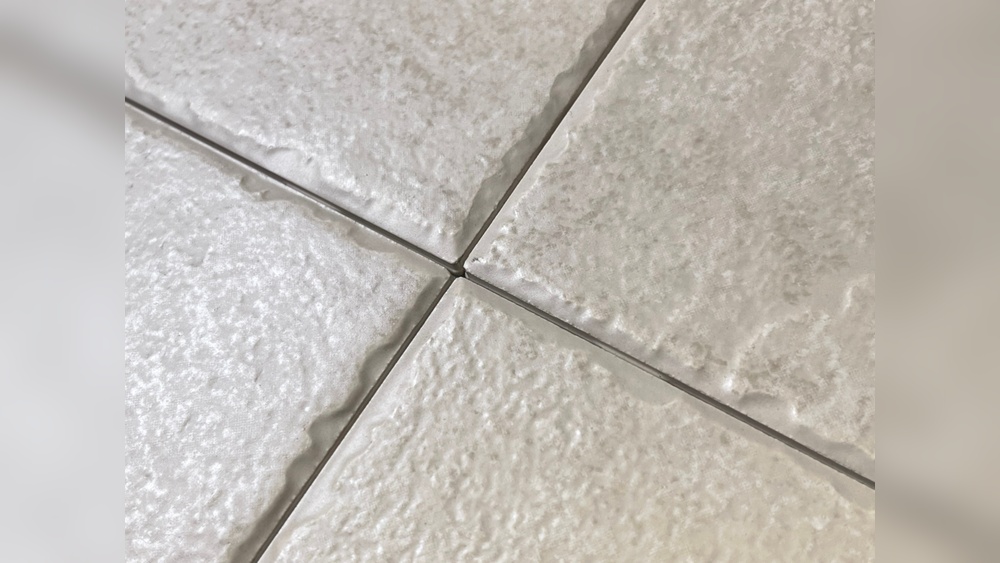
Textured floor tiles offer many advantages for homes and businesses. Their unique surface improves safety and adds charm to any room. These tiles also stand up well to wear and tear. Simple cleaning keeps them looking fresh for years.
Enhanced Safety With Slip Resistance
Textured tiles reduce the risk of slipping. Their rough surface provides better grip underfoot. This makes them ideal for wet or busy areas. Bathrooms, kitchens, and outdoor spaces benefit most. Safety increases without needing extra mats or treatments.
Aesthetic Appeal And Style
These tiles bring depth and character to floors. Patterns and textures create a visually interesting space. They work well with many decor styles. From rustic to modern, textured tiles add charm. Their look can mimic natural stone or wood.
Durability And Maintenance
Textured floor tiles resist scratches and stains. They handle heavy foot traffic without damage. Cleaning is easy with a broom or mop. Their surface hides dirt better than smooth tiles. This reduces the need for constant upkeep.
Popular Materials For Textured Tiles
Textured floor tiles add depth and character to any space. Choosing the right material affects durability, style, and maintenance. Popular materials offer a range of options for both indoor and outdoor floors.
Porcelain And Ceramic Options
Porcelain and ceramic tiles are widely used for textured floors. They resist moisture and stains well. Porcelain is denser and more durable than ceramic. Both come in many colors and patterns. Their textured surfaces improve grip and safety. These tiles suit kitchens, bathrooms, and high-traffic areas.
Natural Stone Variants
Natural stone tiles bring a timeless, organic look. Common types include slate, travertine, and limestone. Each stone has unique textures and colors. They offer excellent durability and slip resistance. Stone tiles require sealing to prevent stains. Their natural beauty fits rustic and elegant designs.
Innovative Composite Tiles
Composite tiles combine materials like resin, stone, and minerals. They mimic natural textures while adding strength. These tiles resist cracking and fading. Their lightweight nature eases installation. Composite options often feature anti-slip surfaces. They fit modern spaces needing both style and function.
Design Ideas Using Textured Tiles
Textured floor tiles bring depth and character to any space. They offer unique surfaces that catch the eye and add interest. Using textured tiles opens many design possibilities for floors and walls. Below are creative ideas to use these tiles effectively in your home or commercial spaces.
Creating Focal Points
Textured tiles work great to create standout areas. Use them to highlight entryways or seating zones. A patch of textured tiles breaks the monotony of plain flooring. It draws attention and adds a stylish touch. Choose bold textures or shapes to make the focal point clear. This technique works well in living rooms and hallways.
Combining Patterns And Colors
Mix different tile patterns with textured designs for visual interest. Combine smooth and rough surfaces to create contrast. Use colors that complement each other to keep balance. Patterns such as geometric or floral add charm to textured tiles. This mix helps personalize spaces without overwhelming them. It suits kitchens, bathrooms, and accent walls.
Indoor And Outdoor Applications
Textured tiles fit both indoor and outdoor areas. Indoors, they add warmth and style to floors and backsplashes. Outdoors, textured tiles provide slip resistance on patios and walkways. They also handle weather changes well, maintaining beauty over time. Use neutral tones outdoors for a natural look. Bright colors work best inside to enliven rooms.
Installation Tips For Textured Tiles
Installing textured floor tiles requires careful attention to detail. Proper installation ensures durability and highlights the tile’s unique surface. Follow these essential tips for the best results.
Choosing The Right Adhesive
Select an adhesive made for textured or uneven surfaces. This type helps the tile stick firmly without gaps. Avoid standard glue that might not hold well. Use a notched trowel to spread the adhesive evenly. This creates a strong bond and prevents tiles from shifting.
Preparing The Subfloor
Clean the subfloor thoroughly before installation. Remove dust, dirt, and old glue for better adhesion. Check for cracks or uneven spots and repair them. A smooth, flat surface helps tiles lay properly. Use a leveling compound if needed to even out the floor.
Grouting And Sealing Techniques
Choose grout that matches the tile color and texture. Use a rubber float to apply grout evenly between tiles. Clean excess grout quickly to avoid hard-to-remove stains. Seal the grout after it dries to protect against moisture and dirt. This step keeps the floor looking fresh longer.
Cleaning And Maintenance Strategies
Textured floor tiles add style and safety to any space. Their unique surface can trap dirt and grime more than smooth tiles. Proper cleaning and maintenance keep them looking fresh and lasting longer. Follow simple steps to protect your textured tiles from damage and stains.
Effective Cleaning Methods
Sweep or vacuum textured tiles often to remove loose dirt. Use a soft-bristle brush for deeper cleaning. Mop with warm water and a mild detergent. Avoid harsh chemicals that can damage tile surfaces. Rinse well to prevent residue buildup. Dry tiles with a clean cloth to stop water spots.
Handling Stains And Spills
Act quickly to clean spills on textured tiles. Blot liquids with a paper towel or cloth. Use a gentle cleaner to remove stains without scrubbing hard. For tough stains, mix baking soda and water into a paste. Apply it, let sit, then scrub lightly. Rinse thoroughly to avoid sticky residue.
Preventing Wear And Tear
Place mats at entrances to trap dirt and grit. Use furniture pads under legs to avoid scratches. Avoid dragging heavy items across textured tiles. Clean spills promptly to prevent permanent marks. Regular maintenance preserves the tile’s texture and appearance. These steps extend the life of your floor tiles.
Where To Buy Textured Floor Tiles In Austin
Finding the right place to buy textured floor tiles in Austin is key to your project’s success. Austin offers many options that cater to different budgets and styles. Choosing the right retailer or platform ensures you get quality tiles that last long and look great.
Local Retailers And Showrooms
Austin has several stores with a wide selection of textured floor tiles. Floor & Decor is popular for its vast variety and expert staff. The Tile Shop provides unique designs and hands-on showroom experiences. Home Depot and Lowe’s also stock many tile options for different needs. Visiting these stores helps you see tile textures and colors in person. Staff can offer advice on installation and care.
Online Shopping Options
Many Austin residents buy textured floor tiles online for convenience. Websites like Floor & Decor, Home Depot, and Lowe’s allow you to browse hundreds of styles. Online stores often have customer reviews that guide your choice. You can compare textures, colors, and prices easily. Some online sellers offer free samples to help you decide. Delivery options make it simple to get tiles right to your door.
Comparing Prices And Quality
Price and quality vary widely between sellers. Local stores might charge more but offer personal service and immediate pickup. Online shops often have lower prices and wider selection. Check tile material, thickness, and finish to ensure durability. Reading reviews and asking for samples reduces the risk of poor quality. Balance cost with tile lifespan and maintenance needs for best value.
Cost Factors And Budgeting
Understanding the cost factors of textured floor tile helps in planning your budget well. Several elements affect the total price, from the tile choice to installation. Careful budgeting ensures you get quality flooring without overspending.
Tile Material And Design Influence
The type of material impacts the price greatly. Porcelain tiles usually cost more than ceramic ones. Natural stone tiles, like slate or marble, tend to be pricier due to their unique patterns. The texture and design complexity can also raise the cost. More detailed or custom textures require advanced manufacturing and increase expenses.
Labor And Installation Expenses
Installation costs vary based on the tile and surface condition. Textured tiles may need special tools or techniques. Skilled labor charges more but ensures proper fitting and durability. If the floor needs extra preparation, like leveling, it adds to the cost. Always factor in labor to avoid surprises in your budget.
Long-term Value Considerations
Investing in quality textured tiles saves money over time. Durable materials resist wear and reduce replacement needs. Textured surfaces offer better slip resistance, increasing safety. Proper installation prevents damage and costly repairs. Consider maintenance costs; some tiles need sealing or special cleaning products. Budget for long-term benefits, not just initial price.
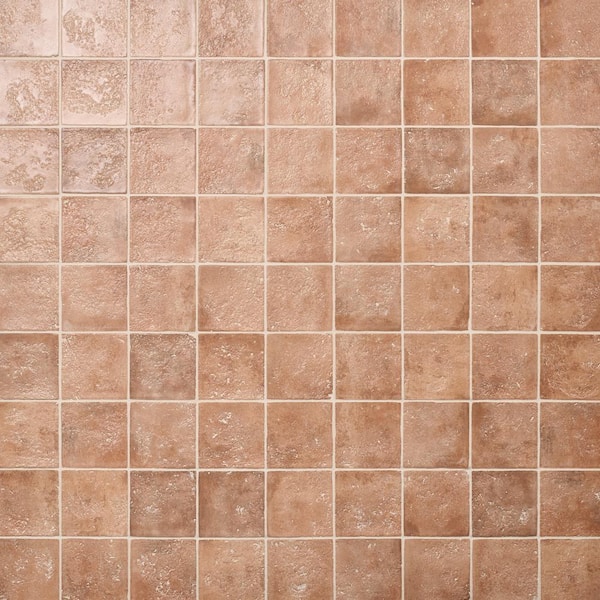
Credit: www.homedepot.com
Credit: www.reddit.com
Frequently Asked Questions
What Are Textured Floor Tiles?
Textured floor tiles have raised or patterned surfaces. They enhance grip and add visual interest to floors. These tiles are ideal for areas prone to moisture or heavy foot traffic.
How Do You Clean Textured Floor Tiles?
Use a soft brush or mop with mild detergent. Avoid harsh chemicals that can damage the texture. Regular cleaning prevents dirt buildup in crevices and maintains tile appearance.
Are Textured Tiles Slip-resistant?
Yes, their uneven surface improves traction. This makes them safer in wet or slippery areas like bathrooms and kitchens. Always check the tile’s slip rating for specific safety levels.
Can Textured Floor Tiles Be Used Outdoors?
Many textured tiles are suitable for outdoor use. They withstand weather changes and provide good traction on patios or walkways. Confirm with the manufacturer for outdoor suitability.
Conclusion
Textured floor tiles bring style and safety to any space. They add grip, reducing slips and falls. Their designs create depth and interest underfoot. Cleaning them is simple with the right tools. Choose textured tiles to enhance both look and function.
Your floors will feel unique and secure every day.