
Are you looking to upgrade your floors with something both stylish and practical? A textured epoxy floor might be exactly what your space needs.
Unlike plain, slippery surfaces, textured epoxy floors offer added grip and a unique look that hides imperfections while boosting safety. Whether it’s for your garage, basement, or commercial area, this flooring option combines durability with eye-catching design. Keep reading to discover how textured epoxy floors can transform your space, what makes them stand out, and the key things you should know before making your choice.
Your perfect floor makeover starts here!
Benefits Of Textured Epoxy Floors
Textured epoxy floors offer many benefits that improve both function and look. These floors combine strength with design to meet practical needs and style preferences. Their unique texture sets them apart from smooth epoxy floors by adding extra grip and visual interest.
Businesses and homeowners choose textured epoxy floors for their long-lasting qualities and safety features. The following sections explain key advantages of these floors in detail.
Enhanced Durability
Textured epoxy floors resist scratches, cracks, and heavy wear. Their strong surface stands up to daily foot traffic and machinery. The textured layer helps hide minor damage, keeping the floor looking new longer. This durability reduces the need for frequent repairs or replacements.
Aesthetic Appeal
These floors come in various colors and patterns. The texture adds depth and character to any space. Textured epoxy can match different decor styles, from modern to industrial. Its glossy finish enhances brightness and makes rooms feel cleaner.
Improved Safety
The textured surface provides better traction than smooth floors. This reduces slip and fall accidents, especially in wet or oily conditions. Adding texture to epoxy floors is a simple way to increase workplace and home safety. It is ideal for garages, kitchens, and commercial spaces.
Easy Maintenance
Cleaning textured epoxy floors is quick and simple. Dirt and spills do not penetrate the surface, making wipe-downs effective. The floors resist stains and chemicals, so they stay fresh with minimal effort. Regular sweeping and mopping keep them looking their best.
Credit: www.thermalchem.com
Types Of Textured Epoxy Finishes
Textured epoxy floors offer various finishes to enhance both look and safety. These finishes improve grip and hide surface flaws. They suit homes, garages, and commercial spaces alike. Each type has unique features and benefits.
Granule And Flake Textures
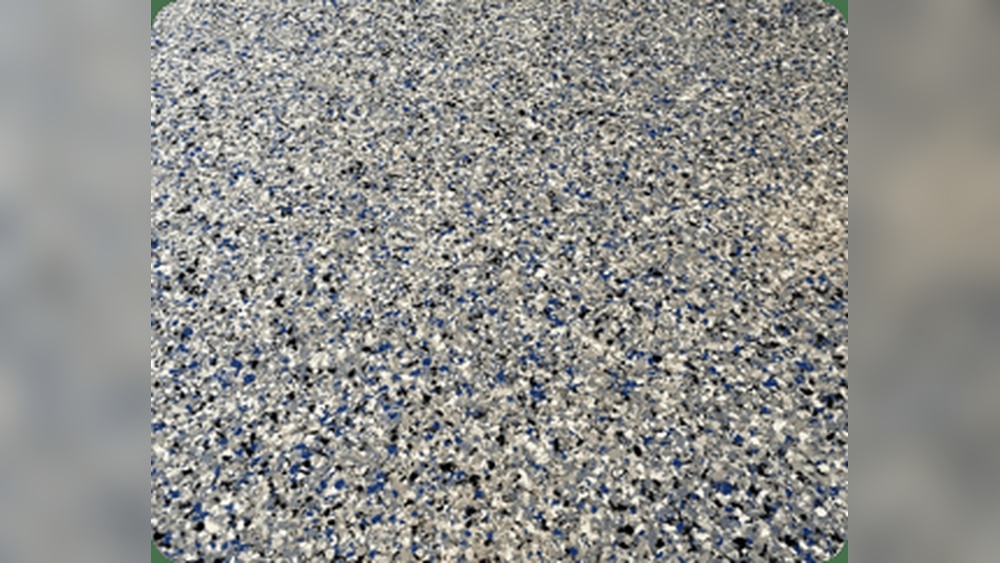
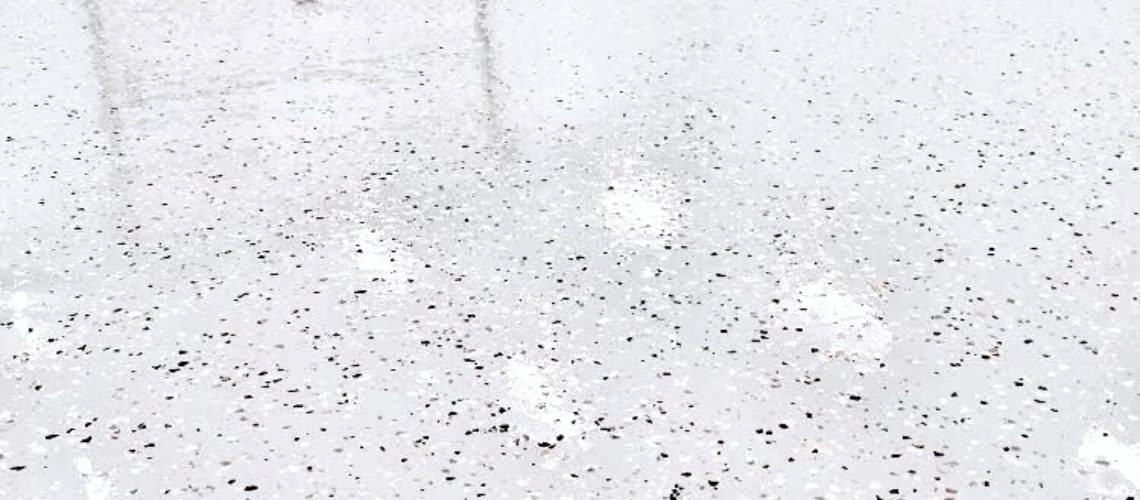
Granule and flake textures add small chips or flakes into the epoxy layer. These pieces create a rough surface that prevents slipping. They also make floors look colorful and lively. This texture hides dirt and minor damage well. It works great in busy areas like garages and workshops.
Quartz And Aggregate Finishes
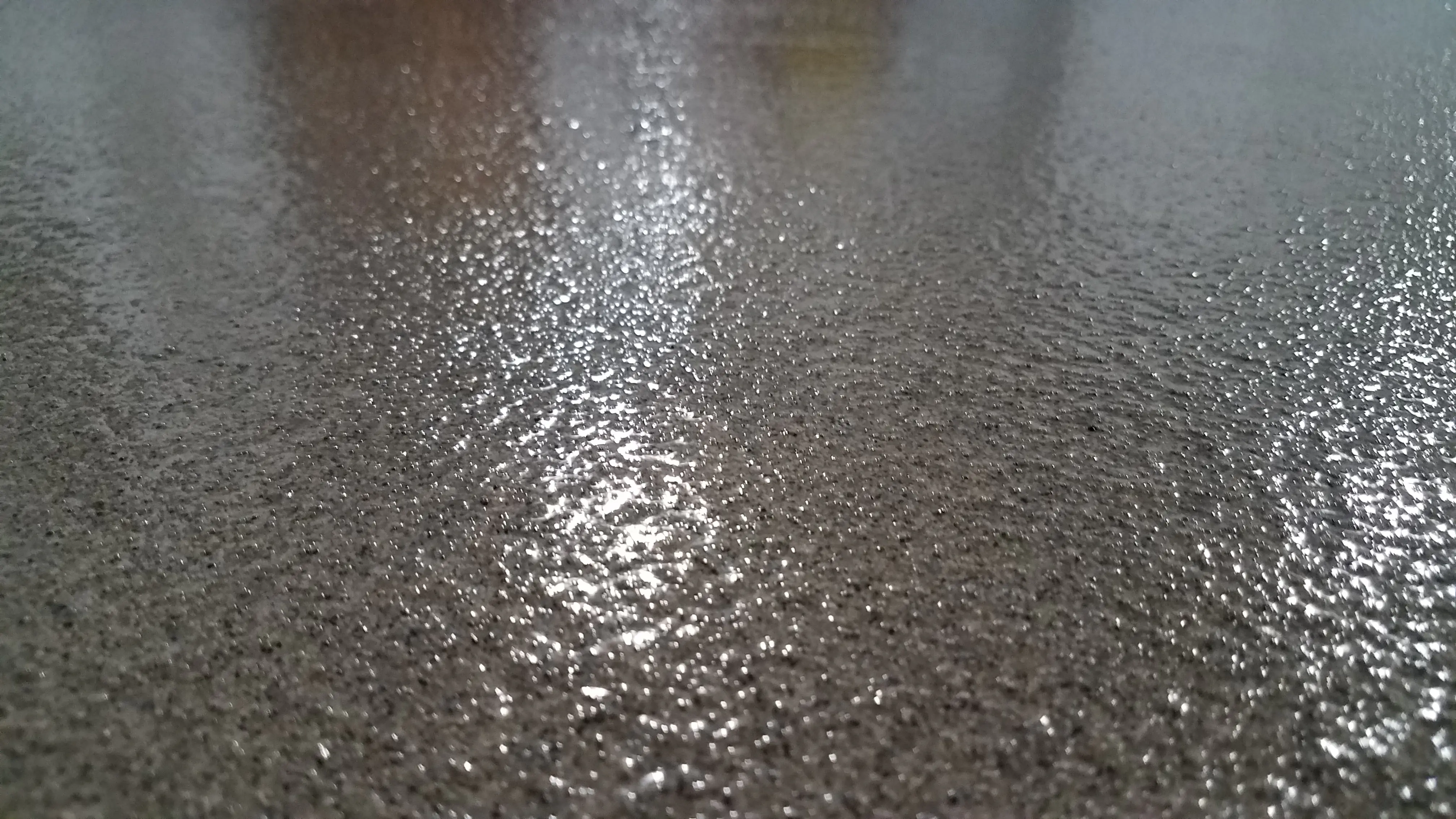
Quartz and aggregate finishes mix tiny stones or sand into the epoxy. This gives floors a natural, stone-like appearance. The rough surface improves traction and resists wear. It is ideal for outdoor or industrial floors. Quartz finishes also add strength to the epoxy coat.
Matte And Anti-slip Coatings
Matte and anti-slip coatings reduce floor shine and improve safety. These finishes use special additives to increase grip without rough textures. They help prevent slips on smooth epoxy floors. Matte finishes create a soft, modern look. These coatings suit homes and commercial spaces needing extra safety.
Custom Patterns And Designs
Custom patterns use stencils or hand-painting to create unique floor designs. This option personalizes the space with logos, shapes, or color blends. Patterns can combine textures for style and function. Custom designs make floors stand out and reflect personal taste. They work well in showrooms and offices.
Installation Process
The installation process of a textured epoxy floor demands care and precision. Proper steps ensure a durable, safe, and visually appealing surface. Each phase builds on the previous one to create a strong bond and the desired texture.
Surface Preparation
Begin by cleaning the floor thoroughly. Remove all dirt, grease, and old coatings. Repair any cracks or holes with epoxy filler. Next, grind or sand the surface to ensure it is smooth and rough enough for epoxy adhesion. Vacuum and wipe the floor to remove dust and debris before starting the application.
Applying Base Coats
Mix the epoxy resin and hardener carefully. Apply the first base coat evenly using a roller or squeegee. This layer creates a solid foundation for the texture. Allow the base coat to cure completely. The curing time depends on temperature and product instructions but usually takes several hours.
Adding Texture Layers
Sprinkle or broadcast texture materials onto the wet epoxy base coat. Common textures include colored flakes, quartz, or sand. These materials add grip and hide imperfections. Spread the texture evenly for a consistent look. After the texture sets, apply a second epoxy layer to seal and lock the texture in place.
Curing And Finishing Steps
Let the epoxy cure fully before walking on it. This can take one to three days depending on conditions. After curing, inspect the floor for rough spots or uneven areas. Sand lightly if needed and clean the surface. Apply a clear topcoat for extra protection and shine. Finally, allow the floor to cure again before heavy use.
Common Challenges And Solutions
Textured epoxy floors offer durability and style but face some common challenges. Understanding these issues helps maintain the floor’s appearance and safety. Below are frequent problems and practical solutions to keep your floor in top shape.
Slipperiness When Wet
Epoxy floors can become very slippery when water or oil is present. This risk increases in kitchens, garages, or outdoor spaces. Adding anti-slip additives or textured granules during installation improves grip. Regular cleaning to remove spills also helps prevent accidents.
Cracking And Peeling Risks
Cracks and peeling often result from poor surface preparation or heavy impacts. Temperature changes and shifting concrete can also cause damage. Applying epoxy on a well-prepared, dry surface reduces these risks. Using flexible epoxy formulations can absorb minor movements and prevent cracks.
Uv Damage And Yellowing
Direct sunlight can cause epoxy floors to yellow or fade over time. This effect is common in outdoor or sunlit areas. Using UV-resistant topcoats protects the floor from discoloration. Regular maintenance and avoiding harsh cleaners extend the epoxy’s lifespan.
Dealing With Harsh Odors
Epoxy installation releases strong fumes that may cause discomfort. Proper ventilation during and after application reduces odor buildup. Choosing low-VOC epoxy products limits harmful smells. Waiting for the floor to fully cure before use ensures a safer environment.
Maintenance Tips For Longevity
Textured epoxy floors combine style and durability, making them a popular choice for many spaces. Maintaining these floors properly ensures they stay attractive and strong for years. Simple care routines and timely repairs help protect the surface from damage. Follow these maintenance tips to extend the life of your textured epoxy floor.
Cleaning Best Practices
Sweep or vacuum regularly to remove dirt and dust. Use a soft-bristle broom or a dust mop. Mop the floor with warm water and mild detergent. Avoid soaking the floor with water. Dry the surface after mopping to prevent water spots.
Avoiding Harsh Chemicals
Stay away from bleach, ammonia, and strong acids. These chemicals can dull or damage the epoxy finish. Choose pH-neutral cleaners designed for epoxy floors. Test any new cleaner on a small area first. Using gentle products keeps your floor looking fresh.
Repairing Minor Damages
Fix small chips or cracks quickly to prevent bigger issues. Use an epoxy repair kit made for textured floors. Clean the damaged area before applying the repair material. Follow the product instructions carefully for best results. Timely repairs maintain the floor’s strength and appearance.
Seasonal Care Advice
Check for dirt and grit more often during winter and fall. Salt and debris from outdoors can scratch the floor. Use entrance mats to reduce tracked-in dirt. Avoid dragging heavy furniture to prevent scratches. Regular seasonal care keeps the floor in top shape year-round.
Cost Considerations
Understanding the costs of textured epoxy floors helps you plan better. This flooring option offers unique benefits but comes with specific expenses. Breaking down these costs gives a clear view of the investment needed. Careful budgeting ensures you get quality results without surprises.
Material Expenses
Textured epoxy floors need special materials like resin and aggregates. Prices vary based on quality and texture type. Higher-grade materials cost more but last longer. Color and finish choices can also affect the price. Buying in bulk may reduce overall material costs.
Labor And Installation Fees
Installation requires skilled professionals for proper application. Labor fees depend on floor size and complexity of texture. Surface preparation adds to installation time and cost. Experts ensure the floor cures correctly and lasts longer. Poor installation can lead to extra repair expenses.
Long-term Value
Textured epoxy floors resist stains, cracks, and wear. This durability reduces maintenance and replacement costs. They improve safety by reducing slips and falls. The floor’s appearance stays fresh with minimal upkeep. Over time, these benefits balance initial costs.
Budget-friendly Alternatives
Simple epoxy coatings cost less but lack texture benefits. Adding anti-slip additives offers some grip at lower prices. Concrete staining or sealing provides a cheaper decorative option. DIY kits cut labor fees but need careful work. Choose based on your needs and budget limits.
Applications And Ideal Spaces
Textured epoxy floors fit various environments due to their durability and slip resistance. They work well in places requiring strong, safe surfaces. This section explores ideal applications and spaces for textured epoxy floors.
Residential Uses
Textured epoxy floors suit many home areas. They add style and durability to kitchens and basements. The texture reduces slipping, making floors safer for children and elderly. Home gyms benefit from the grip and easy cleaning. These floors resist stains and damage from daily wear.
Commercial And Industrial Settings
Businesses prefer textured epoxy for its strength and safety. Warehouses and factories need floors that handle heavy traffic and equipment. The textured surface prevents slips in busy work zones. Retail stores use epoxy floors to keep looks fresh despite heavy foot traffic. Cleaning is simple, saving time and costs.
Garages And Workshops
Garages and workshops face spills, stains, and rough use. Textured epoxy floors resist oil, grease, and chemicals. They provide a non-slip surface for tools and vehicles. This flooring improves safety during work and vehicle maintenance. It also makes cleaning dirt and debris quick.
Outdoor And High-traffic Areas
Outdoor spaces benefit from textured epoxy’s weather resistance. Patios, walkways, and pool decks stay safe with slip-resistant textures. The coating stands up to sun, rain, and temperature changes. High-traffic public areas enjoy long-lasting, low-maintenance flooring. The texture helps prevent falls on wet surfaces.

Credit: v8floorcoatings.com
Credit: rochesterconcreteprep.com
Frequently Asked Questions
Can Epoxy Floors Be Textured?
Yes, epoxy floors can be textured by adding flakes, chips, or anti-slip additives. This improves grip and enhances appearance. Textured epoxy floors hide imperfections and reduce slipperiness, making them safer and more visually appealing for various spaces.
What Is The Downside Of Epoxy Flooring?
Epoxy flooring can be slippery when wet, prone to cracking, and requires lengthy installation. It may emit strong fumes and feel cold underfoot. Without UV protection, it can yellow over time.
Is It Cheaper To Tile Or Epoxy A Floor?
Epoxy flooring generally costs less than tile installation. It requires fewer materials and less labor, making it a budget-friendly option.
Should An Epoxy Floor Be Smooth Or Rough?
An epoxy floor can be smooth for a glossy look but often features a rough texture for slip resistance. Textured epoxy improves safety and hides imperfections. Choose texture based on area use and safety needs.
Conclusion
Textured epoxy floors offer a strong and stylish option for many spaces. They improve grip and hide floor flaws well. These floors need careful installation and maintenance to last long. Adding texture helps reduce slipperiness, making floors safer. Keep in mind, epoxy can feel hard and cold underfoot.
Proper ventilation during installation is important to avoid strong fumes. Overall, textured epoxy floors blend durability with visual appeal for homes and businesses. Choose them wisely to enjoy their benefits for years.