
When you step into a room, what do you feel beneath your feet? The texture of your floor shapes not just the look of your space but also how it feels and functions every day.
Whether it’s the smooth coolness of polished marble or the warm, rough charm of wooden planks, the texture sets the tone for comfort, safety, and style. You’ll discover why choosing the right floor texture matters, how different surfaces can transform your home or workspace, and tips to find the perfect fit for your lifestyle.
Ready to explore the world beneath your feet? Let’s dive in and uncover what makes floor texture so important for your space.
Floor Materials
Choosing the right floor material shapes the entire look and feel of a room. Floor materials offer different textures, colors, and durability. Each type brings unique qualities that affect comfort and style. Understanding these options helps in picking the best fit for any space.
Wood Varieties
Wood floors provide warmth and natural beauty. Common types include oak, maple, and pine. Each wood variety has its own grain pattern and hardness. Wood floors can be smooth, brushed, or distressed for texture. They add character and age well with care.
Ceramic And Porcelain Tiles
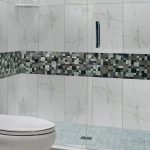
Ceramic and porcelain tiles offer a smooth, often glossy finish. They come in many colors and patterns. Tiles are water-resistant, making them ideal for kitchens and bathrooms. Textured tiles prevent slipping and add visual interest. Maintenance is simple with regular cleaning.
Concrete And Terrazzo
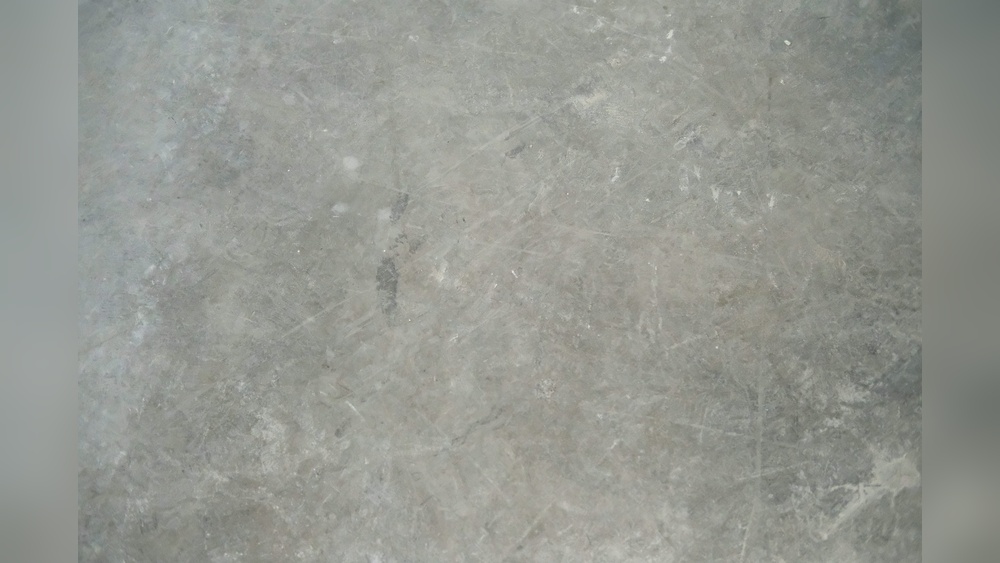
Concrete floors create a modern, industrial look. They can be polished for a sleek shine or left rough for grip. Terrazzo mixes marble chips with concrete for a speckled, colorful texture. Both options are durable and easy to maintain. They suit high-traffic and outdoor areas well.
Natural Stone Options
Natural stone floors include granite, slate, and travertine. These stones offer a unique, rugged texture and natural color variations. Stone floors are strong and last long but may require sealing. Their cool surface feels refreshing, especially in warm climates. They bring elegance to any room.
Vinyl And Laminate
Vinyl and laminate floors mimic wood and stone textures affordably. They are softer underfoot and resist scratches and stains. These materials come in a wide range of styles and finishes. Installation is quick and often DIY-friendly. They suit busy homes and rental properties well.
Surface Finishes
Surface finishes play a key role in defining the texture of a floor. They affect both the look and feel underfoot. Choosing the right finish can enhance comfort, safety, and style.
Each type of finish offers a unique texture. Some are smooth and shiny, while others have a muted or rough feel. The choice depends on the room’s use and the desired atmosphere.
Polished And Glossy
Polished floors have a smooth, shiny surface. They reflect light well and create a bright space. This finish often appears on marble, concrete, or hardwood floors. It offers a sleek, modern look. Polished surfaces are easy to clean but can be slippery when wet.
Matte And Satin
Matte and satin finishes offer a soft, subtle shine. They reduce glare and hide scratches better than glossy floors. This finish suits areas where a calm, natural feel is desired. Matte textures feel smooth but without the reflective shine. Satin finishes fall between matte and glossy in brightness.
Textured And Rough
Textured floors have a rough surface that adds grip. This finish is ideal for outdoor spaces or wet areas. It helps prevent slipping and adds character. Textured finishes come from methods like sandblasting or using rough materials. They provide a tactile, natural feel underfoot.
Handsanded And Distressed
Handsanded and distressed floors show signs of wear and age. They have a rustic, vintage texture. This finish is popular for wooden floors in cozy, traditional settings. The surface is uneven with small dents and marks. It adds warmth and a story to the floor’s appearance.
Texture Types
Floor texture plays a vital role in defining a space’s look and feel. Different texture types offer unique visual appeal and practical benefits. Understanding these types helps choose the perfect floor for any room.
Smooth Surfaces
Smooth floors feel soft underfoot and are easy to clean. Materials like polished wood, ceramic tiles, and marble often have smooth textures. These floors reflect light well, making rooms appear brighter and bigger. Smooth surfaces suit modern and minimalist designs.
Rough And Grainy
Rough floors provide good grip and prevent slipping. Concrete, natural stone, and some tiles feature rough or grainy textures. These floors add a rugged, sturdy look to spaces. They work well in outdoor areas and busy rooms needing extra safety.
Patterned And Embossed
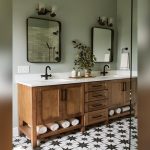
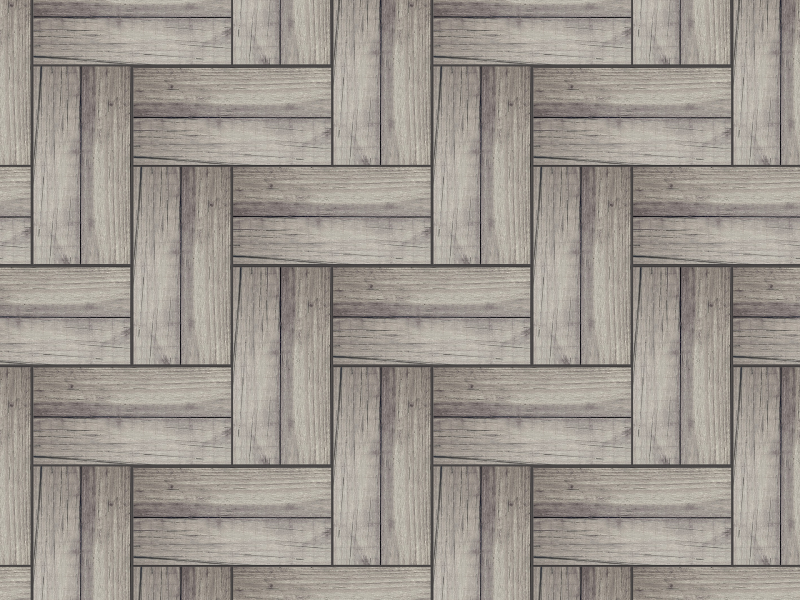
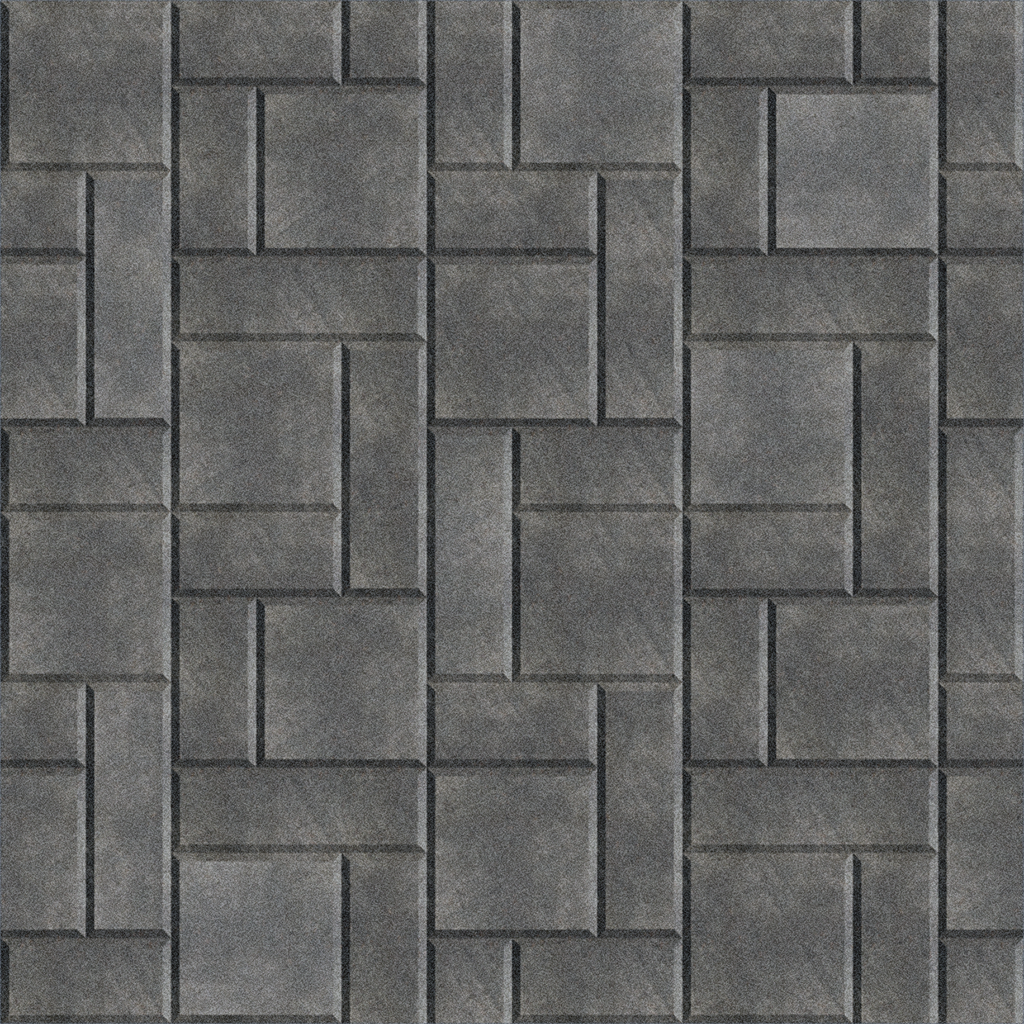
Patterned floors show designs or raised shapes on the surface. Embossed textures add depth and interest to plain floors. These styles use materials like vinyl, tiles, and wood. Patterned floors create focal points and add character to any room.
Natural And Rustic
Natural floors highlight raw, organic textures. Wood, stone, and clay often have rustic finishes that feel warm and inviting. These textures bring nature indoors and suit country or vintage styles. Rustic floors age well and develop a unique charm over time.
Credit: www.textures4photoshop.com
Design Styles
Floor texture plays a vital role in defining the style of any room. Different design styles call for specific textures that enhance the overall look. Choosing the right texture can create harmony between the floor and the rest of the space. Below are popular design styles and their ideal floor textures.
Modern Minimalist
Modern minimalist design favors smooth and sleek floor textures. Polished concrete or large matte tiles work well here. These textures reflect simplicity and clean lines. A smooth surface helps keep the space uncluttered and bright. This style avoids patterns or rough finishes.
Classic Elegance
Classic elegance thrives with rich, polished wood floors. Hardwood with a glossy finish adds warmth and luxury. Marble or fine stone tiles also complement this style. Textures are smooth but with subtle natural patterns. These floors bring timeless beauty to any room.
Rustic And Cozy
Rustic style calls for rougher, natural textures. Distressed wood or hand-scraped planks create a cozy feel. Stone or brick floors with uneven surfaces also fit well. These textures add character and invite comfort. The worn look makes spaces feel lived-in and warm.
Industrial Chic
Industrial chic embraces raw and unfinished floor textures. Exposed concrete with a matte or brushed finish is ideal. Reclaimed wood or metal inlays add contrast. These textures highlight the rugged, urban vibe. They blend well with exposed pipes and brick walls.
Functional Benefits
The texture of a floor plays a vital role beyond looks. It affects safety, durability, upkeep, and comfort. Choosing the right texture can improve daily life and protect your investment. Below are key functional benefits that floor texture provides.
Slip Resistance
Floor texture impacts how much grip it offers. Rough or patterned surfaces reduce the risk of slipping. Textured floors are ideal in wet or high-traffic areas. They help prevent accidents and keep people safe.
Durability And Wear
Textured floors often hide scratches and dents better. They resist wear from shoes and furniture. Hard textures like stone or concrete last longer. A well-chosen texture keeps floors looking good for years.
Maintenance And Cleaning
Smooth floors are easier to sweep and mop. Rough textures may trap dirt and need more care. Some textures resist stains and spills well. Understanding texture helps pick floors that fit your cleaning routine.
Comfort And Warmth
Texture affects how a floor feels underfoot. Softer textures like cork or carpet provide warmth. Hard textures can feel cold but offer firm support. The right texture adds comfort to your living space.
Credit: www.deviantart.com
Color And Mood
The color of a floor plays a big role in setting the mood of a room. It can change how the space feels and looks. Choosing the right color tone helps create the perfect atmosphere. Floors with different colors can make a room feel calm, warm, lively, or cozy.
Floor color works with texture to shape the overall design. Bright colors open up spaces, while dark shades add depth. Earthy hues bring comfort, and bold colors give energy. Each choice affects how people feel in the room.
Light And Airy Tones
Light floor colors like white, cream, and pale gray create an open, fresh feeling. They make rooms appear larger and cleaner. These tones reflect light well, adding brightness. Light floors suit modern and minimalist styles perfectly. They give a calm and peaceful mood to any space.
Dark And Dramatic Shades
Dark floors such as deep brown, black, or navy create a strong, bold look. These shades bring warmth and richness to a room. They add drama and make the space feel cozy and inviting. Dark floors work well in large rooms or spaces with plenty of light to balance the depth.
Neutral And Earthy Hues
Neutral colors like beige, taupe, and soft browns create a natural, grounded mood. Earthy tones bring warmth and comfort to a room. These colors blend well with many furniture styles and wall colors. Neutral floors are timeless and easy to maintain a balanced look.
Bold And Vibrant Colors
Bright floors in colors like red, blue, or green add personality and energy. These tones create a playful and lively atmosphere. Vibrant floors work well in creative spaces or rooms needing a strong style statement. Bold colors draw attention and can brighten even dull areas.
Installation Tips
Installing a textured floor requires careful attention to detail. Proper steps ensure durability and enhance the floor’s appearance. Follow these tips for a smooth installation process that highlights the floor’s texture.
Choosing The Right Texture
Select a texture that fits the room’s use and style. Rough textures work well in outdoor areas for slip resistance. Smooth textures suit indoor spaces for easy cleaning. Consider the floor material and how the texture will affect comfort and safety.
Preparing The Subfloor
Check the subfloor for flatness and cleanliness. Remove dust, debris, and old adhesives before installation. Repair cracks and holes to avoid uneven surfaces. A well-prepared subfloor helps the texture lay evenly and last longer.
Professional Vs Diy
Experts offer skill and tools for complex textures and materials. DIY can save money but needs patience and careful work. Choose professional help for textured floors that require precise patterns or special finishes. For simple textures, DIY can be rewarding.
Common Mistakes To Avoid
Skipping subfloor preparation leads to uneven texture and damage. Using wrong adhesive can cause peeling or bubbling. Ignoring manufacturer instructions often reduces floor lifespan. Avoid rushing the process; take time to install each section carefully.
Credit: www.buildersinteriors.com
Trends And Innovations
Floor texture is evolving with new trends and innovations. These changes focus on style, function, and sustainability. Flooring now combines beauty and technology to meet modern needs. Fresh ideas bring unique looks and smart features to floors. Here are some key trends shaping floor texture today.
Eco-friendly Materials
Natural and recycled materials are popular for floors. Bamboo, cork, and reclaimed wood reduce environmental impact. These materials offer warm, natural textures that feel good underfoot. Low-VOC finishes improve indoor air quality. Eco-friendly floors blend style with care for the planet.
Smart Flooring Solutions
Technology adds new functions to floor textures. Heated floors provide comfort during cold months. Sensors detect movement and adjust lighting or temperature. Some floors resist stains and scratches better than before. Smart floors improve safety and convenience in homes and offices.
Custom Textures And Patterns
Personalized floor textures create unique spaces. Patterns like geometric shapes or natural stone mimicry add character. Raised or embossed textures provide tactile interest. Customization allows matching floors to any design style. This trend brings creativity and individuality to interiors.
Mixing Textures For Impact
Combining different floor textures creates visual depth. Smooth tiles paired with rough wood add contrast. Soft rugs with hard surfaces balance comfort and style. Mixing textures highlights different areas within a room. This approach makes floors more dynamic and engaging.
Frequently Asked Questions
What Is The Texture Of The Floor?
The floor texture varies from smooth and polished to rough or matte. It depends on material and finish choices. Common textures include glossy, sanded, flamed, or natural. Texture affects grip, appearance, and comfort in different spaces.
How Do You Describe A Floor?
Describe a floor by its material, condition, texture, level, location, and aesthetic qualities. Use words like wooden, clean, smooth, ground, or polished.
What Are The 5 Types Of Hard Flooring?
The five types of hard flooring are hardwood, tile, stone, laminate, and vinyl. Each offers durability and unique style options.
What Are The Different Types Of Floor Finishes?
Common floor finishes include polished, matte, satin, glossy, textured, and waxed surfaces. Each enhances durability and appearance uniquely.
Conclusion
Choosing the right floor texture affects comfort and safety. Smooth floors feel clean but can be slippery. Rough textures add grip and character to spaces. Floors also set a room’s mood and style. Consider material and finish for durability and look.
A well-chosen floor texture enhances any home or office. Think about how you use each room. Texture matters more than you might realize. Keep these points in mind when selecting your floor.