
When it comes to designing a handicap bathroom, your goal is clear: create a space that’s safe, comfortable, and easy to use. Whether you’re planning for a loved one or updating your own home, the right bathroom design can make a big difference in daily life.
You want a layout that fits your needs without sacrificing style or convenience. You’ll discover practical handicap bathroom design plans that balance accessibility with modern features. From grab bars to walk-in showers, we’ll guide you step-by-step so you can make informed choices.
Keep reading to transform your bathroom into a space that truly works for you.
Design Essentials
Designing a handicap bathroom requires careful attention to essential elements. These elements ensure safety, comfort, and ease of use for everyone. Thoughtful planning helps create a space that is both functional and welcoming. Below are key design essentials that form the foundation of an accessible bathroom.
Space Requirements
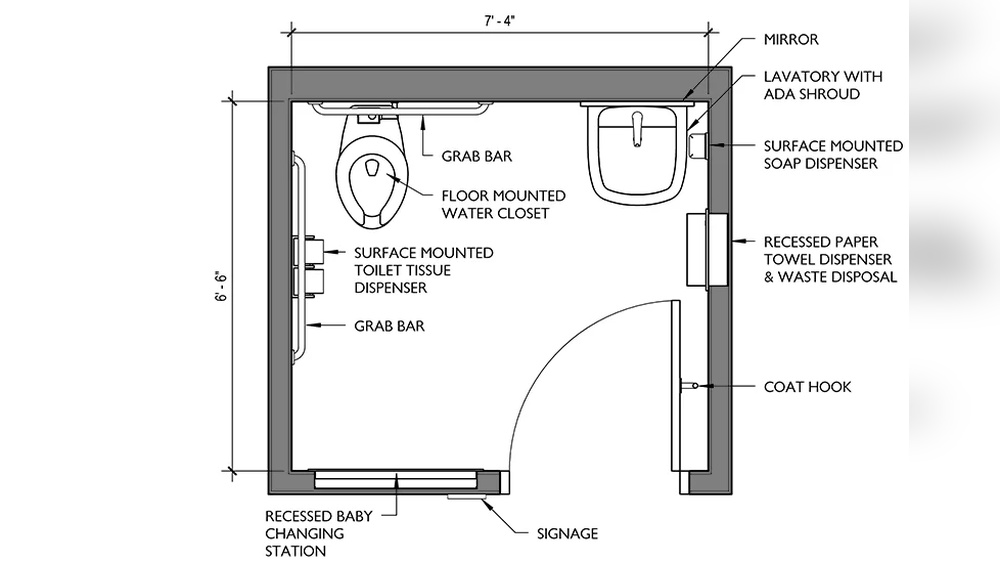
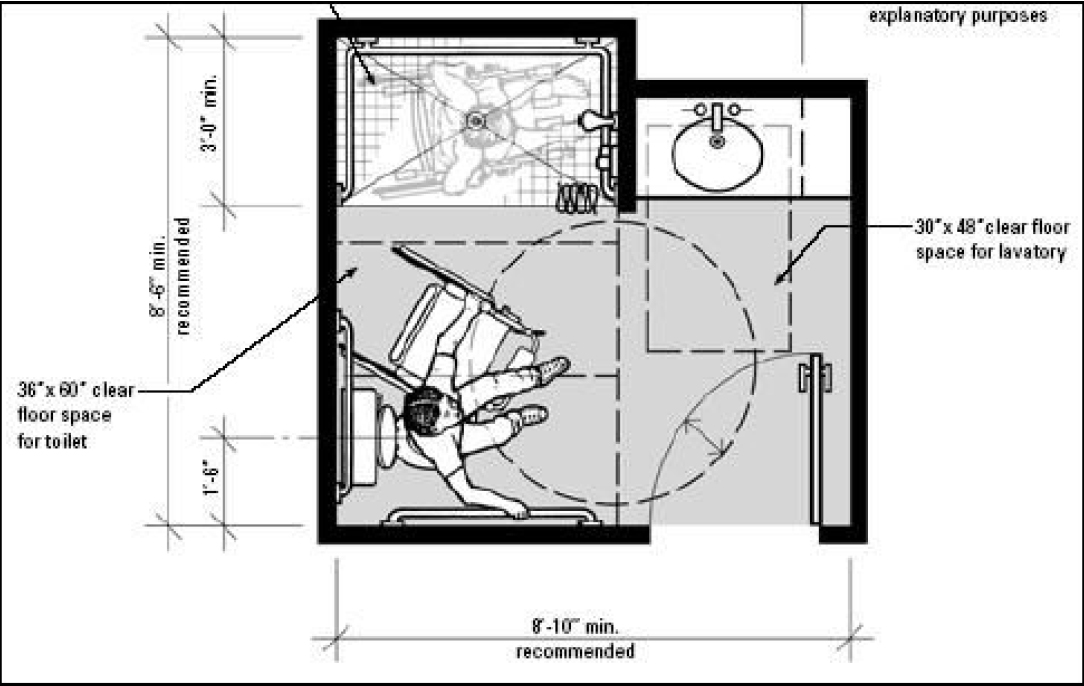
Allow enough space for wheelchair movement and turning. A clear floor area of at least 60 inches in diameter is ideal. This space helps users maneuver easily without obstruction. Keep fixtures and furniture away from walking paths. Open space reduces the risk of accidents and enhances comfort.
Doorway Widths
Doorways must be wide enough for wheelchair access. The minimum width should be 32 inches, but 36 inches is better. Wider doorways improve accessibility and ease of entry. Use doors that open outward or slide to save space inside the bathroom. Avoid heavy doors that are hard to open.
Flooring Choices
Choose non-slip flooring to prevent falls and injuries. Materials like textured tiles or vinyl work well. Avoid rugs or mats that can cause tripping. Flooring should be easy to clean and maintain. Consider a smooth, level surface with no thresholds or steps.

Credit: www.roomsketcher.com
Accessible Fixtures
Accessible fixtures play a key role in handicap bathroom design plans. They offer comfort and independence to users with mobility challenges. Fixtures should be easy to reach and use. Safety and practicality must guide every choice.
Walk-in Showers
Walk-in showers provide easy access without the need to step over a tub edge. They reduce fall risks and create a spacious feel. Installing grab bars and a bench adds extra support. Non-slip flooring inside the shower is essential for safety.
Wheelchair-friendly Toilets
Wheelchair-friendly toilets have higher seats to ease sitting and standing. They offer enough space around for wheelchair maneuvering. Support bars beside the toilet help users transfer independently. The flush controls should be easy to reach and operate.
Adjustable Sinks
Adjustable sinks allow height changes to suit different users. They provide enough knee clearance for wheelchair users. Lever-style faucets are easier to use than knobs. The area under the sink should be open for comfort and accessibility.
Safety Features
Safety is the top priority in handicap bathroom design plans. Bathrooms must prevent falls and make daily tasks easier. Thoughtful safety features protect users and boost confidence. Simple changes can make a big difference in safety and comfort.
Grab Bars Placement
Grab bars help users keep balance and move safely. Place bars near the toilet, shower, and bathtub. Secure them at a height easy to reach while sitting or standing. Use sturdy materials to support full body weight. Proper placement reduces fall risk and adds stability.
Non-slip Surfaces
Non-slip flooring prevents slips on wet or smooth floors. Choose textured tiles or slip-resistant mats for all bathroom areas. Use non-slip coatings on bathtub and shower floors. Keep surfaces dry and clean to maintain grip. These surfaces enhance safety during daily routines.
Comfortable Seating
Seating provides rest and support in the bathroom. Include shower chairs or benches with secure grips. Seats should be stable, water-resistant, and easy to clean. Comfortable seating helps users maintain balance and reduces fatigue. It adds convenience and safety for all users.
Lighting And Visibility
Proper lighting and clear visibility play a vital role in handicap bathroom design plans. They ensure safety, ease of use, and independence for users with disabilities. Thoughtful lighting reduces accidents and enhances comfort in the space. Careful planning of brightness, control systems, and visual contrasts improves overall accessibility.
Bright, Even Lighting
Bright, even lighting removes shadows and dark spots in the bathroom. It helps users see obstacles and fixtures clearly. Use multiple light sources to spread light uniformly across the room. Avoid glare by selecting fixtures with diffusers or frosted covers. Bright lighting supports safe movement and task completion.
Motion-activated Lights
Motion-activated lights offer hands-free convenience and energy savings. They switch on automatically when someone enters the bathroom. This feature helps users who have limited mobility or use wheelchairs. It also prevents fumbling for switches in dim conditions. Motion sensors improve safety and create an accessible environment.
Contrast For Visual Aid
Using contrast in colors and textures improves visibility for users with low vision. Highlight edges of counters, grab bars, and door frames with contrasting colors. Contrast helps users quickly identify objects and navigate safely. Choose non-reflective surfaces to reduce glare and eye strain. Clear visual cues support independent use of the bathroom.
Space Optimization
Optimizing space in a handicap bathroom design is essential for comfort and safety. A well-planned layout allows easy movement and access to all fixtures. Smart choices in fixture placement and storage help maximize usable area. This approach supports independence and reduces the risk of accidents.
Wall-mounted Fixtures
Wall-mounted fixtures save floor space and create a cleaner look. Sinks and toilets fixed to the wall free up room underneath. This space allows wheelchair users to get closer and move freely. Wall-mounted faucets and soap dispensers also make reaching easier. These fixtures simplify cleaning and reduce clutter.
Storage Solutions
Good storage keeps essential items within easy reach. Use shelves and cabinets that open outward for better access. Avoid deep or narrow storage that can be hard to use. Consider pull-out drawers or baskets for quick access. Labeling storage helps users find what they need fast. Keep the floor area clear by using vertical storage.
Clear Floor Space
Clear floor space is crucial for wheelchair maneuverability. Follow ADA guidelines for minimum turning radius and pathways. Remove unnecessary furniture or obstacles that block movement. Use non-slip flooring to enhance safety in open areas. Keep pathways wide enough for easy entry and exit. Clear space reduces stress and promotes independence.
Credit: liveinplacedesigns.com
Technology Integration
Technology integration enhances handicap bathroom design plans. It offers comfort and independence. Smart devices simplify daily routines and improve accessibility. These advancements support users in safe, efficient bathroom use.
Smart Controls
Smart controls allow easy management of bathroom features. Users adjust lighting, temperature, and ventilation remotely. Touch panels or smartphone apps provide simple interfaces. These controls reduce physical effort and increase convenience.
Voice-activated Features
Voice-activated features enable hands-free operation of many functions. Users can control lights, faucets, and toilets by speaking commands. This technology is ideal for people with limited mobility. It promotes independence and a user-friendly experience.
Automated Doors
Automated doors open and close without manual force. Sensors detect motion or remote commands to operate doors smoothly. This feature helps wheelchair users and those with strength challenges. It improves safety and accessibility in the bathroom space.
Aesthetic And Comfort
Designing a handicap bathroom means blending beauty with comfort. These spaces must feel welcoming and easy to use. Thoughtful design lifts mood and supports daily routines.
Aesthetic and comfort are key to creating a bathroom that suits all users. The right elements bring style without sacrificing function. The result is a room that is both elegant and practical.
Stylish Design Elements
Choose fixtures with smooth lines and simple shapes. Rounded edges improve safety and add a modern look. Wall-mounted sinks free up floor space and help wheelchair users move easily.
Use grab bars that look like part of the design. Brushed metal or color-matched bars blend with decor. Mirrors should be placed low and tilted for easy viewing from a seated position.
Color Schemes
Soft, calming colors create a peaceful atmosphere. Light blues, greens, and neutrals brighten the space and make it feel larger. Contrast between walls and floors helps those with vision challenges.
Use darker tones for grab bars or fixtures to make them easier to see. Avoid overly bright or harsh colors, which can be tiring to the eyes. Balance color for a soothing, safe environment.
Material Selection
Choose non-slip flooring to prevent accidents. Vinyl, textured tiles, or rubber mats offer good grip. Walls should have moisture-resistant paint or tiles to avoid damage.
Countertops made from solid surface materials resist stains and are easy to clean. Avoid sharp edges to reduce injury risk. Select durable materials that stand up to daily use and keep the space fresh.

Credit: www.archdaily.com
Compliance And Standards
Designing a handicap bathroom requires strict adherence to rules. Compliance ensures safety and usability for everyone. Standards guide the layout, fixtures, and features. Ignoring these rules can lead to costly fixes and legal issues. Meeting these requirements creates a functional and welcoming space.
Ada Guidelines
The Americans with Disabilities Act (ADA) sets the main rules. It defines clear measurements for door widths and turning spaces. Grab bars must be installed at specific heights. Sinks and counters need to be accessible from a wheelchair. The guidelines cover toilet placement and shower access. Following ADA ensures your bathroom is usable by all.
Local Building Codes
Local codes may have extra or different rules. These vary by city or state, so check them carefully. They often include plumbing, ventilation, and electrical standards. Some areas require permits before starting any remodel. Meeting local codes keeps your project legal and safe. Always consult local authorities before finalizing plans.
Certification Tips
Certification proves your bathroom meets all standards. Hire a professional inspector to review your design. Keep detailed records of materials and measurements. Use certified fixtures that comply with ADA and local codes. Early inspections can avoid costly rework later. Certification adds value and peace of mind to your project.
Cost Considerations
Cost is a key factor in planning handicap bathroom designs. Understanding expense helps create practical and suitable solutions. Budgeting carefully ensures the project meets both needs and financial limits.
Budget Planning
Start by listing all required changes and their prices. Include materials, labor, and permits. Plan for unexpected costs to avoid surprises. Prioritize essential features to stay within budget. Research local costs to get accurate estimates.
Affordable Upgrades
Small changes can improve accessibility without high costs. Install grab bars and non-slip mats as basic upgrades. Adjusting sink and toilet heights may be affordable. Use simple lighting improvements for better visibility. These upgrades enhance safety and comfort cheaply.
Long-term Investment
Accessible bathrooms add value to your home. They support independence and reduce future care expenses. Thoughtful design can lower injury risks and medical bills. Durable materials help avoid frequent repairs. Consider the lasting benefits beyond initial costs.
Frequently Asked Questions
How To Design A Handicap Accessible Bathroom?
Design a handicap accessible bathroom by widening doorways, installing grab bars, using walk-in showers, adjusting fixture heights, and adding non-slip floors. Ensure ample maneuvering space and bright lighting for safety and comfort.
What Is The Golden Rule For Bathroom Layouts?
The golden rule for bathroom layouts is to ensure functionality, comfort, and accessibility by optimizing space, fixture placement, and clear pathways.
What Is A Good Size For A Handicap Bathroom?
A good size for a handicap bathroom is at least 60 inches by 60 inches to allow wheelchair maneuverability. Ensure clear floor space and accessible fixtures for safety and comfort.
How Much Does It Cost To Build A Handicap Bathroom?
Building a handicap bathroom typically costs between $5,000 and $15,000. Costs vary by fixtures, layout, and accessibility features.
Conclusion
Designing a handicap bathroom improves safety and comfort daily. Clear space and grab bars help users move easily. Walk-in showers and adjusted sink heights add convenience. Proper lighting and non-slip floors prevent accidents effectively. Thoughtful planning makes bathrooms accessible for everyone.
Small changes create big differences in usability. Keep user needs central in every design step. Accessible bathrooms support independence and dignity at home.