
When it comes to running a successful restaurant, every detail matters — including your bathroom design. You might not have thought much about how your restroom impacts your guests, but it plays a huge role in their overall experience.
Imagine stepping into a clean, stylish, and thoughtfully designed bathroom that makes you feel comfortable and cared for. That feeling stays with your customers and encourages them to come back. You’ll discover smart bathroom design ideas tailored for restaurants that can elevate your space, impress your guests, and even boost your reputation.
Ready to transform your restaurant’s bathroom into a standout feature? Let’s dive in.
Design Styles For Restaurant Bathrooms
Restaurant bathrooms offer a unique chance to enhance guest experience. Thoughtful design styles make these spaces inviting and memorable. These styles blend function with aesthetics to match a restaurant’s theme.
Choosing the right style sets the tone for comfort and cleanliness. It also reflects the restaurant’s personality. Here are popular design styles for restaurant bathrooms.
Modern Minimalist
Modern minimalist design uses clean lines and simple shapes. The focus lies on uncluttered spaces with neutral colors. Fixtures are sleek and functional. Lighting is bright but soft, creating a calm atmosphere. This style suits contemporary restaurants aiming for a fresh look.
Rustic Charm
Rustic charm adds warmth through natural materials like wood and stone. Earthy tones and vintage accessories create a cozy feel. Handcrafted details and textured surfaces bring character. This style fits well with countryside or farmhouse-themed restaurants.
Industrial Edge
Industrial edge showcases raw materials such as metal and concrete. Exposed pipes and brick walls highlight an urban vibe. Lighting fixtures often have a vintage factory look. This style appeals to trendy, modern eateries with an edgy spirit.
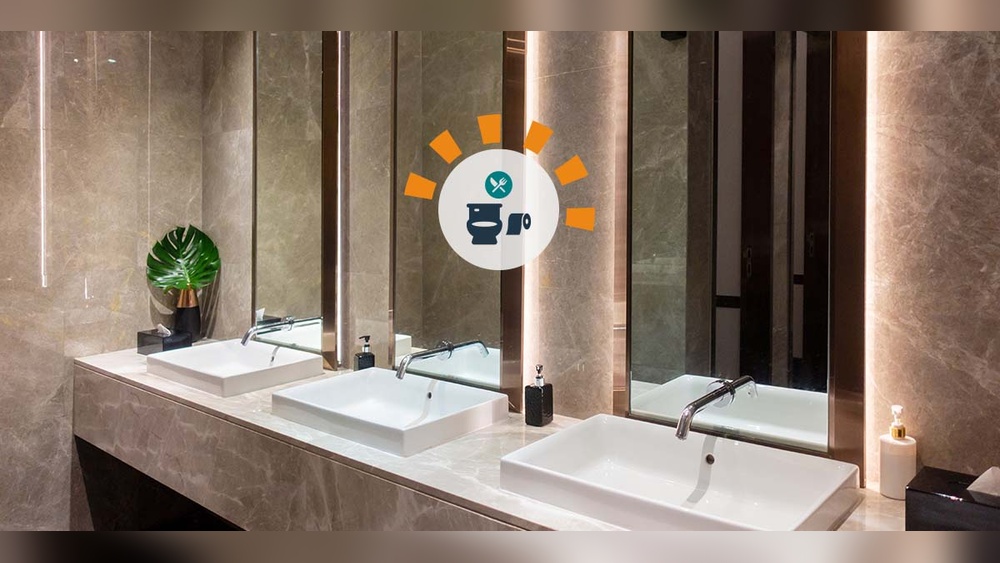
Luxurious Elegance
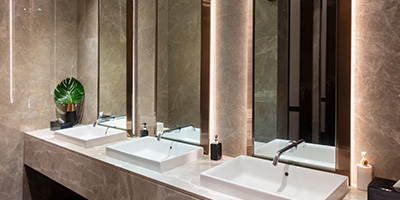
Luxurious elegance features high-end materials and polished finishes. Marble countertops, gold accents, and soft lighting convey sophistication. Large mirrors and plush textures add comfort. Ideal for upscale restaurants aiming to impress guests.
Credit: www.lightspeedhq.com
Choosing Materials And Finishes
Choosing the right materials and finishes is key to a successful restaurant bathroom design. These elements must balance style and practicality. They need to endure heavy use while enhancing the space’s look. Careful selection ensures a lasting and attractive bathroom.
Materials should resist moisture, stains, and daily wear. Finishes affect cleaning ease and overall hygiene. The following sections highlight important options for restaurant bathrooms.
Durable Surfaces
Countertops and sinks must handle constant use and cleaning. Solid surfaces like quartz or granite resist scratches and stains. Stainless steel is another strong choice for sinks and fixtures. These materials keep their appearance over time. They reduce maintenance needs and save costs.
Water-resistant Flooring
Floors face frequent spills and moisture in bathrooms. Porcelain or ceramic tiles resist water and stay safe underfoot. Vinyl flooring offers durability and slip resistance. Choose flooring that cleans easily and prevents mold growth. Proper flooring protects the structure and ensures guest safety.
Stylish Wall Treatments
Walls must look good and withstand humidity. Ceramic tiles or glass panels offer both function and style. They are easy to wipe clean and do not absorb water. Painted walls need moisture-resistant paint to prevent peeling. Well-chosen wall treatments complete the bathroom’s design.
Eco-friendly Options
Green materials reduce environmental impact and appeal to eco-conscious diners. Bamboo and recycled glass tiles offer natural beauty and durability. Low-VOC paints improve indoor air quality. Water-saving fixtures and sustainable finishes support eco-friendly goals. These choices create a healthier, greener space.
Lighting Techniques
Lighting plays a key role in restaurant bathroom design. It sets the mood and affects the overall experience. Good lighting makes the space feel clean, safe, and welcoming. Different lighting styles help highlight features and guide guests through the area.
Using the right lighting techniques can transform a simple bathroom into a stylish and functional space. It also supports hygiene by providing clear visibility. Below are essential lighting techniques for restaurant bathrooms.
Ambient Lighting
Ambient lighting provides overall illumination in the bathroom. It ensures the space is bright and easy to navigate. Soft, even light reduces shadows and glare. Ceiling-mounted fixtures or recessed lights work well for this purpose. This type of lighting creates a calm and inviting environment for guests.
Task Lighting
Task lighting focuses on specific areas where activities occur. Mirrors and sinks need bright, clear light for grooming tasks. Wall sconces or strip lights near mirrors help guests see clearly. Proper task lighting improves functionality and guest comfort. It reduces eye strain and enhances the user experience.
Accent Features
Accent lighting highlights decorative elements and architectural details. It adds depth and character to the bathroom design. LED strips or spotlights can emphasize art, tiles, or unique fixtures. This lighting creates visual interest and elevates the bathroom’s style. Accent lights make the space memorable and distinct.
Natural Light Integration
Natural light improves mood and energy in any space. Large windows or skylights bring daylight into the bathroom. This connection to the outdoors makes the area feel fresh and airy. Natural light also reduces the need for artificial lighting during the day. It is a sustainable and pleasant choice for restaurant bathrooms.
Credit: www.dumpsters.com
Fixtures And Hardware
Fixtures and hardware shape the overall feel of a restaurant bathroom. They blend style, function, and hygiene. Choosing the right elements ensures comfort and durability. Every piece adds to the guest experience and reflects the restaurant’s brand.
Sinks And Faucets
Sinks and faucets must be sturdy and easy to clean. Materials like stainless steel or porcelain work well. Faucets with smooth handles or lever designs offer better control. Matching the style to the restaurant’s theme creates a unified look.
Toilets And Urinals
Toilets and urinals need to save water and reduce odors. Models with efficient flushing systems help cut costs. Wall-mounted options free up floor space and simplify cleaning. Comfort and privacy remain key for every visitor.
Mirrors And Accessories
Mirrors brighten the space and improve functionality. Large, clear mirrors make the room feel bigger. Accessories like soap dispensers and towel holders should be sturdy. Coordinated styles keep the bathroom neat and inviting.
Touchless Technology
Touchless fixtures boost hygiene and convenience. Sensors for faucets, soap, and hand dryers reduce germ spread. This technology suits busy restaurants with high foot traffic. Easy-to-use and clean, it improves guest satisfaction.
Creative Layouts And Space Planning
Creative layouts and space planning are crucial for designing an effective restaurant bathroom. A well-thought-out plan enhances comfort and usability. It ensures every inch of space serves a purpose. Good design also supports the restaurant’s overall vibe. Here, we explore key ideas that improve space use and guest experience.
Maximizing Small Spaces
Small restaurant bathrooms need smart use of space. Compact fixtures save room without losing function. Vertical storage helps keep essentials organized and accessible. Light colors and mirrors create a sense of openness. Clear lines and simple designs avoid clutter and confusion.
Separate Zones For Privacy
Dividing the bathroom into zones offers privacy and convenience. Separate areas for sinks, toilets, and handwashing reduce crowding. This design supports multiple guests at once. Sound barriers and partitions improve comfort. Personal space makes the bathroom feel more welcoming.
Efficient Traffic Flow
Good traffic flow prevents bottlenecks and long waits. Arrange fixtures to guide guests naturally through the space. Entrances and exits should be easy to access. Avoid placing obstacles in busy paths. Clear signage directs guests quickly and smoothly.

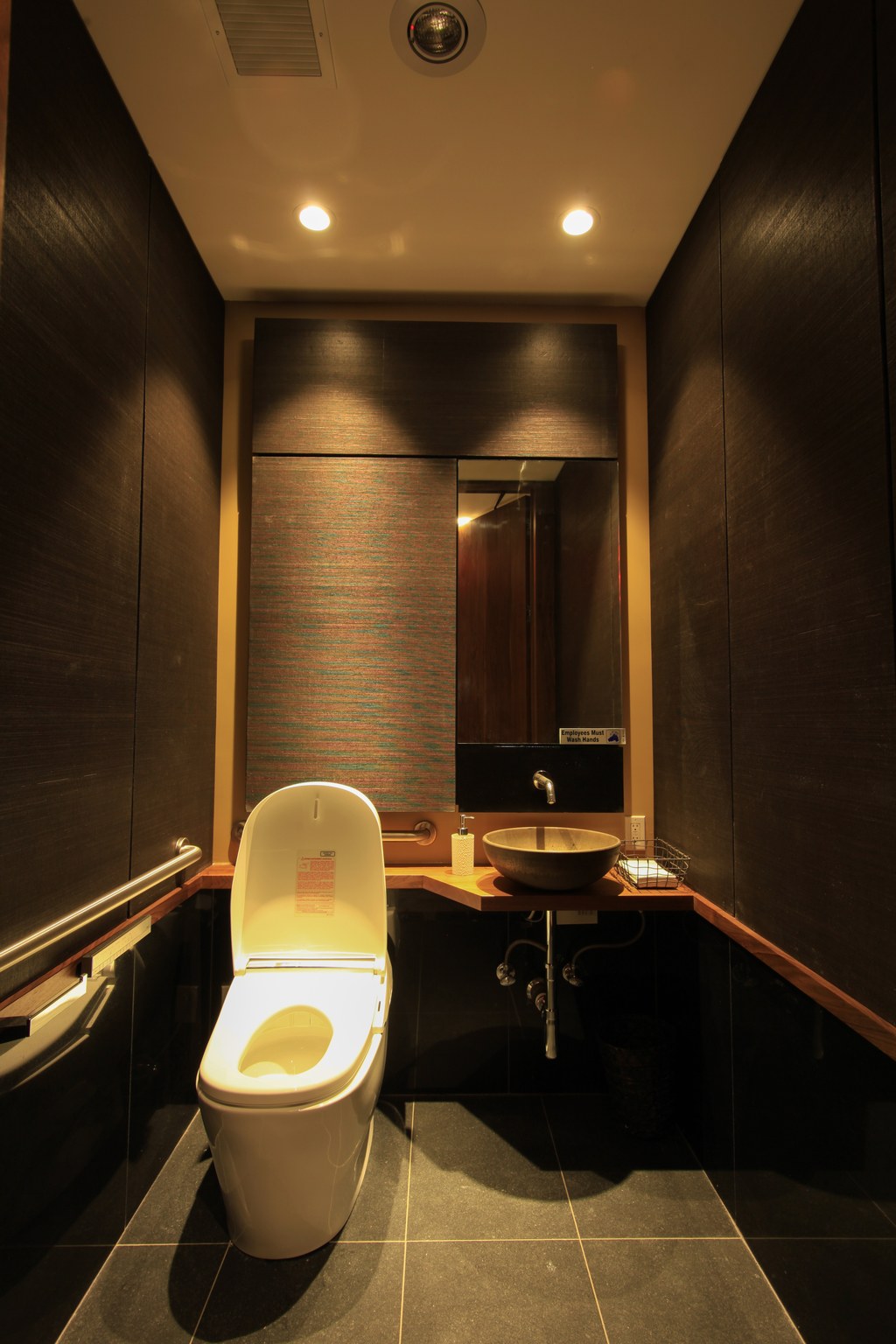
Credit: sterlingworks.net
Hygiene And Maintenance
Maintaining cleanliness in a restaurant bathroom is vital for a positive guest experience. A clean bathroom reflects the overall hygiene of the restaurant. It also reduces health risks for visitors and staff.
Design choices affect how easy it is to keep bathrooms clean and sanitary. Choosing the right materials and systems can save time and effort in daily maintenance. Below are key design elements that improve hygiene and upkeep.
Easy-to-clean Surfaces
Use materials like ceramic tiles or stainless steel. These surfaces resist stains and water damage. They also prevent mold and bacteria buildup. Smooth finishes make wiping and scrubbing faster. Avoid porous materials that trap dirt and germs.
Ventilation Solutions
Good airflow reduces moisture and bad odors. Install exhaust fans that run continuously or on sensors. Proper ventilation keeps walls and ceilings dry. It lowers chances of mold growth. Fresh air helps maintain a pleasant environment.
Sanitizing Stations
Place hand sanitizer dispensers near the entrance and sinks. Easy access encourages guests to clean hands often. Use touchless dispensers to reduce germ spread. Regularly refill and check these stations for proper function.
Incorporating Branding And Theme
Incorporating branding and theme into a restaurant bathroom design creates a seamless guest experience. The restroom becomes an extension of the restaurant’s identity. This approach reinforces the brand and leaves a lasting impression on visitors. Thoughtful design choices build a cohesive atmosphere throughout the space.
Color Schemes Reflecting Brand
Choosing colors that match the restaurant’s brand is key. Use the brand’s primary and secondary colors for walls and fixtures. These colors create a visual connection with the dining area. Soft, inviting hues enhance comfort. Bold colors add energy and excitement. Consistent color schemes support brand recognition and mood.
Custom Artwork And Murals
Artwork tailored to the restaurant’s theme adds personality. Murals can depict local scenes, food ingredients, or abstract designs. This art brings life and interest to the bathroom walls. Custom pieces make the space feel unique and memorable. They also reflect the restaurant’s story and values. Art transforms a functional space into a creative one.
Unique Signage And Decor
Distinctive signage guides guests while showcasing brand style. Signs can include logos, playful fonts, or themed graphics. Decor items like vintage mirrors or artisan fixtures enhance character. Using branded elements on soap dispensers and towels adds detail. These touches enrich the guest experience and reinforce identity. Unique decor turns the bathroom into a branded environment.
Sustainability In Bathroom Design
Sustainability in bathroom design plays a crucial role in creating eco-friendly restaurant spaces. It helps reduce water and energy use, lowering the overall environmental impact. Sustainable bathrooms also promote a positive image for restaurants, showing care for the planet and customers. Simple changes can make a big difference in saving resources and cutting costs.
Water-saving Fixtures
Water-saving fixtures cut down water use significantly. Low-flow toilets and faucets use less water per flush or minute. Sensor-activated taps stop water waste by running only when needed. These fixtures keep the bathroom efficient without losing comfort or hygiene. They help restaurants reduce water bills and preserve local water supplies.
Energy-efficient Lighting
Energy-efficient lighting uses less electricity while providing bright light. LED bulbs last longer and consume less power than traditional bulbs. Motion sensors switch lights off when no one is in the bathroom. This reduces energy waste during slow hours. Using natural light through windows or skylights also lowers energy needs.
Recycled And Sustainable Materials
Choosing recycled and sustainable materials lowers environmental damage. Recycled tiles, wood, and countertops reduce waste and resource use. Bamboo and cork are renewable materials that grow quickly and look stylish. Non-toxic paints and sealants improve indoor air quality. These materials create healthier spaces for guests and staff.
Guest Experience Enhancements
Enhancing the guest experience in restaurant bathrooms goes beyond cleanliness. Thoughtful design creates a welcoming and relaxing space. Guests notice details that make their visit comfortable and enjoyable. These enhancements can leave a positive impression and encourage repeat visits.
Comfort Features
Comfort in restaurant bathrooms improves guest satisfaction. Soft lighting helps create a calm atmosphere. High-quality hand dryers or paper towels add convenience. Spacious stalls and clean surfaces give guests peace of mind. Comfortable seating areas near sinks can also be appreciated.
Aromatherapy And Sound
Subtle scents improve the bathroom environment. Natural fragrances like lavender or eucalyptus promote relaxation. Sound elements reduce noise and add privacy. Gentle background music or water sounds help guests feel at ease. These sensory touches make the space more inviting.
Accessibility Considerations
Accessible design is crucial for all guests. Wider doorways and grab bars support those with mobility needs. Clear signage helps everyone find facilities easily. Lower sinks and hand dryers accommodate wheelchair users. Accessibility features show respect and care for all visitors.
Inspiration From Notable Restaurants
Restaurants often inspire bathroom designs that blend style and function. These spaces reflect the restaurant’s theme and enhance guest experience. Drawing ideas from notable restaurants helps create bathrooms that impress and comfort.
Iconic Designs
Many famous restaurants feature bathrooms with unique, memorable designs. Some use bold colors and artistic tiles. Others highlight vintage or modern decor. These iconic styles create lasting impressions on visitors. They show how design can tell a story.
Innovative Concepts
Innovative restaurant bathrooms use smart layouts and eco-friendly materials. Touchless faucets and automatic lighting improve hygiene. Creative use of mirrors and lighting makes spaces look bigger. Some include art installations or interactive elements. These ideas make bathrooms both practical and interesting.
Award-winning Bathrooms
Restaurants with award-winning bathrooms set high design standards. Judges often praise creativity, comfort, and cleanliness. These bathrooms inspire others to raise their design quality. Winning designs combine beauty with ease of use. They prove that great bathrooms boost a restaurant’s reputation.
Frequently Asked Questions
What Are Key Elements Of Restaurant Bathroom Design?
Key elements include cleanliness, accessibility, stylish fixtures, and good lighting. These ensure comfort, hygiene, and a pleasant experience for guests.
How Can Lighting Improve Restaurant Bathroom Ambiance?
Proper lighting enhances mood and highlights design features. It creates a welcoming atmosphere and ensures safety and functionality.
Why Is Accessibility Important In Restaurant Bathrooms?
Accessibility ensures all guests, including those with disabilities, can use facilities comfortably. It complies with legal standards and improves customer satisfaction.
What Materials Work Best For Restaurant Bathroom Surfaces?
Durable, water-resistant materials like ceramic tiles, stainless steel, and quartz are ideal. They are easy to clean and maintain hygiene.
Conclusion
A well-designed restaurant bathroom boosts guest comfort and satisfaction. Cleanliness and style create a lasting positive impression. Thoughtful layouts improve traffic flow and ease of use. Using durable materials ensures long-term performance and easy maintenance. Small details like lighting and decor add charm and warmth.
Prioritizing both function and aesthetics enhances the overall dining experience. A great bathroom design reflects the restaurant’s quality and care. It invites guests to return and share their positive experience.