
Are you looking to transform your home with a floor that combines beauty and character? A textured wood floor might be exactly what you need.
Not only does it add warmth and depth to any room, but its unique surface creates a natural, inviting feel that smooth floors can’t match. Whether you want to highlight the grain, embrace rustic charm, or bring modern elegance, understanding wood floor textures can help you make the perfect choice for your space.
Keep reading to discover how texture wood floors can elevate your home’s style and why they’re becoming a top trend in Austin and beyond.
Wood Floor Materials
Choosing the right wood floor material shapes the look and feel of any space. Wood floors add warmth and natural beauty to homes and offices. Various wood floor materials offer unique textures and benefits. Each type suits different needs, budgets, and styles. Understanding these materials helps in making smart decisions for long-lasting floors.
Solid Wood Options
Solid wood floors come from a single piece of timber. They offer authentic beauty and durability. Species like oak, maple, and cherry are popular choices. These floors can be sanded and refinished multiple times. They respond well to changes in humidity. Solid wood floors create a timeless, classic look.
Engineered Wood Benefits
Engineered wood features layers of wood veneer. It provides greater stability than solid wood. This makes it ideal for areas with moisture changes. Engineered wood is easier to install and less prone to warping. It often costs less and comes in varied finishes. It blends natural wood look with modern technology.
Reclaimed Wood Choices
Reclaimed wood comes from old buildings or barns. It offers a rustic and unique character. Using reclaimed wood supports sustainability and reduces waste. Each plank has a story, adding charm to floors. It may show natural wear and knots. Reclaimed wood floors bring history and warmth into any room.
Popular Wood Textures
Wood floors come in many textures that change their look and feel. Popular wood textures add character and style to any room. They also affect how the floor feels underfoot and how it ages over time. Choosing the right texture can make a big difference.
Smooth And Polished
Smooth and polished wood floors have a sleek, shiny surface. This texture shows off the wood grain clearly. It gives a clean, modern look to rooms. The polished finish also makes the floor easy to clean. It works well in spaces that need a bright and elegant touch.
Wire-brushed And Distressed
Wire-brushed wood has a rough texture created by brushing the surface with steel wires. This process removes the soft wood, leaving the grain raised. Distressed wood adds marks and dents for a worn, rustic look. Both textures hide scratches well and add warmth to a room. They fit perfectly in casual or vintage-style spaces.
Hand-scraped Surfaces
Hand-scraped wood floors feature unique, uneven grooves made by artisans. This texture gives the floor an old-world charm. Each plank looks different, adding character and depth. Hand-scraped floors feel warm and inviting. They work well in homes with traditional or farmhouse décor.
Trendy Plank Styles
Wood floors bring warmth and style to any space. Choosing the right plank style can transform your room’s look. Trendy plank styles offer a mix of modern and classic designs. These styles suit many tastes and room sizes. They create texture and depth, enhancing the wood floor’s natural beauty.
Wide Planks For Spacious Feel
Wide plank floors use boards that are broader than standard planks. This style opens up the room, making it feel larger. Wide planks show off wood grain and knots beautifully. They work well in open floor plans and large spaces. Their clean, simple lines add a modern touch.
Mixed Widths For Visual Interest
Mixed width flooring combines planks of different sizes. This creates a unique and dynamic pattern on the floor. The varying widths add texture and depth to your space. It suits rustic and contemporary homes alike. This style breaks the monotony of uniform floors.
Classic Herringbone And Chevron
Herringbone and chevron are timeless plank patterns. Both use angled boards to form V-shaped designs. Herringbone has a broken zigzag effect. Chevron features a continuous, straight zigzag. These patterns add elegance and sophistication to floors. They fit well in traditional and modern interiors.
Credit: castlebespokeflooring.com
Color Palettes
Choosing the right color palette for textured wood floors shapes the room’s atmosphere. Wood floors come in many colors, each bringing its own mood and style. The palette you select can highlight your interior design and improve your home’s appeal. Understanding popular color choices helps in making a smart decision.
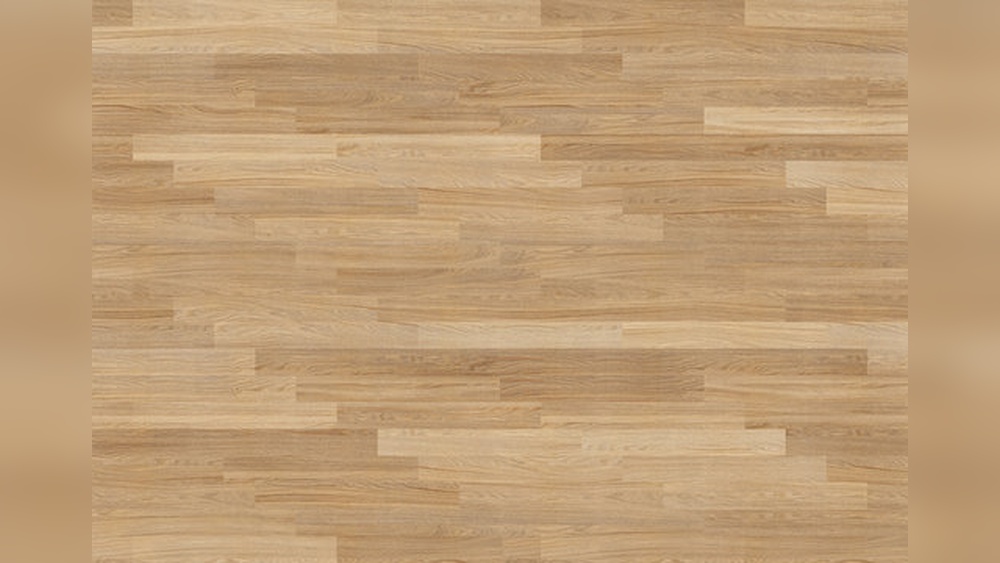
Light Natural Tones
Light natural tones create a fresh and open feel. Shades like pale oak, maple, and birch brighten spaces. They reflect more light, making rooms appear larger. These tones suit modern and minimalist designs well. Light floors blend easily with various furniture styles.
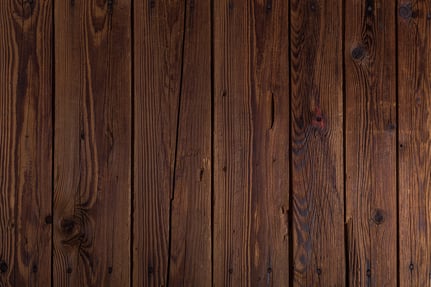
Rich Dark Shades
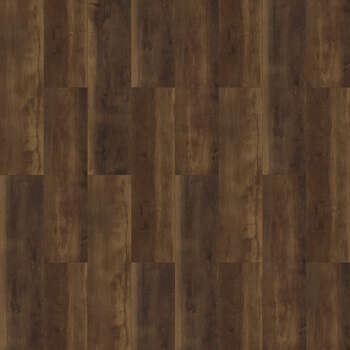
Rich dark shades add warmth and depth to interiors. Walnut, mahogany, and cherry are common dark woods. They create a cozy, elegant atmosphere. Dark floors contrast beautifully with lighter walls and decor. These shades work well in traditional and luxurious settings.
Neutral And Grey Hues
Neutral and grey hues offer a modern, versatile look. Grey wood floors fit many color schemes and styles. They hide dirt and scratches better than lighter colors. Neutral tones provide a calm and balanced backdrop. These palettes are popular in contemporary and industrial designs.
Finishes And Sheens
Choosing the right finish and sheen for your texture wood floor affects its look and durability. Finishes protect the wood while highlighting its natural beauty. Sheens range from soft and subtle to bright and shiny. Each option suits different styles and needs.
Matte And Low Sheen
Matte and low sheen finishes give floors a natural, soft look. They hide scratches and dirt well. These finishes suit rustic and modern designs. They reflect little light, creating a calm atmosphere. Matte floors feel smooth but not slippery.
Glossy And Satin Options
Glossy finishes add shine and drama to wood floors. They reflect more light and brighten rooms. Satin finishes offer a balance, with a soft glow. Both finishes highlight the wood grain and texture. Glossy floors need more cleaning to keep their shine.
Protective Coatings
Protective coatings guard floors against wear and stains. Polyurethane is a common choice for strong protection. Oil-based coatings deepen wood color and add warmth. Water-based coatings dry faster and have less odor. Regular maintenance extends the life of any coating.
Credit: www.textures.com
Eco-friendly Flooring
Choosing eco-friendly flooring helps protect the environment. Texture wood floors can be both beautiful and sustainable. They add warmth and natural beauty to your home. Selecting the right materials reduces waste and pollution. This section explores eco-friendly options for wood flooring.
Sustainable Wood Sources
Sustainable wood comes from forests managed with care. Trees are harvested without harming the ecosystem. This practice allows forests to regrow naturally. Certification programs like FSC ensure responsible wood sourcing. Using sustainable wood supports healthy forests and wildlife.
Recycled And Reclaimed Choices
Recycled wood uses leftover materials from other projects. Reclaimed wood comes from old buildings or furniture. Both options reduce the demand for new trees. They add unique character and history to floors. Choosing recycled or reclaimed wood lowers landfill waste.
Low-voc Finishes
Low-VOC finishes release fewer harmful chemicals into the air. They improve indoor air quality and reduce health risks. These finishes protect the wood while being environmentally friendly. Choosing low-VOC options makes your home safer and greener. They keep the natural look of textured wood floors.
Installation Patterns
Texture wood floors bring warmth and charm to any room. The way you install the wood planks changes the whole look. Different installation patterns create unique styles and visual effects. Choosing the right pattern can enhance the room’s size, style, and feel. Here are some popular installation patterns for textured wood floors.
Straight Lay
Straight lay is the simplest and most common pattern. Planks are laid parallel to the walls. This creates a clean and classic look. It works well in most rooms and styles. Straight lay highlights the natural texture of the wood. This pattern also makes the room appear longer or wider.
Diagonal And Chevron
Diagonal installation places planks at a 45-degree angle to the walls. This adds interest and movement to the floor. It can make small rooms look larger. Chevron is a variation where planks meet in a sharp “V” shape. This creates a stylish, zigzag pattern. Both diagonal and chevron add a modern touch to wood floors.
Herringbone Layouts
Herringbone is a classic pattern with planks laid in a zigzag design. Each plank overlaps the next at a right angle. This pattern adds texture and depth to the floor. It suits both traditional and contemporary interiors. Herringbone floors draw attention and add elegance to any space.
Adding Texture Indoors
Adding texture indoors creates warmth and visual interest. Wood floors offer a natural, rich surface that feels inviting. Combining wood with other elements enhances the room’s depth and character. Texture brings life to spaces, making them cozy and appealing.
Layering With Rugs And Furniture
Layering wood floors with rugs softens the look and adds comfort. Rugs introduce patterns and colors that contrast with wood grains. Furniture with different materials and shapes complements the floor’s texture. This mix creates balance and makes the room feel complete.
Combining Wood With Other Materials
Pair wood flooring with stone, metal, or glass for varied textures. Stone adds ruggedness while metal brings a sleek touch. Glass accents reflect light, enhancing the wood’s natural shine. Using different materials together highlights the unique texture of each.
Using Wood Accents And Panels
Wood accents and panels on walls or ceilings continue the floor’s texture theme. These details add warmth and a sense of unity throughout the room. Choose wood with varied grains or finishes to create subtle texture contrasts. This approach enriches the indoor environment with natural beauty.
Maintenance Tips
Maintaining textured wood floors keeps their unique beauty and durability intact. Regular care helps preserve the natural grain and pattern. Small efforts prevent damage and extend floor life. Follow simple steps for cleaning, scratch prevention, and finish restoration.
Cleaning And Care
Use a soft broom or vacuum with a hardwood attachment. Avoid harsh chemicals; choose pH-neutral cleaners. Wipe spills immediately to stop stains. Damp mop floors with a microfiber cloth. Do not use excessive water as it can warp wood. Clean regularly to keep floors looking fresh and vibrant.
Preventing Scratches
Place felt pads under furniture legs. Use rugs in high-traffic areas to reduce wear. Avoid walking on floors with sharp objects or heels. Trim pets’ nails to prevent scratching. Move furniture carefully to avoid dragging. These steps protect your textured wood floors from damage.
Restoring Texture And Finish
Lightly sand worn areas to refresh texture. Apply wood finish or sealant following product instructions. Use products designed for textured wood surfaces. Regularly refresh the finish to maintain shine and protection. Professional refinishing may be needed for deep damage. Proper restoration keeps floors looking new longer.

Credit: www.havwoods.com
Frequently Asked Questions
How To Add Wooden Texture?
Apply a wooden texture by selecting wood grain images or patterns. Use graphic software to overlay or blend it on your surface. Adjust scale and opacity to achieve a natural look. Save and export your textured design for use in projects or presentations.
What Is The Newest Trend In Hardwood Floors?
The newest hardwood floor trends feature wide planks, eco-friendly materials, and unique patterns like herringbone. Natural wood tones with low-sheen or matte finishes remain popular.
What Is Wood Texture Called?
Wood texture is called “grain. ” It refers to the natural patterns and lines formed by wood fibers. Grain affects wood’s appearance and feel.
What Is The Most Realistic Fake Wood Flooring?
The most realistic fake wood flooring is luxury vinyl plank (LVP) with high-definition textures and embossed wood grain. It mimics natural wood closely.
Conclusion
Texture wood floors add warmth and character to any room. They offer natural beauty that lasts for years. Choosing the right texture can enhance your home’s style. Maintenance is simple and keeps floors looking fresh. Invest time in selecting quality wood for best results.
Texture wood floors create a cozy and inviting space. Enjoy the timeless appeal and durability they bring to your home.