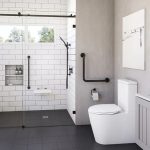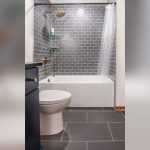

Designing a bathroom that truly meets your needs can transform daily routines into moments of ease and comfort. If you or a loved one requires a space that’s accessible and safe, you’ll want to focus on features that make movement simple and independent.
Imagine stepping into a bathroom where wide doorways welcome you, a curbless shower eliminates barriers, and grab bars offer steady support exactly where you need them. Whether it’s the height of the toilet, the reachability of the sink, or the placement of shower controls, every detail matters.
In this guide, you’ll discover practical bathroom designs tailored for disabled individuals—ideas that blend safety, style, and functionality—so you can create a space that feels just right for you. Keep reading to learn how to make your bathroom both accessible and inviting.
Credit: www.bathingsolutions.co.uk
Wide Doorways And Entryways
Wide doorways and entryways play a key role in bathroom designs for disabled users. They ensure easy access and safe movement within the space. Narrow doors can limit wheelchair access and create hazards. Expanding door width helps accommodate mobility aids comfortably. This simple change enhances independence and confidence in using the bathroom.
Turning Radius Requirements
Bathrooms must allow enough space for wheelchair turning. A clear turning radius of at least 60 inches in diameter is standard. This space lets users turn around without difficulty. Proper turning radius reduces the risk of accidents and boosts comfort. Design plans should always include this measurement.
Non-slip Flooring Options
Flooring must prevent slips and falls in wet conditions. Non-slip tiles or textured vinyl are ideal choices. These materials offer good grip even when wet. Avoid glossy finishes that increase danger. Safety in bathroom flooring is essential for disabled users.
Curbless Shower Entries
Curbless showers remove barriers and create smooth entryways. They allow wheelchair users to roll directly into the shower area. This design improves accessibility and reduces tripping hazards. Curbless entries also simplify cleaning and maintenance.
Shower And Bathtub Designs
Designing showers and bathtubs for disabled users needs careful thought. These spaces must offer safety, comfort, and easy access. The right features can make bathing easier and more independent. Smart design choices improve daily routines and overall bathroom experience.
Roll-in And Walk-in Showers
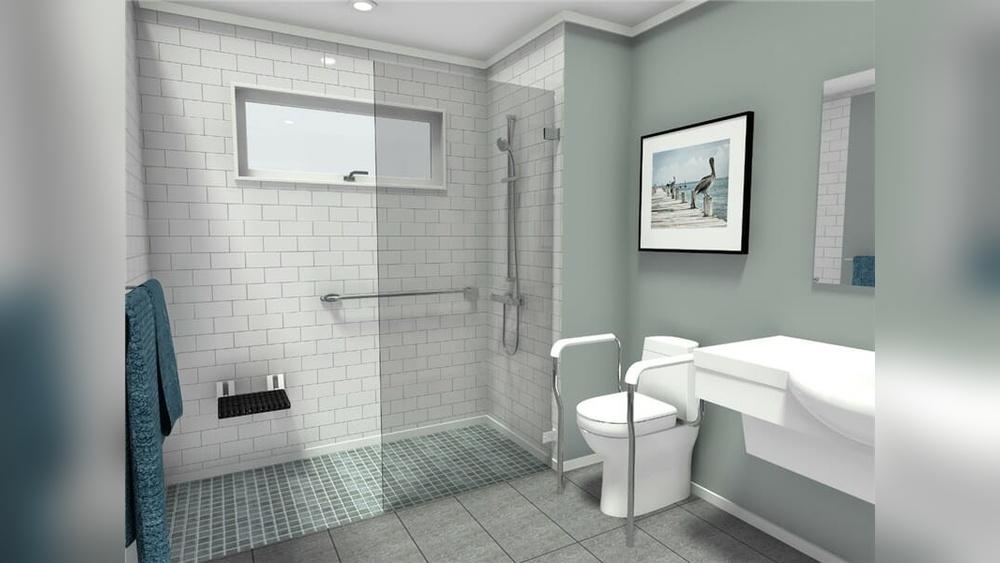
Roll-in showers have no steps or curbs. They allow wheelchairs to enter easily. Walk-in showers feature low or no thresholds. Both types prevent tripping and improve safety. Large, flat floors provide enough space to move comfortably. Non-slip surfaces reduce the risk of falls.
Pressure-balanced Shower Controls
Pressure-balanced controls keep water temperature steady. They stop sudden hot or cold bursts. This feature protects sensitive skin and prevents burns. Controls should be easy to reach and use. Lever handles or push buttons work well for limited hand strength.
Grab Bars For Stability
Grab bars offer support and balance inside showers and tubs. They should be securely mounted at reachable heights. Bars help users stand, sit, or move safely. Choosing rust-resistant, sturdy materials ensures durability. Strategic placement near seats and entry points is best.
Accessible Shower Accessories
Accessories improve convenience and independence in the shower. Handheld showerheads allow flexible water direction. Shower seats provide rest and comfort during bathing. Shelves and soap dishes should be within easy reach. These small additions create a user-friendly bathing space.
Toilet Accessibility Features
Toilet accessibility features are essential for creating a bathroom that supports independence and safety. These features help users with disabilities maintain comfort and dignity. Thoughtful design improves daily routines and reduces risks of falls or injuries.
Grab Bars Placement
Grab bars provide support and balance near the toilet. Place them on the side wall closest to the toilet and behind it. Make sure they are securely mounted at a height of 33 to 36 inches. Bars should be sturdy to hold full body weight. Proper placement allows easy transfers on and off the toilet.
Reachable Flush Controls
Flush controls must be easy to reach and operate. Position them on the side of the toilet facing the user. Consider lever-style handles or automatic flush systems. Controls should require minimal force to activate. This feature enhances independence and convenience for users.
Bidets And Washlets
Bidets and washlets improve hygiene and comfort for disabled users. They offer gentle water cleaning with simple controls. Many models include heated seats and air dryers. These features reduce the need for manual wiping. Installing bidets supports personal care in an accessible way.
Sink And Vanity Solutions
Sinks and vanities must be practical and accessible for disabled users. Thoughtful design improves comfort and safety. Choosing the right sink and vanity solutions makes daily routines easier.
Wall-mounted And Pedestal Sinks
Wall-mounted sinks provide clear space underneath. This allows wheelchair users to get closer to the sink. Pedestal sinks also offer open space, but with a stylish look. Both types avoid sharp corners and bulky cabinets.
Lowered Counter Heights
Lowered counters fit users in wheelchairs or with limited reach. Counters around 30 to 34 inches high work well. This height allows easy access without bending or stretching. It also helps caregivers assist with personal care.
Lever And Touchless Faucets
Lever handles are easier to use than knobs. They require less strength and fine motor control. Touchless faucets reduce the need to touch surfaces. This improves hygiene and convenience, especially for users with limited hand movement.
Accessible Storage Options
Storage should be reachable from seated or standing positions. Open shelves and pull-out drawers work best. Avoid high shelves or deep cabinets. Use clear labeling and organization to keep essentials within easy reach.
Safety Enhancements
Safety is the top priority in bathroom designs for disabled individuals. Bathrooms must reduce risks and support independence. Thoughtful safety enhancements create secure and comfortable spaces. These changes help prevent falls and allow quick assistance if needed.
Slip-resistant Materials
Slip-resistant materials keep floors safe and stable. Using textured tiles or non-slip mats lowers the chance of slipping. Wet surfaces become less dangerous with these materials. Installing grab bars near slippery areas adds extra support. This combination improves confidence during movement.
Proper Lighting
Bright and even lighting is vital for safety. Good lighting reduces shadows and improves visibility. Motion sensor lights can turn on automatically, helping during night visits. Placing lights near the shower and toilet avoids dark spots. Clear visibility helps prevent accidents and aids navigation.
Emergency Call Systems
Emergency call systems offer peace of mind. These devices allow users to call for help quickly. Installing pull cords or buttons within reach ensures easy access. Some systems connect directly to caregivers or emergency services. Quick response can make a big difference in emergencies.

Credit: www.roomsketcher.com
Space Optimization
Space optimization is crucial in bathroom designs for disabled users. It creates a safe and comfortable environment. Proper use of space helps improve mobility and reduces risks of accidents. Thoughtful design makes daily routines easier and more efficient.
Clear Floor Space
Clear floor space allows easy movement for wheelchairs and walkers. Keep floors free from obstacles and clutter. Use non-slip flooring to increase safety. Ensure enough space near fixtures for turning and reaching. Clear paths help prevent falls and make the bathroom accessible.
Accessible Layout Planning
Plan the layout to maximize usability and comfort. Place fixtures within easy reach from a seated position. Use wide doorways for smooth entry and exit. Position the shower and toilet with enough room on both sides. This planning supports independence and reduces strain.
Furniture And Fixture Placement
Choose furniture and fixtures that suit space needs. Wall-mounted sinks save floor space and provide knee clearance. Install grab bars near the toilet and shower for support. Use a handheld showerhead for flexibility. Arrange items to avoid crowding and allow easy access.
Stylish Accessibility
Stylish accessibility blends beauty with ease of use in bathroom design. It creates spaces that look great and serve everyone’s needs. Accessibility does not mean dull or clinical. Designs can be inviting and modern while meeting important safety standards.
Thoughtful choices make bathrooms more comfortable and safe. Simple adjustments enhance daily routines. Stylish accessibility shows that function and style go hand in hand.
Modern Fixtures With Functionality
Modern fixtures combine sleek looks with practical features. Touchless faucets reduce germs and are easy to use. Adjustable showerheads offer flexibility for seated or standing use. Wall-mounted sinks provide wheelchair access without clutter. These fixtures keep the bathroom neat and accessible.
Color Contrast For Visibility
Color contrast helps people with low vision navigate safely. Dark grab bars stand out against light walls. Contrasting tiles mark shower edges clearly. Bright colors around switches and handles guide users effortlessly. This simple trick improves safety and confidence.
Custom Design Elements
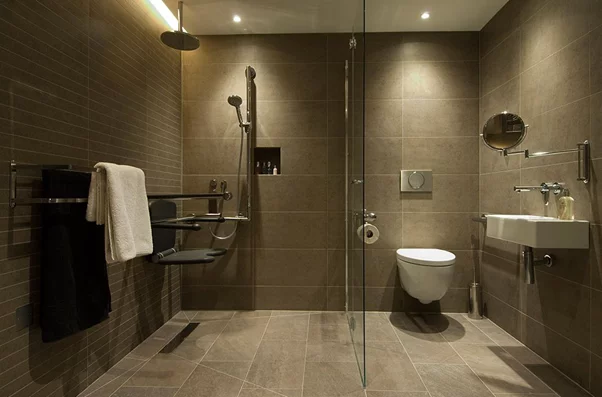
Custom elements fit individual needs and tastes. Built-in seats in showers add comfort and security. Lowered mirrors and shelves suit wheelchair users. Non-slip flooring prevents accidents without sacrificing style. Personal touches make the space welcoming and unique.
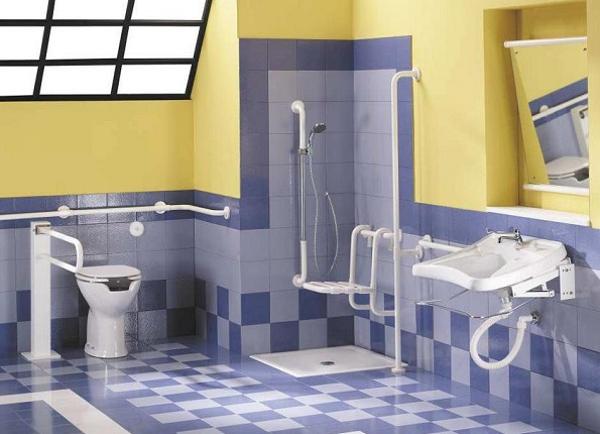
Credit: www.lushome.com
Frequently Asked Questions
How To Design A Bathroom For A Disabled Person?
Design a disabled bathroom with wide doorways, curbless showers, grab bars, handheld showerheads, higher toilets, and sinks with clear space underneath. Use non-slip flooring and ensure enough turning radius for mobility aids. Place fixtures and accessories within easy reach for convenience and safety.
Does Medicare Pay For A Handicap Bathroom Remodel?
Medicare generally does not cover handicap bathroom remodels. Coverage may apply if modifications are medically necessary and prescribed by a doctor. Always check specific plan details and consider Medicaid or other assistance programs for funding accessible bathroom renovations.
What Is The Golden Rule For Bathroom Layouts?
The golden rule for bathroom layouts is ensuring functionality, safety, and comfort through clear space, proper fixture placement, and accessibility.
What Does An Ada-compliant Bathroom Look Like?
An ADA-compliant bathroom features wide doorways, a curbless shower with grab bars, a higher toilet, and a sink with clear space underneath. It includes non-slip flooring, accessible fixtures, and enough turning radius for wheelchair users. Grab bars and reachable accessories enhance safety and convenience.
Conclusion
Designing bathrooms for disabled users improves safety and comfort. Wide doorways and curbless showers help easy movement. Grab bars and handheld showerheads add support and convenience. Higher toilets and sinks with clear space make access simple. Non-slip flooring reduces fall risks significantly.
Planning enough turning space allows wheelchair users to move freely. Thoughtful design creates independence and dignity in daily routines. Everyone deserves a bathroom that fits their needs well. Simple changes make a big difference in usability. Keep accessibility and style balanced for the best results.