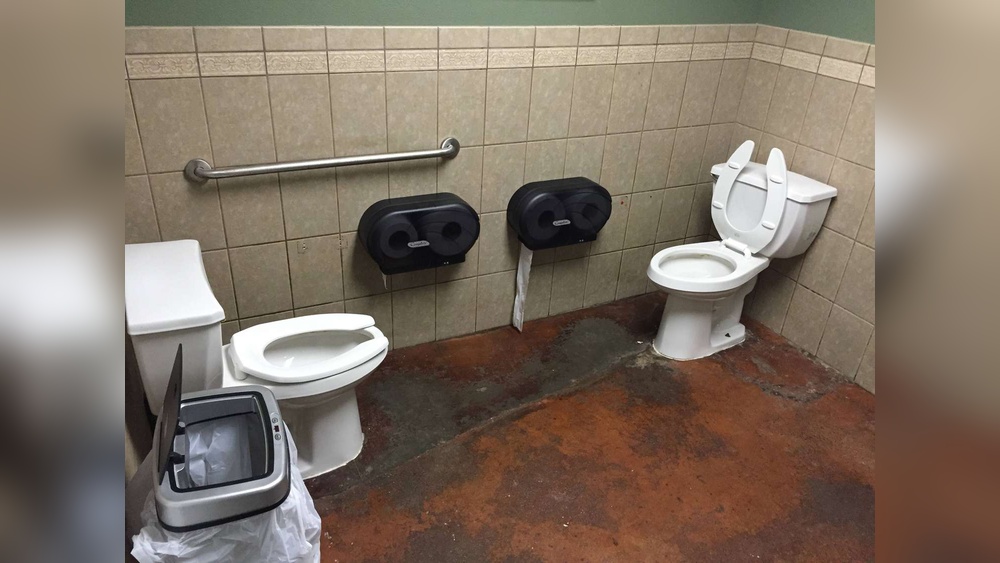

Have you ever stepped into a bathroom and instantly felt something was off? Maybe the layout feels cramped, the lighting is harsh, or the fixtures just don’t work together.
These are classic signs of bad bathroom design—and if your bathroom suffers from any of these problems, it’s more than just an inconvenience. It can affect your daily comfort, your home’s value, and even your mood. You’ll discover the most common bathroom design mistakes to avoid, how to spot them in your own space, and simple tips to fix them without breaking the bank.
Keep reading to transform your bathroom from frustrating to functional.
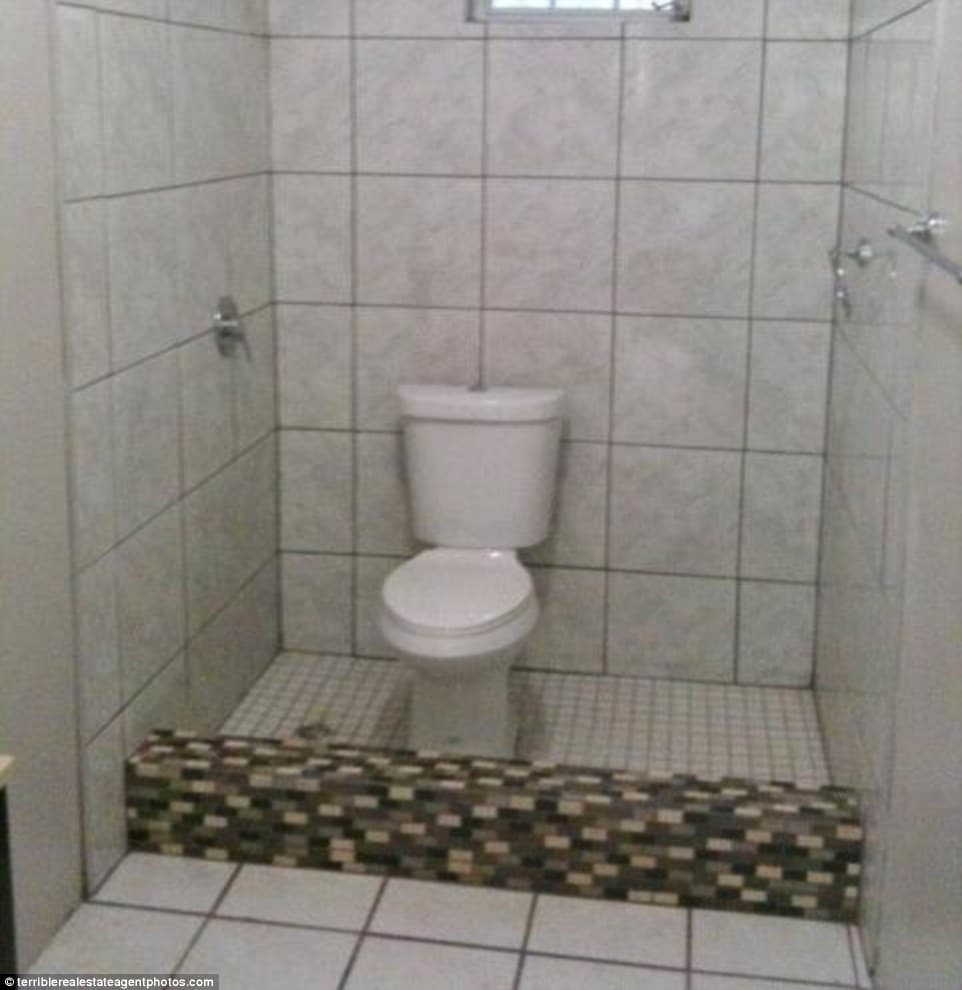
Credit: www.bestonlinecabinets.com
Layout Mistakes
Bathroom layout mistakes can turn a simple space into a daily frustration. Poor planning leads to cramped spaces, awkward movements, and plumbing headaches. Understanding common layout errors helps avoid costly fixes and improves comfort.
Ignoring Plumbing Constraints
Plumbing pipes limit where sinks, toilets, and showers go. Moving these pipes is expensive and complex. Many overlook this and choose layouts that require major plumbing changes. This causes delays and higher renovation costs. Designing around existing plumbing saves money and time.
Poor Space Utilization
Wasted space makes bathrooms feel smaller and less functional. Large empty corners or narrow walkways reduce usability. Storing essentials becomes hard without enough cabinets or shelves. Smart use of vertical space and compact fixtures maximizes every inch. Avoid clutter by planning storage carefully.
Inconvenient Fixture Placement
Fixtures placed too close or too far apart disrupt bathroom flow. Toilets next to doors or sinks blocking showers create awkward experiences. Proper spacing allows easy movement and access. Place fixtures to support natural routines and comfort. Test layouts before final decisions to ensure convenience.
Lighting Errors
Poor lighting can ruin a bathroom’s look and function. Lighting errors create shadows, glare, or dull spaces. These mistakes make daily routines harder and the room less inviting.
Paying attention to lighting design improves both comfort and style. Avoid these common lighting errors in bathroom design.
Insufficient Lighting
Bathrooms with too little light feel cramped and gloomy. It becomes difficult to perform tasks like shaving or applying makeup. Insufficient lighting also hides important details and colors.
Use multiple light sources to brighten the space evenly. Combine ceiling lights with vanity lighting for better results.
Wrong Light Fixtures
Choosing inappropriate fixtures affects both light quality and bathroom style. Harsh, direct lights cause glare and discomfort. Fixtures that are too small or poorly placed fail to illuminate key areas.
Select fixtures designed for bathroom use. Consider frosted covers or diffusers to soften light and reduce shadows.
Overlooking Natural Light
Natural light makes bathrooms feel fresh and spacious. Ignoring windows or skylights wastes this valuable resource. Dark, windowless bathrooms often feel closed off and dull.
Maximize natural light by using sheer curtains or frosted glass. Keep window areas clear of clutter and heavy drapes.
Material Choices
Material choices play a crucial role in bathroom design. Selecting the right materials can enhance the room’s look and function. Poor material selection often leads to issues like water damage, stains, and quick wear. Bathrooms require materials that resist moisture and last long under daily use. Understanding common mistakes can help avoid bad bathroom design.
Using Unsuitable Materials
Some materials absorb water easily, causing damage and mold. Wood or untreated fabrics often fail in damp bathroom environments. Carpet, for example, traps moisture and dirt, making cleaning hard. Choosing materials not meant for wet areas shortens bathroom lifespan. Always pick moisture-resistant materials for floors and walls.
Overly Trendy Finishes
Trendy finishes might look good now but can age poorly. Some glossy paints or delicate tiles wear quickly or fade. Trends change fast, making the bathroom feel outdated soon. Overly flashy designs may clash with other home styles. Stick to classic, simple finishes for a timeless look and easy maintenance.
Neglecting Durability
Durability matters most in a bathroom’s daily use. Cheap materials may save money initially but cost more over time. Surfaces scratched or stained easily look bad and require replacement. Durable materials resist moisture, stains, and wear. Investing in quality ensures the bathroom stays functional and attractive for years.
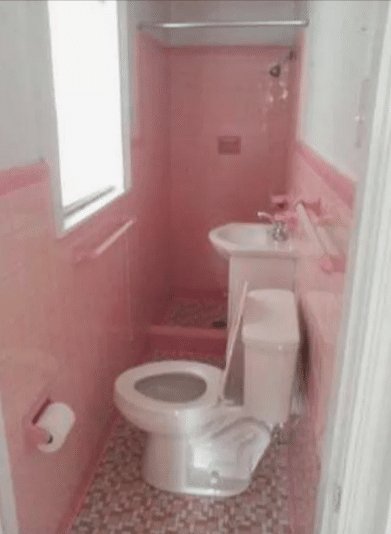
Credit: www.bestonlinecabinets.com
Storage Issues
Storage issues are a common problem in bad bathroom designs. Poor storage creates inconvenience and stress. Essential items become hard to find and keep. Bathrooms feel cramped and cluttered without proper storage solutions.
Good storage keeps everything organized and easy to access. It improves both function and appearance. Bathrooms with storage problems often lack planning and smart use of space.
Lack Of Adequate Storage
Many bathrooms miss enough cabinets or shelves. Small spaces need clever storage ideas. Without enough storage, items get piled up or left out. This causes frustration and wasted time searching for necessities.
Storage should fit the bathroom size and user needs. Simple additions like wall-mounted shelves or vanity drawers help a lot. Neglecting storage leads to chaos and discomfort.
Ignoring Accessibility
Storage placed too high or too low is useless for daily use. People struggle to reach towels or toiletries. Accessibility is key for comfort and safety.
Easy-to-reach storage keeps the bathroom user-friendly. Thoughtful design considers everyone’s height and ability. Ignoring this makes the bathroom less practical and more frustrating.
Cluttered Surfaces
Without storage, counters and sinks become cluttered messes. Items like soap, toothbrushes, and makeup crowd the space. Cluttered surfaces look messy and reduce usable space.
Clear surfaces make the bathroom look clean and spacious. Proper storage keeps everyday items neatly tucked away. Avoiding clutter improves both hygiene and style.
Ventilation Problems
Ventilation problems in bathrooms cause discomfort and damage. Without proper airflow, moisture builds up fast. This leads to damp walls, peeling paint, and bad odors. Poor ventilation also encourages mold growth, which can harm health. Many bathroom designs fail to address these issues properly. Understanding common ventilation mistakes helps avoid costly repairs and unhealthy spaces.
Poor Airflow Design
Bathrooms need fresh air to flow freely. Many designs block airflow with small windows or no vents. Stagnant air traps moisture inside the room. This creates a damp environment that feels stuffy. Air should move from outside to inside easily. Good airflow prevents moisture from settling on surfaces.
Ignoring Mold Prevention
Mold grows quickly in wet, dark places. Bathrooms with poor ventilation often have hidden mold. Mold damages walls and ceilings over time. It also causes allergies and breathing problems. Ignoring mold prevention leads to expensive cleaning and repairs. Proper ventilation reduces mold by removing excess moisture fast.
Inadequate Fan Selection
Bathroom fans must match the room size. Small fans cannot clear moisture in large bathrooms. This leaves damp air trapped inside. Fans should be strong enough to replace all air in minutes. Quiet fans encourage regular use, keeping the room dry. Choosing the right fan stops moisture problems before they start.
Fixture Flaws
Fixture flaws often cause the biggest problems in bathroom design. Poor choices here hurt both look and use. Fixtures include sinks, faucets, toilets, and showers. Bad fixtures can spoil the entire room’s appeal and function.
Choosing the right fixtures means balancing style, quality, and practicality. Many bathrooms fail because of common mistakes in fixture selection. These errors make daily use frustrating and reduce the bathroom’s value.
Choosing Low-quality Fixtures
Cheap fixtures may seem like a good deal at first. They often break quickly or leak, causing costly repairs. Low-quality materials wear out fast and lose their shine. Investing in durable fixtures saves money over time and prevents damage.
Mismatched Styles
Fixtures should match the bathroom’s overall style. Mixing modern faucets with vintage sinks creates a confusing look. Consistency in design builds harmony and makes the space feel calm. Choose fixtures that complement each other and the room’s theme.
Ignoring Functionality
Good-looking fixtures must also work well. A fancy faucet may look nice but be hard to use. Poorly placed fixtures can block movement or reduce space. Think about how you use the bathroom daily. Functional fixtures improve comfort and convenience.
Color And Style
Choosing the right color and style is vital in bathroom design. These elements set the mood and impact how the space feels. Poor choices can make the bathroom look chaotic or outdated. Understanding common mistakes helps avoid bad bathroom design.
Clashing Color Schemes
Colors that do not match cause discomfort in the bathroom. Bright colors mixed with dark tones can feel harsh. Avoid combining too many strong colors. Stick to a simple palette to create harmony. Colors should complement fixtures and tiles.
Overwhelming Patterns
Busy patterns can make the bathroom feel crowded. Large or multiple patterns on walls and floors confuse the eye. Choose subtle or small patterns for a calm look. Balance patterned elements with plain surfaces. This keeps the space feeling open and clean.
Ignoring Timelessness
Trendy colors and styles fade quickly. Bathrooms with outdated design lose appeal fast. Opt for classic colors like white, beige, or soft gray. Timeless styles ensure the bathroom stays attractive for years. This also helps increase home value over time.

Credit: www.tripadvisor.com
Costly Renovation Pitfalls
Renovating a bathroom can quickly become expensive. Many homeowners face costly pitfalls that could have been avoided with proper planning. Understanding these common mistakes helps save money and time during a remodel.
Unnecessary Layout Changes
Moving plumbing or electrical systems raises renovation costs sharply. Keeping the original layout avoids extra labor and material expenses. Changes to walls or fixtures add complexity and increase the timeline. Simple updates within the existing layout keep the project budget-friendly and efficient.
Underestimating Budget
Setting too low a budget causes stress and compromises during renovation. Unexpected problems often arise, requiring extra funds. Always plan for at least 10-20% over the estimated costs. This cushion covers surprises like hidden water damage or outdated wiring. Realistic budgets help avoid cutting corners or unfinished work.
Overcustomizing Small Spaces
Small bathrooms do not need elaborate custom features. Overcustomizing wastes money and can make the space feel cramped. Standard-sized fixtures and simple designs often work best. Focus on functionality and clean lines rather than expensive, complex details. This approach creates a comfortable, stylish bathroom without overspending.
Diy Risks
DIY bathroom projects can seem like a smart way to save money. Many homeowners try to redesign or fix their bathrooms themselves. But these efforts often come with hidden risks. Mistakes in bathroom design can cause long-term damage and extra costs. Understanding the risks of DIY helps avoid bad bathroom design.
Taking On Complex Tasks
Bathrooms have plumbing and electrical systems. These are tricky to handle without proper skills. Mistakes can lead to leaks, water damage, or electrical hazards. Complex tasks require special tools and knowledge. Without these, the project can fail or become unsafe.
Skipping Professional Help
Choosing not to hire experts can save money upfront. But it may cause bigger problems later. Professionals know building codes and safety rules. They ensure the bathroom works well and lasts longer. Skipping help often results in poor design and costly repairs.
Compromising Quality
DIY projects often use cheaper materials or shortcuts. This lowers the bathroom’s overall quality. Poor materials wear out faster and look worse. Quality matters in wet areas like bathrooms. Compromising it can cause mold, stains, and damage.
Frequently Asked Questions
What Is The Golden Rule For Bathroom Layouts?
The golden rule for bathroom layouts is to ensure functional flow by placing fixtures for easy access and efficient space use. Keep plumbing fixed to reduce costs and prioritize durable, quality materials.
Is $10,000 Enough For A Bathroom Remodel?
Yes, $10,000 can cover a basic bathroom remodel by focusing on key updates and affordable materials. Avoid moving plumbing to save costs. DIY tasks and prioritizing fixtures help stretch your budget effectively.
What Are The Unspoken Rules Of The Bathroom?
Respect privacy by avoiding conversation or eye contact. Keep noise minimal and clean up after use. Do not linger unnecessarily or use others’ personal items. Maintain good hygiene and flush properly. Follow these unspoken bathroom rules to ensure comfort and respect for all users.
What Are The Mistakes In Bathroom Remodel?
Common bathroom remodel mistakes include poor space planning, inadequate ventilation, incorrect plumbing, and choosing unsuitable materials. Ignoring budget and contractor communication also leads to costly errors.
Conclusion
Bad bathroom design can cause daily frustration and reduce home value. Simple changes improve comfort and function without big costs. Focus on smart layouts, good lighting, and practical storage. Choose durable materials that fit your style and budget. Avoid common mistakes like poor space use or bad ventilation.
Small updates often make a big difference. Think ahead to keep your bathroom both useful and pleasant. A well-planned bathroom boosts your home’s appeal and your happiness.


