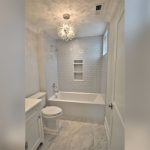

When it comes to your small bathroom, every inch counts—especially the tiles. Choosing the right tile design can make your space feel bigger, brighter, and more stylish without overwhelming it.
Imagine stepping into a bathroom that feels both cozy and open, where the tiles don’t just cover the floors and walls but actually enhance your daily routine. You’ll discover easy and smart tile design ideas tailored for small bathrooms. Whether you want to create a sleek modern look or add a touch of charm, these tips will help you transform your bathroom into a space you love.
Ready to see how the perfect tile can change everything? Keep reading to unlock the secrets to small bathroom tile design that really works.
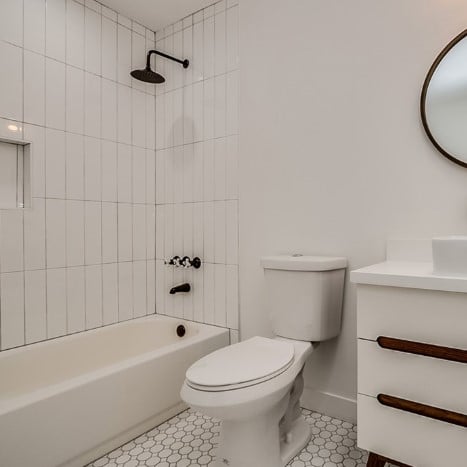
Credit: www.arizonatile.com
Tile Patterns For Small Bathrooms
Choosing the right tile pattern can transform a small bathroom. The right design creates a sense of space and style. Tiles add texture, color, and personality to limited areas. Understanding tile patterns helps in making smart choices for small bathrooms.
Patterns can influence how big or cozy the room feels. Light colors and simple shapes often open up the space visually. Bold patterns can add character without crowding the room. Here are popular tile patterns that work well in small bathrooms.
Classic Subway Tiles
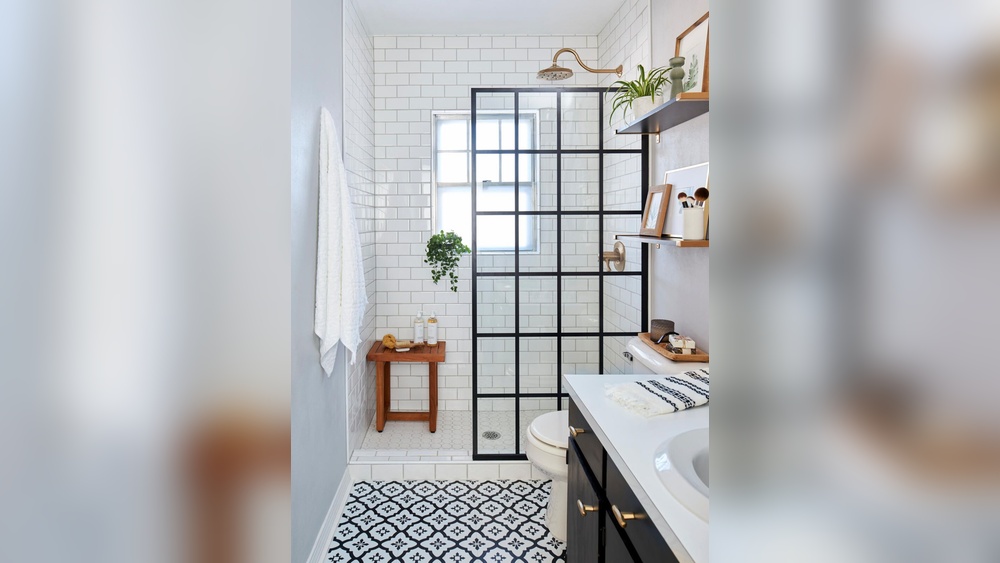
Subway tiles are timeless and versatile. Their rectangular shape fits well on walls and backsplashes. Laying them in a brick-like pattern adds depth and interest. They reflect light, brightening the room effectively. White or soft colors keep the space airy and clean.
Geometric Shapes
Geometric tiles bring a modern touch to small bathrooms. Shapes like hexagons, triangles, or diamonds catch the eye. Repeating patterns create a sense of order and style. Using soft tones prevents the design from feeling busy. These shapes work well on floors or accent walls.
Mosaic Designs
Mosaics use tiny tiles to form intricate patterns or images. They add texture and detail to a small bathroom. Light-colored mosaics can make the room feel larger. Mixing colors subtly creates visual interest without clutter. Mosaics suit shower floors and feature walls perfectly.
Herringbone And Chevron
Herringbone and chevron patterns add movement to small spaces. They use rectangular tiles arranged in zigzag formations. These patterns draw the eye along the lines, making the room appear longer. Neutral colors keep the look clean and elegant. They work well on floors and walls alike.
Color Choices To Enhance Space
Choosing the right colors for small bathroom tiles can make a big difference. Colors affect how spacious and bright your bathroom feels. The right hues create a fresh, open look that can make the room appear larger. Use colors to highlight features or create a calm, inviting space.
Light Neutrals
Light neutral colors like white, beige, and soft gray reflect light well. These shades open up the space and make it feel airy. They give a clean, timeless look to your bathroom. Light neutrals also pair easily with other colors and styles.
Bold Accent Colors
Adding bold colors as accents brings energy to your bathroom. Use bright blues, greens, or even reds in small areas. Accent tiles can highlight a backsplash or a border. This adds personality without overwhelming the small space.
Monochromatic Schemes
Using one color in different shades creates a smooth flow. It keeps the bathroom simple yet stylish. Monochromatic schemes avoid harsh breaks and make the room feel bigger. Light and dark versions of a single color add depth.
Contrasting Grout
Grout color affects tile appearance and room style. Dark grout with light tiles creates patterns and definition. Light grout with dark tiles softens the look and blends the surface. Contrasting grout can add visual interest without cluttering.
Tile Sizes And Layout Tips
Choosing the right tile size and layout can transform a small bathroom. The right design creates space, adds character, and improves the look. This section shares tile size ideas and layout tips to make small bathrooms feel bigger and stylish.
Large Tiles For Spacious Feel
Large tiles reduce grout lines, making the bathroom look less busy. They create a smooth, open look that feels roomy. Use big tiles on floors or walls to stretch the space visually. Pick light colors to add brightness and openness.
Small Tiles For Texture
Small tiles add detail and texture to small bathrooms. They work well in shower floors or backsplashes. Mosaic tiles create patterns that catch the eye. Use small tiles to add charm without crowding the space.
Diagonal Vs Straight Layouts
Diagonal tile layouts create the illusion of wider floors. They add movement and break up square spaces nicely. Straight layouts give a clean, modern look. Choose diagonal for a unique style or straight for simplicity and ease.
Using Borders To Define Areas
Tile borders help mark different bathroom zones. Use contrasting tiles to frame showers or vanities. Borders add structure without walls. They guide the eye and organize the small space clearly.

Credit: www.buildersinteriors.com
Material Options For Durability
Choosing the right tile material is key for small bathroom durability. Tiles face water, cleaning, and daily wear. Strong, lasting materials keep your space looking fresh. Here are some popular durable tile options for small bathrooms.
Porcelain Tiles
Porcelain tiles are dense and very hard. They resist water, stains, and scratches well. These tiles suit floors and walls in humid spaces. Their low water absorption means fewer cracks over time. Porcelain also offers many colors and styles.
Ceramic Tiles
Ceramic tiles are affordable and easy to install. They have a glaze that protects against moisture. These tiles work well on bathroom walls and floors. While not as tough as porcelain, they still handle daily use. Ceramic tiles come in many designs and sizes.
Natural Stone
Natural stone gives a unique, elegant look. Options include marble, granite, and slate. Stone is strong but needs sealing to prevent water damage. It can be slippery when wet, so textured finishes help. Stone tiles add natural beauty and last long with care.
Glass Tiles
Glass tiles brighten small bathrooms with light reflection. They resist stains and water easily. Glass is best for walls or backsplashes, not floors. These tiles require careful installation to avoid chips. Glass tiles add color and shine to any bathroom design.
Creative Wall Tile Ideas
Creative wall tile ideas transform small bathrooms into stylish retreats. Tiles add texture, color, and personality to plain walls. They help define space and make the room feel bigger. Choose designs that suit your taste and bathroom size.
Full Wall Coverage
Covering the entire wall with tiles creates a clean, modern look. It reflects light and brightens the space. Use light colors or glossy finishes to enhance the effect. Full coverage also protects walls from moisture and stains. Large tiles with minimal grout lines reduce visual clutter.
Half Wall Tiles
Half wall tiling adds interest without overwhelming the room. Tile the lower half and paint or wallpaper the upper half. This option balances color and texture well. It keeps costs lower and allows easy updates. Choose a tile pattern that complements your bathroom fixtures.
Feature Walls
Feature walls highlight one area using bold or patterned tiles. Select a wall behind the sink or bathtub. Use vibrant colors or unique shapes to create a focal point. Feature walls add depth and style without covering every surface. They bring personality to small spaces.
Backsplashes
Backsplashes protect walls behind sinks and counters from water damage. They offer a chance to add detail and color. Use mosaic or subway tiles for easy cleaning. Backsplashes can match or contrast other tiles for visual appeal. They are practical and decorative in small bathrooms.
Floor Tile Designs To Maximize Space
Choosing the right floor tiles can transform a small bathroom. Smart tile designs create a sense of openness and brightness. They help make the space feel larger and more inviting. Consider tiles that reflect light or have patterns that stretch the room visually. Safety and comfort also matter, so slip resistance and warmth add value. These elements combine to enhance both style and function in small bathrooms.
Light Reflective Surfaces
Tiles with glossy or polished finishes bounce light around the room. They make floors shine and create the illusion of space. Light colors like white, cream, or soft pastels work best. Reflective surfaces brighten dark corners and reduce shadows. This simple choice makes a small bathroom feel airy and fresh.
Patterns That Elongate
Use tile patterns that draw the eye along the floor. Horizontal stripes or long rectangular tiles stretch the space visually. Diagonal layouts add depth and dimension. Avoid small, busy patterns that crowd the room. Larger tiles with subtle designs open up the floor area.
Slip-resistant Options
Safety is key in a wet bathroom floor. Choose tiles with textured surfaces or matte finishes. These reduce the risk of slipping without sacrificing style. Many slip-resistant tiles come in modern colors and patterns. They keep your small bathroom safe and chic.
Heated Flooring Tiles
Heated tiles add warmth and comfort to cold bathroom floors. This upgrade feels luxurious in a small space. Warm floors make the room more inviting and cozy. Electric radiant heating systems work well under most tile types. Heated floors boost your bathroom’s comfort without extra clutter.
Combining Tiles With Bathroom Fixtures
Combining tiles with bathroom fixtures creates a balanced and stylish small bathroom. Thoughtful pairing enhances the room’s look and feel. Tiles and fixtures should complement each other for a seamless design. This approach helps to make the space appear larger and more inviting.
Matching Vanity And Tiles
Choose tiles that coordinate with your vanity’s color and style. Light-colored tiles pair well with white or natural wood vanities. Dark tiles work better with darker or modern vanities. Matching tones create a unified and clean look. Avoid clashing colors to keep the space calm and organized.
Shower Tile Integration
Use the same tile in the shower as the rest of the bathroom. This creates flow and prevents visual breaks. Small tiles or mosaics add texture to shower walls without overwhelming. Consider slip-resistant tiles for safety. Keep grout lines neat for a polished finish.
Accent Tiles Around Fixtures
Add accent tiles near sinks and tubs to highlight fixtures. Use contrasting colors or patterns to draw attention. Small mosaic borders or decorative tiles add charm. Keep accents subtle to avoid clutter. Accents help define areas and add personality.
Tile Transition Techniques
Use smooth transitions between different tile types or areas. Metal or stone strips create neat separations. Gradual color changes soften the shift between tiles. Avoid harsh edges that break the flow. Proper transitions maintain harmony and make the space feel bigger.
:max_bytes(150000):strip_icc()/SFinteriors-19-71656d23f0c345608135bc313bf4805c-db853465bfbb4f4589e48546f1aef30e.jpg)
Credit: www.thespruce.com
Maintenance Tips For Tile Bathrooms
Maintaining tile in a small bathroom keeps it looking fresh and new. Regular care prevents damage and costly repairs. Simple steps help preserve the beauty and function of your tiles. Follow these tips to keep your bathroom sparkling and safe.
Cleaning Methods
Use a mild cleaner and warm water for regular cleaning. Avoid harsh chemicals that can dull tile surfaces. A soft cloth or sponge works best to prevent scratches. Clean spills quickly to avoid stains. Dry tiles after cleaning to stop water spots.
Grout Care
Grout can collect dirt and discolor over time. Scrub grout lines gently with a brush and baking soda paste. Avoid abrasive tools that may damage grout. Regular cleaning stops buildup and keeps grout bright. Reapply grout cleaner monthly for best results.
Preventing Mold And Mildew
Tiles in bathrooms face moisture daily, which can cause mold. Keep the bathroom well-ventilated by opening windows or using fans. Wipe down wet surfaces after showers. Use mold-resistant grout or sealant to reduce growth. Check corners and edges for early signs of mold.
Sealing And Repairs
Seal tiles and grout to protect from water damage. Reseal every one to two years depending on use. Repair cracked or chipped tiles promptly to avoid bigger problems. Use matching grout or sealant to fill gaps. Proper sealing extends the life of your tile bathroom.
Frequently Asked Questions
What Tile Pattern Is Best For A Small Bathroom?
Diagonal and subway tile patterns work best for small bathrooms. They create an illusion of space and add visual interest. Choose light colors and smaller tiles to enhance openness and brightness. These patterns make the bathroom appear larger and more inviting.
What Size Tiles Are Best In A Small Bathroom?
Small bathrooms benefit from medium to small tiles, like 12×12 inches or smaller mosaic tiles. They create space illusion and enhance design. Avoid large tiles as they can overwhelm the area. Choose light colors and simple patterns to keep the room bright and open.
What Is The 1/3 Rule For Tile?
The 1/3 rule for tile means offsetting tiles by one-third their length to create a balanced, visually appealing pattern.
What Color Tiles Make A Small Bathroom Look Bigger?
Light-colored tiles like white, beige, or soft pastels make small bathrooms appear larger and brighter. Glossy finishes reflect light, enhancing space perception.
Conclusion
Small bathroom tile design can make your space look bigger and brighter. Choose light colors and simple patterns for a clean feel. Small tiles add texture without overwhelming the room. Vertical or diagonal layouts create a sense of height and depth.
Remember to balance style with function for easy cleaning. With the right tile choices, even a small bathroom feels fresh and inviting. Your design can reflect your taste while maximizing every inch. Keep it simple, stylish, and smart for the best results.