Imagine stepping into a bathroom that feels like a time capsule from the 1920s—where elegance meets charm in every detail. If you love vintage style or want to add a unique touch to your home, exploring 1920s bathroom design can inspire you in ways you never expected.
You’ll discover how simple shapes, classic tiles, and timeless fixtures come together to create a space that’s both stylish and inviting. Ready to transform your bathroom into a stunning reflection of the roaring twenties? Keep reading to uncover the secrets behind this iconic design and how you can bring its magic into your own home.
Credit: www.stonecity.com
Key Features Of 1920s Bathrooms
Bathrooms from the 1920s show a unique blend of style and function. These spaces were more than just practical areas. They reflected the elegance and trends of the time. Key features of 1920s bathrooms reveal a mix of artistic design and classic comforts. They offer inspiration for those who love vintage charm with a touch of sophistication.
Art Deco Influences
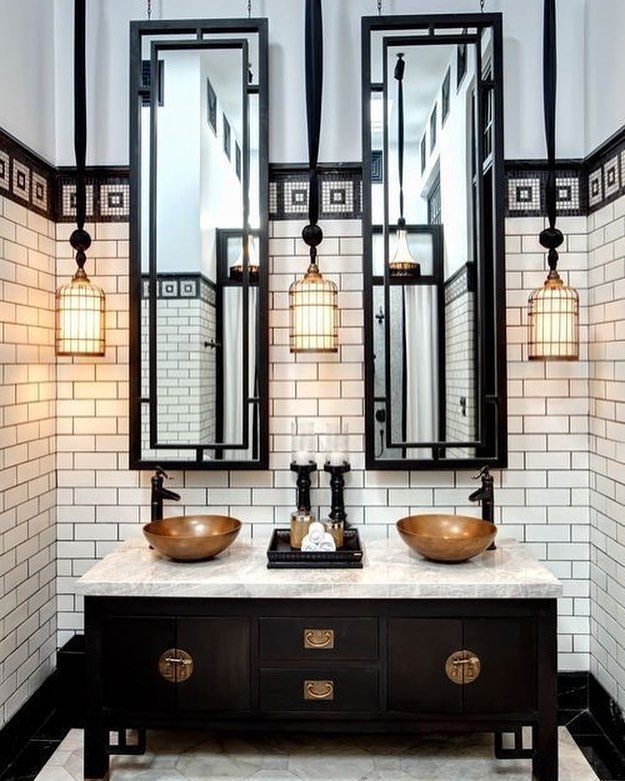
Art Deco shaped many 1920s bathrooms. This style used bold geometric shapes and strong lines. Patterns often included zigzags, chevrons, and sunburst motifs. Fixtures and tiles featured shiny metals like chrome and brass. Mirrors and lighting had a sleek, streamlined look. Art Deco added glamour and a modern feel to the space.
Classic Fixtures And Fittings
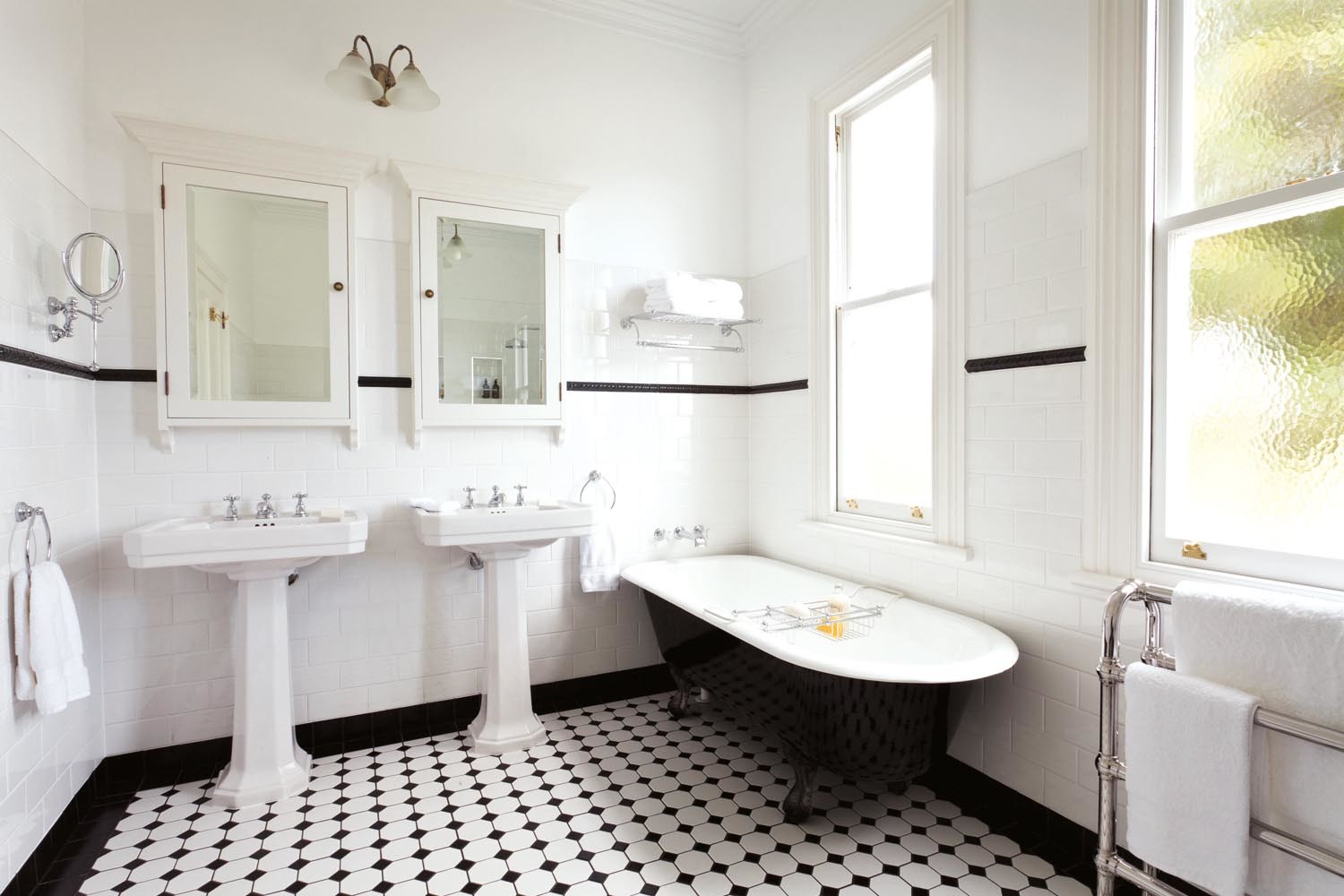
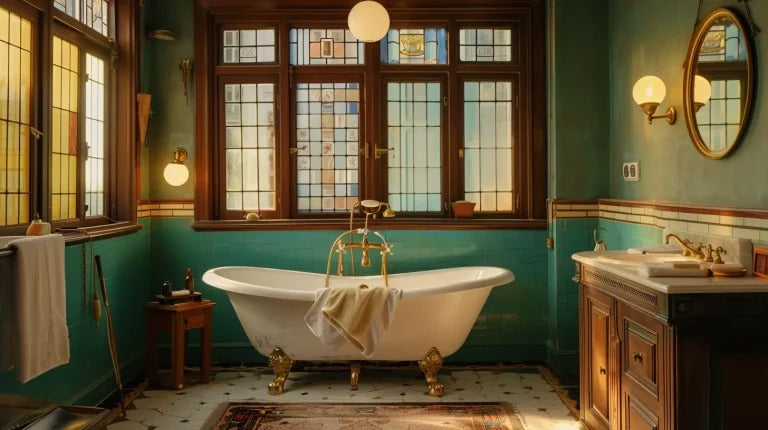
Fixtures in 1920s bathrooms were both elegant and practical. Pedestal sinks stood out with their simple, graceful design. Clawfoot bathtubs were popular, often made of cast iron with porcelain coating. Faucets had cross handles and detailed spouts. These fittings combined style with durability. The focus was on quality and timeless appeal.
Color Palettes And Materials
Colors in 1920s bathrooms were soft but rich. Pale greens, blues, and pinks created a calm atmosphere. Black and white tiles formed classic checkered floors. Walls often had ceramic tiles with glossy finishes. Materials like glass, porcelain, and brass were common. These choices added texture and brightness to the room.
Credit: www.atlasceramics.co.uk
Popular Bathroom Fixtures
Bathrooms in the 1920s had a unique charm. The fixtures chosen reflected the style and technology of the era. These pieces were not just practical but also added beauty and character to the space. Many of these designs are still popular today for their timeless appeal.
Clawfoot Tubs
Clawfoot tubs were the centerpiece of 1920s bathrooms. These freestanding tubs have ornate feet that resemble animal claws. Made of cast iron and coated with porcelain, they were durable and elegant. Their deep basin made soaking comfortable. Many people still choose clawfoot tubs for a vintage look.
Pedestal Sinks
Pedestal sinks were common in 1920s homes. These sinks stand alone on a slim base, saving space in small bathrooms. They have simple, clean lines and often feature porcelain construction. The design focuses on elegance and function. Pedestal sinks bring a classic, airy feel to any bathroom.
Vintage Toilets And Hardware
Toilets in the 1920s had high tanks with pull chains. This style gave bathrooms a distinct vintage charm. The hardware, including faucets and towel racks, was often made of brass or chrome. These pieces had detailed designs, such as floral patterns or geometric shapes. Vintage bathroom hardware adds character and a touch of history.
Tile And Flooring Trends
Tile and flooring trends in 1920s bathroom design reflect the era’s love for style and detail. These surfaces were not just practical but also key to the room’s beauty. Patterns and materials brought life and character to bathrooms. They created spaces that felt both elegant and fresh. The 1920s saw a mix of shapes and colors that remain popular today.
Geometric Patterns
Geometric patterns were a signature of 1920s bathroom floors. Squares, diamonds, and chevrons appeared often. These shapes gave floors a strong, bold look. They made small spaces feel larger and more interesting. Black and white tiles arranged in geometric layouts were common. This style added sharp contrast and a classic feel.
Hexagonal And Subway Tiles
Hexagonal tiles became a popular choice for bathroom floors and walls. Their honeycomb shape offered a neat, vintage look. White hex tiles were often paired with black dots for a simple design. Subway tiles, rectangular and laid in a brick pattern, covered bathroom walls. They gave a clean, glossy finish that brightened rooms. Both tile types were easy to clean and durable.
Mosaic Designs
Mosaic tiles added artful detail to 1920s bathrooms. Small, colored pieces created pictures or patterns. Common designs included floral motifs and abstract shapes. Mosaics often decorated shower floors or borders. They brought a touch of luxury and craftsmanship. These tiles made bathrooms feel special and unique.
Credit: cottoncat.com
Lighting And Mirrors
Lighting and mirrors played a key role in 1920s bathroom design. They balanced function with style, reflecting the elegance of the era. Proper lighting brightened the space, while mirrors added depth and charm. Both elements combined to create a warm, inviting atmosphere.
Elegant Wall Sconces
Wall sconces in the 1920s often featured ornate designs. They used materials like brass and glass for a luxurious look. Soft, warm light came from frosted or etched glass shades. These sconces flanked mirrors or artwork, enhancing the bathroom’s beauty.
Mounted at eye level, they provided ideal lighting for daily grooming. Their elegant shapes and intricate details made them a focal point. Wall sconces added both ambiance and practical illumination.
Framed Vanity Mirrors
Vanity mirrors from the 1920s were more than just functional. They were often framed with wood, metal, or decorative tiles. Frames had geometric or floral Art Deco patterns. These mirrors reflected light and made spaces feel larger.
Many featured beveled edges, adding sparkle and depth. The size and shape varied but always matched the room’s style. Framed mirrors served as stylish accents and essential tools for grooming.
Chandeliers And Ceiling Fixtures
Chandeliers and ceiling fixtures added grandeur to 1920s bathrooms. They featured crystal drops, etched glass, or chrome finishes. These fixtures cast a soft, diffused glow throughout the room. Their design often mirrored other decorative elements.
Ceiling lights balanced the wall sconces, offering overall illumination. Some chandeliers had multiple tiers for extra sparkle. These fixtures brought an air of sophistication to the bathroom space.
Storage And Accessories
Storage and accessories play a key role in 1920s bathroom design. They combine style with function. These elements reflect the era’s charm and practicality. Bathrooms from this time often featured clever storage solutions. Accessories added personality and elegance.
Built-in Cabinets And Shelves
Built-in cabinets and shelves were popular in 1920s bathrooms. They saved space and kept items organized. Often made from wood, they had simple, clean lines. These built-ins blended with the bathroom walls smoothly. Many featured glass doors or mirrored fronts. They provided easy access to toiletries and towels. Their design focused on both utility and beauty.
Vintage Bathroom Accessories
Vintage bathroom accessories enhanced the 1920s look. Porcelain soap dishes, metal toothbrush holders, and glass jars were common. These pieces showed delicate details and fine craftsmanship. Accessories often had art deco or floral motifs. They brought charm and warmth to the space. Small touches like these made bathrooms feel inviting and personal.
Textiles And Rugs
Textiles and rugs added comfort and color. Cotton and linen towels were typical, often embroidered or monogrammed. Rugs featured bold geometric or floral patterns. They softened the hard bathroom surfaces. These textiles also reflected the style trends of the 1920s. They completed the look by balancing elegance with coziness.
Restoring And Renovating Tips
Restoring and renovating a 1920s bathroom requires care and attention. The goal is to keep the vintage charm while making the space functional. This process involves preserving original features and adding subtle modern touches. Each step should respect the era’s design and craftsmanship. Here are some practical tips to guide your renovation journey.
Maintaining Authenticity
Focus on preserving original fixtures like clawfoot tubs and pedestal sinks. Clean and repair rather than replace whenever possible. Use paint colors and tiles that match the 1920s palette. Avoid modern styles that clash with the vintage look. Small details such as period-appropriate hardware keep the bathroom true to its era.
Sourcing Vintage Materials
Look for reclaimed tiles, antique faucets, and vintage lighting. Salvage yards and online vintage stores are great sources. Authentic materials add character and value to your bathroom. When new materials are needed, choose those that mimic original textures and colors. This approach helps maintain a consistent 1920s aesthetic.
Modern Upgrades With Vintage Style
Integrate modern plumbing and electrical systems discreetly. Choose energy-efficient fixtures that look classic. Consider adding subtle heating elements for comfort without changing the look. Use glass shower enclosures with vintage frames to blend old and new. These upgrades improve usability while honoring the historic design.
Inspiration From Historic Homes
Historic homes hold a special place in design inspiration. Their bathrooms from the 1920s show unique styles and details. These designs offer a glimpse into the past and guide modern decor choices. They combine elegance with practical features that still appeal today. Exploring these classic spaces helps recreate timeless charm in any bathroom.
Famous 1920s Bathroom Designs
Many historic homes feature iconic 1920s bathroom styles. Clawfoot tubs were common, adding a sense of luxury. Black and white tile patterns created bold, geometric floors. Brass fixtures brought warmth and shine. Built-in cabinetry and pedestal sinks balanced function and beauty. These elements defined the era’s bathroom look and inspire modern adaptations.
Photographic References
Old photos provide valuable insight into 1920s bathroom designs. They reveal authentic layouts and decoration details. Images from vintage magazines and historic archives capture the era’s aesthetic clearly. Studying these photos helps designers match colors, textures, and materials. They serve as a visual guide for anyone restoring or designing a period-style bathroom.
Designing With Timeless Charm
Incorporate classic 1920s features for a timeless bathroom. Use soft pastel colors or simple monochrome schemes. Choose vintage-style fixtures that echo the past. Add patterned tiles or subway tiles for authentic texture. Combine modern comfort with historic appeal for a balanced space. This approach creates a bathroom that feels both elegant and inviting.
Frequently Asked Questions
What Did A Bathroom Look Like In 1920?
Bathrooms in 1920 featured clawfoot tubs, pedestal sinks, and hexagonal tile floors. They embraced simple, clean Art Deco designs.
What Was A Bathroom Called In The 1920s?
In the 1920s, a bathroom was often called a “water closet” or simply a “bathroom. ” Some also used “lavatory. “
What Was The Interior Design Style Of The 1920s?
The 1920s interior design style featured Art Deco with bold geometric patterns, rich colors, luxurious materials, and sleek, modern lines.
What Type Of Tile Was Used In The 1920s?
The 1920s commonly featured ceramic and encaustic tiles. Art Deco designs and geometric patterns were popular. White subway tiles also gained widespread use in bathrooms and kitchens.
Conclusion
The 1920s bathroom design offers timeless charm and elegance. Its classic features create a warm, inviting space. Simple shapes and vintage fixtures bring character to any home. These designs blend style with practical comfort. Embracing this era can add unique personality to modern bathrooms.
A touch of the past often feels refreshing today. Consider small details to capture that authentic 1920s look. Nostalgia and style come together in these beautiful spaces. Vintage bathroom design remains a popular choice for many homeowners.