

Imagine stepping into your bathroom and instantly feeling a wave of calm wash over you. That’s the magic of Japanese design bathrooms.
They blend simplicity, natural elements, and thoughtful layout to create a space that’s more than just functional—it’s a sanctuary. If you’re craving a bathroom that offers peace, efficiency, and timeless style, discovering the secrets behind Japanese bathroom design could transform your daily routine.
Ready to see how you can bring this serene, space-smart aesthetic into your home? Keep reading to unlock ideas that will refresh your bathroom and your mind.
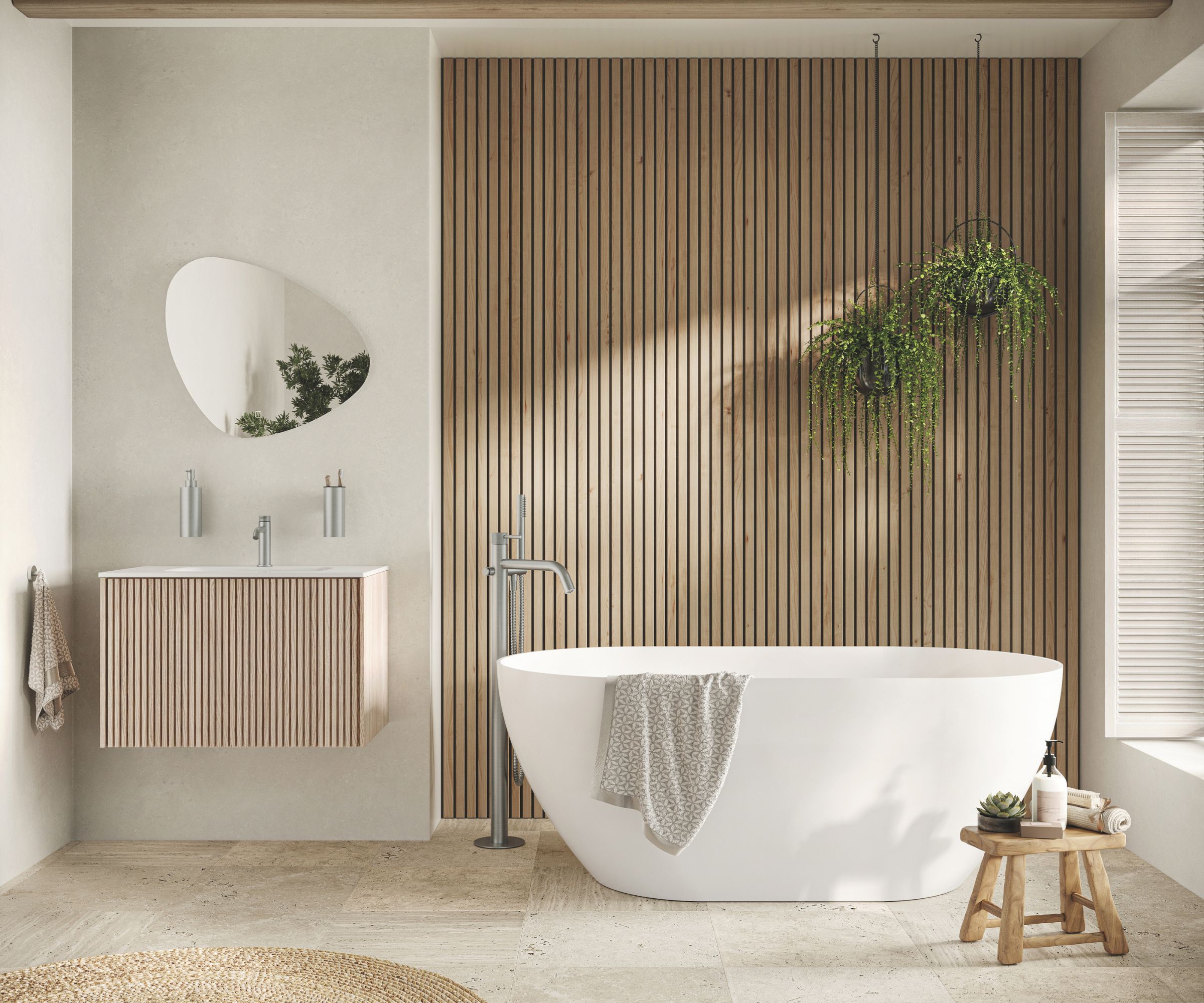
Credit: www.homesandgardens.com
Zen Principles In Bathroom Design
Zen principles shape Japanese bathroom design with calm and clarity. They create a peaceful space that feels like a retreat. Every element has a purpose, making the room both beautiful and practical.
This design focuses on simplicity, balance, and nature. It removes distractions and promotes relaxation and mindfulness. The bathroom becomes a place to refresh the body and mind.
Minimalist Aesthetics
Minimalism guides the look with clean lines and simple shapes. Surfaces stay clear of clutter and decorations. This approach makes the space feel open and calm.
Colors are soft and neutral, often using white, beige, or gray. Fixtures are sleek and functional, avoiding unnecessary details. The design emphasizes quality over quantity.
Natural Materials
Natural materials connect the bathroom to the outdoors. Wood, stone, and bamboo bring warmth and texture. These materials age beautifully and add a timeless feel.
Using nature’s elements helps create a soothing environment. The bathroom feels organic and alive. This choice supports the Zen focus on harmony with nature.
Balanced Layouts
Balance is key in the layout to promote flow and ease. Fixtures are placed thoughtfully to avoid crowding. This creates a harmonious and peaceful space.
Open areas allow movement and breathability. Symmetry and proportion guide the arrangement. The result is a bathroom that feels ordered and restful.

Credit: edwardgeorgelondon.com
Key Elements Of Japanese Bathrooms
Japanese bathrooms blend simplicity and nature for a calm, relaxing space. Every element has a purpose. The design focuses on peace and function. It embraces natural materials and clean shapes. Each feature promotes a soothing atmosphere.
Ofuro Soaking Tubs
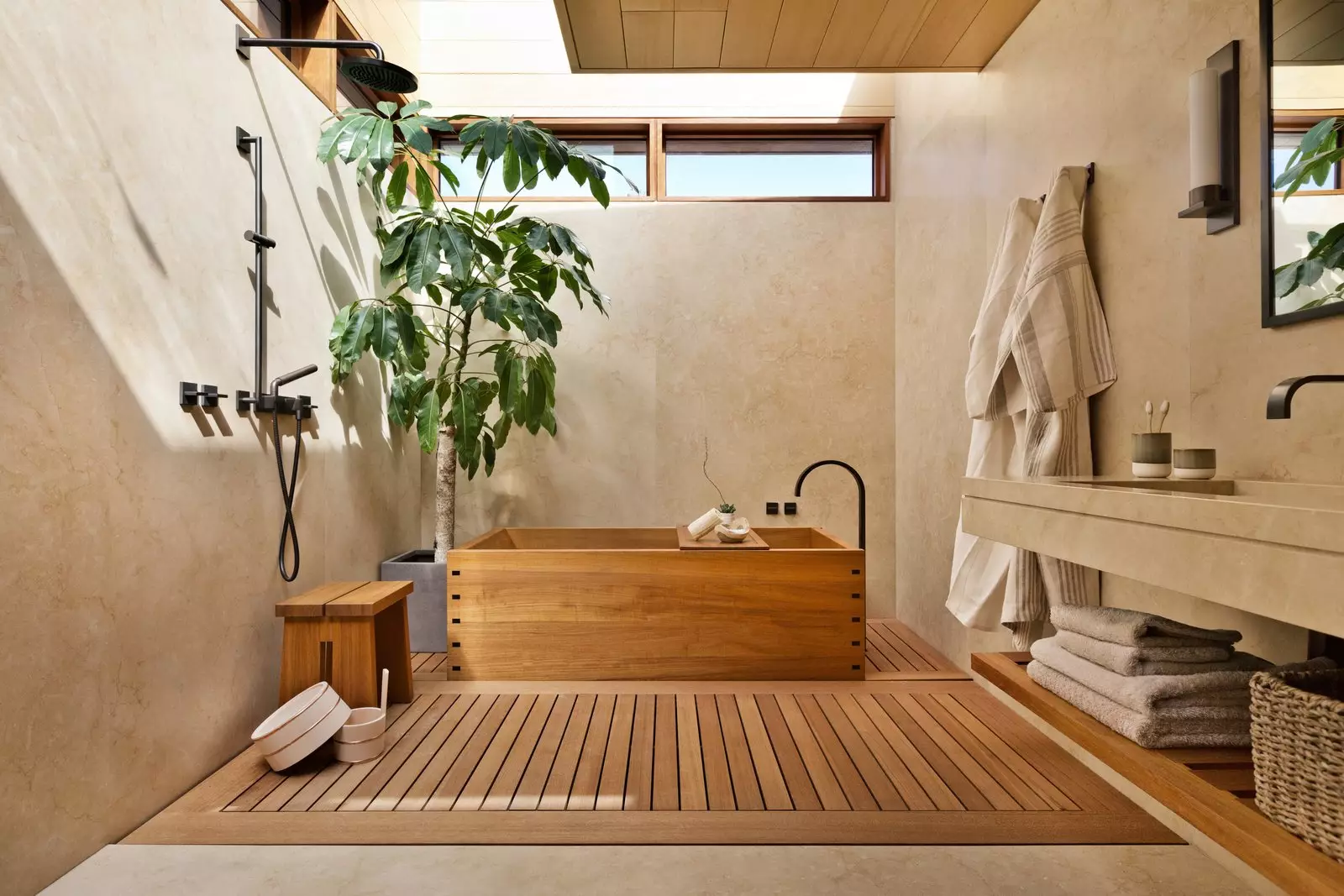
Ofuro tubs are deep and small. They allow full-body soaking in warm water. Made from wood or modern materials, these tubs invite relaxation. Soaking helps relieve stress and improves circulation. It is a key ritual in Japanese bathing culture.
Wooden Features
Wood adds warmth and natural beauty. Cedar and cypress are common choices. Wooden floors, walls, and accessories create a cozy feel. Wood also resists moisture and lasts long. Its natural scent enhances the calming bathroom mood.
Stone Accents
Stone brings a solid, earthy touch. Smooth stones line floors or walls. Pebbles often decorate shower areas for texture. Stone contrasts wood softly while keeping the space natural. It helps ground the design in nature.
Sliding Doors
Sliding doors save space and add elegance. They often use translucent paper or glass panels. These doors create privacy without blocking light. Sliding doors maintain an open, airy feeling in the bathroom. They reflect traditional Japanese architecture.
Creating A Serene Atmosphere
Creating a serene atmosphere is key in Japanese design bathrooms. It brings calmness and peace. Every element works to relax the mind and body.
Simple design and natural touches help build this calm space. The bathroom becomes a quiet retreat from daily stress.
Soft Lighting Techniques
Soft lighting creates a warm and gentle glow. Use paper lanterns or dimmable lights for a soothing effect. Avoid harsh or bright bulbs. Light placed behind screens or frosted glass softens the room. This type of lighting calms the eyes and mind.
Incorporating Plants
Plants bring nature inside and improve air quality. Small bamboo, bonsai, or ferns fit well in Japanese bathrooms. Place them near windows or on shelves. Their green color adds freshness and life. Plants also help reduce stress and increase relaxation.
Water Features
Water features add gentle sounds and a peaceful vibe. A small indoor fountain or a shallow basin works well. The soft trickling sound masks noise and soothes the senses. Water symbolizes purity and renewal in Japanese culture. It enhances the bathroom’s tranquil atmosphere.
Space-saving Solutions
Japanese design bathrooms focus on using every inch wisely. Space-saving solutions make small bathrooms feel open and calm. These ideas combine function and style without clutter. The design respects simplicity and natural flow.
Compact Fixtures
Fixtures in Japanese bathrooms are small but effective. Toilets, sinks, and bathtubs take less space. They fit perfectly in tight corners or narrow rooms. This helps keep the room spacious and easy to move in. Compact fixtures do not reduce comfort or quality.
Multi-functional Areas
Areas in the bathroom serve more than one purpose. A bench might double as storage or a place to sit. Shower and bath zones can share space without crowding. This clever use of space supports a smooth daily routine. Multi-functional design adds value to small rooms.
Smart Storage Ideas
Storage in Japanese bathrooms is hidden and smart. Shelves built into walls hold towels and toiletries neatly. Cabinets have sliding doors to save room. Hooks and racks use vertical space for hanging items. These storage ideas keep the bathroom tidy and peaceful.
Modern Touches In Japanese Design
Modern Japanese bathroom design balances simplicity with advanced technology. It combines calm, natural elements with smart features. The result is a clean, efficient space that feels relaxing and fresh.
Designers use new materials and smart fixtures to add comfort and style. This blend creates bathrooms that honor tradition but fit today’s needs. The modern touches make Japanese bathrooms both practical and peaceful.
High-tech Fixtures
Japanese bathrooms often include advanced fixtures. Toilets with heated seats and automatic lids are common. Showers may have multiple spray settings and temperature controls. These features improve comfort and hygiene. Smart mirrors with lighting and defoggers enhance the experience. Technology in Japanese bathrooms focuses on ease and cleanliness.
Contemporary Materials
Modern Japanese bathrooms use sleek, durable materials. Stone, glass, and wood appear in natural tones. These materials blend beauty with function. They resist moisture and are easy to clean. Matte finishes and smooth surfaces add a subtle elegance. The materials support the minimalist style while ensuring long-lasting quality.
Blending Tradition With Innovation
Japanese design merges old and new ideas smoothly. Traditional soaking tubs sit alongside digital controls. Natural elements like bamboo contrast with polished tiles. The space feels balanced and calm. This fusion respects heritage while embracing modern comfort. It creates a unique, serene bathroom environment.
Color Palettes And Textures
Color palettes and textures play a crucial role in Japanese bathroom design. They create a calm and inviting atmosphere. These elements reflect nature and simplicity. The choice of colors and materials brings balance and peace to the space.
Earthy Tones
Earthy tones dominate Japanese bathrooms. Shades like soft browns, muted greens, and warm beiges are common. These colors connect the indoors with the natural world. They provide a sense of warmth and comfort. Earthy tones also make the bathroom feel grounded and serene.
Natural Textures
Natural textures add depth and interest without overwhelming the space. Wood, stone, and bamboo are popular materials. Their organic feel enhances the connection to nature. These textures create a tactile experience that soothes the senses. Using natural textures keeps the design simple yet rich.
Subtle Contrasts
Subtle contrasts highlight the beauty of the materials and colors. Light and dark shades are paired carefully to avoid harshness. Soft contrasts bring out the details in wood grain or stone patterns. This approach maintains harmony and balance. It helps the bathroom feel peaceful and well thought out.
Practical Tips For Renovation
Renovating a Japanese design bathroom requires thoughtful planning and attention to detail. Practical tips help create a space that blends style with function. Focus on materials, space, and craftsmanship for the best results.
Selecting The Right Materials
Choose natural materials like wood and stone for an authentic look. These materials offer durability and a calming aesthetic. Opt for water-resistant finishes to protect surfaces. Simple textures and neutral colors maintain a peaceful atmosphere. Avoid overly shiny or artificial materials that disrupt harmony.
Maximizing Small Spaces
Japanese bathrooms often use space efficiently. Use compact fixtures to save room. Install built-in shelves to keep essentials organized. Sliding doors reduce space taken by swinging doors. Consider multi-functional furniture to add storage without clutter. Keep the design minimal to enhance openness.
Hiring Skilled Craftsmen
Expert craftsmen understand Japanese design principles well. They ensure precise installation and high-quality finishes. Skilled workers can handle delicate woodwork and tile placement. Hire professionals experienced in traditional and modern Japanese styles. Their expertise guarantees a bathroom that feels authentic and lasts long.
Credit: www.hackrea.net
Japanese Bathroom Inspiration In Austin, Texas
Japanese bathroom design is gaining popularity in Austin, Texas. The style focuses on simplicity, natural materials, and calm spaces. Many Austin homeowners seek this look for a peaceful retreat at home.
Japanese bathrooms blend function with beauty. They often feature wood, stone, and clean lines. This approach fits well with Austin’s appreciation for nature and modern living.
Local Design Trends
Austin designers favor minimalism and natural textures. Bamboo and cedar wood appear in many bathroom projects. Matte black fixtures and soft lighting add to the ambiance. Japanese soaking tubs and open showers are common choices. Plants and stones bring a touch of nature indoors.
Where To Find Materials
Several Austin shops offer materials for Japanese-style bathrooms. Specialty stores carry bamboo panels, rice paper screens, and stone tiles. Local nurseries provide plants like bonsai and ferns. Hardware stores stock simple, modern fixtures. Many suppliers focus on eco-friendly and sustainable options.
Popular Design Services
Design firms in Austin specialize in Japanese bathroom concepts. They help with layout, lighting, and material selection. Some offer custom woodwork and built-in storage solutions. Many designers emphasize creating a spa-like atmosphere. These services fit well with Austin’s growing demand for serene home spaces.
Frequently Asked Questions
What Defines A Japanese Design Bathroom Style?
A Japanese design bathroom emphasizes simplicity, natural materials, and minimalism. It features clean lines, uncluttered spaces, and a tranquil atmosphere inspired by nature. The focus is on functionality, balance, and creating a peaceful spa-like environment.
How To Achieve A Modern Japanese Bathroom Design?
To create a modern Japanese bathroom, use natural wood, stone, and neutral colors. Incorporate a deep soaking tub, simple fixtures, and sliding doors. Keep decor minimal and add plants for a calming, organic feel.
What Is The Typical Layout Of A Japanese Bathroom?
A Japanese bathroom often separates the washing area from the soaking tub. The layout includes a shower space for cleansing before entering the tub. This design promotes relaxation and hygiene, following traditional bathing rituals.
Are Japanese Bathroom Designs Suitable For Small Spaces?
Yes, Japanese bathroom designs maximize small spaces by using efficient layouts and minimal decor. Multi-functional fixtures and compact soaking tubs help save space while maintaining a serene and functional environment.
Conclusion
Japanese design bathrooms blend simplicity with nature’s calm. They focus on clean lines and natural materials. Every element serves a clear purpose without clutter. This style creates a peaceful, relaxing space for daily use. Small or large, these bathrooms feel open and fresh.
Embracing this design can turn your bathroom into a serene retreat. Try adding wooden accents, soft lighting, and minimal decor. The result invites calm and balances function with beauty. A Japanese design bathroom brings harmony and comfort to your home.

