
When you’re designing a dungeon, every detail matters—especially the floor. The right dungeon floor texture can transform a simple space into a mysterious, immersive environment that pulls you and your players deeper into the adventure.
Whether you’re creating a game map, crafting a tabletop battlemap, or working on a digital project, your dungeon floor sets the tone and atmosphere. Imagine cold, cracked stones underfoot or damp, moss-covered tiles that hint at hidden dangers lurking nearby.
You’ll discover how to choose and create dungeon floor textures that bring your fantasy world to life, making your dungeon feel real, gritty, and unforgettable. Ready to take your dungeon design to the next level? Keep reading to learn the secrets behind perfect dungeon floor textures.
Materials For Dungeon Floors
Dungeon floors set the scene for adventure and mystery. The choice of materials shapes the mood and feel of these underground spaces. Textures bring life to floors, making them look real and worn by time. Using the right materials creates atmosphere and depth.
Common Stone Types
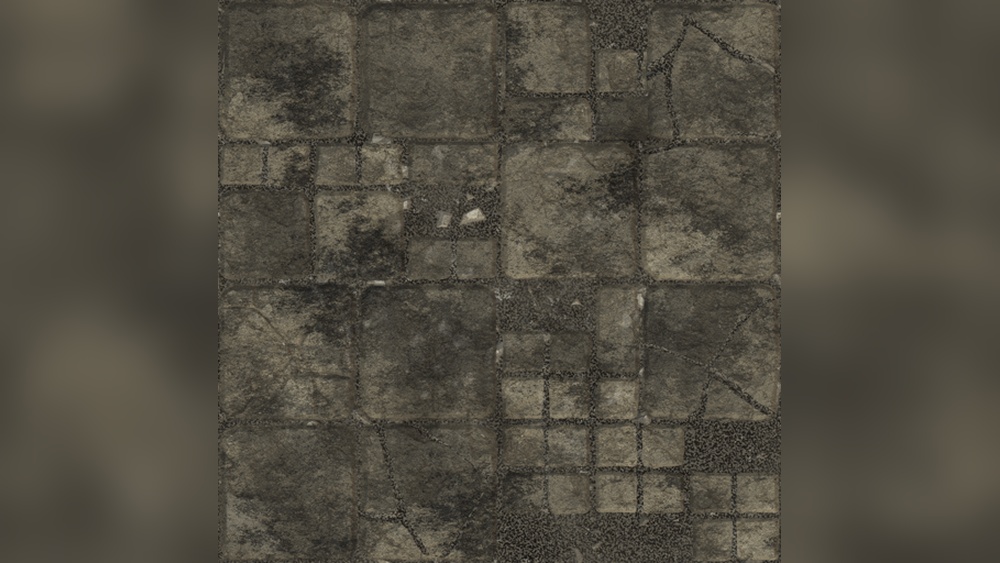
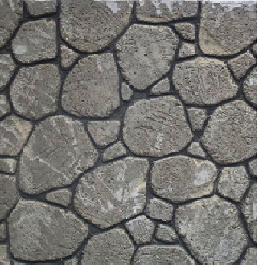
Stone is the most popular material for dungeon floors. Granite, limestone, and slate offer durability and texture. These stones show cracks and chips, hinting at age and use. Rough stone surfaces add grit and realism to the scene. Their natural colors range from gray to dark brown, perfect for dungeon settings.
Wood And Metal Elements
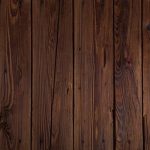
Wood adds warmth and contrast to stone floors. Old wooden planks or beams can break up cold stone patterns. Metal grates or iron plates introduce industrial details. Rust and wear on metal parts tell stories of battles and neglect. Combining wood and metal brings variety and interest to dungeon floors.
Pbr Materials Explained
PBR stands for Physically Based Rendering. It simulates how light interacts with real-world surfaces. PBR materials create realistic reflections, shadows, and textures. These materials include maps for color, roughness, and normal details. Using PBR helps dungeon floors look convincing in different lighting conditions. It enhances immersion and visual quality in games and art.
Credit: forum.profantasy.com
Creating Realistic Textures
Creating realistic dungeon floor textures is key to building immersive game environments. These textures set the mood and enhance player experience. By focusing on detail and depth, textures come alive. Realism comes from careful layering, style choice, and subtle aging effects. Each step adds more life and authenticity to the dungeon floor.
Layering Techniques
Start with a base layer representing the main material, like stone or dirt. Add secondary layers for details such as cracks, moss, or dirt patches. Use blending modes to merge layers smoothly. Overlay textures can add depth and variation. Layering helps avoid flat, boring floors. It creates complexity that feels natural and worn.
Hand-painted Vs Photorealistic
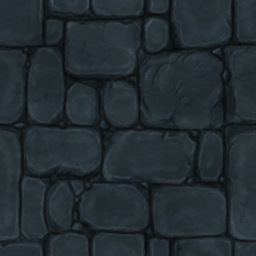
Hand-painted textures offer a stylized, artistic look. They highlight shapes and colors clearly. Photorealistic textures mimic real surfaces with high detail. Choose hand-painted for fantasy or cartoon styles. Pick photorealistic for gritty, lifelike settings. Both styles require attention to lighting and shadows. Keep consistency with the game’s art direction.
Adding Wear And Tear
Wear and tear make floors believable. Add scratches, chipped edges, and stains. Use dirt buildup in corners or cracks. Subtle cracks and broken tiles suggest age. Include faded colors and uneven surfaces. These details show the floor has a history. Wear patterns also guide player movement and focus.
Design Styles For Dungeon Floors
Design styles for dungeon floors play a key role in creating the right atmosphere. The texture and look set the mood for players and viewers. Choosing the right style helps tell a story without words. Dungeon floors can be simple or complex, dark or vibrant, clean or dirty. Each design style brings a unique feel to the environment.
Stylized Vs Realistic Approaches
Stylized dungeon floors often use bold colors and clear shapes. They look cartoon-like or hand-painted. This style suits games or stories with a fantasy or light-hearted tone. Stylized textures are easy to read and add charm.
Realistic dungeon floors focus on details like cracks, stones, and wear. They mimic real materials and lighting. This style fits horror or dark fantasy themes. Realistic textures create immersion and tension.
Fantasy Themes
Fantasy dungeon floors include magical elements and unusual patterns. They may show glowing runes or ancient symbols. Colors can be vibrant or mystical. This style sparks imagination and wonder. It fits well with mythical creatures and enchanted settings.
Grunge And Dirt Effects
Grunge and dirt effects add age and decay to dungeon floors. They show mud, stains, moss, and cracks. This style makes dungeons feel lived-in and dangerous. It adds realism and a sense of history. Such textures enhance suspense and mystery.
Credit: www.deviantart.com
Tools And Software
Creating realistic and detailed dungeon floor textures requires the right set of tools and software. These tools help artists design, paint, and enhance textures to fit various dungeon styles. Whether you work on 2D or 3D projects, choosing suitable software is essential. The right tools improve workflow and final results.
Popular Texture Creation Tools
Many artists use software like Adobe Photoshop for painting and editing textures. It offers powerful brushes and layering options. Another popular tool is Substance Painter by Adobe. It allows users to create detailed PBR textures with ease. Blender is a free 3D software that also supports texture painting and UV mapping. It is widely used for both modeling and texturing. Krita is a free alternative for digital painting. It works well for hand-painted dungeon floor textures.
Using Pbr Texture Packs
PBR stands for Physically Based Rendering. PBR texture packs include maps like albedo, normal, roughness, and height. These maps combine to create realistic lighting effects on dungeon floors. Using PBR packs saves time and adds depth to your designs. Many artists buy or download ready-made PBR packs for stone, dirt, and tile floors. These packs fit well in game engines like Unity and Unreal Engine. They help achieve consistent and believable dungeon environments.
Free Resources And Assets
Free dungeon floor textures and assets are widely available online. Websites like OpenGameArt and Freepik offer downloadable textures for personal and commercial use. BlenderKit provides free stylized PBR materials directly inside Blender. Reddit communities often share custom textures and tips for creating dungeon floors. These free resources help beginners practice and improve without extra cost. Always check the license to ensure proper use of free assets.
Implementing Textures In Games
Implementing textures in games enhances visual depth and realism. Textures bring surfaces to life, especially in dungeon floors. Proper use of textures creates immersive environments that engage players. Developers must focus on seamless integration and performance. This section explores key aspects of using dungeon floor textures effectively.
Tileable Textures And Seamlessness
Tileable textures repeat without visible edges. They cover large surfaces smoothly. Seamlessness avoids breaks that distract players. Creating tileable dungeon floor textures requires careful design. Artists blend edges to ensure continuous patterns. This technique saves memory by reusing textures. It also speeds up rendering by limiting texture variations.
Optimizing For Performance
Optimized textures improve game speed and responsiveness. Developers reduce texture size without losing quality. Compression formats help maintain details while saving memory. Mipmaps generate smaller versions for distant views. This reduces strain on graphics hardware. Efficient texture loading prevents frame drops and lag. Balancing quality and performance is key for smooth gameplay.
Integrating With Game Engines
Game engines like Unity and Unreal support texture maps and shaders. Importing dungeon floor textures requires correct format and resolution. Setting up materials controls texture appearance under different lighting. Normal and specular maps add realism by simulating bumps and reflections. Engines allow real-time adjustments for perfect look and feel. Proper integration ensures textures enhance the gaming experience.
Tips For Custom Floor Textures
Designing custom dungeon floor textures enhances your game’s atmosphere. Small details make big differences in player immersion. Focus on three key areas to create compelling and unique floors. Each step builds on the last, ensuring a polished final result.
Color Palette Selection
Choose colors that match the dungeon’s mood and theme. Dark, muted tones create a gloomy feeling. Earthy shades add realism to stone or dirt floors. Use a limited palette to keep textures cohesive. Contrast helps highlight important floor details.
Creating Depth And Detail
Add shadows and highlights for a 3D effect. Use subtle cracks, stains, or moss to increase realism. Layer textures to simulate wear and age. Avoid flat surfaces; depth draws players’ eyes and adds interest. Small imperfections make floors feel lived-in.
Testing And Refining Textures
Apply textures in different lighting conditions. Check how textures look from various angles and distances. Adjust colors and details based on tests. Use feedback from others to spot flaws. Repeat testing until textures look natural and clear.
Inspiration And References
Finding inspiration and references is key to creating realistic dungeon floor textures. Great designs come from understanding classic styles and modern trends. Studying various sources helps in crafting textures that fit the mood of your dungeon. This section explores famous dungeon designs, community resources, and showcases top textures for your projects.
Famous Dungeon Designs
Many iconic dungeons come from classic games and movies. Designs from titles like “The Legend of Zelda” and “Dark Souls” offer rich visual ideas. These dungeons often use stone, cracked tiles, or ancient ruins as floor textures. Gothic castles and medieval prisons provide atmospheric patterns. Study their use of color, wear, and detail to inspire your own work.
Community Resources
Online communities share textures and tips freely. Websites like DeviantArt and OpenGameArt host thousands of dungeon floor textures. Forums and Reddit groups offer advice and free downloads. Many creators post tutorials on making handpainted or PBR textures. These resources help beginners and pros improve texture quality quickly.
Showcase Of Top Textures
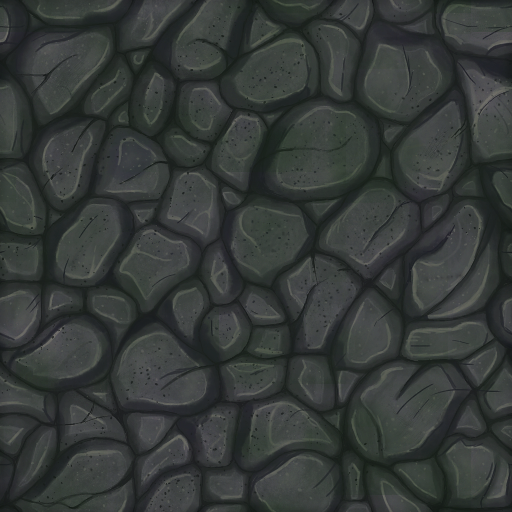
Some textures stand out for their detail and versatility. Handpainted stone floors add a classic, artistic touch. PBR materials give realistic depth and lighting effects. Stylized bricks and tiles work well for fantasy settings. High-resolution seamless textures ensure smooth tiling in games. Using these top textures can elevate your dungeon’s visual appeal instantly.
Credit: opengameart.org
Frequently Asked Questions
What Is Dungeon Floor Texture In Game Design?
Dungeon floor texture is a visual pattern applied to floors in dungeon environments. It enhances realism, mood, and immersion in games by simulating materials like stone or dirt. These textures help create atmospheric and thematic dungeon settings for players.
How To Create Realistic Dungeon Floor Textures?
To create realistic dungeon floor textures, use high-resolution images of stone, dirt, or tiles. Incorporate wear, cracks, and dirt effects. Utilize software like Photoshop or Substance Painter for details. Adding normal and bump maps improves depth and lighting realism.
Where To Find Free Dungeon Floor Textures?
Free dungeon floor textures are available on sites like Freepik, OpenGameArt, and BlenderKit. These platforms offer high-quality, royalty-free textures for commercial and personal use. Always check licensing terms before downloading and using textures in your projects.
Why Are Dungeon Floor Textures Important In Rpgs?
Dungeon floor textures set the tone and atmosphere in RPGs. They guide player movement, highlight interactable areas, and enhance visual storytelling. Proper textures improve game immersion and help differentiate dungeon zones for better gameplay experience.
Conclusion
Dungeon floor textures add depth and realism to any dungeon design. They set the mood and guide players through the space. Choosing the right texture can make your dungeon feel old, mysterious, or dangerous. Simple patterns work well for beginners, while detailed textures suit advanced creators.
Experiment with colors and styles to find what fits your game. Remember, a good texture helps players imagine the story better. Keep textures consistent for a smooth visual experience. With the right floor texture, your dungeon becomes more immersive and fun to explore.