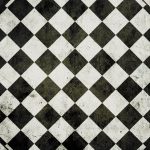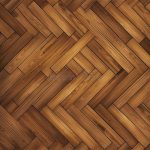

When it comes to choosing the perfect flooring for your home, texture plays a bigger role than you might think. Have you ever walked across a floor and felt that inviting, natural touch beneath your feet?
That’s the magic of laminate floor texture. It’s not just about looks—it’s about creating a space that feels warm, authentic, and truly yours. Whether you want the cozy charm of wood grain or a sleek, modern finish, understanding laminate floor textures can transform your room’s entire vibe.
Ready to discover how the right texture can elevate your home’s style and comfort? Let’s dive into everything you need to know about laminate floor texture and how to pick the best fit for your space.
Benefits Of Textured Laminate
Textured laminate flooring offers many advantages beyond looks. It adds character and practical benefits to any room. The surface texture enhances the floor’s function and style. Many homeowners choose textured laminate for its strong performance and natural feel.
Enhanced Durability
Textured laminate floors resist scratches and dents better. The raised texture hides small damages from daily wear. This makes the floor last longer in busy homes. It also protects the surface from heavy furniture marks.
Improved Slip Resistance
Textured surfaces provide better grip underfoot. This reduces slipping risks on smooth floors. It is safer for children and elderly family members. Wet or dry, textured laminate offers more traction and confidence.
Realistic Appearance
The texture mimics real wood or stone grain closely. It gives the floor a natural, authentic look. This makes laminate floors harder to distinguish from real materials. The texture adds depth and beauty to the design.
Popular Laminate Textures
Laminate flooring offers a variety of textures to suit different tastes and needs. Each texture adds a unique look and feel to the floor. Choosing the right texture can enhance the beauty of any room. Here are some popular laminate floor textures that homeowners prefer.
Embossed In Register
Embossed in Register (EIR) texture mimics the natural grain of wood. It aligns the texture with the printed design below. This creates a realistic wood appearance you can feel underfoot. EIR adds depth and character to laminate floors. It is a popular choice for those who want an authentic look.
Hand-scraped Finish
The hand-scraped finish shows marks that look like they were made by hand tools. It gives the floor a rustic and aged appearance. This texture hides scratches and dents well. It suits homes that want a cozy and traditional style. Hand-scraped laminate adds warmth to any space.
Wire-brushed Surfaces
Wire-brushed surfaces have a slightly rough texture created by brushing the wood. This removes the softer wood and leaves a subtle grain pattern. The effect is a natural, worn look without harsh roughness. Wire-brushed laminate is durable and hides wear effectively. It works well in busy areas of the home.
Smooth And Glossy Options
Smooth and glossy laminate floors have a sleek and shiny surface. They reflect light and create a bright, clean look. This texture is easy to clean and maintain. Smooth laminates suit modern and minimalist interiors. They provide a polished finish that enhances room brightness.
Choosing The Right Texture
Choosing the right laminate floor texture shapes the look and feel of your room. Texture affects comfort underfoot and impacts the room’s style. The right texture blends beauty with function. It also helps the floor last longer and stay cleaner. Consider key factors to find the best texture for your space.
Matching Interior Styles
Different textures suit different interior styles. Smooth laminate fits modern, sleek rooms well. Textured laminate mimics natural wood and suits rustic or traditional decor. Light textures add subtle depth without overwhelming the room. Bold textures create a strong visual statement. Pick a texture that complements your furniture and walls.
Considering Foot Traffic
High foot traffic areas need durable textures. Textured laminate hides scratches and dirt better than smooth. Smooth surfaces show wear quickly in busy spots. Choose embossed or hand-scraped textures for hallways or kitchens. Low traffic rooms can use smoother, delicate textures for a refined look.
Maintenance And Cleaning
Smooth laminate is easier to clean with simple sweeping and mopping. Textured floors require more effort to remove dust from grooves. Avoid heavy textures in spaces prone to spills or dirt. Regular cleaning keeps all textures looking fresh. Consider your cleaning routine before selecting a texture.

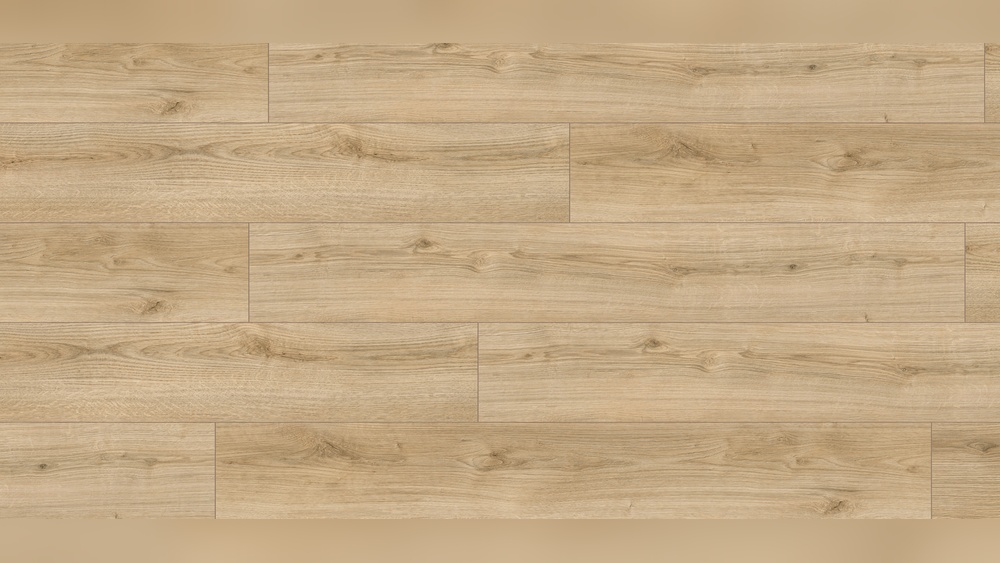
Credit: www.builddirect.com
Latest Trends In Laminate Flooring
Laminate flooring continues to evolve with fresh textures and patterns. These new designs bring style and durability together. Homeowners can now enjoy floors that look natural and feel unique. The latest trends focus on mimicking natural materials and mixing styles. This variety helps match any interior design easily. Below are some popular laminate floor textures gaining attention today.
Natural Wood Look
Laminate floors now offer realistic wood textures. The grain patterns and knots appear genuine and detailed. Some designs even have embossed surfaces that feel like real wood. This style suits cozy and classic home themes well. It adds warmth and charm without the high cost of hardwood.
Stone And Tile Textures
Stone and tile laminate floors give a chic, modern vibe. These textures mimic marble, slate, or ceramic tiles closely. They add elegance and a sleek finish to kitchens and bathrooms. Many come with a slight gloss or matte finish for added depth. This trend suits minimalist and contemporary spaces perfectly.
Mixed Material Designs
Combining wood, stone, and other textures creates unique looks. These mixed designs break the monotony of traditional flooring. Patterns may include wood planks alongside stone-like tiles in one room. This trend adds visual interest and a custom feel. It works well in open-plan homes and eclectic interiors.
Laminate Vs Other Flooring Textures
Laminate flooring offers a unique texture that mimics natural materials. This texture affects its look, feel, and performance. Comparing laminate with other flooring textures helps in choosing the best option for any space. Each flooring type has distinct qualities in texture, durability, and cost. Understanding these differences guides a smart flooring decision.
Comparison With Vinyl
Vinyl flooring is smooth and soft underfoot. Laminate usually has a harder surface with a wood-like texture. Vinyl can imitate wood, stone, or tile patterns but lacks the embossed texture of laminate. Laminate textures often include grooves and raised grain to feel like real wood. Vinyl resists water better but can feel less natural than laminate.
Differences From Hardwood
Hardwood floors have natural wood grain and texture. Laminate replicates this look but uses a photographic layer. Hardwood texture varies with each plank. Laminate texture is consistent and embossed to match wood grain. Hardwood can be sanded to refresh texture; laminate cannot. Hardwood feels warmer and more authentic underfoot.
Cost And Longevity Factors
Laminate flooring is generally cheaper than hardwood. It offers good durability but less than hardwood. Laminate resists scratches but is vulnerable to water damage. Hardwood lasts longer with proper care and can be refinished multiple times. Vinyl tends to have a longer lifespan in wet areas but may lack laminate’s textured appeal. Cost differences reflect these durability and texture traits.

Credit: www.flooranddecor.com
Installation Tips For Textured Laminate
Textured laminate flooring adds depth and character to any room. Proper installation ensures the texture looks natural and lasts long. Follow these simple tips to install textured laminate flooring with ease and precision.
Subfloor Preparation
Start with a clean, dry, and level subfloor. Remove any dirt, nails, or debris that may cause bumps. Use a leveling compound for uneven areas. A smooth base prevents damage and keeps the texture consistent.
Acclimation Process
Let the laminate planks sit in the room for at least 48 hours. This helps the material adjust to the room’s temperature and humidity. Proper acclimation reduces expansion or contraction after installation, preserving the texture’s look.
Seamless Pattern Alignment
Arrange planks to match the textured pattern carefully. Avoid random placement to keep the natural wood or stone look. Use spacers and check joints frequently for tight, even seams. This creates a flawless surface that highlights the texture.
Maintaining Textured Floors
Textured laminate floors add style and depth to any room. Maintaining these floors keeps their look fresh and vibrant. Proper care preserves their texture and extends their life.
Regular maintenance prevents dirt buildup in grooves and ridges. It also reduces wear and tear from daily use. Follow simple steps to keep textured laminate floors clean and beautiful.
Cleaning Techniques
Use a soft broom or vacuum with a hard floor setting. This removes dust without scratching the surface. Mop with a damp cloth or microfiber mop. Avoid soaking the floor with water to prevent damage.
Choose a cleaner made for laminate floors. Spray lightly and wipe in the direction of the texture. This removes dirt from grooves without leaving residue. Dry the floor quickly to prevent water spots.
Preventing Damage
Place felt pads under furniture legs to avoid scratches. Use rugs in high-traffic areas to protect the floor. Avoid walking on floors with sharp objects or high heels.
Keep pet nails trimmed to reduce scratches. Clean spills immediately to prevent stains and warping. Maintain a stable indoor humidity to avoid floor expansion or contraction.
Restoration Options
Minor scratches can be hidden with laminate repair kits. These kits match the floor’s texture and color. For deeper damage, consider replacing individual planks.
Professional refinishing is not recommended for laminate floors. It may damage the texture and wear layer. Regular care helps avoid costly repairs and keeps floors looking new.
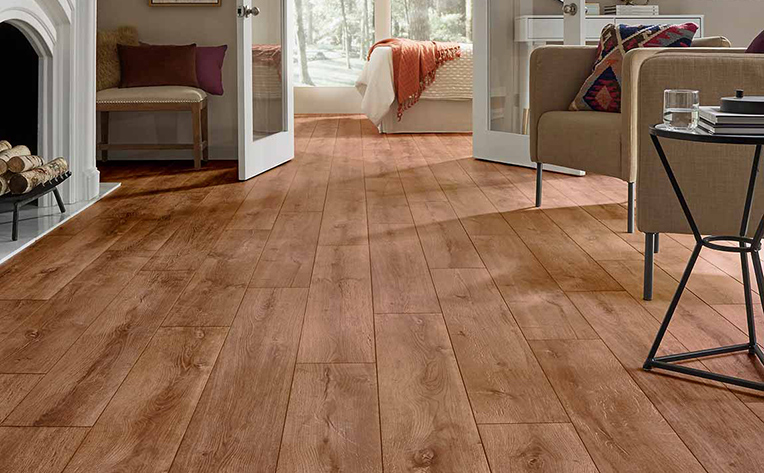
Credit: www.flooringamerica.com
Frequently Asked Questions
Does Laminate Flooring Have Texture?
Laminate flooring offers both textured and smooth finishes. Textured options mimic natural wood grain, adding depth and realism to floors. This texture enhances appearance and provides slight grip underfoot. Choosing textured laminate improves style and comfort in any room.
What Is The New Trend In Laminate Flooring?
The new trend in laminate flooring features realistic textures like embossed wood grain and natural stone finishes. These enhance durability and visual appeal.
Do High End Homes Use Laminate Flooring?
High-end homes sometimes use laminate flooring for its durability and realistic wood look. It offers cost-effective luxury alternatives.
What Looks Nicer, Laminate Or Vinyl?
Vinyl flooring looks more natural and durable with better water and scratch resistance. Laminate offers stylish wood-like appearance but scratches easier. Vinyl suits high-traffic areas; laminate works well for budget-friendly, decorative spaces. Both look good; choice depends on style preference and usage needs.
Conclusion
Textured laminate floors add depth and character to any room. They offer a natural, wood-like feel underfoot. Choosing the right texture helps match your style and needs. Textured surfaces hide scratches and wear better than smooth floors. Installation and maintenance stay simple with laminate options.
Consider your space’s use and lighting when deciding. Textured laminate flooring balances beauty and practicality well. It remains a popular choice for many homeowners today. Explore textures to find the perfect fit for your home.