
Are you looking to add a unique charm and timeless appeal to your space? Vintage floor textures offer a perfect way to bring warmth, character, and history right under your feet.
Whether you’re renovating a room or designing a new one, incorporating vintage floor textures can transform the entire atmosphere, making it cozy and inviting. Imagine the stories each crack, pattern, or worn wood plank can tell—these textures don’t just cover your floors; they add personality to your home or project.
Ready to discover how vintage floor textures can elevate your design and inspire your creativity? Keep reading to explore stunning options, practical tips, and expert insights that will help you make your floors truly unforgettable.
Vintage Floor Materials
Vintage floor materials offer timeless charm and unique character to any space. These materials showcase rich textures and colors from the past. They bring warmth and authenticity to interiors. Choosing the right vintage floor material creates a cozy, nostalgic atmosphere.
Each material type has distinct qualities. They range from natural wood to sturdy stone. Understanding these options helps in picking the perfect vintage floor texture.
Wood Planks And Hardwood
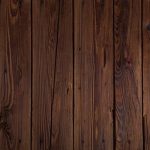
Wood planks and hardwood floors are classic vintage choices. They show natural grain patterns and knots. These floors age beautifully, developing a rich patina over time. Hardwood is durable and easy to maintain. It fits well in traditional and rustic designs. Vintage wood floors add warmth and depth to rooms.
Ceramic And Porcelain Tiles
Ceramic and porcelain tiles offer colorful vintage patterns. These tiles often feature floral or geometric designs. They provide a smooth, cool surface underfoot. Tiles resist moisture, making them ideal for kitchens and bathrooms. Vintage tiles bring artistic flair and a retro vibe. Their durability keeps them looking good for decades.
Marble And Stone Surfaces
Marble and stone floors add elegance and timeless beauty. Marble features unique veining that creates natural artwork. Stone surfaces like slate or limestone offer rugged texture. These materials are strong and long-lasting. Their cool touch suits warmer climates well. Vintage stone floors deliver a refined, historic appeal.
Concrete And Cement Textures
Concrete and cement floors can have vintage charm too. Aging concrete shows cracks and worn spots. These features add character and a story to the floor. Cement tiles often display traditional patterns and colors. Concrete floors are low maintenance and versatile. Vintage concrete textures fit industrial and minimalist styles.
Design Patterns
Vintage floor textures bring timeless charm to any space. Their design patterns reflect history and style from past decades. Each pattern tells a story through shapes and colors. These designs add personality and character to floors. They also create a unique atmosphere in rooms. Exploring popular vintage floor patterns helps in choosing the right style for your home or project.
Checkered And Geometric Styles
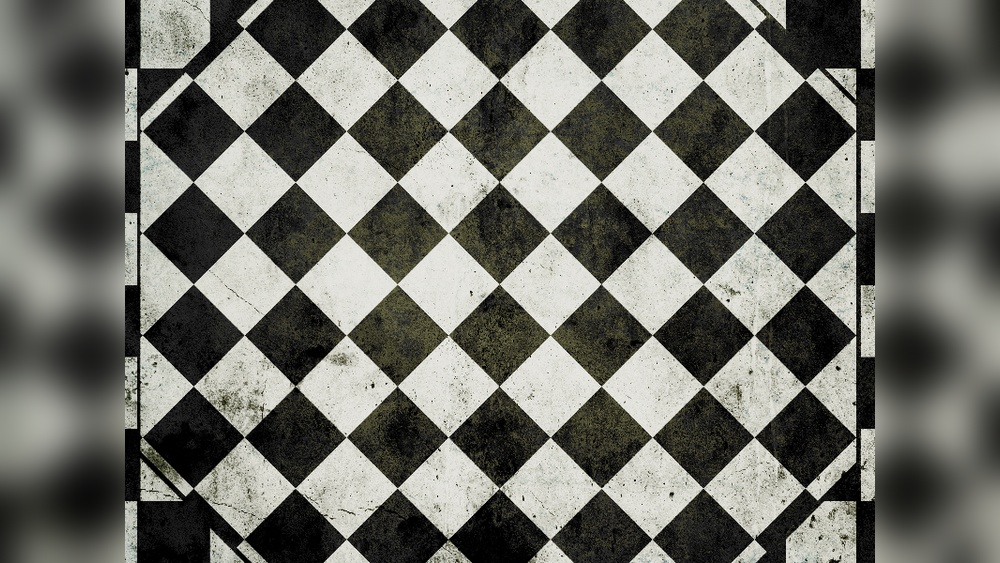
Checkered floors use alternating light and dark squares. This pattern creates a bold and classic look. Geometric styles include triangles, hexagons, and other shapes. They offer a structured and artistic appearance. These patterns fit well in kitchens, hallways, and vintage shops. The repetition of shapes brings order and rhythm to floors.
Floral And Ornamental Motifs
Floral designs showcase flowers, vines, and leaves. Ornamental motifs include scrolls and intricate curves. These patterns add elegance and softness to hard surfaces. They often appear in Victorian and Art Nouveau styles. Such floors create a welcoming and warm environment. Perfect for living rooms and cozy spaces.
Stripes And Stripped Patterns
Stripes run parallel across the floor in various widths. Stripped patterns may combine colors or textures in lines. This design elongates rooms and creates visual flow. It adds dynamic movement without overwhelming the space. Stripes suit modern and retro vintage themes alike.
Quatrefoil And Fan Shapes
Quatrefoil patterns resemble four overlapping circles or leaves. Fan shapes spread out like a hand-held fan’s ribs. These designs are common in Mediterranean and Gothic floors. They bring artistic flair and delicate detail to any room. Their curves contrast nicely with straight edges of furniture.
Color Palettes
Color palettes play a vital role in defining the charm of vintage floor textures. They set the mood and highlight the intricate details of old designs. Choosing the right palette brings warmth and character to any space. It helps create a timeless look that feels both cozy and elegant.
Earthy And Neutral Tones
Earthy and neutral tones are the heart of vintage floor textures. Shades like soft browns, warm grays, and muted greens blend naturally with wood and stone materials. These colors create a grounded, organic feel that complements rustic and farmhouse styles. They also work well in both small and large rooms, making spaces feel calm and inviting.
Warm Reds And Browns
Warm reds and browns add richness and depth to vintage floors. Terracotta, brick red, and chestnut hues bring a cozy, nostalgic vibe. These colors evoke a sense of history and tradition. They pair beautifully with worn wood and classic tile patterns. Rooms with these palettes often feel welcoming and full of life.
Soft Pastels And Beiges
Soft pastels and beiges bring a delicate, airy quality to vintage floors. Light pinks, pale blues, and creamy beiges soften the look without losing vintage charm. These shades brighten spaces while keeping a subtle, elegant style. They are perfect for vintage floors in bedrooms, living rooms, or any area needing a light touch.
Monochromatic And Muted Shades
Monochromatic and muted shades offer a refined, understated vintage appeal. Using various tones of one color creates harmony and balance. Dusty blues, faded greens, and soft grays make floors look aged yet stylish. These palettes suit minimalist or classic interiors, adding quiet sophistication without overwhelming the space.
Aging And Distressing Effects
The aging and distressing effects on vintage floor textures create a unique story. These effects show years of use and natural changes. They add character and charm to any space. Each mark, crack, and fade tells a tale of time and history. Understanding these effects helps appreciate vintage floors more deeply.
Natural Weathering
Natural weathering happens when floors face sun, rain, and wind. Wood and tiles slowly change color and texture. This process softens sharp edges and bright colors. Weathering gives floors a warm, lived-in look. It also makes each floor unique due to its exposure.
Cracks And Patina
Cracks appear as floors age and dry out. They can be small or wide and often follow the grain. Patina is a thin layer formed over time on surfaces. It adds a soft glow and depth to floors. These signs of aging enhance the vintage feel.
Faded And Worn Finishes
Faded finishes lose their original brightness. Foot traffic, cleaning, and time cause this effect. Worn areas often show the wood or tile beneath the top layer. This wear pattern creates a natural and inviting look. It also highlights the floor’s history and use.
Texture Variations
Texture variations come from different aging effects on the surface. Some areas may feel rough while others stay smooth. These changes add visual interest and depth. They also make the floor feel authentic and vintage. Texture differences tell the story of daily life on the floor.
Incorporating Vintage Floors Indoors
Vintage floor textures bring charm and warmth to indoor spaces. These floors tell stories through their worn patterns and aged materials. Incorporating vintage floors indoors creates a unique atmosphere. It blends history with modern living. Choosing the right vintage floor can change the feel of any room. Careful placement highlights the texture and design. This section explores ideas for different rooms and mixing styles.
Living Room Ideas
Vintage floors add character to living rooms. Old wood or patterned tiles create a cozy feel. Place rugs to protect delicate areas. Match furniture to the floor’s tone for harmony. Keep the space uncluttered to showcase floor texture. Soft lighting enhances the vintage look. Use vintage floors as a focal point in your design.
Kitchen And Dining Spaces
Vintage floors in kitchens bring warmth and style. Choose tile patterns that resist stains and wear. Wood floors add a rustic, inviting touch. Pair floors with simple cabinets for balance. Vintage textures contrast well with modern appliances. Floors with checkered or floral patterns brighten the room. Easy-to-clean finishes maintain beauty and function.
Bathrooms And Entryways
Bathrooms and entryways benefit from vintage floor textures. Tiles with intricate designs add elegance. Use slip-resistant finishes for safety. Vintage floors in entryways create a welcoming first impression. Combine with neutral walls to highlight floor details. Small spaces gain interest through patterned floors. Durable materials ensure long-lasting charm.
Mixing Modern And Vintage
Mixing modern and vintage floors creates fresh looks. Pair vintage wood with sleek furniture for contrast. Use vintage tiles with minimalist decor for balance. Modern rugs soften the vintage floor’s boldness. Keep colors simple to unify styles. This blend adds depth and personality to rooms. It respects history while embracing today’s trends.

Credit: www.shutterstock.com
Outdoor Applications
Vintage floor textures add charm and character to outdoor spaces. They bring a warm, timeless look that enhances any setting. Using vintage textures outdoors creates unique, inviting areas for relaxation and socializing. These textures work well in patios, walkways, gardens, and porches. Their classic appeal fits many styles, from rustic to elegant. Consider the benefits and care needed to keep vintage floors beautiful outside.
Patios And Walkways
Vintage floor textures transform patios and walkways into stylish zones. Patterns like checkered tiles or aged wood add visual interest. These surfaces invite guests to step into a cozy, welcoming environment. The natural wear in vintage textures blends well with outdoor elements. They create a soft contrast against green plants or stone features. Choose textures that complement your landscape and outdoor furniture for harmony.
Garden And Porch Flooring
Gardens and porches gain warmth with vintage floor textures. They create a peaceful, nostalgic vibe that matches nature. Textured tiles or weathered wood floors enhance garden paths and porch areas. These surfaces encourage spending more time outdoors. Their unique patterns add depth and style to simple spaces. Vintage flooring makes porches feel like an extension of the home’s personality.
Durability Considerations
Outdoor vintage floors face weather, foot traffic, and dirt. Pick materials that resist moisture, fading, and cracking. Stone, ceramic tiles, and treated wood work well for durability. Ensure the floor texture has a slip-resistant finish for safety. Proper installation helps withstand temperature changes and wear. Durable vintage floors maintain their charm despite outdoor challenges.
Maintenance Tips
Clean vintage outdoor floors regularly to keep them fresh. Use mild soap and water; avoid harsh chemicals that damage textures. Sweep dirt and debris often to prevent scratches and stains. Seal porous surfaces yearly to protect against moisture. Repair cracks or chips promptly to avoid larger problems. Good care extends the life and beauty of vintage floor textures outdoors.
Restoration And Maintenance
Restoring and maintaining vintage floor textures takes care and patience. These floors add charm and history to any space. Proper care helps keep their beauty and durability. Understanding the right steps can extend their life and preserve their unique look.
Cleaning Techniques
Use gentle cleaning methods to protect vintage floors. Avoid harsh chemicals that can damage the surface. A soft broom or vacuum removes dust and dirt daily. Damp mop with mild soap and water keeps floors fresh. Dry immediately to prevent water damage or stains.
Repairing Cracks And Chips
Small cracks and chips need quick attention. Fill cracks with suitable wood or tile fillers matching floor color. Sand lightly after filler dries to smooth the surface. For larger damage, consult a professional for proper repair. Timely fixes prevent further deterioration.
Sealing And Protective Coatings
Applying sealants protects vintage floors from wear and stains. Choose sealants that match the floor type and finish. Reapply coatings regularly based on floor use and condition. Protective finishes keep floors looking polished and increase lifespan.
Preserving Original Character
Keep the floor’s original features for authentic charm. Avoid over-sanding or replacing too many pieces. Use restoration methods that respect the floor’s history. Maintaining patina and natural wear adds value and character to vintage floors.

Credit: texturelabs.org
Sourcing Vintage Floor Textures
Sourcing vintage floor textures requires patience and a keen eye for detail. These textures add character and history to any space. Finding authentic pieces or high-quality reproductions can enhance your design project. Explore different sources to discover unique vintage floor textures that suit your style.
Antique Shops And Salvage Yards
Antique shops often carry old floor tiles and wood planks. Salvage yards specialize in reclaimed building materials. Both places offer authentic vintage textures with natural wear. Visit regularly to spot rare finds and unique patterns. These sources give floors a genuine aged look.
Specialty Flooring Retailers
Some retailers focus on vintage or reclaimed flooring. They provide restored wood, tile, and stone with vintage appeal. These retailers often guarantee quality and durability. They also help match textures to your existing decor. Choose specialty retailers for reliable vintage flooring options.
Online Marketplaces
Online platforms host sellers of vintage floor textures worldwide. You can find rare tiles, wood panels, and textured images. These marketplaces allow easy comparison of prices and styles. Always check seller reviews and product photos carefully. Online shopping broadens your access to vintage floor textures.
Custom Reproductions
Custom reproductions mimic vintage floor textures using modern methods. Skilled artisans recreate patterns and distressing effects. These offer vintage looks without the wear and tear risks. Custom floors fit specific dimensions and design needs. Choose reproductions for controlled quality and vintage charm.
Combining Textures For Impact
Combining textures in vintage floor design creates visual interest and depth. It brings life to any space by mixing old and new materials. Thoughtful texture use can transform plain floors into stunning features. The key lies in balancing various elements to maintain harmony. This section explores ways to combine textures for maximum impact.
Layering Different Materials
Layering involves placing different floor materials over or beside each other. For example, wooden planks with vintage tiles create a rich look. Combining rough and smooth surfaces adds tactile contrast. This technique enhances the vintage feel and adds warmth. Use materials that complement each other in tone and style.
Mixing Patterns And Colors
Patterns bring personality to vintage floors. Mixing checkered tiles with floral prints can create charm. Choose colors that share a similar palette to avoid clashing. Subtle variations in tone keep the design cohesive. Balance bold patterns with simpler ones for a pleasing effect.
Balancing Vintage With Contemporary
Pair vintage textures with modern elements for a fresh look. Smooth concrete floors work well with distressed wooden boards. Minimalist furnishings highlight intricate vintage floor details. Keep the color scheme neutral to blend styles easily. This balance creates timeless, inviting spaces.
Creating Focal Points
Use texture combinations to draw attention to specific areas. A vintage rug on patterned tiles creates a strong focal point. Contrasting textures highlight entryways or seating zones. Focused texture draws the eye and anchors the room. It adds character without overwhelming the space.

Credit: www.vecteezy.com
Frequently Asked Questions
What Is Vintage Floor Texture?
Vintage floor texture refers to aged or retro patterns and surfaces on flooring. It often features worn wood, distressed tiles, or classic designs that evoke nostalgia and timeless charm.
How To Achieve Vintage Floor Texture?
You can achieve vintage floor texture by using distressed wood, antique tiles, or applying special finishes. Techniques include sanding, staining, and adding cracks or wear marks for authenticity.
Where Can Vintage Floor Textures Be Used?
Vintage floor textures work well in homes, cafes, boutiques, and historic buildings. They add character to living rooms, kitchens, hallways, and commercial spaces seeking a retro or rustic look.
Are Vintage Floor Textures Durable?
Yes, vintage floor textures can be durable if properly maintained. Materials like hardwood and ceramic tiles with vintage finishes hold up well over time with regular care.
Conclusion
Vintage floor textures bring charm and character to any space. They add warmth with their worn, natural look. These textures fit well in both modern and classic designs. Choosing the right vintage floor can enhance your room’s style. Simple patterns and natural colors create a cozy atmosphere.
Vintage floors tell stories through their unique marks and grains. They offer beauty that grows richer over time. Embrace vintage floor textures to give your home timeless appeal.