
Are you looking to bring a natural, warm touch to your design projects or digital creations? High res wood floor textures can transform your work by adding rich detail and realism that captures the eye instantly.
Whether you’re designing interiors, creating game environments, or working on architectural renders, having access to crisp, seamless wood textures makes all the difference. You’ll discover how to choose the perfect high resolution wood floor texture that fits your style and needs, plus tips on using them effectively to make your visuals stand out.
Keep reading, and unlock the secret to elevating your designs with stunning wood textures!

Credit: stock.adobe.com
Benefits Of High Res Wood Textures
High resolution wood floor textures bring many advantages to digital projects. They provide clear and sharp images that capture every grain and knot. These textures help designs look natural and detailed. Choosing high res wood textures improves the overall quality and appeal of your work.
Using high resolution textures also makes editing easier. You can zoom in or crop without losing quality. This flexibility is important for both small and large projects. High res wood textures deliver rich visuals that enhance any creative design.
Enhanced Visual Detail
High resolution wood textures show fine details clearly. Every wood grain, scratch, and pattern appears sharp. This level of detail makes designs stand out. It helps viewers notice the natural beauty of wood. Textures that lack detail appear flat and dull. Using high res textures creates a more engaging visual experience.
Improved Realism In Designs
Realistic designs need textures that mimic real wood closely. High res wood textures add depth and authenticity. They capture color variations and natural imperfections. This makes digital floors look like real ones. Designers can create lifelike renderings for homes, games, or ads. Realism helps people connect with the design emotionally.
Versatility Across Projects
High resolution wood textures fit many types of projects. They work well for websites, video games, and 3D models. These textures suit both modern and traditional styles. Because they can be resized without quality loss, they adapt easily. Designers use them for backgrounds, surfaces, and details. This versatility saves time and effort in creative work.

Credit: www.freepik.com
Sources For Quality Wood Textures
Finding quality wood textures is key to creating realistic designs. High resolution wood floor textures add depth and warmth to any project. Various sources offer textures that suit different needs and budgets.
Choose textures that match your style and project requirements. The right texture enhances visual appeal and professionalism. Explore these sources for reliable, high-quality wood floor textures.
Free Texture Libraries
Free texture libraries provide a wide range of wood floor textures. Sites like Pexels and Freepik offer high resolution images. These textures are easy to download and use. Most free libraries allow commercial use with minimal restrictions. They are perfect for beginners and small projects. Quality varies, but many textures are very detailed. Ideal for quick access to diverse wood styles.
Premium Stock Platforms
Premium platforms such as Adobe Stock and iStock offer curated wood textures. These textures have consistent quality and resolution. They come with licenses for commercial projects. Premium textures often include seamless options and multiple variations. Perfect for professionals who need reliable and unique textures. Platforms provide search filters to find specific wood types. The investment ensures access to exclusive, high-quality content.
Specialized Texture Websites
Specialized websites focus solely on textures, including wood floors. Examples include Poliigon and Texture.com. They offer PBR (Physically Based Rendering) textures for realistic effects. These sites provide seamless and tileable options for 3D work. Textures often come with maps like normal and displacement. Ideal for architects, game designers, and 3D artists. Specialized sites prioritize texture detail and technical accuracy.
Types Of Wood Floor Textures
Wood floor textures add character and warmth to any room. They come in many types, each with a unique look and feel. Choosing the right texture changes the room’s style instantly.
Understanding these wood floor textures helps you pick the best fit for your space. Below are some popular types you should know.
Parquet Patterns
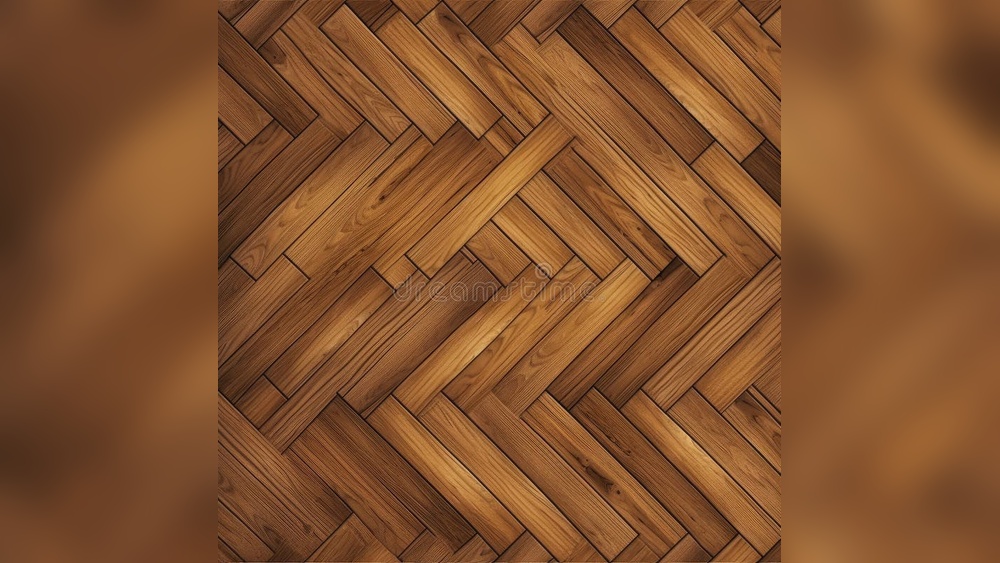
Parquet floors create designs using small wood pieces. These pieces form geometric shapes, like squares or herringbone. Parquet patterns bring an artistic touch to floors. They look elegant and classic in living rooms or halls.
Hardwood Planks
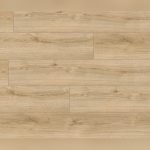
Hardwood planks are long, wide strips of wood laid side by side. They show the wood grain clearly. This texture gives a natural, timeless appearance. Hardwood planks work well in almost any room, adding warmth and comfort.
Oak And Exotic Woods
Oak floors have a strong, coarse texture with visible grain lines. They are durable and popular worldwide. Exotic woods, like teak or mahogany, offer unique colors and patterns. These woods add luxury and richness to floors.
Seamless Texture Advantages
Seamless textures bring many benefits to high resolution wood floor designs. They create a natural flow without visible edges. This smooth appearance improves the overall quality of your project.
Using seamless wood floor textures saves time and effort. It allows designers to cover large areas without worrying about mismatched joins or breaks. The result looks professional and polished.
Easy Repetition
Seamless textures repeat without showing borders or lines. This makes it simple to tile the wood floor over big surfaces. Designers avoid extra work fixing texture breaks or overlaps.
Consistent Appearance
The texture keeps a steady look across the entire floor. Each tile blends perfectly with the next. This consistency helps the wood floor appear as one continuous surface.
Reduced Visual Artifacts
Artifacts like seams or harsh edges vanish with seamless textures. The smooth connection reduces distractions in the design. This clarity enhances the realism of the wood floor.
Using Textures In Design Software
Using textures in design software enhances the realism of digital projects. Textures add depth and detail that simple colors cannot achieve. High resolution wood floor textures bring natural warmth and character to your designs. They help create lifelike environments for interiors, games, and visualizations.
Understanding how to use these textures in software allows designers to maximize their visual impact. It involves importing, applying, and adjusting textures to fit the project perfectly. Combining textures with lighting effects further enhances the final look. Below are key steps to work with high res wood floor textures effectively.
Importing And Applying Textures
Start by importing the high res wood floor texture into your design software. Most programs accept common image formats like JPEG or PNG. Place the texture on the desired surface or object. Use the software’s material editor to apply the texture as a material or skin. This step gives the object a realistic wooden appearance.
Adjusting Scale And Orientation
Textures need proper scale to look natural. Adjust the size of the wood grain and planks to fit the scene. Resize or tile the texture until it matches the object’s proportions. Rotate or flip the texture to align the wood grain direction properly. Correct orientation prevents awkward patterns and enhances realism.
Combining With Lighting Effects
Lighting changes how textures appear in a scene. Add shadows and highlights to emphasize wood grain details. Use ambient occlusion or bump maps to simulate surface depth. Reflections and glossiness settings can mimic polished or matte finishes. Proper lighting integration brings the wooden texture to life.

Credit: www.vecteezy.com
Optimizing Textures For Performance
Optimizing textures for performance is key to creating smooth, realistic wood floor visuals. High resolution textures look great but can slow down your project. Efficient texture use balances quality and speed. This helps maintain fast loading times and fluid interaction. Proper optimization also reduces memory use, which is vital for web and game projects. Focus on smart techniques to keep textures clear yet light.
Balancing Resolution And File Size
Choose a resolution that shows detail without being too large. Very high resolution can cause slow loading and lag. Lower resolutions may lose texture clarity. Find a middle ground that fits your project needs. Use resolution scaling to adjust textures for different devices. This keeps visuals sharp on large screens and light on small ones.
Compression Techniques
Compress textures to reduce file size without hurting quality. Use formats like JPEG or PNG wisely. JPEG suits photos with many colors; PNG works well for sharp edges. Tools like TinyPNG or Photoshop help compress images. Test different compression levels to find the best balance. Keep an eye on artifacts that reduce texture realism.
Using Pbr Materials
Physically Based Rendering (PBR) materials add depth and realism. They mimic how light interacts with wood surfaces. PBR uses maps like albedo, normal, and roughness. These maps give natural reflections and texture details. Using PBR improves visual quality with efficient resource use. Many free and paid PBR wood textures are available online.
Creative Applications
High resolution wood floor textures offer great detail and realism. Designers use them in many creative ways. These textures add warmth and depth to digital projects. Their natural patterns enhance visual appeal. The sharp details make scenes look more lifelike and inviting.
Using high res wood floor textures improves the quality of visual presentations. These textures fit well in various fields. They help create authentic and engaging environments. Let’s explore key creative applications of these textures.
Architectural Visualization
Architects use high resolution wood floor textures to showcase building designs. These textures help visualize flooring materials accurately. They create realistic interior and exterior views. Clients can better understand the final look of spaces. This aids in decision-making and design approval.
Game Environment Design
Game designers apply these textures to enhance game worlds. The detailed wood floors add realism to interiors and outdoor areas. Players experience more immersive environments. Textures help create unique settings and moods. They improve overall visual storytelling in games.
Interior Design Presentations
Interior designers use high resolution wood floor textures to present ideas. These textures show how different flooring options look in rooms. They help clients visualize color and pattern choices. The textures bring digital mockups closer to reality. This simplifies design selections and client satisfaction.
Trends In Wood Texture Design
Wood texture design shapes the look and feel of floors today. Trends focus on natural appeal, simplicity, and unique craftsmanship. High resolution wood floor textures bring these styles to life, enhancing any space’s atmosphere.
Natural And Rustic Styles
Natural and rustic wood textures highlight grain patterns and knots. They create warm, cozy environments that feel connected to nature. These styles often use matte finishes to keep the authentic look. Rough textures and weathered effects add character. Perfect for cabins, country homes, and casual spaces.
Modern Minimalist Looks
Modern minimalist wood textures emphasize clean lines and smooth surfaces. Light, neutral colors dominate this trend. Subtle grain details keep the floor from looking flat or dull. Glossy or satin finishes add a sleek touch. Ideal for contemporary homes and offices wanting a calm vibe.
Custom And Handcrafted Finishes
Custom wood textures showcase unique patterns and personalized details. Handcrafted finishes include hand-scraped, wire-brushed, or distressed effects. These techniques add depth and a story to each plank. They bring warmth and luxury to any interior. Favored in upscale and bespoke designs.
Frequently Asked Questions
What Is High Res Wood Floor Texture?
High res wood floor texture is a detailed, high-quality image or pattern of wood flooring. It enhances realism in design projects, providing clear grain, knots, and natural wood elements. These textures are perfect for digital rendering, 3D modeling, and architectural visualization.
Where Can I Find Free High Res Wood Textures?
You can find free high res wood textures on sites like Poly Haven, Freepik, Pexels, and Sketchup Texture Club. These platforms offer seamless, royalty-free wood floor textures suitable for commercial and personal use, often requiring no login or attribution.
How To Use Wood Floor Textures In Design Projects?
Wood floor textures can be applied as backgrounds or materials in graphic design, 3D modeling, and virtual staging. Use them to add realism and warmth to interiors, architectural renders, or game environments. Ensure textures are seamless for smooth tiling.
What Formats Do High Res Wood Textures Come In?
High res wood textures are commonly available in JPEG, PNG, and TIFF formats. Some providers offer PBR (Physically Based Rendering) textures with multiple maps like diffuse, normal, and roughness for realistic 3D rendering.
Conclusion
High res wood floor textures add rich detail to any project. They bring warmth and realism to designs. Using quality textures improves visual appeal instantly. Choose textures that match your style and needs. Natural wood patterns create inviting, timeless spaces.
Easy to apply, these textures save time and effort. Explore different wood grains for varied effects. A well-chosen texture enhances both digital and physical work. Embrace high resolution for crisp, clear visuals every time.