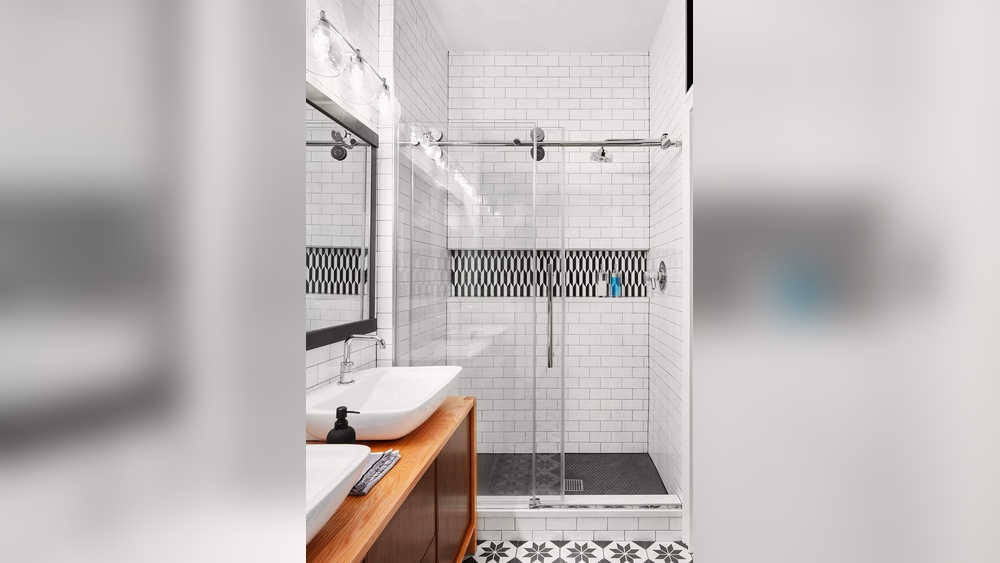

Are you looking to give your bathroom a fresh, timeless look that blends style and simplicity? Subway tile bathroom design might be exactly what you need.
Its clean lines and classic charm can transform your space into a modern sanctuary or a cozy retreat, depending on how you use it. Whether you want to brighten up a small bathroom or add texture and depth to a larger one, subway tiles offer endless possibilities that fit your taste and lifestyle.
Ready to discover how this versatile design can work in your bathroom? Keep reading to explore inspiring ideas, easy installation tips, and smart patterns that will make your bathroom stand out. Your dream bathroom makeover starts here!
Classic Subway Tile Looks
Classic subway tile looks bring a clean and simple style to any bathroom. These tiles have a rich history and remain popular for their neat, uniform appearance. They brighten spaces and add a sense of order. Their straightforward design fits many decor styles, from vintage to modern.
Subway tiles are easy to care for and resist water well. This makes them a smart choice for bathroom walls and showers. Their timeless charm keeps bathrooms feeling fresh and welcoming without much effort.
Timeless White Subway Tiles
White subway tiles are the most traditional and popular option. They create a bright and airy atmosphere that feels clean and fresh. White tiles reflect light, making small bathrooms appear larger. Their neutral color pairs well with any decor or accent color. This versatility helps keep your bathroom design flexible for years.
Glossy Vs Matte Finishes
Glossy subway tiles offer a shiny, reflective surface that enhances brightness. They are easy to wipe clean and show water spots less. Matte finishes provide a soft, muted look. They reduce glare and hide fingerprints better. Choosing between glossy or matte depends on your style and bathroom lighting.
Traditional Brick Pattern
The classic brick pattern arranges tiles in rows with each tile offset by half its length. This staggered layout creates a visual flow and adds texture to plain walls. It helps hide grout lines and tile imperfections. The brick pattern is simple yet elegant, making it a favorite in many bathroom designs.
:strip_icc()/Herringbone-bathroom-subway-tile-102075744-5G3vlfSgaLHAQY1RpdaSCJ-d9324ee2afc749b3a4171f65e1f47477.jpg)
Credit: www.bhg.com
Modern Layouts
Modern layouts of subway tiles bring fresh style to bathroom design. These patterns break the classic look. They add interest and make spaces feel new. Using creative arrangements changes the tile’s simple shape into art. Each layout offers a unique way to show off subway tiles. They work well with many bathroom sizes and colors. Below are popular modern subway tile layouts to inspire your next project.
Stacked Subway Tiles
Stacked subway tiles form clean, straight lines both vertically and horizontally. This layout creates a sleek and modern look. It emphasizes simplicity and symmetry in the bathroom. The tiles align perfectly edge to edge. This pattern works well in small spaces, making them appear larger and brighter. It is easy to install and maintain. Stacked tiles suit minimalist and contemporary bathroom styles.
Herringbone Patterns
The herringbone pattern places tiles in a zigzag design. Each tile is angled to form a “V” shape. This layout adds movement and texture to bathroom walls. It creates a sense of depth and sophistication. Herringbone works best with narrow, rectangular subway tiles. It is popular for shower walls and backsplashes. This pattern turns simple tiles into a striking visual feature.
Vertical Stacking
Vertical stacking arranges subway tiles in straight columns from floor to ceiling. This design highlights the height of the bathroom. It creates a modern, elongated effect that makes the room feel taller. Vertical stacks can be used alone or combined with other layouts. This pattern is fresh and less common than horizontal stacking. It suits bathrooms with high ceilings or small footprints.
Third-shift Staggered Layout
The third-shift staggered layout offsets each row by one-third of the tile’s length. This creates a subtle, flowing pattern across the wall. It offers a softer alternative to the traditional half-shift brick pattern. The stagger reduces visible grout lines and helps hide tile imperfections. This layout improves wall surface evenness, especially with larger tiles. It is practical and stylish for modern bathroom designs.
Color And Texture Choices
Choosing the right color and texture for subway tiles can shape your bathroom’s style. These choices influence mood, light reflection, and the overall feel of your space. Variety in color and texture offers many ways to personalize your bathroom design.
Bold Colored Tiles
Bold colors make a strong statement in bathroom design. Deep blues, bright reds, or rich greens add energy and personality. These tiles can serve as a vibrant backsplash or an accent wall. They bring life to neutral surroundings and create a modern look. Bold colors work well in small and large bathrooms alike.
Neutral And Earth Tones
Neutral shades like white, beige, and gray provide a calm and timeless feel. Earth tones such as terracotta and soft browns add warmth and natural beauty. These colors blend well with wood or stone elements. Neutral and earth tones offer a versatile base for any bathroom style. They make the space feel clean and inviting.
Textured And Handmade Tiles
Texture adds depth and interest to subway tile designs. Handmade tiles often feature slight variations and imperfections. These details bring charm and uniqueness. Textured tiles can create patterns with light and shadow. They enhance rustic, vintage, or artisan bathroom styles. Using textured or handmade tiles makes your bathroom feel crafted and special.
:max_bytes(150000):strip_icc()/DesignbyMaxHumphreyandBeebeSkidmorephotoby-KaitlinGreen-3-fc3dbefe853448949a353e8547e2a135.jpeg)
Credit: www.thespruce.com
Mixing Tiles For Contrast
Mixing tiles for contrast adds depth and style to any bathroom design. It breaks the uniform look and creates visual interest. Using different tile types, colors, or patterns can brighten the space and make it unique. Contrast helps highlight features and adds personality to your bathroom. Simple tile combinations often create stunning results.
Checkerboard Patterns
Checkerboard patterns use alternating tiles in two colors. This classic design works well with subway tiles. It adds a playful yet elegant touch to floors or walls. The contrast between light and dark tiles makes the pattern pop. Choose bold colors or keep it subtle with black and white. Checkerboard patterns create a timeless, eye-catching effect.
Combining Subway With Mosaic
Pairing subway tiles with mosaic tiles brings texture and detail. Subway tiles offer clean lines, while mosaics add small, intricate designs. Use mosaics as a backsplash or shower accent for a decorative twist. Mixing these tiles creates balance between simplicity and complexity. The contrast draws attention without overwhelming the space.
Accent Borders And Insets
Accent borders and insets define areas and add color contrasts. Use a row of patterned or colored tiles within subway tile walls. Insets can highlight niches, shelves, or shower surrounds. This method breaks up large tile areas and adds interest. Accent borders create a stylish frame that enhances your bathroom’s design.
Subway Tiles Beyond Walls
Subway tiles are no longer limited to walls in bathroom design. Their classic shape and clean lines bring charm and style to various bathroom surfaces. Using subway tiles beyond walls offers fresh ideas that blend tradition with modern trends.
These tiles add texture and interest to unexpected areas, making the bathroom feel cohesive and elegant. Their water resistance and durability make them practical for many bathroom uses.
Bathroom Floors
Subway tiles create a unique look on bathroom floors. Their rectangular shape forms interesting patterns that catch the eye. They provide good grip, reducing slip risks on wet floors. Choose light colors to make small bathrooms appear larger. Dark shades add warmth and contrast. The tiles are easy to clean, keeping floors fresh and tidy.
Shower Niches And Backsplashes
Shower niches benefit from subway tiles’ smooth surface. They resist moisture and protect the walls from water damage. Subway tiles highlight niches, making them a focal point in the shower. Use contrasting grout colors to emphasize the tile pattern. For backsplashes, these tiles shield walls from splashes and stains. Their timeless look complements various bathroom styles.
Vanity Backsplashes
Vanity backsplashes with subway tiles add subtle beauty and function. They prevent water from damaging the wall behind sinks. The clean lines of subway tiles create a neat appearance. Mix tile colors or patterns to personalize the space. This choice makes the vanity area easier to maintain. Subway tiles here blend style and practicality perfectly.
:strip_icc()/Large-bathroom-subway-tile-103231203-FlDjzLy_KVM9B7MCSA73-B-d2f047074959498f959136797f4513be.jpg)
Credit: www.bhg.com
Maintenance And Durability
Subway tiles are a popular choice for bathroom design due to their classic look and strong build. Their maintenance and durability make them ideal for moist environments like bathrooms. Understanding their water resistance, cleaning needs, and grout care helps keep these tiles looking great for years. This section covers key points to preserve the beauty and function of subway tiles in your bathroom.
Water Resistance Benefits
Subway tiles have excellent water resistance. Their glazed surface prevents water from soaking in. This stops mold and mildew growth in wet areas. Proper installation with sealed grout lines enhances this protection. Bathrooms stay cleaner and drier with subway tiles. Water damage risks reduce significantly, protecting walls and surfaces behind the tiles.
Cleaning Tips
Cleaning subway tiles is easy and quick. Use a mild detergent and warm water. A soft cloth or sponge works best. Avoid abrasive cleaners that can scratch the tile surface. Regular wiping removes soap scum and grime. For tough spots, a mixture of vinegar and water can help. Rinse well and dry to avoid streaks. Consistent cleaning keeps tiles shiny and fresh.
Grout Choices And Care
Grout affects both tile look and durability. Choose grout colors that match or contrast the tiles for style. Epoxy grout resists stains and water better than cement grout. Cement grout needs sealing to prevent moisture damage. Clean grout lines with a soft brush and mild cleaner. Reseal grout annually to maintain water resistance. Proper grout care stops cracks and discoloration.
Inspiration From Austin, Texas
Austin, Texas inspires fresh ideas for subway tile bathroom design. The city blends modern trends with rustic charm. This mix creates unique looks that many homeowners want. Austin’s vibrant culture shows in bold and simple tile layouts. These designs bring life to any bathroom space. The style here balances classic subway tile with creative twists.
Local Design Trends
Austin favors clean lines and natural colors in bathrooms. Neutral tones like white, gray, and soft blue dominate. Many designers use subway tiles in staggered or herringbone patterns. Matte finishes are popular for a softer look. Mixing textures, like wood and tile, adds warmth. Eco-friendly materials also gain attention in local projects.
Popular Tile Brands
Several tile brands stand out in the Austin market. Fireclay Tile offers handmade, artisanal subway tiles. Artistic Tile is known for stylish, colorful collections. Emser Tile provides durable and versatile options. Country Floors blends traditional and modern subway styles. These brands suit Austin’s demand for quality and design variety.
Showroom Highlights
Austin’s tile showrooms display vast subway tile samples. Visitors can see various patterns and finishes up close. Expert staff guide customers on design and installation tips. Some showrooms feature eco-conscious tile options. The spaces inspire homeowners to mix classic and bold ideas. Showrooms act as hubs for creativity in bathroom design.
Installation Tips
Installing subway tiles in your bathroom requires careful planning and attention. Proper installation ensures a sleek, long-lasting finish. These tips will help you avoid common problems and achieve a professional look.
Choosing The Right Pattern
Subway tiles offer many pattern options. The classic brick or staggered pattern is popular. It hides grout lines and creates a smooth flow. A stacked pattern looks modern but shows grout lines clearly. Herringbone adds style but needs more skill to install. Choose a pattern that fits your bathroom size and style. Consider grout color to enhance or soften the look.
Handling Tile Warping
Some subway tiles may warp slightly during manufacturing. Warped tiles can cause uneven surfaces. Lay out tiles before installation to spot warping. Use a flat surface and level each tile carefully. Apply consistent pressure when setting tiles. Use spacers to keep grout lines even. If warping is severe, replace those tiles to avoid bumps.
Professional Vs Diy Installation
DIY installation saves money but needs patience and skill. Beginners may find cutting and aligning tiles difficult. Mistakes can waste tiles and cause uneven walls. Professional installers have tools and experience for perfect results. They work faster and handle tricky areas well. Decide based on your confidence, budget, and time. Small projects may be manageable for DIY, larger jobs benefit from a pro.
Frequently Asked Questions
Is Subway Tile Still In Style For Bathrooms?
Subway tile remains popular in bathrooms due to its classic look, durability, and easy maintenance. Modern layouts update its style.
What Is The 1/3 Rule For Tile?
The 1/3 rule for tile means each row shifts by one-third of a tile’s length. It creates a smooth, visually appealing pattern. This reduces lippage and hides tile imperfections, offering a modern alternative to standard brick layouts. It works well with large or rectangular tiles.
What Tile Compliments Subway Tile?
Marble, hexagon, or penny round tiles complement subway tile well. Neutral tones and contrasting colors add depth and style.
Can You Use Subway Tile In A Bathroom?
Yes, subway tile works well in bathrooms. It offers durability, water resistance, and a timeless, stylish look for walls and backsplashes.
Conclusion
Subway tile offers timeless style for any bathroom space. Its simple shape fits many design ideas. You can create patterns that add character and charm. Tiles resist water and clean easily, making them practical. Choosing the right color and layout changes the room’s mood.
Small or large bathrooms benefit from subway tile’s versatility. This design blends classic looks with modern trends. Experiment with grout colors to highlight or soften the tiles. Overall, subway tile brings a fresh, clean feel to bathrooms. It remains a smart choice for style and function.


