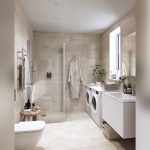
When it comes to designing a handicap bathroom, you want a space that’s both safe and stylish. You might be wondering how to create a bathroom that meets your accessibility needs without sacrificing comfort or aesthetics.
The key lies in smart design choices—like wide doorways for easy entry, a curbless walk-in shower with grab bars, and fixtures that are easy to use, such as a higher toilet and a sink with space underneath for wheelchair access.
You’ll find inspiring handicap bathroom designs pictures that show how thoughtful layouts and features come together to make everyday routines easier and more enjoyable. Whether you’re planning a remodel or just looking for ideas, these visuals and tips will help you envision a bathroom that truly works for you. Keep reading to discover how to transform your bathroom into a safe and beautiful space tailored to your needs.
Credit: blog.innovatebuildingsolutions.com
Wide Doorways
Wide doorways play a vital role in handicap bathroom designs. They provide easy access for wheelchairs and walkers. A doorway at least 32 inches wide is recommended for comfort and safety.
Wide doorways reduce obstacles and help users move freely. They prevent accidents caused by tight spaces. This design choice improves bathroom usability for everyone.
Benefits Of Wide Doorways In Handicap Bathrooms
Wide doorways allow smooth entry and exit. They help caregivers assist users easily. These doorways also give space for turning and maneuvering mobility aids.
Standards For Wide Doorway Dimensions
The ADA suggests a minimum width of 32 inches. Wider doors, up to 36 inches, are ideal for better accessibility. Proper measurements ensure compliance and user comfort.
Design Tips For Installing Wide Doorways
Use sliding or pocket doors to save space. Avoid thick door frames that reduce usable width. Choose lever handles for easier operation by all users.
Curbless Showers
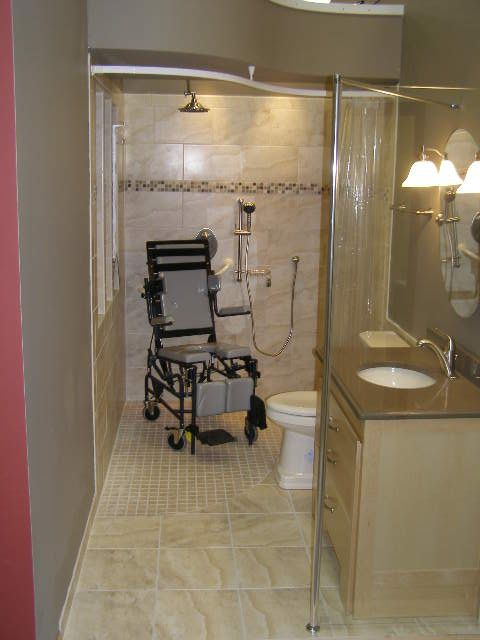
Curbless showers offer safe, stylish, and easy access for people with disabilities. These showers have no raised edges, allowing smooth entry for wheelchairs or walkers. They reduce the risk of tripping and make the bathroom more open and functional. Many modern handicap bathroom designs use curbless showers to improve comfort and independence.
Roll-in Shower Options
Roll-in showers are wide and flat, with no steps or barriers. They allow wheelchairs to enter and exit easily. Some designs include a bench or seat for resting. The floor has a gentle slope toward the drain to prevent water pooling. Materials like non-slip tiles improve safety. Different sizes and layouts fit various bathroom spaces.
Grab Bars Placement
Grab bars provide support and balance inside the shower. Place them near the shower seat and entrance for easy reach. Horizontal bars help with sitting and standing. Vertical bars assist with entering and exiting. Bars should be securely mounted to walls. The right placement prevents falls and boosts confidence.
Handheld Showerheads
Handheld showerheads offer flexibility and control during bathing. They attach to a sliding bar for adjustable height. Users can hold the showerhead or set it in place. This feature helps people with limited mobility wash easily. Water pressure and spray settings vary for comfort. Handheld showerheads improve the shower experience.
Accessible Fixtures
Accessible fixtures play a key role in handicap bathroom designs. They improve safety and comfort for users with mobility challenges. Thoughtful fixture choices make daily routines easier and more independent. Designs focus on usability and clear space for wheelchairs or walkers.
Using the right fixtures also enhances the bathroom’s overall look. Accessibility does not mean sacrificing style. Modern accessible fixtures combine function and design. These fixtures meet ADA standards and support diverse needs.
Higher Toilets
Higher toilets offer better comfort and ease of use. They reduce strain on knees and hips when sitting or standing. Toilets with a seat height of 17 to 19 inches are ideal. This height matches most wheelchair seat levels. Many models include grab bars nearby for extra support. Raised toilets help prevent falls and increase independence.
Sink Designs With Clearance
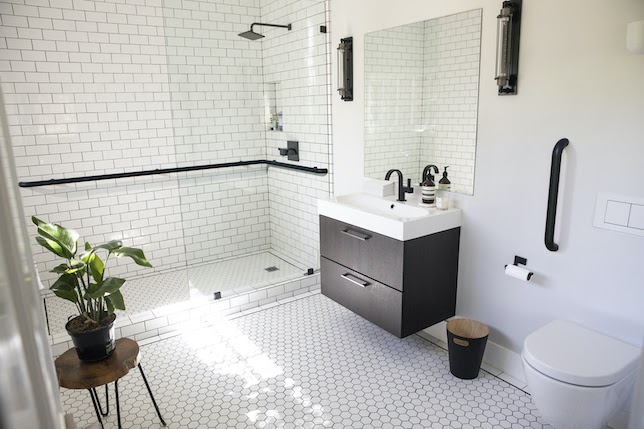
Sinks with clearance allow wheelchair users to roll under easily. Open space below the sink is essential for accessibility. Wall-mounted sinks save floor space and improve access. The sink height should be between 29 and 34 inches. Lever-style or sensor faucets are easier to operate. These designs avoid sharp edges to protect users from injury.
Credit: promenaid.com
Space And Layout
Designing a handicap bathroom requires careful planning of space and layout. The bathroom must allow easy movement and access for people with disabilities. Proper spacing helps users feel comfortable and safe. A well-thought-out layout improves functionality and usability. This section highlights key elements like turning radius and flooring safety.
Turning Radius Requirements
Turning radius is crucial for wheelchair users. The space must allow a full 360-degree turn. The minimum recommended turning radius is 60 inches (5 feet). This space ensures smooth movement without obstruction. Plan the placement of fixtures to avoid tight corners. Clear floor space around toilets, sinks, and showers helps meet these requirements. Adequate turning radius reduces accidents and increases independence.
Non-slip Flooring
Non-slip flooring prevents slips and falls in wet areas. Choose materials with good grip, even when wet. Textured tiles or rubber mats work well for safety. Avoid glossy or smooth surfaces that become slippery. Installing non-slip flooring protects users and enhances confidence. Regular maintenance keeps floors safe and clean. Prioritize flooring that combines safety with easy cleaning.
Shower Controls And Safety
Shower controls and safety are essential in handicap bathroom designs. They ensure comfort and prevent accidents for users with limited mobility. Thoughtful control choices help maintain water temperature and pressure. Safety features reduce the risk of slips and burns. These aspects improve the overall shower experience and confidence in the bathroom.
Pressure-balanced Valves
Pressure-balanced valves keep water temperature steady. They adjust automatically if water pressure changes. This prevents sudden hot or cold water bursts. Users feel safe without needing to adjust controls constantly. These valves are simple to operate and reliable for handicap bathrooms.
Thermostatic Controls
Thermostatic controls allow setting a fixed water temperature. They keep the water within a safe range. This feature avoids scalding or chilling during showers. Controls are easy to use with large, clear handles or buttons. Thermostatic systems add an extra layer of safety and comfort.
Toilet Features
Toilet features play a vital role in handicap bathroom designs. They ensure safety, comfort, and ease of use. Thoughtful design can make a big difference in daily life. Accessibility and support must be the top priorities. Each feature should help users feel secure and independent.
The right fixtures and controls improve the bathroom experience. Elements like grab bars and flush controls are essential. Advanced options such as bidets and washlets add hygiene and convenience. These features combine to create a fully accessible toilet area.
Support Grab Bars
Grab bars provide stability and prevent falls. They help users sit down and stand up safely. Proper placement is key near the toilet and walls. Materials should be strong and easy to grip. Some bars come with padding for extra comfort. These bars increase confidence and reduce risk.
Flush Control Accessibility
Flush controls must be easy to reach and use. Lever handles or push buttons are common choices. They should require little force to operate. Position controls on the side or front of the toilet. Touchless flush sensors offer a hygienic option. Clear design aids users with limited hand strength.
Bidet And Washlet Options
Bidets and washlets enhance cleanliness with gentle water sprays. They reduce the need for toilet paper. Many models have adjustable settings for temperature and pressure. Heated seats and dryers add comfort. Controls are simple and often remote operated. These options promote independence and better hygiene.
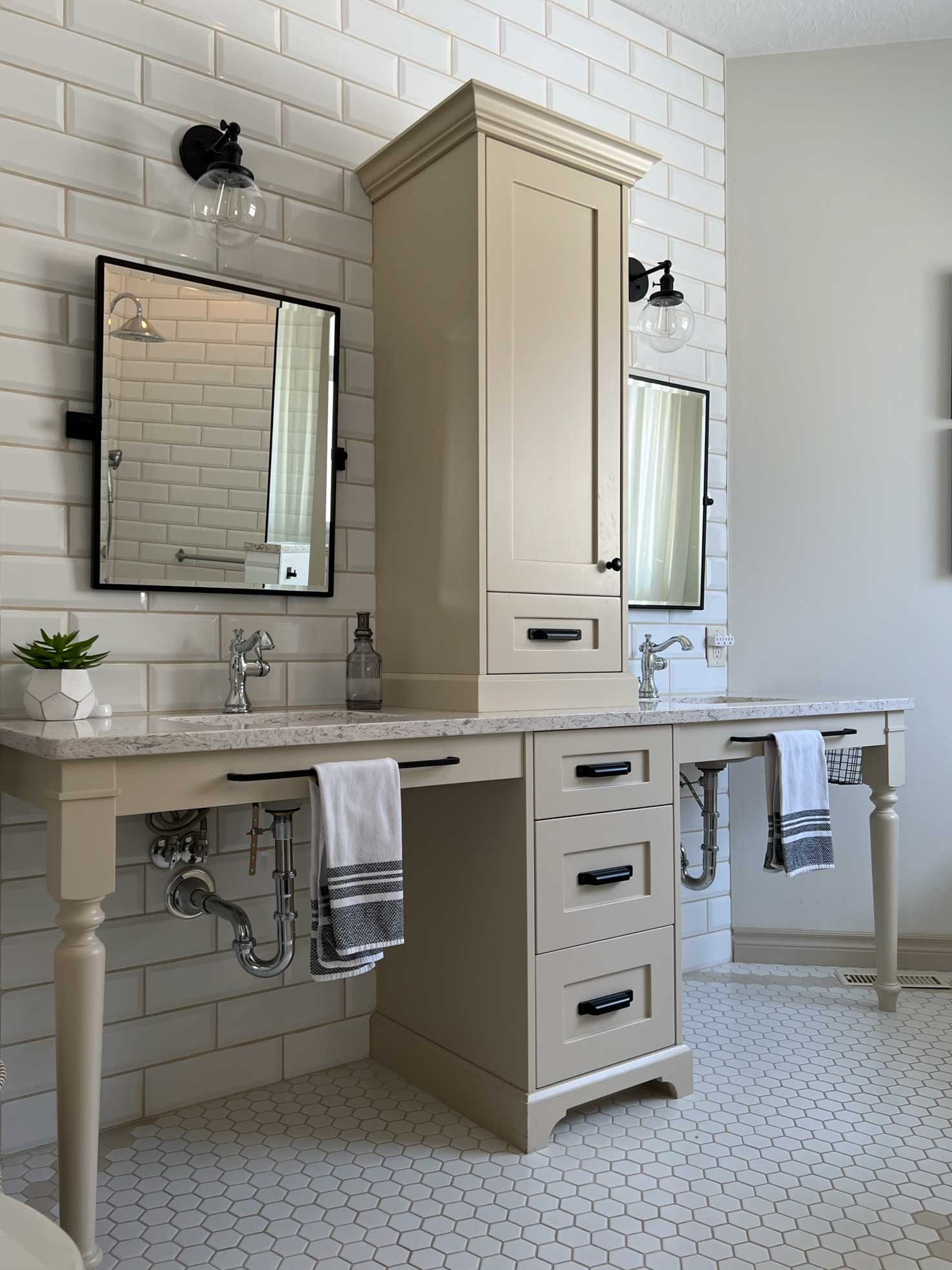
Vanity And Sink Design
The vanity and sink design plays a vital role in making a bathroom accessible. It affects ease of use and comfort for people with disabilities. Thoughtful design helps users reach and use sinks without strain. It also creates a safe and efficient space.
Good vanity and sink design improves the overall bathroom experience. It supports independence and safety for wheelchair users and others with mobility challenges. Proper height, clearance, and mounting style all matter.
Wall-mounted Sinks
Wall-mounted sinks are ideal for handicap bathrooms. They free up floor space for wheelchairs and walkers. These sinks attach directly to the wall, leaving the area below open. This design allows users to get closer to the sink.
They also make cleaning easier. Without a cabinet or pedestal, there are fewer obstacles. Wall-mounted sinks come in various styles and sizes. Choose one with smooth edges to prevent injuries.
Clear Knee And Toe Space
Clear knee and toe space under the sink is essential. It allows wheelchair users to roll under the sink comfortably. The space should be at least 27 inches high, 30 inches wide, and 19 inches deep. This clearance prevents users from bumping knees or toes.
The area must be free of pipes or sharp objects. Insulated or covered pipes help avoid burns or injuries. Adequate clearance supports better posture and easier access to the faucet and mirror.
Storage And Accessories
Storage and accessories play a vital role in handicap bathroom designs. They must be easy to reach and use. Proper placement improves safety and independence. Thoughtful storage solutions keep essentials organized and accessible. Accessories that are designed for accessibility make daily routines smoother and more comfortable.
Accessible Soap Dispensers
Soap dispensers should be at a height easy to reach from a wheelchair. Lever-style or touchless dispensers work best. They reduce the need for strong grip or fine motor skills. Mounting them near the sink or shower ensures convenience. Durable materials help maintain cleanliness and hygiene.
Towel Racks Within Reach
Towel racks must be placed low enough for users to reach. They should be near the sink or shower area. Sturdy racks provide support when grabbing towels. Open designs help users quickly grab towels without fumbling. Installing multiple racks can hold clean and used towels separately.
Shelves Near Shower Seat
Shelves close to the shower seat offer easy access to bath items. They hold shampoo, conditioner, soap, and other essentials. Floating or corner shelves save space and stay out of the way. Non-slip materials prevent items from sliding off. Proper shelf height helps users reach items without strain.
Flooring Choices
Choosing the right flooring is vital for a handicap bathroom design. The floor must support safety and ease of movement. It should also blend well with the overall bathroom style. Flooring affects how comfortable and secure users feel. It helps prevent slips and falls, especially in wet areas. Selecting proper materials and installation techniques enhances accessibility and usability. Below are key flooring options to consider for handicap bathrooms.
Slip-resistant Materials
Slip-resistant flooring reduces the risk of accidents. Materials like textured vinyl, rubber, and certain tiles provide good grip. These surfaces help wheelchair users and those with limited mobility stay safe. Avoid glossy or highly polished floors. They become slippery when wet. Look for products labeled as slip-resistant or non-slip. Installing mats with non-slip backing near sinks and tubs adds safety. This choice supports confidence and independence in bathroom use.
Seamless Transitions
Seamless flooring means smooth changes between bathroom areas. No raised edges or steps make moving easier. Wheelchairs and walkers glide over flat surfaces without obstruction. Transition strips should be low-profile and firm. This prevents tripping hazards and allows smooth navigation. Continuous flooring or well-matched materials work best. Seamless design also simplifies cleaning and maintenance. It improves the overall look while boosting accessibility.
Lighting And Mirrors
Proper lighting and mirrors are vital in handicap bathroom designs. They enhance visibility and safety. Thoughtful choices improve daily routines for users with different needs.
Bright, even light reduces shadows and glare. Mirrors placed at the right height help users see clearly. These elements work together to create a comfortable bathroom space.
Adjustable Lighting
Adjustable lighting allows users to control brightness easily. Dimmers and multiple light sources offer flexibility. Soft light reduces eye strain and harsh shadows.
Position lights to avoid glare on mirrors or wet surfaces. Motion-sensor lights improve convenience and safety. Adjustable lighting adapts to various tasks and times of day.
Accessible Mirror Heights
Mirrors should be installed at heights accessible to all users. This includes wheelchair users and people of different statures. Tilted or extendable mirrors offer better viewing angles.
Clear space under the mirror allows close access for seated users. Large mirrors can increase the sense of space and light. Proper mirror placement supports independence and confidence.
Additional Safety Features
Safety is key in any handicap bathroom design. Extra features protect users from falls and accidents. These additions make bathrooms more secure and comfortable. Simple tools can save lives and reduce injuries.
Emergency Call Systems
Emergency call systems let users ask for help fast. Installing buttons near the toilet and shower is smart. These systems connect to a caregiver or family member. They give peace of mind to users and their loved ones. Some models include voice activation for easy use.
Non-slip Mats
Non-slip mats stop slips on wet floors. Place them inside and outside the shower or tub. Choose mats with strong grips on both sides. This prevents them from moving underfoot. Using mats reduces the risk of dangerous falls. They add a simple layer of protection.
Credit: erinzubotdesign.com
Frequently Asked Questions
How To Design A Bathroom For A Disabled Person?
Design a bathroom for disabled users by installing wide doorways and a curbless, walk-in shower. Add grab bars and a handheld showerhead. Use accessible fixtures like a higher toilet and sink with clear space underneath. Ensure non-slip flooring and enough turning radius for wheelchair mobility.
What Is The Golden Rule For Bathroom Layouts?
The golden rule for bathroom layouts ensures safety, accessibility, and comfort by providing ample space, non-slip flooring, and easy access to fixtures. Design wide doorways, curbless showers with grab bars, and accessible sinks and toilets for smooth movement and usability.
Does Medicare Pay For A Handicap Bathroom Remodel?
Medicare usually does not cover handicap bathroom remodels. Coverage may apply if modifications are medically necessary and prescribed by a doctor. Check with Medicare and your plan for specific eligibility and benefits.
What Does An Ada Compliant Bathroom Look Like?
An ADA compliant bathroom features wide doorways, a curbless shower with grab bars, a handheld showerhead, a higher toilet, and a sink with clear knee space. It includes non-slip flooring and enough space for wheelchair turning. Fixtures ensure safety and easy accessibility for all users.
Conclusion
Handicap bathroom designs focus on safety and ease of use. Wide doorways allow easy wheelchair access. Walk-in showers with grab bars reduce fall risks. Handheld showerheads add convenience for all users. Higher toilets and open-space sinks improve comfort. These simple features create a more accessible bathroom.
Everyone deserves a space that feels safe and welcoming. Consider these ideas to enhance your bathroom’s usability today.