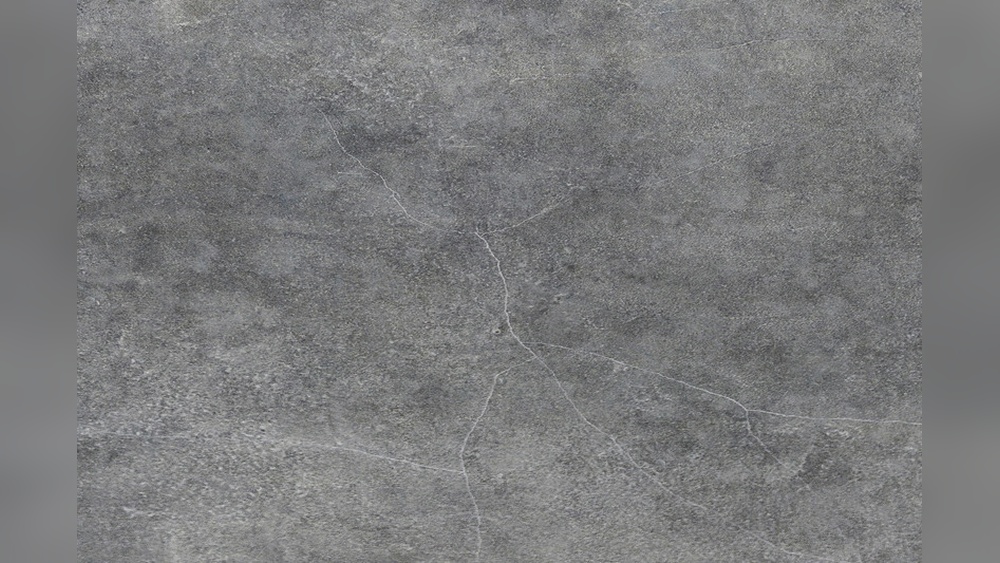

Are you looking to transform your floors into something truly unique and durable? Concrete texture flooring might be exactly what your space needs.
Not only does it offer a sleek, modern look, but it also adds a layer of depth and character that plain concrete just can’t match. Imagine walking on a floor that feels as good as it looks, with patterns and finishes designed to stand the test of time.
Whether you want to upgrade your home, office, or outdoor area, understanding concrete texture flooring can help you make the best choice. Keep reading to discover how this flooring option can elevate your space and why so many people in Austin, Texas, are choosing it for their floors.

Credit: www.freepik.com
Types Of Concrete Textures
Concrete texture flooring offers a variety of finishes that enhance both appearance and functionality. Different types create unique looks and surface qualities. Choosing the right texture depends on style preferences and practical needs.
Stamped Concrete
Stamped concrete mimics natural materials like stone or brick. Patterns press into wet concrete before it hardens. This texture adds decorative appeal at a lower cost than real stone. It suits patios, driveways, and walkways well.
Exposed Aggregate
Exposed aggregate reveals small stones and pebbles on the surface. The top layer of cement is washed away to show the aggregate underneath. This finish offers a rough, slip-resistant texture. It works great for outdoor spaces and pool decks.
Polished Concrete
Polished concrete is smooth and shiny. The surface is ground with fine abrasive pads to create a glossy finish. It looks modern and reflects light, brightening interiors. This type is durable and easy to clean.
Broom Finish
Broom finish concrete has a textured, slip-resistant surface. A broom is dragged across the wet concrete to create small ridges. This simple technique improves safety on sidewalks and ramps. It is affordable and effective.
Troweled Finish
Troweled finish concrete is smooth with a slight sheen. A steel trowel smooths the surface after pouring. This texture is common for indoor floors and garages. It creates a clean, polished look without shine.
Credit: stock.adobe.com
Benefits Of Textured Concrete Flooring
Textured concrete flooring offers many advantages beyond its sturdy base. It adds style and safety while lasting for years. This type of flooring fits well in homes, offices, and outdoor spaces. It combines beauty with function, making it a smart choice.
Enhanced Aesthetic Appeal
Textured concrete creates unique visual interest. Patterns and finishes add depth and character. It can mimic natural stone, wood, or tile looks. This variety helps match any design style. The floor becomes a focal point, enhancing overall space beauty.
Improved Slip Resistance
The rough surface provides better grip underfoot. It reduces slipping risks on wet or smooth floors. This makes it ideal for kitchens, bathrooms, and outdoor areas. Textured concrete improves safety without extra treatments.
Durability And Longevity
Concrete is naturally strong and resists wear. Textured finishes hide scratches and minor damage well. It stands up to heavy foot traffic and harsh weather. This flooring type lasts longer than many alternatives.
Low Maintenance
Textured concrete floors clean easily with simple tools. They do not trap dust or stains as much. Regular sweeping and occasional washing keep them looking fresh. No special cleaners or treatments are needed.
Design Ideas For Concrete Texture Flooring
Concrete texture flooring offers versatile design options for many spaces. Its durability pairs well with creative styles. This flooring type can fit both modern and classic looks. Explore ideas to transform rooms with concrete texture floors.
Modern Industrial Style
This style highlights raw, unfinished concrete floors. Exposed pipes and metal fixtures match the rugged look. Concrete floors with a smooth or lightly textured finish work well. Use gray shades to keep the industrial vibe strong. Add minimalist furniture for a clean, sharp space.
Rustic And Natural Looks
Textured concrete mimics natural stone or wood grains. Earthy colors like browns and tans bring warmth to rooms. Rough, hand-troweled finishes add character and charm. Combine with wooden beams or vintage décor for a cozy feel. This style suits kitchens, living rooms, and patios.
Geometric Patterns
Concrete floors can feature shapes like hexagons, diamonds, or chevrons. Stencils or molds create repeated patterns easily. Patterns add visual interest without overwhelming the space. Use contrasting colors to highlight the design. Ideal for modern homes and artistic interiors.
Custom Color Options
Concrete floors can be tinted with many colors. Choose soft pastels or bold hues to match your style. Colored sealers keep floors vibrant and protected. Custom colors allow unique and personalized spaces. Perfect for commercial areas or creative home designs.
Installation Methods
Concrete texture flooring offers a unique and durable surface for various spaces. Choosing the right installation method ensures the floor looks great and lasts long. Different approaches suit different needs, budgets, and skill levels.
Explore common installation methods to find the best fit for your project.
Diy Techniques
DIY installation of concrete texture flooring lets you save money. You can apply stamped or stained concrete yourself with basic tools. Proper surface preparation is crucial for a good finish. Follow step-by-step guides to create patterns or textures. Use stamps, rollers, or stencils to add character. Patience and careful work improve the final look. Seal the floor to protect against stains and wear.
Professional Installation
Hiring professionals guarantees expert handling of concrete texture flooring. They have the right tools and experience for smooth results. Pros can customize textures, colors, and finishes. They prepare surfaces thoroughly and fix any damage before starting. Professional work often lasts longer and requires less maintenance. This option suits large areas or complex designs. Expect clear timelines and warranties with their services.
Overlay And Resurfacing
Overlay and resurfacing are ideal for updating old concrete floors. A thin layer of new concrete or polymer is applied over the existing floor. This method hides cracks, stains, and imperfections. Choose from various textures and colors for a fresh look. Overlays are quicker and less expensive than full replacement. Proper bonding and curing ensure durability. Resurfacing extends the life of your concrete floor effectively.
Maintenance Tips
Concrete texture flooring offers durability and style. Proper maintenance keeps it looking great for years. Simple care routines prevent damage and preserve its texture and color. Follow these maintenance tips to enjoy your floor’s beauty and strength.
Cleaning Strategies
Regular cleaning removes dust and dirt. Sweep or vacuum the floor daily to avoid scratches. Use a damp mop with mild soap for deeper cleaning. Avoid harsh chemicals that can damage the surface. Dry the floor after mopping to prevent water spots. Clean spills immediately to stop stains from setting.
Sealing And Protection
Sealing concrete floors protects against stains and moisture. Apply a high-quality concrete sealer every one to two years. Choose a sealer that suits your floor’s texture and use. Use rugs or mats in high-traffic areas to reduce wear. Place furniture pads under heavy items to avoid scratches. Reapply sealer after deep cleaning or repairs.
Repairing Minor Damages
Small cracks and chips can be fixed quickly. Clean the damaged area before repair. Use a concrete patching compound for filling cracks. Smooth the surface with a putty knife for an even finish. Allow the repair to dry fully before using the floor. Regularly inspect your floor to catch damage early. Prompt repairs extend the life of your flooring.
Concrete Texture Flooring In Austin, Texas
Concrete texture flooring is a popular choice in Austin, Texas. It offers durability and a unique look that suits many homes. This flooring type handles the Texas heat and heavy foot traffic well. Austin homeowners appreciate its blend of style and function. The textured surface also adds safety by reducing slips. Many local contractors specialize in this flooring to meet city demands.
Local Contractors And Services
Austin has many skilled concrete flooring contractors. They provide services like installation, polishing, and repair. These professionals use modern tools and materials. They help choose the best texture and finish for your home. Many offer free estimates and advice on maintenance. Hiring local experts ensures work meets Austin’s building codes.
Popular Styles In Austin Homes
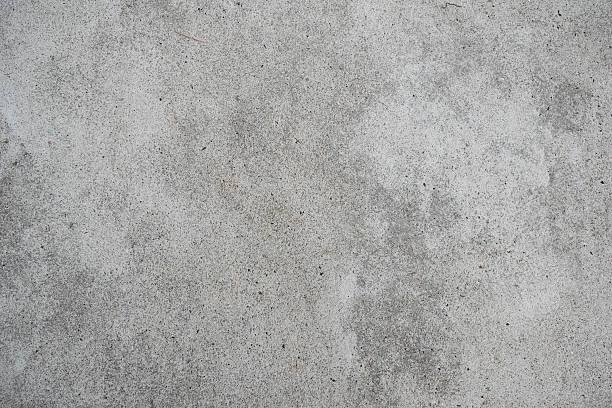
Textured concrete floors in Austin often feature patterns like stamped or stained designs. Some homeowners prefer a natural stone or wood look. Matte and glossy finishes are common choices. Neutral colors like gray and beige blend well with Austin’s style. These floors fit both modern and rustic home designs. Many Austin homes use concrete texture for patios and kitchens.
Cost Considerations
The cost of concrete texture flooring varies in Austin. Factors include floor size, texture type, and contractor fees. Stamped or colored options usually cost more. Basic textured concrete is affordable and long-lasting. Maintenance costs are low compared to other flooring types. Investing in quality work can save money over time.
Credit: www.istockphoto.com
Frequently Asked Questions
What Is Concrete Texture Called?
Concrete texture is commonly called the “surface finish” or “concrete surface texture. ” It varies by tools and techniques used.
What Is Poor Man’s Concrete?
Poor man’s concrete is a low-cost mix using cement, sand, and water, often without gravel. It suits small repairs and DIY projects.
How Much Does Concrete Overlay Flooring Cost?
Concrete overlay flooring costs between $3 and $15 per square foot. Prices vary by material, design, and labor complexity.
How Long Will Concrete Resurfacer Last?
Concrete resurfacer typically lasts 5 to 10 years, depending on surface preparation and maintenance. Proper care extends its durability.
Conclusion
Concrete texture flooring offers durability and style for many spaces. It resists wear and hides imperfections well. This flooring suits both homes and commercial places. Easy to clean and maintain, it saves time and effort. You can find various patterns and finishes to match any decor.
Choosing textured concrete floors adds a modern, practical touch. It combines strength with an attractive look. Consider it for long-lasting, low-maintenance flooring solutions.


