When it comes to creating a bathroom that truly works for you or your loved ones as you age, thoughtful design is key. You need a space that’s safe, comfortable, and easy to use every day.
Bathrooms for the elderly are not just about looks—they’re about freedom, independence, and peace of mind. Imagine stepping into a bathroom where every feature supports your mobility and reduces the risk of slips or falls. Wouldn’t that give you confidence and ease in your daily routine?
You’ll discover practical design ideas and essential safety features that transform ordinary bathrooms into senior-friendly havens. Keep reading to learn how simple changes can make a big difference in comfort and security for you or those you care about.
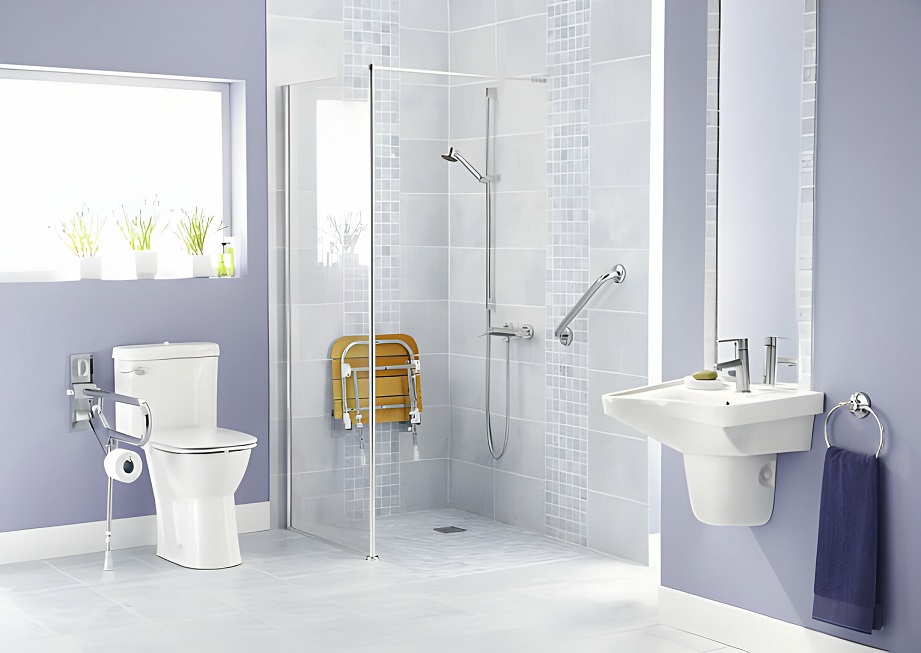
Credit: royalbathrooms.co.uk
Safety Features
Safety features in bathrooms for the elderly reduce the risk of falls and injuries. These features create a secure environment that supports independence. Thoughtful design helps seniors move confidently and comfortably. Bathrooms equipped with safety aids promote peace of mind for users and caregivers alike.
Grab Bars And Handrails
Grab bars and handrails offer essential support for balance. They help seniors stand, sit, and move safely. Installing them near toilets, showers, and tubs improves stability. Sturdy materials and proper placement ensure they can bear weight. These aids prevent slips and provide confidence during daily routines.
Non-slip Flooring
Non-slip flooring reduces the chance of slipping on wet surfaces. Textured tiles or slip-resistant mats improve traction. This type of flooring works well in showers and near sinks. It helps seniors avoid dangerous falls. Maintaining dry floors further increases safety in the bathroom.
Raised Toilet Seats
Raised toilet seats make sitting and standing easier for seniors. They reduce strain on knees and hips. This feature is especially helpful for those with limited mobility. Adding armrests can offer extra support. Raised seats promote comfort and safer bathroom use.
Emergency Alert Systems
Emergency alert systems provide quick help during accidents or health issues. Devices like pull cords or wearable buttons connect to caregivers or emergency services. These systems offer peace of mind for seniors living alone. Prompt assistance can prevent minor incidents from becoming serious problems.
Accessibility Solutions
Designing bathrooms with accessibility in mind is vital for elderly comfort and safety. Thoughtful solutions help reduce risks and increase independence. Simple changes in design can make daily routines easier and safer for seniors.
Walk-in Showers And Tubs
Walk-in showers and tubs allow easy entry without stepping over high edges. They reduce the risk of slips and falls. Installing grab bars inside these units adds extra support. Non-slip flooring inside the shower or tub improves safety further.
Widened Doorways
Wider doorways allow wheelchair users and walkers to move freely. Standard doors often limit accessibility and cause discomfort. Expanding doorways to at least 32 inches is recommended. This small change improves bathroom access significantly.
Adjustable Sink Heights
Sinks with adjustable heights accommodate different needs and mobility levels. Seniors in wheelchairs or with limited bending ability benefit greatly. Easy-to-reach faucets and controls enhance usability. This feature promotes comfort and independence during daily hygiene.
Wheelchair-friendly Layouts
A wheelchair-friendly layout ensures enough space for turning and moving. Clear floor space around fixtures is essential. Placing toilets, sinks, and showers strategically avoids obstacles. Smooth flooring without thresholds supports safe wheelchair navigation.
Stylish Design Ideas
Designing bathrooms for the elderly blends safety with style. Stylish design ideas make bathrooms both beautiful and functional. These ideas focus on comfort, ease, and a modern look. Thoughtful choices improve daily life and create a welcoming space. The right design supports independence and enhances mood.
Modern Fixtures For Seniors
Choose fixtures with clean lines and simple controls. Lever handles are easier to use than knobs. Walk-in tubs and low-threshold showers prevent tripping. Toilets with raised seats add comfort. Fixtures with anti-scald technology keep water temperature safe. These modern options combine style with senior-friendly features.
Color Schemes For Comfort
Soft, warm colors create a calming atmosphere. Light blues, greens, and beige are soothing choices. Contrast between walls and floors helps with depth perception. Avoid very bright or harsh colors that may strain the eyes. Gentle tones make the space feel inviting and relaxing.
Smart Lighting Options
Install adjustable lighting for different needs. Bright lights help during grooming and cleaning. Night lights guide safely without waking fully. Motion sensors turn lights on automatically. Use warm LED bulbs to reduce glare. Smart lighting improves visibility and comfort.
Space-saving Storage
Use shelves and cabinets that keep essentials within reach. Wall-mounted storage frees floor space. Drawers with easy-open handles reduce effort. Clear containers help find items quickly. Declutter to make movement easier and safer. Efficient storage adds style and order.

Credit: www.designcafe.com
Functional Layouts
Designing bathrooms for the elderly requires a focus on functional layouts. These layouts make daily routines safer and easier. Thoughtful planning helps prevent falls and supports independence. A well-organized bathroom offers comfort and convenience at every turn.
Ease Of Movement
Space must allow easy movement for seniors, including those using walkers or wheelchairs. Wide doorways and enough floor space reduce the risk of accidents. Smooth transitions between areas help users move without strain. Clear zones around fixtures make turning and reaching easier.
Clear Pathways
Paths in the bathroom should be free of obstacles. Avoid clutter and unnecessary furniture. Non-slip flooring along walkways adds safety. Visual contrast between floor and walls helps seniors identify edges. Lighting should brighten pathways without causing glare.
Ergonomic Placement
Fixtures and controls should be within easy reach. Sinks, toilets, and showers placed at proper heights reduce bending and stretching. Grab bars near the toilet and in the shower provide support. Lever handles are easier to use than knobs for those with arthritis.
Multi-use Spaces
Bathrooms can serve multiple functions to save space and improve usability. Combining seating with storage allows rest and keeps essentials close. A shower bench adds safety and comfort. Designing flexible spaces helps meet changing needs over time.
Medicare And Funding
Funding bathroom designs for the elderly often depends on Medicare policies and other financial resources. Understanding what Medicare covers helps families plan safer, accessible bathroom spaces. Many seniors need special equipment or small modifications to maintain independence and safety.
Knowing the limits of Medicare coverage can prevent surprises during the remodeling process. Some equipment and changes qualify, while larger remodels usually do not. Exploring all options ensures the best support for elderly bathroom needs.
Coverage For Medical Equipment
Medicare Part B covers durable medical equipment (DME) prescribed by a doctor. Items like grab bars or shower chairs may qualify. However, Medicare does not cover full bathroom remodels or structural changes. Coverage focuses on equipment that aids mobility and safety.
Medicare Advantage Plans
Medicare Advantage plans sometimes offer extra benefits beyond Original Medicare. These may include partial coverage for bathroom safety modifications. Each plan varies, so reviewing plan details is important. Some plans help seniors “age in place” with useful bathroom aids.
Doctor’s Prescription Role
A doctor’s prescription is needed for Medicare to cover medical equipment. The prescription must show that the equipment is medically necessary. This step is key for getting approval and funding. Without a prescription, Medicare usually denies coverage.
Alternative Funding Options
Other funding sources can assist with bathroom modifications. State programs or veterans’ benefits may offer help. Nonprofit organizations sometimes provide grants for home safety improvements. Personal savings remain an option for many families.

Credit: www.designcafe.com
Choosing The Right Remodeler
Choosing the right remodeler for bathroom designs tailored to the elderly is vital. The right professional ensures safety, comfort, and style blend seamlessly. Selecting someone with experience in senior-friendly renovations prevents costly mistakes and delays. It also helps create a space that supports independence and ease of use.
Local Experts In Austin, Tx
Finding remodelers who understand Austin’s local building codes is key. Local experts know the climate and common home styles. They often have trusted subcontractors and suppliers nearby. Hiring local professionals means faster response times and easier communication. They can tailor designs that fit both the environment and community needs.
Evaluating Contractor Credentials
Check licenses and insurance before hiring any remodeler. Confirm their experience with elderly bathroom projects. Ask for references and look at past work photos. Verify if they follow safety standards specific to senior accessibility. Proper credentials reduce risks and guarantee quality workmanship. Avoid contractors without clear proof of expertise.
Incorporating Senior Needs
Choose remodelers who listen and understand unique senior needs. Features like grab bars, walk-in tubs, and non-slip floors require special skills. The contractor should suggest practical solutions for mobility and safety. They must respect comfort without sacrificing style. A remodeler focused on seniors ensures the final bathroom supports daily routines.
Budgeting And Timeline
Discuss the budget clearly before starting the project. A good remodeler provides a detailed estimate with no hidden fees. Set a realistic timeline that fits your schedule and needs. Delays can cause inconvenience and extra costs. Transparent budgeting and clear deadlines help keep the project on track and stress-free.
Frequently Asked Questions
What Is The Best Bathroom Remodel For The Elderly?
The best bathroom remodel for the elderly includes grab bars, non-slip floors, raised toilets, walk-in showers, and wider doorways for easy mobility.
Does Medicare Really Pay For Bathroom Remodels?
Medicare Parts A and B usually do not cover bathroom remodels. Some Medicare Advantage plans may pay for safety modifications like grab bars or walk-in tubs with a doctor’s prescription. Check your specific plan for details.
How To Design A Bathroom For Aging In Place?
Design a bathroom for aging in place by installing grab bars, non-slip floors, walk-in showers, raised toilets, and widened doorways for easy access. Ensure adjustable sink heights and clear space for mobility aids. Prioritize safety, comfort, and accessibility to support independence and prevent falls.
How Can I Make My Bathroom Elderly Friendly?
Install grab bars, non-slip flooring, and raised toilet seats. Use walk-in showers and widen doorways for easy access. Ensure good lighting and place seating near the shower or tub. Adjust sink height for comfort and keep essentials within reach to enhance safety and convenience for the elderly.
Conclusion
Creating bathrooms for the elderly requires thoughtful planning and safety. Simple features like grab bars and non-slip floors improve daily comfort. Wide doorways and easy-to-reach fixtures help prevent accidents. Designs should focus on independence and ease of use. Small changes make a big difference in seniors’ lives.
Prioritize safety without sacrificing style or functionality. A well-designed bathroom supports aging in place confidently. Keep these tips in mind to create a secure and welcoming space.