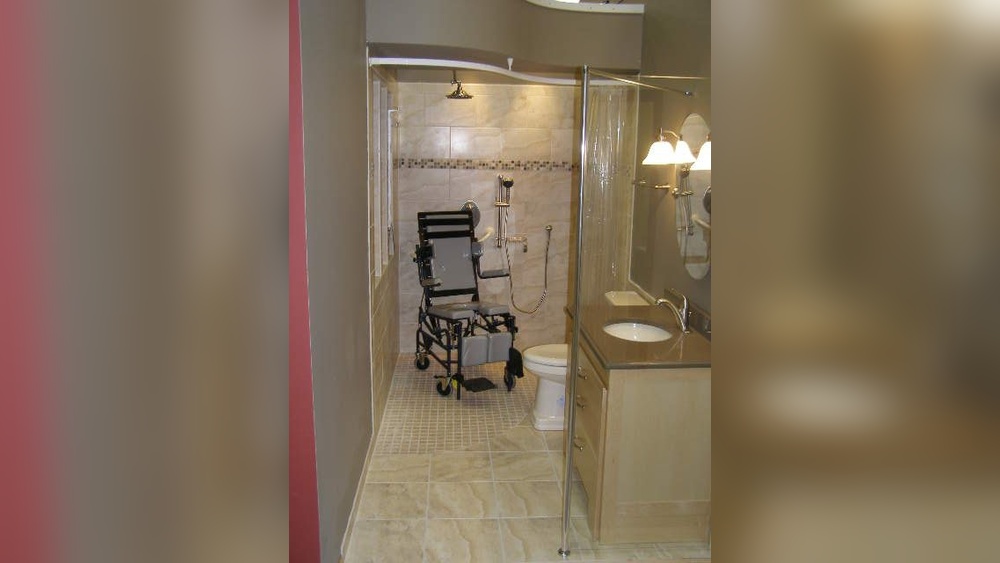

When it comes to your bathroom, comfort and safety should never be an afterthought. Whether you’re planning for yourself, a loved one, or future-proofing your home, accessible bathroom design ideas can transform this essential space into one that’s both stylish and easy to use.
Imagine stepping into a bathroom where every feature feels tailored to your needs—grab bars within reach, a curbless shower for smooth entry, and enough room to move freely without obstacles. You’ll discover practical tips and smart design choices that make your bathroom safer and more comfortable without sacrificing style.
Keep reading to learn how simple changes can make a big difference in your daily routine.
Accessibility Basics
Creating an accessible bathroom begins with understanding basic principles. Accessibility ensures comfort and safety for everyone. Simple changes can make a big difference. Focus on practical design that fits individual needs. Start by evaluating the current bathroom space. Then, add safety features and allow enough room to move easily.
Assessing Current Layout
Begin by checking the bathroom’s existing design. Note the location of the door, sink, toilet, and shower. Measure the space between fixtures. Look for obstacles that block movement. Identify areas that need widening or repositioning. Check if the floor is even and slip-resistant. Make a list of what limits accessibility now.
Key Safety Features
Install grab bars near the toilet and shower. Use non-slip mats or flooring to prevent falls. Choose lever-style faucet handles for easy use. Add a shower seat or bench for stability. Ensure good lighting without glare or shadows. Use rounded edges on counters and shelves. These features reduce risks and promote independence.
Essential Clearance Space
Provide enough open floor space for wheelchair or walker access. A clear area of at least 60 inches in diameter allows turning. Keep pathways free of clutter and tight corners. Position fixtures to avoid crowding and allow easy reach. Ensure doorways are at least 32 inches wide. Proper spacing improves movement and comfort.
Credit: www.roomsketcher.com
Bathroom Fixtures
Choosing the right bathroom fixtures improves safety and ease of use. Fixtures designed for accessibility help all users move comfortably and independently. Thoughtful fixture selection creates a bathroom that feels welcoming and practical.
Focus on fixtures that offer support, easy reach, and simple operation. These features reduce strain and prevent accidents. Accessible fixtures also add a modern, clean look to the bathroom.
Comfort-height Toilets
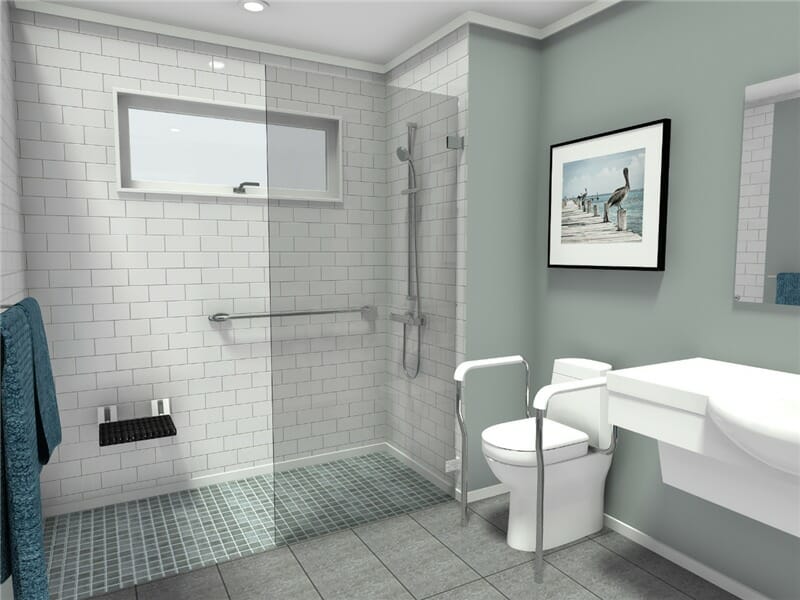
Comfort-height toilets stand taller than standard models. They measure about 17 to 19 inches from floor to seat. This height helps users sit down and stand up with less effort. It suits seniors and people with mobility issues well. Installing grab bars near the toilet adds extra support and safety.
Wall-mounted Sinks
Wall-mounted sinks save space and improve wheelchair access. They leave room underneath for easy leg movement. These sinks often come with lever handles that are easier to operate. Rounded edges reduce injury risk in tight spaces. Plus, their sleek design fits any bathroom style.
Walk-in Showers
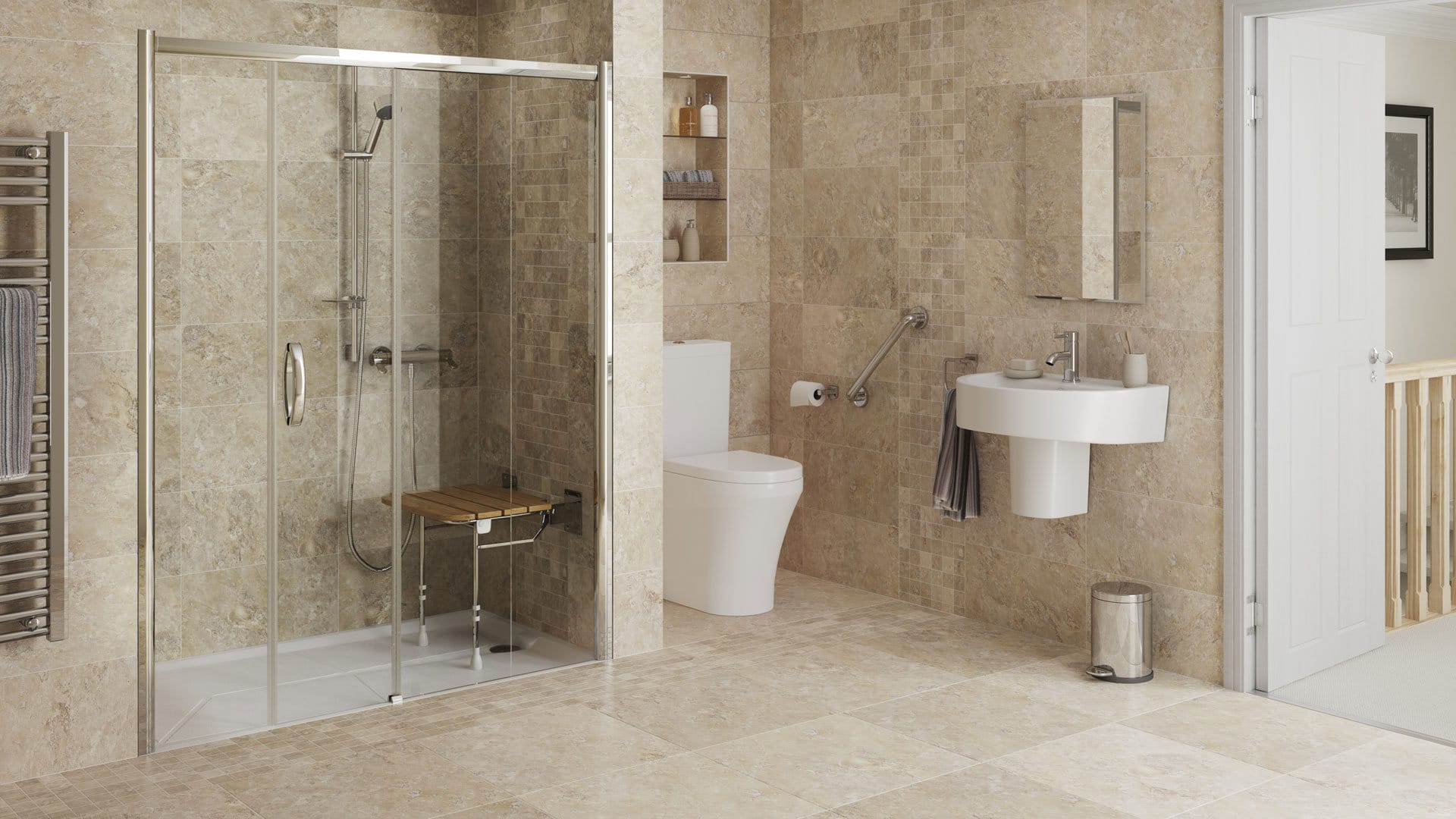
Walk-in showers eliminate the need to step over a tub edge. This design lowers fall risks and eases access. Adding a built-in bench provides a comfortable place to sit. Non-slip flooring and hand-held showerheads enhance safety and convenience. Wide entryways accommodate wheelchairs or walkers smoothly.
Supportive Accessories
Supportive accessories make bathrooms safer and easier to use. They help people with limited mobility move confidently. These accessories prevent falls and add comfort. Simple changes can improve bathroom accessibility greatly.
Grab Bars Placement
Grab bars provide strong support in key areas. Install them near the toilet, shower, and bathtub. Place bars horizontally or vertically for easy gripping. Secure them at a height that suits the user. Correct placement helps users balance and stand safely.
Non-slip Flooring Options
Non-slip flooring reduces the risk of slipping on wet surfaces. Choose materials like textured tiles or slip-resistant vinyl. Avoid shiny or smooth floors that become slippery when wet. Mats with rubber backing add extra safety in showers. Proper flooring keeps users steady and secure.
Lowered Controls And Switches
Lower controls and switches improve accessibility for all users. Place light switches and faucet handles at reachable heights. Use lever-style handles instead of knobs for easier operation. This allows people in wheelchairs or with limited hand strength to use them. Simple adjustments make a big difference.
Lighting And Visibility
Good lighting is key in an accessible bathroom. It helps users see clearly and move safely. Proper visibility reduces accidents and makes daily tasks easier. Thoughtful lighting improves comfort and independence for everyone.
Maximizing Natural Light
Natural light brightens the bathroom and saves energy. Large windows or skylights bring in daylight. Use sheer curtains to soften glare without blocking light. Position mirrors to reflect sunlight into darker corners. Natural light helps users feel more alert and comfortable.
Task Lighting Solutions
Task lighting focuses on specific areas like mirrors and sinks. Bright, shadow-free lights help with grooming and dressing. LED strip lights under cabinets provide clear visibility. Adjustable fixtures allow users to direct light where needed. Proper task lighting prevents eye strain and improves safety.
Motion Sensor Fixtures
Motion sensor lights turn on automatically when someone enters. They improve convenience and reduce the need to find switches. These fixtures save energy by switching off when no one is present. Motion sensors add safety for users with limited mobility or vision. They create a hands-free, user-friendly bathroom environment.
Space Optimization
Optimizing space is vital for an accessible bathroom. It ensures easy movement and safety. A well-planned layout supports independence for all users. Small changes can create a roomy and functional bathroom. Focus on open areas and smart design choices.
Widening Doorways
Wide doorways allow easy access for wheelchairs and walkers. Standard doors may block smooth entry. Increasing the width to at least 32 inches helps. Sliding doors save space and improve flow. Clear, wide entrances reduce accidents and frustration.
Clear Pathways
Keep pathways free from clutter and obstacles. Clear floors make moving around safer and simpler. Arrange fixtures to provide at least 36 inches of walking space. Avoid sharp corners or tight turns. Bright lighting highlights the path for better visibility.
Smart Storage Ideas
Use wall-mounted shelves to free floor space. Cabinets with pull-out drawers improve reachability. Keep daily items within easy access zones. Avoid bulky storage units that block movement. Use vertical space to maximize storage without crowding.
Stylish Design Tips
Creating an accessible bathroom does not mean sacrificing style. With smart design choices, you can have a bathroom that is both functional and beautiful. Stylish design tips help blend comfort, safety, and elegance. This section explores ways to make your bathroom accessible without losing its charm.
Color Schemes For Accessibility
Choose colors that improve visibility and contrast. Light walls with darker fixtures help people with low vision. Avoid overly bright or reflective colors that can cause glare. Soft, matte finishes on surfaces reduce eye strain. Use contrasting colors for grab bars and switches. This makes it easier to find important features quickly.
Modern Materials And Finishes
Select materials that are durable and easy to clean. Non-slip tiles keep the floor safe and stylish. Matte or textured finishes reduce slipping risks. Waterproof surfaces prevent damage and mold buildup. Avoid glossy tiles that can be slippery when wet. Use materials that combine safety with a modern look.
Blending Style With Function
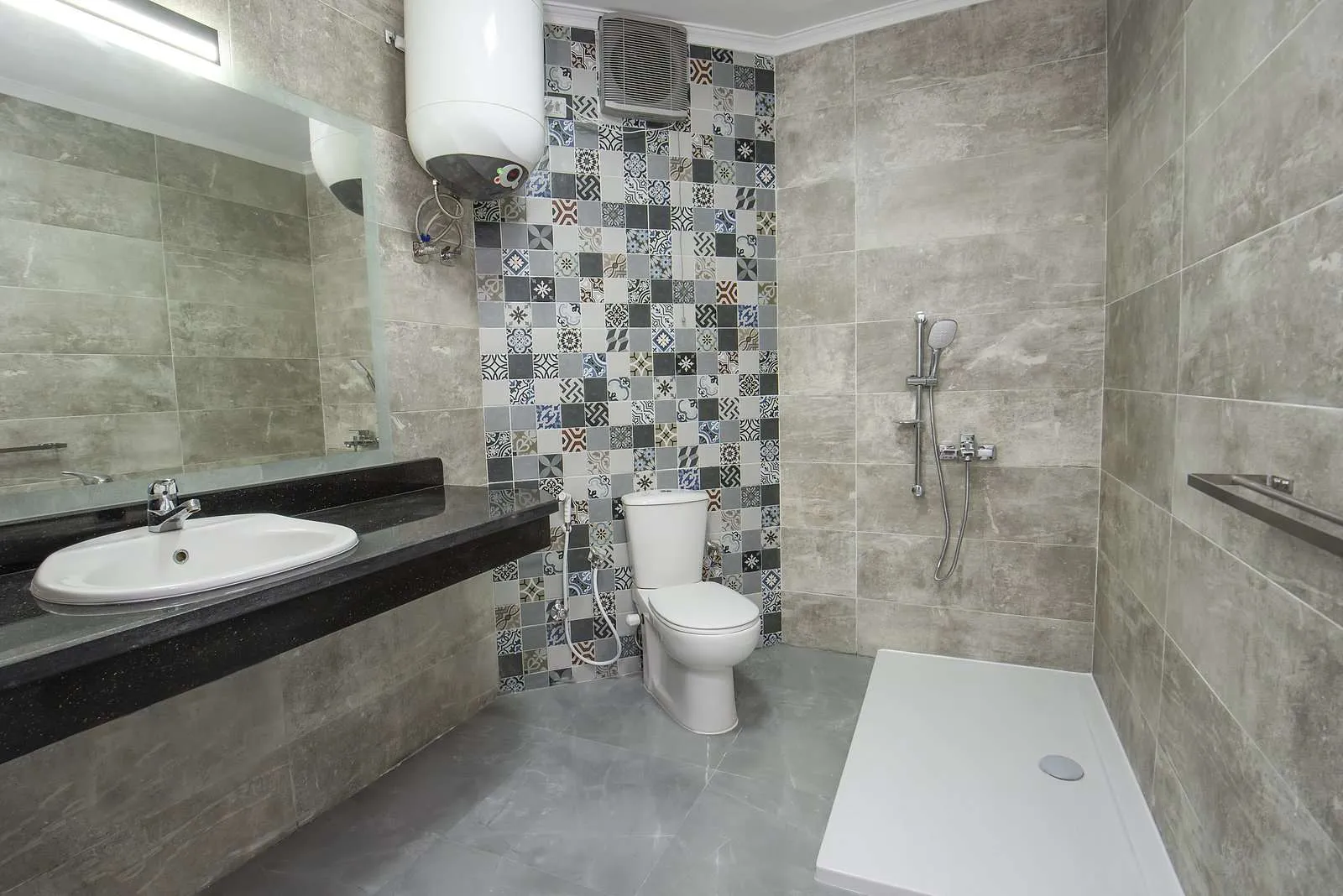
Integrate accessibility features into the overall design. Choose grab bars that look like modern fixtures. Use floating vanities for wheelchair access and open space. Curbless showers add a sleek, seamless appearance. Select faucets and controls that are easy to use and stylish. Balance usability with elegant design to create a welcoming space.
Budget And Funding
Planning an accessible bathroom requires careful budgeting. Costs can vary widely based on the changes needed. Setting a clear budget helps manage expenses and avoid surprises. Funding options exist to ease the financial burden. Understanding these options allows better decision-making for your remodel.
Cost-effective Remodel Ideas
Simple updates can improve accessibility without high costs. Installing grab bars and non-slip mats is affordable. Replacing a bathtub with a walk-in shower can be budget-friendly if done carefully. Adjusting sink and toilet heights often requires minor plumbing work. Using bright, energy-efficient lighting enhances safety at a low price. Small changes create a big impact on usability and comfort.
Medicare And Insurance Insights
Medicare generally does not cover bathroom remodels. It classifies these as home modifications, not medical treatments. Some insurance plans may offer partial coverage for specific equipment. Always check your policy details before starting the project. Veterans or people with disabilities might qualify for special grants or assistance programs. Local government agencies sometimes provide funding for accessibility upgrades.
Diy Vs Professional Help
DIY projects save money but require skills and time. Simple tasks like installing grab bars suit most homeowners. Complex plumbing or electrical work needs a licensed professional. Hiring experts ensures safety and code compliance. Professionals may spot hidden issues early, preventing costly mistakes. Balance your budget with the quality and safety of work performed.
Credit: gilbertdesignbuild.com
Credit: liveinplacedesigns.com
Frequently Asked Questions
How To Design An Accessible Bathroom?
Design an accessible bathroom by adding grab bars, non-slip floors, walk-in showers, and adjustable sink and toilet heights. Widen doorways and improve lighting for safety and ease of use.
Does Medicare Pay For A Handicap Bathroom Remodel?
Medicare generally does not cover handicap bathroom remodels. It pays for medically necessary durable medical equipment only.
What Is The Golden Rule For Bathroom Layouts?
The golden rule for bathroom layouts prioritizes efficient space use, ensuring comfort, safety, and easy movement. Keep fixtures accessible and maintain clear pathways.
How Do I Convert My Bathroom To Handicap Accessible?
Assess your bathroom layout for accessibility. Install grab bars, non-slip flooring, and walk-in showers. Lower sinks and toilets to wheelchair height. Widen doorways and enhance lighting for safety and ease of use. Remove tripping hazards like rugs and clutter to ensure a safe, accessible space.
Conclusion
Creating an accessible bathroom improves safety and comfort for everyone. Simple changes like grab bars and wider doors make a big difference. Choose non-slip floors and walk-in showers to prevent falls. Adjust fixtures to suit different needs and increase ease of use.
Good lighting helps users see clearly and move safely. Thoughtful design supports independence and enhances daily routines. Everyone deserves a bathroom that feels safe and welcoming. Start planning today to build a space that works well for all.


