When it comes to transforming your bathroom into a stylish and inviting space, ceramic tile bathroom designs offer endless possibilities. Whether you want a sleek, modern look or a warm, classic feel, ceramic tiles can bring your vision to life with durability and charm.
Imagine stepping into a bathroom where every tile complements your taste and enhances your daily routine. Ready to discover the best ideas and tips to create a bathroom that feels uniquely yours? Keep reading to explore stunning ceramic tile designs that will inspire your next home project.
Tile Types For Bathrooms
Choosing the right tile type shapes your bathroom’s style and function. Tiles must handle moisture, look good, and last long. Various materials suit different needs and tastes. This guide helps you find the best tile for your bathroom design.
Ceramic Vs Porcelain
Ceramic tiles are made from clay and fired at lower temperatures. They are softer and more porous. Porcelain tiles are denser and fired at higher heat. Porcelain is tougher and absorbs less water. Both work well for bathroom floors and walls. Porcelain suits high-traffic areas better. Ceramic offers more design options at a lower cost.
Natural Stone Options
Natural stone tiles include marble, granite, slate, and travertine. They bring a rich, natural look to bathrooms. Stone tiles need sealing to resist water and stains. Each stone has unique color and texture. Stone feels cool and adds luxury. It requires more care but offers timeless beauty.
Glass And Metal Tiles
Glass tiles reflect light and brighten spaces. They resist water and stains easily. Metal tiles add a modern, sleek touch. These tiles are great for accents and backsplashes. Both types are easy to clean. Glass and metal tiles create a unique visual impact.
Mosaic Patterns
Mosaic tiles are small pieces arranged in patterns or images. They come in ceramic, glass, stone, and metal. Mosaics add detail and personality to any bathroom. Ideal for shower floors, walls, or decorative borders. Their small size allows for creative designs. Mosaics can make a simple space stand out.
Popular Tile Patterns
Ceramic tile patterns bring style and personality to bathroom spaces. They create unique looks that suit many tastes. Choosing the right pattern can change the room’s feel completely.
Popular tile patterns blend classic and modern styles. They add texture, depth, and interest to bathroom walls and floors. Each pattern offers a different visual effect and mood.
Classic Subway Layout
The classic subway layout uses rectangular tiles arranged in a brick-like pattern. It is simple and timeless. This design fits well in both small and large bathrooms. The clean lines create a neat, orderly look. White subway tiles brighten the room and make it feel fresh. Colored tiles add personality without overwhelming the space.
Fluted Tile Texture
Fluted tiles feature raised, linear grooves on their surface. This texture adds depth and interest to plain walls. Light plays with the ridges, creating soft shadows. Fluted tiles work well as accent walls or backsplashes. They bring a modern, stylish touch to bathroom designs. These tiles often come in neutral shades for a subtle effect.
Hexagon And Geometric Shapes
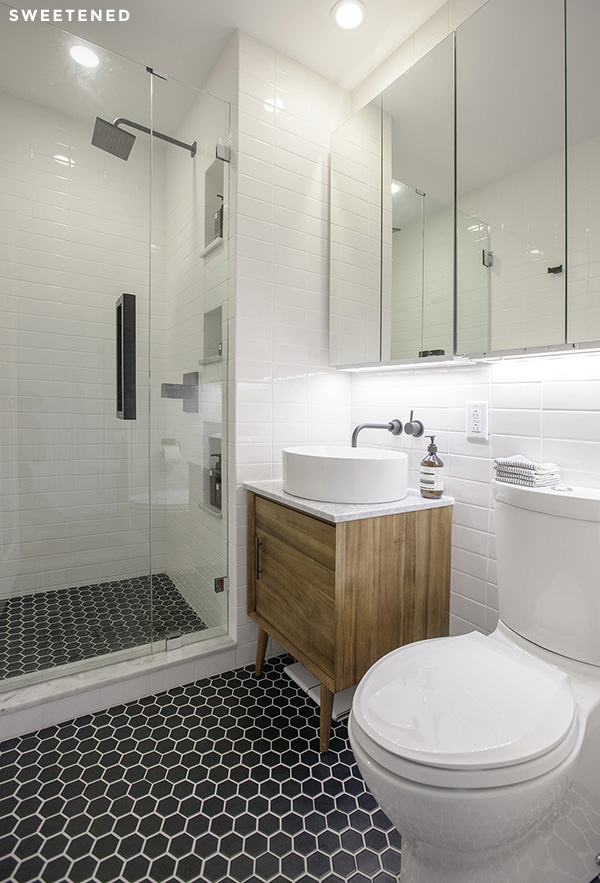
Hexagon tiles and other geometric shapes create eye-catching patterns. Their unique forms add a playful and artistic vibe. These tiles fit well on floors or shower walls. Mixing colors within geometric patterns adds visual excitement. This style suits bold and creative bathroom designs. It breaks away from traditional rectangular layouts.
Diagonal And Herringbone Designs
Diagonal tile layouts place tiles at an angle, making rooms appear larger. Herringbone patterns arrange tiles in a zigzag design. Both add movement and energy to bathroom floors and walls. These patterns look elegant and dynamic. They work well with long, narrow tiles. Diagonal and herringbone designs bring a refined, classic charm.
Color Schemes And Finishes
Ceramic tile color schemes and finishes shape the overall bathroom style. Choosing the right colors sets the mood and complements the space. Finishes affect light reflection and texture. Together, they create a unique bathroom feel. This section explores popular colors and tile finishes for bathrooms.
Neutral Tones
Neutral tones offer timeless elegance for bathrooms. Shades like beige, gray, and white create calm and clean spaces. They fit any style from modern to classic. Neutral tiles make small bathrooms appear larger. Pairing them with natural materials boosts warmth and comfort.
Bold Accent Colors
Bold colors add energy and personality to bathrooms. Bright blues, greens, or reds create eye-catching features. Use accent tiles on walls or floors for visual interest. Bold colors work well with neutral bases. They transform simple bathrooms into lively retreats.
Matte Vs Glossy Surfaces
Matte tiles provide a soft, subtle look. They reduce glare and hide water spots. Glossy tiles reflect light, making spaces feel brighter. They add a sleek, polished appearance. Combining both finishes can balance texture and shine. Consider bathroom lighting when selecting tile finish.
Textured Tiles For Depth
Textured tiles bring depth and dimension to bathroom walls and floors. Patterns like ridges or waves add tactile interest. They create shadows that enhance visual appeal. Textured tiles work well in shower niches or backsplashes. They add character without overwhelming the design.
Design Ideas For Small Bathrooms
Small bathrooms need smart design choices to feel bigger and brighter. Ceramic tiles offer many options to enhance these compact spaces. By using the right colors, patterns, and layouts, you can create a bathroom that feels open and inviting. Here are some simple ceramic tile ideas for small bathrooms.
Light Colors To Open Space
Light-colored tiles make a small bathroom look larger. Shades like white, beige, and soft pastels reflect light well. They create a clean and airy atmosphere. Using light colors on walls and floors can visually expand the space. This approach also helps keep the bathroom feeling fresh and calm.
Vertical Tile Placement
Placing tiles vertically draws the eye upward. This technique adds height to the room. It breaks the horizontal lines that can make a space feel cramped. Vertical tile placement works well on shower walls or behind the sink. It gives the illusion of taller ceilings and more room to move.
Reflective Tiles To Add Brightness
Glossy and reflective tiles bounce light around the bathroom. This effect brightens dark corners and small areas. Mirror-like surfaces help spread natural and artificial light. Choose glossy ceramic tiles for walls or backsplashes. This simple change can make the bathroom feel more open and lively.
Minimalist Patterns
Simple tile patterns avoid overwhelming a small bathroom. Minimalist designs keep the space calm and uncluttered. Small geometric shapes or subtle textures add interest without crowding. Stick to one or two colors to maintain harmony. This style creates a modern, neat look that suits small bathrooms well.
Creating Statement Walls
Creating statement walls is a powerful way to transform your bathroom. A bold wall instantly adds personality and charm. Ceramic tiles offer endless options for unique and eye-catching designs.
Choosing the right tile style and layout helps set the mood. Statement walls can highlight a shower area, vanity, or a whole bathroom wall. The right approach balances style and function.
Feature Wall With Patterned Tiles
Patterned tiles bring life and color to any bathroom wall. These tiles often feature geometric shapes or floral designs. Using them on one wall draws focus and adds interest. They work well behind sinks or bathtubs. Patterned tiles create a vintage or modern look depending on the design.
Mixing Tile Sizes
Mixing tile sizes builds texture and depth on your bathroom wall. Large tiles make spaces feel open and clean. Smaller tiles add detail and complexity. Combining both sizes creates a balanced and dynamic look. This method suits both contemporary and classic bathrooms.
Using Fluted Tiles
Fluted tiles are popular for adding texture and shape. Their thin, linear design creates shadows and highlights. These tiles offer a subtle yet stylish statement. They work well on narrow walls or as a backsplash. Fluted tiles add a modern and elegant touch.
Incorporating Metallic Accents
Metallic accents bring shine and sophistication to ceramic tile walls. Small touches of gold, silver, or copper catch the light beautifully. Mixing metallic tiles with ceramic adds contrast and interest. These accents elevate the bathroom’s style without overwhelming it. They fit well in modern and luxurious designs.
Credit: sweeten.com
Bathroom Floor Tile Choices
Choosing the right floor tile is key for a stylish bathroom. Tiles must balance beauty, safety, and comfort. Ceramic tiles offer many options for floors. The choice affects the room’s look and feel. Explore popular floor tile styles to find what fits your space best.
Slip-resistant Options
Slip-resistant tiles increase bathroom safety. These tiles have textured surfaces to prevent falls. Matte finishes or small patterns help grip wet feet. Ideal for homes with children or elderly family members. Choose slip-resistant ceramic tiles for peace of mind.
Large Format Tiles
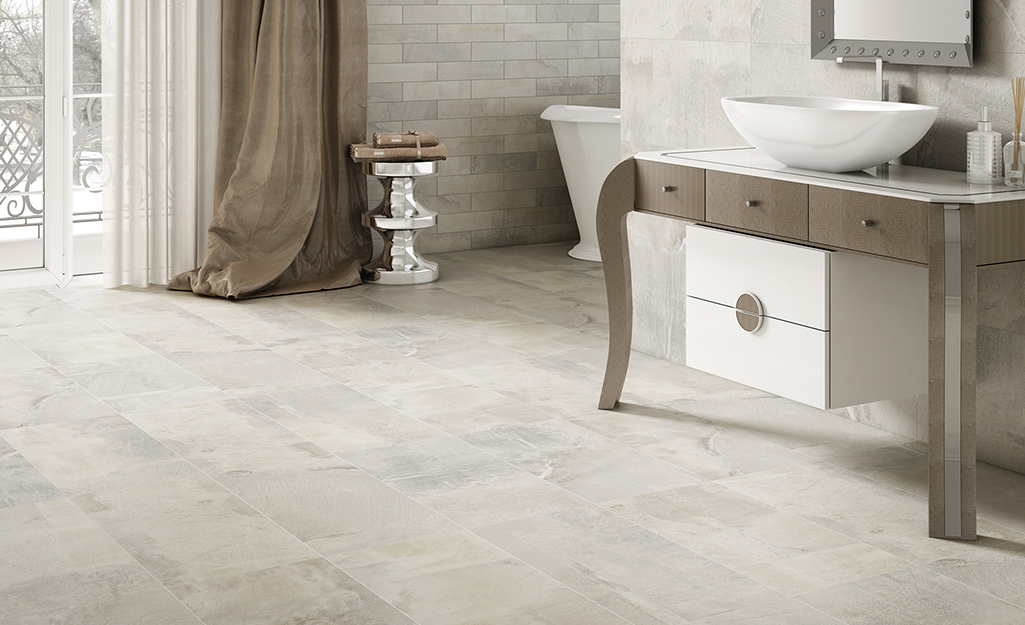
Large format tiles create a spacious feel. Fewer grout lines make cleaning easier. They work well in modern, open bathroom designs. Use light colors to enhance brightness and size. Large tiles give a sleek, seamless look to floors.
Mosaic Floor Designs
Mosaic tiles add artistic detail to floors. Small pieces form patterns or images. Choose from colorful or neutral palettes. Mosaics bring charm and personality to any bathroom. Perfect for accent areas or full floor coverage.
Heated Tile Floors
Heated floors offer warmth underfoot during cold months. Electric or water-based systems fit beneath ceramic tiles. They improve comfort and energy efficiency. Heated tiles make bathrooms cozy and inviting. A smart upgrade for chilly climates.
Shower Tile Ideas
Shower tile designs shape the style and function of your bathroom. Tiles protect walls from water damage. They also add texture and color to the space. Choosing the right shower tile ideas can enhance comfort and safety. These ideas mix beauty with practical features.
Explore creative ways to tile your shower. Each option offers a unique look and feel. From covering entire walls to small accent touches, shower tiles transform the bathroom.
Full Wall Tiling
Covering the entire shower wall with tiles creates a sleek look. It protects the walls fully from moisture. Large tiles reduce grout lines, making cleaning easier. Choose neutral colors for a calm, spacious feel. Bold colors or patterns add energy to the space.
Niche And Accent Details
Use niche tiles to add style and storage. A tiled niche holds shampoo and soap neatly. Accent tiles in a niche or border create visual interest. Mix different shapes or colors for a striking effect. These details personalize your shower without overwhelming it.
Textured Tiles For Grip
Textured tiles improve safety by reducing slip risks. Choose tiles with a rough or patterned surface. They provide good grip even when wet. Textured tiles add depth and tactile appeal too. Ideal for shower floors or lower wall areas.
Contrasting Grout Colors
Grout color changes the tile look drastically. Light grout with dark tiles highlights the tile shape. Dark grout with light tiles hides dirt and stains better. Contrasting grout adds a graphic, modern touch. It makes the tile pattern stand out clearly.
Credit: www.homedepot.com
Tile Installation Tips
Installing ceramic tiles in your bathroom needs careful attention. Proper installation ensures the tiles last longer and look great. Follow these tips for a smooth and successful tile installation.
Planning Your Layout
Start by measuring the bathroom area accurately. Draw a layout plan on paper or use a digital tool. Plan tile placement to avoid small cuts on edges. Center tiles for a balanced look. Consider the tile pattern and direction before starting.
Choosing The Right Adhesive
Select an adhesive suitable for bathroom moisture. Use waterproof or water-resistant tile adhesive. Check manufacturer recommendations for tile type and surface. Mix adhesive properly to the right consistency. Apply adhesive evenly with the correct trowel size.
Spacing And Grout Lines
Use tile spacers to keep grout lines even. Typical grout lines are 1/8 to 1/4 inch wide. Consistent spacing improves appearance and durability. Choose grout color that matches or contrasts tiles. Seal grout after drying to prevent water damage.
Cutting And Fitting Tiles
Use a tile cutter or wet saw for clean cuts. Measure tiles carefully before cutting. Cut tiles for edges, corners, and around fixtures. Smooth cut edges with a tile file or sanding stone. Dry fit tiles before final installation to check alignment.
Maintaining Ceramic Tiles
Ceramic tiles add beauty and durability to any bathroom. Keeping them in top condition extends their life and keeps your space fresh. Proper maintenance protects tiles from damage and keeps grout clean. Follow simple care steps to ensure your ceramic tiles look great for years.
Cleaning Methods
Use a soft mop or cloth for daily cleaning. Warm water with mild soap removes most dirt and stains. Avoid harsh chemicals that can damage tile surfaces. For grout, use a soft brush and gentle cleaner. Rinse thoroughly to prevent residue buildup. Dry tiles with a towel to avoid water spots.
Sealing And Protection
Seal ceramic tiles to protect them from moisture and stains. Apply a grout sealer every six months for best results. Choose sealers designed for bathroom use. Sealing prevents water from seeping into grout and tiles. This keeps mold and mildew away and maintains tile shine.
Repairing Chips And Cracks
Small chips and cracks can worsen if left untreated. Use a tile repair kit with matching color filler for minor damage. Clean the area before applying the filler. For larger cracks, replace the damaged tile to avoid water damage. Regular checks help catch issues early.
Preventing Mold And Mildew
Keep the bathroom well ventilated to reduce humidity. Use exhaust fans during and after showers. Wipe tiles dry to stop moisture buildup. Clean grout lines regularly with mold-killing solutions. Mold grows quickly in damp, dark areas, so keep tiles dry and clean.
:strip_icc()/7002697_AA0788_preview-14d7c62cdbb04998a01cb5918ba0547e.jpg)
Credit: www.bhg.com
Frequently Asked Questions
What Is The Current Trend On Bathroom Tile?
Current bathroom tile trends highlight fluted tiles with textured, rounded edges for a modern, multi-dimensional wall look. Neutral tones and large-format porcelain tiles also remain popular for sleek, spacious designs. Mixing patterns and natural stone finishes enhances visual interest and adds a luxurious feel.
What Is The 3/4/5 Rule For Tiling?
The 3/4/5 rule for tiling helps create a perfect right angle. Measure 3 feet on one side, 4 feet on the other. The diagonal should equal 5 feet. Adjust layout until these measurements form a right triangle, ensuring square and accurate tile placement.
What Is The 1/3 Rule For Tile?
The 1/3 rule for tile means shifting each row by one-third of a tile’s length. This creates a balanced, visually appealing layout and avoids uniform seams. It improves design flow and reduces noticeable tile cuts, enhancing the overall look of tiled surfaces.
What Is The Downside Of Ceramic Tiles?
Ceramic tiles can crack or chip easily if heavy objects fall on them. They feel cold and hard underfoot. Installation requires skilled labor. Grout lines may stain or mold without proper sealing.
Conclusion
Ceramic tile brings style and durability to any bathroom space. Choose colors and patterns that reflect your taste. Tiles resist moisture and make cleaning easier. Small or large bathrooms both benefit from ceramic tiles. With many designs available, find one that fits your home.
A well-tiled bathroom adds value and comfort. Start planning today to create a fresh, beautiful look. Your bathroom can become a relaxing, elegant retreat.