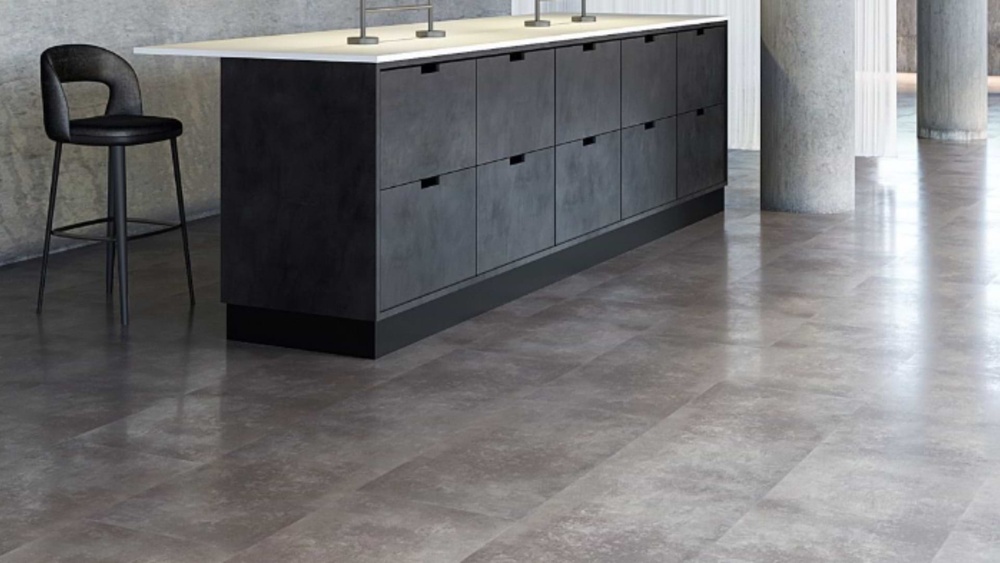

Are you looking for flooring that combines style, durability, and easy maintenance? Cement texture vinyl flooring might be just what you need.
It offers the modern, sleek look of concrete but without the cold, hard feel of real cement. Imagine having floors that bring an industrial edge to your space, while still being comfortable underfoot and simple to clean. You’ll discover why cement texture vinyl flooring is becoming a popular choice for homes and businesses alike, and how it can transform your space with its unique blend of design and practicality.
Keep reading to learn how this flooring option can fit your lifestyle and elevate your interiors.
Benefits Of Cement Texture Vinyl
Cement texture vinyl flooring offers many advantages that suit both homes and businesses. It combines the modern look of concrete with the practical benefits of vinyl. This flooring type provides style and function without the usual downsides of real cement. Here are some key benefits that make cement texture vinyl a popular choice.
Stylish Concrete Look
Cement texture vinyl mimics real concrete perfectly. It gives a sleek, modern appearance to any space. The subtle texture adds depth and character. This flooring fits well with industrial, minimalist, or contemporary designs. It creates a clean and elegant look without heavy maintenance.
Durability And Strength
Vinyl flooring with cement texture is tough and long-lasting. It resists scratches, stains, and dents better than many other floors. This makes it ideal for busy areas and homes with pets or children. The surface stays intact even under heavy foot traffic. It also handles moisture well, preventing damage in damp places.
Cost-effective Flooring Solution
Cement texture vinyl is budget-friendly compared to real concrete or stone floors. Installation is quicker and easier, saving labor costs. It does not require sealing or polishing like natural cement. This flooring gives a high-end look without a high-end price. It is a smart choice for stylish, affordable flooring.
Comparing Cement Vinyl To Traditional Concrete
Cement texture vinyl flooring offers a fresh alternative to traditional concrete floors. It captures the industrial look of concrete but improves on several practical aspects. Comparing cement vinyl to traditional concrete reveals key differences in comfort, durability, and maintenance. These differences help homeowners decide which flooring suits their needs best.
Comfort And Warmth
Traditional concrete floors feel hard and cold underfoot. This can make rooms less inviting and uncomfortable, especially in colder months. Cement vinyl flooring adds a layer of softness and warmth. It feels gentler on feet and can help maintain a cozier room temperature. This makes cement vinyl a better choice for living spaces and bedrooms.
Resistance To Cracking And Moisture
Concrete floors often develop cracks over time. Changes in temperature and humidity cause expansion and contraction. Moisture can seep into these cracks, leading to damage. Cement vinyl flooring resists cracking because it is flexible. It also offers excellent moisture resistance, preventing water damage. This durability makes cement vinyl ideal for kitchens and basements.
Maintenance Ease
Concrete floors require sealing and regular care to stay in good condition. They can stain easily and need special cleaners. Cement vinyl floors are low-maintenance. They clean easily with a mop and standard household cleaners. No sealing or polishing is needed. This convenience saves time and effort, making cement vinyl a practical flooring option.
Design Options And Finishes
Cement texture vinyl flooring offers diverse design options and finishes. These options make it easy to match any decor style. The look can range from subtle to bold, depending on your choice. This flooring type mimics real cement but adds warmth and comfort. It suits residential and commercial spaces alike.
Color Variations And Patterns
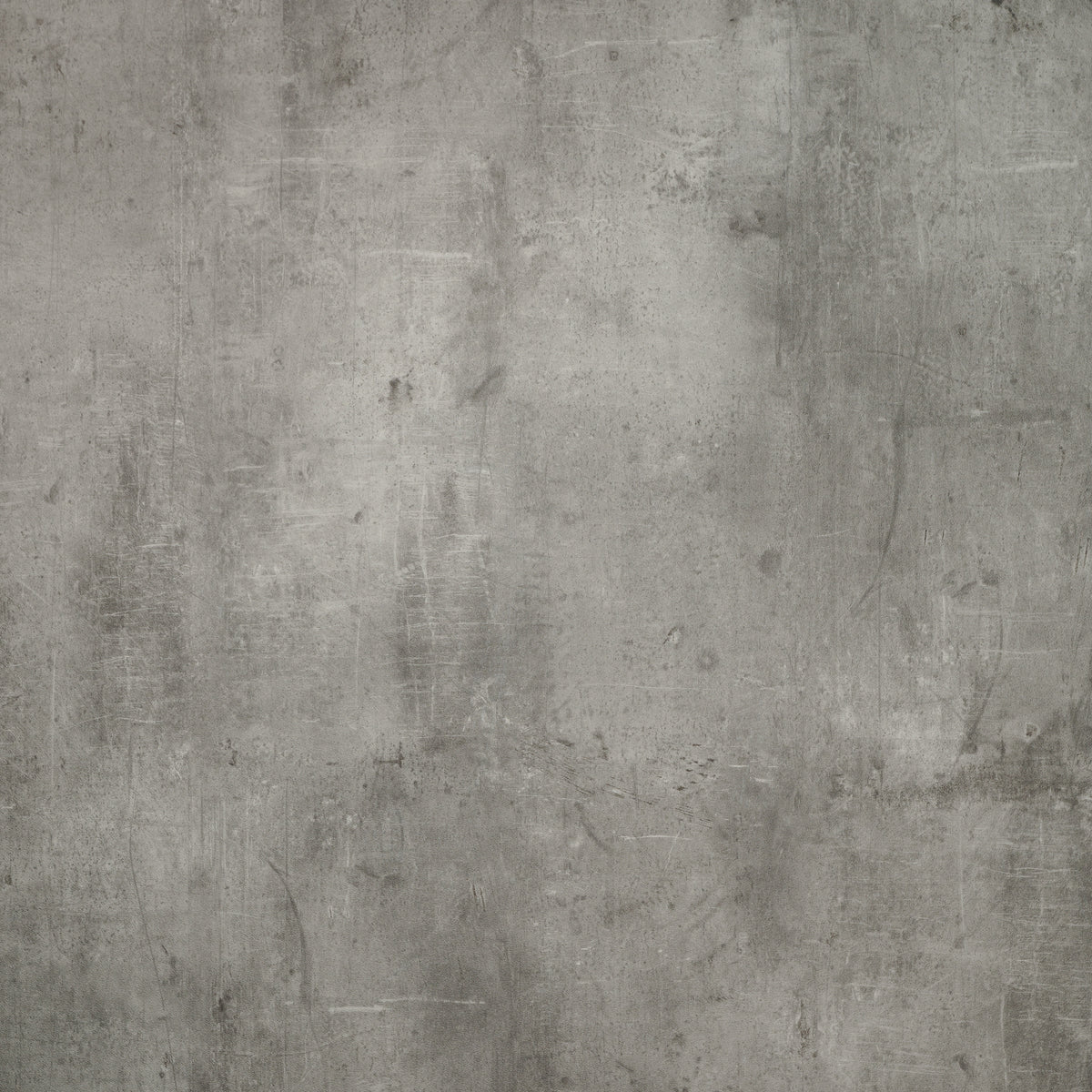
Cement texture vinyl flooring comes in many colors. Shades include light grey, charcoal, and earthy tones. Patterns can mimic natural cement cracks or smooth surfaces. Some designs feature subtle speckles or mottled effects. These variations add depth and interest to floors. You can pick colors that blend or stand out.
Textured Vs Smooth Surfaces
Textured surfaces provide a realistic cement feel underfoot. They offer better slip resistance and hide scratches. Smooth surfaces look sleek and modern. They are easier to clean and maintain. Choose texture based on style and room use. Both options enhance the floor’s visual appeal.
Customizable Styles
Vinyl flooring allows customization of styles. You can combine colors and textures in one space. Some products offer customizable plank or tile shapes. This flexibility helps create unique floor designs. Custom styles fit various budgets and personal tastes. The result is a floor that reflects your style perfectly.

Credit: www.harveymaria.com
Installation Methods
Installing cement texture vinyl flooring involves several methods. Each offers unique benefits and suits different skill levels and room types. Choosing the right installation method ensures durability and a smooth finish. Below are common installation options for this stylish flooring.
Self-adhesive Vinyl Tiles
Self-adhesive vinyl tiles come with a sticky backing. Peel off the protective layer and press the tile onto a clean, dry floor. This method is quick and requires no extra glue or tools. It suits DIY projects and small areas well. Tiles can be easily replaced if damaged.
Click-lock Planks
Click-lock planks snap together without adhesive. They create a floating floor that rests on the subfloor. This method is ideal for uneven surfaces and allows quick installation. Planks lock securely, providing stability and a seamless look. This option is popular for larger rooms.
Glue-down Options
Glue-down vinyl flooring uses a strong adhesive spread on the subfloor. The vinyl is then pressed firmly into the glue. This method offers the most secure and long-lasting bond. It works best for high-traffic areas and commercial spaces. Proper surface preparation is essential for success.
Durability Factors
Cement texture vinyl flooring stands out for its strong durability. This type of flooring can handle daily wear and tear without losing its look. Its construction makes it ideal for busy homes and commercial spaces. Below are key factors that define its lasting quality.
Scratch And Wear Resistance
Cement texture vinyl flooring resists scratches well. The top layer protects against marks from shoes and furniture. This means it stays attractive even in high-traffic areas. Its surface also wears down slowly, maintaining the original texture and design. This durability reduces the need for frequent replacements.
Waterproof Qualities
This flooring type is fully waterproof. Water spills do not soak into the material, preventing damage. It works perfectly in kitchens, bathrooms, and basements. The waterproof feature also stops mold and mildew growth under the floor. This keeps the environment healthy and clean.
Impact On Noise Levels
Cement texture vinyl flooring helps reduce noise. It absorbs sounds better than hard surfaces like tile or wood. This makes rooms feel quieter and more comfortable. The cushioned backing softens footsteps and drops. It is a smart choice for apartments or busy homes needing sound control.
Comfort And Safety
Cement texture vinyl flooring offers more than just a modern look. It combines comfort and safety features that make it suitable for homes and businesses. This flooring type feels softer underfoot than concrete. It also includes design elements that reduce slipping. Health benefits come from materials that resist dust and mold. Such qualities improve indoor air quality and create a safer environment.
Warmth Compared To Concrete
Cement texture vinyl flooring feels warmer than bare concrete. The vinyl material holds heat better, creating a cozy floor surface. This warmth reduces the cold feeling that concrete often has. Warmer floors help keep your feet comfortable in cooler months. This makes rooms feel inviting and pleasant all year round.
Slip Resistance Features
Safety is key in any flooring choice. Cement texture vinyl flooring often comes with slip-resistant surfaces. These textures add grip, lowering the chance of falls. The pattern mimics rough cement but is gentle on bare feet. Good slip resistance makes this flooring ideal for busy areas. It helps protect children, elderly, and pets from accidents.
Health Benefits
Vinyl flooring does not trap dust or allergens like carpets do. It is easy to clean and maintain, reducing dust buildup. Cement texture vinyl resists mold and mildew growth, keeping air fresh. This flooring choice supports healthier breathing environments. It is hypoallergenic and often free of harmful chemicals. Such features benefit those with allergies or asthma.
Maintenance Tips
Maintaining cement texture vinyl flooring keeps its look fresh and extends its life. This type of flooring needs regular care to avoid damage and keep its unique style.
Cleaning Procedures
Start with sweeping or vacuuming the floor to remove dust and dirt. Use a damp mop with mild soap and water to clean the surface. Avoid harsh chemicals or abrasive tools that can scratch the texture. Dry the floor with a soft cloth to prevent water spots. Clean spills immediately to avoid stains.
Preventing Damage
Place mats at entrances to reduce dirt and grit on the floor. Use furniture pads under chair and table legs to stop scratches. Avoid dragging heavy items across the floor. Keep pet nails trimmed to prevent marks. Control indoor humidity to reduce floor expansion and contraction.
Repairing Minor Issues
Small scratches or scuffs can be fixed with a vinyl floor repair kit. Clean the area before applying the repair compound. Match the color to keep the floor looking uniform. For small dents, place a damp cloth and iron on low heat to lift the vinyl. Replace tiles only if damage is severe or beyond repair.

Credit: www.ebay.com.my
Cost Considerations
Choosing cement texture vinyl flooring means understanding the costs involved. Budget planning helps avoid surprises during your project. Costs vary based on material quality, installation complexity, and durability. Let’s explore the main cost factors for this flooring option.
Material Prices
Prices for cement texture vinyl flooring depend on thickness and design. Higher quality vinyl often costs more but lasts longer. Expect a price range between $2 and $7 per square foot. Cheaper options may look less natural and wear faster. Consider buying from trusted brands for better results.
Installation Costs
Installation costs depend on floor size and condition. Professional installers charge between $1.50 and $5 per square foot. Complex patterns or uneven subfloors increase labor time and cost. DIY installation can save money but requires skill and tools. Proper installation ensures a smooth and durable finish.
Long-term Value
Cement texture vinyl flooring offers good long-term value. It resists stains, scratches, and moisture well. Maintenance costs remain low with simple cleaning routines. Durable flooring reduces the need for frequent replacements. This saves money over time and keeps your space looking fresh.
Popular Brands And Products
Cement texture vinyl flooring offers a modern and stylish look. It mimics the raw, industrial charm of concrete floors. Choosing the right brand and product ensures quality and durability. Many brands provide a wide range of options for this popular flooring style. Below are some of the top brands and recommended products to consider.
Top Vinyl Flooring Brands
Mannington is a trusted name in vinyl flooring. Their cement texture designs are highly durable. Moduleo offers luxury vinyl planks with realistic concrete effects. Tarkett provides modular vinyl tiles that look like polished cement. Interface creates textured stone luxury vinyl planks, perfect for modern spaces. Home Depot’s Lifeproof line includes affordable waterproof vinyl tiles with cement looks.
Recommended Product Lines
The Lifeproof Guzman Concrete Click Lock vinyl tile by Home Depot is popular. It is easy to install and water-resistant. Moduleo’s Cement Effect line offers premium quality with a natural finish. Tarkett’s iD Square Loose-Lay Modular Vinyl features light grey cement textures. TileBar’s Rigid Core Click Luxury Vinyl Tile provides strong and stylish flooring. Veelike’s Distressed Concrete Vinyl Floor Tiles deliver an aged cement look.
Where To Buy In Austin, Texas
Local stores like Lowe’s and Home Depot carry many cement texture vinyl options. FloorEXP in Austin offers rolled vinyl and tiles with concrete styles. Ged’s Floor Store provides quality vinyl flooring with expert advice. Online platforms such as Etsy and TileBar ship to Austin with various product choices. Visit these places to see samples and get professional installation help.
Suitability For Different Spaces
Cement texture vinyl flooring offers a versatile look that fits many environments. Its design mimics real cement, giving spaces a modern and clean feel. This type of flooring combines style with durability, making it a practical choice for various settings.
Residential Areas
Cement texture vinyl flooring works well in homes. It suits kitchens, living rooms, and bathrooms. The flooring is easy to clean and maintain. Its subtle texture adds character without overwhelming the room. Families enjoy its comfort underfoot and resistance to spills.
Commercial Applications
Businesses benefit from cement texture vinyl flooring. It creates a professional and sleek appearance. Offices, cafes, and shops often choose this flooring for its durability. The material withstands daily wear and tear. It also handles moisture and stains effectively.
High-traffic Zones
This flooring performs great in busy areas. Hallways, lobbies, and corridors stay attractive longer with cement texture vinyl. The surface resists scratches and dents from heavy foot traffic. It provides a safe, slip-resistant surface for public spaces. Maintenance is simple, saving time and cost.
Credit: floorexp.com
Frequently Asked Questions
What Are The Disadvantages Of Cement Flooring?
Cement flooring feels hard and cold, causing discomfort and health issues. It can crack, trap moisture, become slippery when wet, and amplify noise. Repairs can be costly, and dropped items may break easily on its rigid surface.
Can Vinyl Flooring Be Textured?
Yes, vinyl flooring can have textured surfaces. Textured vinyl mimics natural materials like wood or stone, adding grip and visual appeal. It enhances safety and style in various spaces.
What Is The Disadvantage Of Vinyl Flooring?
Vinyl flooring can dent or scratch easily and may fade with prolonged sun exposure. It can emit VOCs affecting indoor air quality. Some types feel less natural and may be slippery when wet, reducing safety.
What Is Vinyl Concrete Used For?
Vinyl concrete mimics concrete’s look and texture in flooring. It suits residential, commercial spaces, offering durability, water resistance, and easy maintenance.
Conclusion
Cement texture vinyl flooring offers a stylish and practical choice. It mimics concrete’s look without the cold, hard feel. This flooring is easy to clean and maintain. It works well in many rooms, adding a modern touch. The durability helps it stand up to daily wear.
Choosing this vinyl can brighten your space with its unique texture. Its moisture resistance keeps floors safe and lasting. Overall, cement texture vinyl blends beauty and function well.


