
When it comes to creating a bathroom that truly works for you or a loved one with mobility challenges, thoughtful design is key. You want a space that is not only safe and accessible but also comfortable and stylish.
Handicap bathroom design isn’t just about meeting regulations—it’s about enhancing your daily life with ease and independence. Imagine moving freely, reaching what you need without strain, and feeling confident in your own bathroom. You’ll discover practical tips and smart ideas to transform any bathroom into a welcoming, handicap-accessible sanctuary tailored to your needs.
Keep reading to unlock the secrets of a bathroom that supports your lifestyle effortlessly.
Designing For Accessibility
Designing a bathroom for accessibility means creating a safe and comfortable space. It helps people with mobility challenges use the bathroom independently. The design should focus on ease of movement and support. Each feature plays a role in making the bathroom user-friendly for all.
Wide Doorways And Clearances
Wide doorways allow easy entry for wheelchairs and walkers. Clear space inside helps users move freely without obstacles. Doors should be at least 32 inches wide. Turning space of 60 inches in diameter is ideal. This ensures smooth navigation and prevents accidents.
Curbless And Walk-in Showers
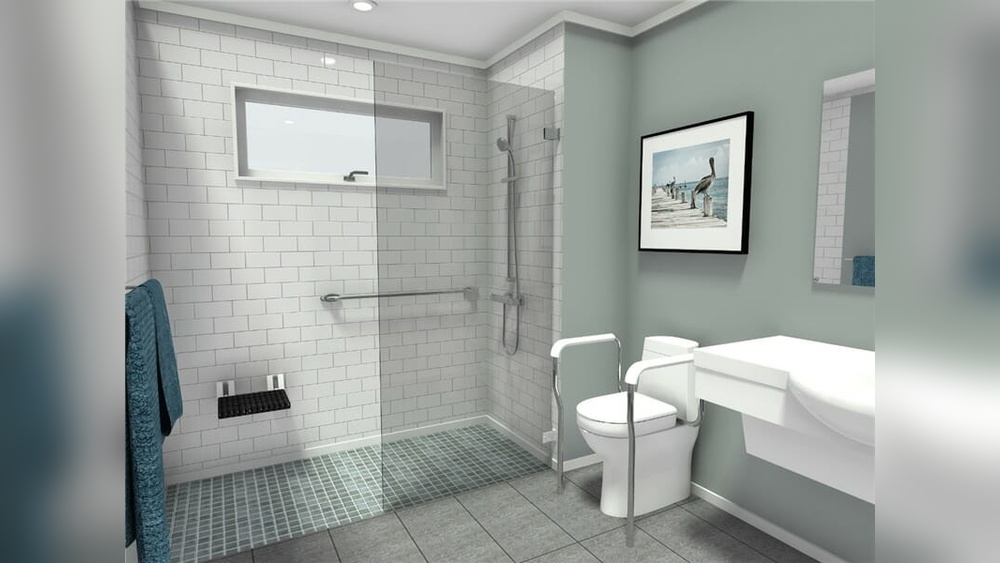
Curbless showers remove barriers caused by steps or thresholds. Walk-in showers offer direct access without lifting feet. These designs reduce fall risks and increase comfort. Non-slip flooring inside the shower adds safety. A bench or seat inside provides rest during bathing.
Grab Bars And Support Rails
Grab bars give extra support and stability. They help users stand, sit, and move safely. Bars should be placed near toilets and showers. Secure mounting is important to hold weight. Support rails increase confidence and reduce fear of falling.
Handheld Showerheads
Handheld showerheads offer flexibility and control. Users can adjust the water flow and direction easily. They are helpful for seated or limited mobility users. Adjustable height settings make showering more comfortable. This feature enhances independence in personal care.
Accessible Fixtures And Controls
Fixtures like sinks and toilets should be at reachable heights. Lever-style handles are easier to use than knobs. Controls must be simple and within arm’s reach. Clear labeling helps users identify functions quickly. These details improve daily bathroom use for everyone.

Credit: www.homedepot.com
Floor Plans For Mobility
Designing a bathroom for mobility means making space easy to move. The floor plan must allow smooth movement for people using wheelchairs or walkers. Careful planning improves safety and comfort. It also helps users feel more independent in the bathroom.
Wheelchair Turning Space
Wheelchairs need enough room to turn around freely. A clear circle of at least 60 inches in diameter is best. This space lets users change direction without struggle. Avoid placing obstacles inside this area. Keep it open and easy to navigate.
Clear Paths And Layouts
Paths inside the bathroom should be wide and clear. A minimum of 36 inches wide is ideal for wheelchair access. Remove any furniture or items that block the way. A simple, straightforward layout reduces confusion. It helps users find what they need quickly.
Toilet And Sink Placement
Position the toilet and sink where they are easy to reach. The toilet should have grab bars nearby for support. Leave enough space on one side for wheelchair transfer. Sinks should be mounted at a height that allows wheelchair users to roll under. Controls and faucets must be easy to use with one hand.
Safety Features
Safety features are vital in handicap bathroom design. They prevent accidents and provide ease of use. Bathrooms must be secure for all users, especially those with mobility challenges. Thoughtful safety measures improve confidence and independence in daily routines.
Non-slip Flooring Options
Non-slip flooring reduces the risk of falls. Materials like textured tiles, rubber, or vinyl offer good grip. Avoid glossy or smooth surfaces that get slippery when wet. Mats with non-slip backing add extra protection. Proper flooring helps maintain balance and safety.
Proper Lighting
Bright, even lighting improves visibility in the bathroom. Use LED lights for clear illumination and low energy use. Install lights near the shower, toilet, and sink areas. Motion-sensor lights can help at night. Good lighting reduces accidents and helps users move safely.
Emergency Call Systems
Emergency call systems provide quick help if needed. Install pull cords or buttons within easy reach of the toilet and shower. Systems should connect to caregivers or emergency services. This feature offers peace of mind and improves bathroom safety. It is essential for independent living.
Combining Style With Function
Designing a handicap bathroom involves more than just meeting accessibility rules. It blends style with function to create a space that feels welcoming and practical. Every element should support ease of use without sacrificing visual appeal. This balance enhances comfort and independence for users.
Modern Accessible Designs
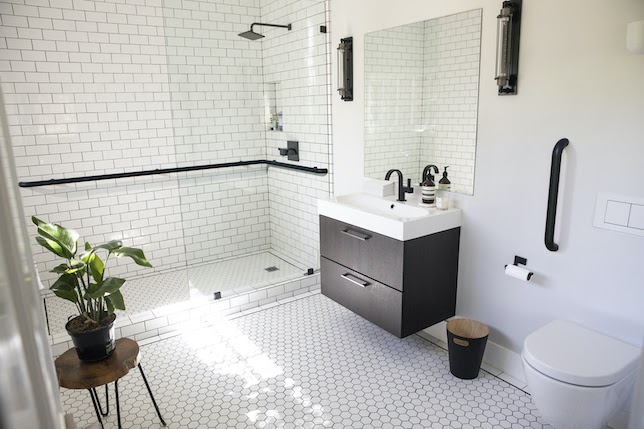
Modern accessible bathrooms use clean lines and open spaces. Fixtures are sleek yet simple to use. Walk-in showers with grab bars and fold-down seats offer safety and style. Floating vanities allow wheelchair access and add a contemporary touch. Lighting is bright but soft, reducing glare while improving visibility.
Material Choices For Durability And Aesthetics
Choose materials that resist moisture and wear. Non-slip tiles ensure safety and come in many designs. Solid surface countertops combine durability with smooth finishes. Stainless steel fixtures resist rust and look modern. Easy-to-clean surfaces reduce maintenance and keep the bathroom fresh.
Color And Texture Considerations
Colors affect mood and perception of space. Light shades open up small rooms and improve brightness. Contrasting colors help users identify edges and fixtures. Textured walls or floors provide grip and reduce slips. Combining smooth and rough surfaces creates a balanced, attractive look.
Technology Enhancements
Technology enhancements improve safety and comfort in handicap bathroom design. They help users operate fixtures easily and reduce physical strain. These tools offer independence and convenience for people with disabilities.
Touchless Faucets And Toilets
Touchless faucets activate with simple hand movements. Users avoid touching handles, reducing germ spread. These faucets adjust water flow and temperature automatically. Touchless toilets flush without manual effort. They help maintain hygiene and save water.
Smart Bathroom Controls
Smart controls allow easy management of lighting, temperature, and ventilation. Users can operate devices with voice commands or mobile apps. This reduces the need to reach switches or buttons. Smart controls improve bathroom comfort and accessibility.
Adaptive Equipment
Adaptive equipment customizes the bathroom to user needs. Examples include adjustable shower seats and grab bars with sensors. Some devices monitor user safety and send alerts if needed. Adaptive tools enhance independence and provide extra support.
Credit: promenaid.com
Compliance And Standards
Designing a handicap bathroom requires strict adherence to compliance and standards. These rules ensure safety, comfort, and accessibility for all users. Following proper guidelines helps create spaces that meet legal requirements and serve diverse needs effectively.
Ada Guidelines
The Americans with Disabilities Act (ADA) sets clear rules for accessible bathrooms. These guidelines cover door widths, grab bar placement, and toilet heights. ADA ensures wheelchair users can navigate and use facilities independently. Bathrooms must have enough clear floor space for easy movement. Proper sink and faucet designs are also part of the standards.
Local Building Codes
Local building codes vary by city and state but often align with ADA rules. These codes may add extra requirements specific to the region. Builders must check local codes before starting any bathroom design. Compliance avoids legal issues and guarantees a safer environment. Inspectors verify these standards during construction and renovations.
Universal Design Principles
Universal design focuses on creating spaces usable by everyone, regardless of ability. It promotes flexibility, simplicity, and safety in bathroom layouts. Features like zero-step entries and lever handles support ease of use. These principles go beyond legal needs, aiming for comfort and independence. Adopting universal design makes bathrooms welcoming for all ages and abilities.
Cost And Planning
Planning and budgeting for a handicap bathroom design requires careful thought. Costs vary based on the size, materials, and features needed. Proper planning ensures the space is both safe and comfortable. This section breaks down key elements of cost and planning.
Budgeting For Accessibility
Set a clear budget before starting the project. Consider costs for fixtures, flooring, and grab bars. Accessibility features may add to expenses but improve usability. Always leave room for unexpected costs in your budget. Prioritize essential elements to keep spending under control.
Hiring Professionals
Engage experienced contractors or designers specializing in accessible bathrooms. Professionals understand local codes and can suggest the best solutions. Their expertise helps avoid costly mistakes and delays. Ask for references and check credentials before hiring. Quality work ensures safety and long-term value.
Permits And Inspections
Obtain necessary permits before beginning construction. Local authorities require permits for plumbing and structural changes. Inspections ensure the work meets safety and accessibility standards. Failing to get permits can lead to fines or rework. Plan extra time in your schedule for this process.
Maintenance And Upkeep
Maintaining a handicap bathroom ensures safety and comfort for users. Regular upkeep keeps fixtures working and spaces clean. Proper care prevents accidents and extends the lifespan of bathroom features. Here are key areas to focus on for maintenance and upkeep.
Cleaning Accessible Fixtures
Accessible fixtures need frequent cleaning to stay hygienic. Use gentle cleaners that do not damage surfaces or finishes. Pay special attention to grab bars and handles where germs collect. Clean floors and sinks daily to prevent slips and buildup. Wipe down shower seats and controls to keep them safe.
Regular Safety Checks
Check all safety features often. Ensure grab bars are tight and secure. Test non-slip mats for wear and replace if needed. Inspect door handles and locks for easy use. Look for cracks or leaks around toilets and showers. Fix problems quickly to avoid injuries.
Updating Features Over Time
Update bathroom features to meet changing needs. Replace worn fixtures with newer, safer models. Add better lighting for visibility and comfort. Consider smart technology for easier control and assistance. Keep the bathroom design flexible to support aging or disability changes.

Credit: www.archdaily.com
Frequently Asked Questions
How To Design A Bathroom For A Disabled Person?
Design a disabled-accessible bathroom by installing grab bars, a roll-in shower, non-slip flooring, and an accessible sink and toilet. Ensure wide doorways and enough space for wheelchair movement. Use lever handles and proper lighting for ease of use and safety.
Does Medicare Pay For A Handicap Bathroom Remodel?
Medicare generally does not cover handicap bathroom remodels. Coverage may apply if modifications are medically necessary and prescribed by a doctor. Always check specific plan details and eligibility for home improvement benefits.
How Big Should A Handicap Bathroom Be In A Home?
A handicap bathroom in a home should be at least 60 inches wide for wheelchair access. Ensure 5-foot turning space for mobility. Include grab bars and accessible fixtures for safety and convenience.
How Do I Make My Bathroom Handicap Accessible?
Install grab bars near the toilet and shower. Use a roll-in shower and widen doorways. Add a raised toilet seat and non-slip flooring. Ensure enough space for wheelchair maneuvering. Use lever-style faucets for easier use.
Conclusion
Designing a handicap bathroom improves safety and comfort for everyone. Simple changes create easier access and greater independence. Thoughtful layouts and fixtures help meet diverse needs. Prioritizing accessibility supports a more inclusive home environment. Small updates can make a big difference daily.
Choose features that provide support and convenience. A well-designed bathroom promotes confidence and peace of mind. Keep functionality and ease of use at the forefront. This approach ensures lasting value and comfort for users.