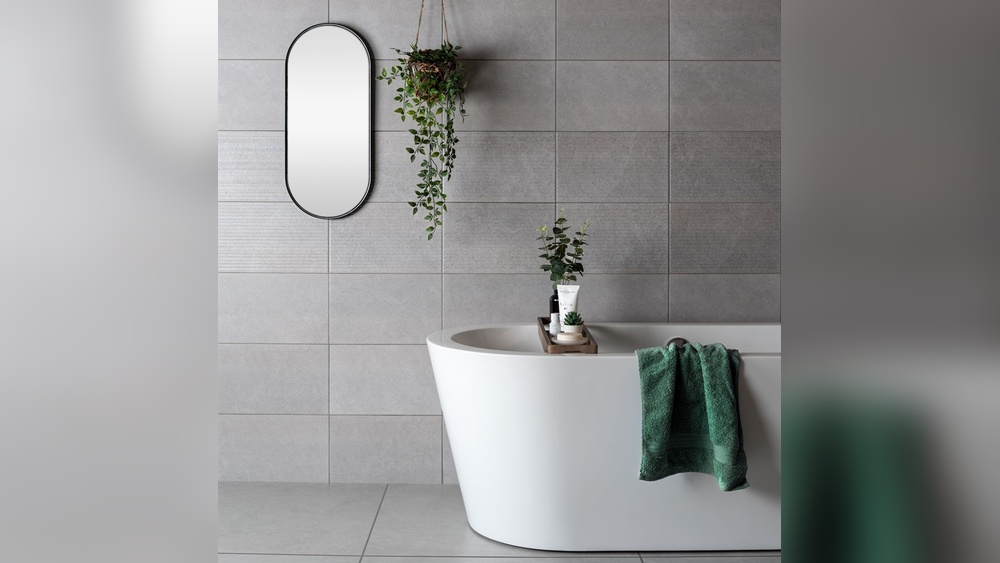

When it comes to transforming your bathroom, the walls hold a secret power that can completely change the space. You might not realize it, but choosing the right bathroom design wall tiles can make your room feel bigger, brighter, and more inviting.
Imagine stepping into a bathroom that reflects your style and boosts your mood every day. Whether you want a sleek modern look or a cozy, classic vibe, the perfect wall tiles are the key to unlocking that dream. Ready to discover how to pick tiles that suit your taste and lifestyle?
Keep reading, because your ideal bathroom makeover starts here.
Tile Materials
Choosing the right tile material is key for stylish and durable bathroom walls. Tiles must resist moisture and look great over time. Each material offers unique benefits and fits different design styles.
Understanding common tile materials helps you make smart bathroom design choices. Here are some popular options for bathroom wall tiles.
Ceramic Tiles
Ceramic tiles are made from natural clay baked at high heat. They are affordable and come in many colors and patterns. Ceramic tiles resist water well and clean easily. They suit most bathroom styles and budgets.
Porcelain Tiles
Porcelain tiles are a type of ceramic but denser and less porous. They are strong and very water-resistant. Porcelain works well in wet bathroom areas. It offers sleek and modern looks with many finishes.
Natural Stone
Natural stone tiles come from marble, granite, slate, and more. Each stone has a unique texture and color. Stone tiles add a natural, elegant feel to bathrooms. They need sealing to protect from moisture and stains.
Glass Tiles
Glass tiles reflect light and brighten bathroom walls. They resist mold and water damage easily. Glass tiles add color and shine in small or large spaces. They work well as accents or full wall coverings.
Mosaic Tiles
Mosaic tiles are small pieces of ceramic, glass, or stone. They create detailed patterns and designs. Mosaics bring texture and visual interest to bathroom walls. They fit well in showers or backsplashes.
Popular Tile Styles
Bathroom wall tiles come in many styles. Each style changes the room’s look and feel. Choosing the right tile style helps create a fresh, inviting space. Popular tile styles fit various tastes and budgets. They bring charm, texture, and color to bathroom walls.
Subway Tiles
Subway tiles are classic and timeless. They are rectangular with clean edges. These tiles often come in white but have many colors. The simple design fits any bathroom style. Easy to clean and maintain, subway tiles stay popular.
Hexagon Tiles
Hexagon tiles have six sides and look modern. They add an interesting shape to walls. These tiles come in many sizes and colors. Hexagon tiles create a geometric, stylish look. They work well in both small and large bathrooms.
Chevron Patterns
Chevron tiles form a V-shaped pattern. This design creates movement and energy on walls. Chevron patterns can be bold or subtle, depending on color choice. These tiles add a trendy, dynamic touch to bathrooms. They fit well with modern and traditional designs.
Penny Tiles
Penny tiles are small, round, and close together. They look charming and vintage on walls. These tiles come in many colors and finishes. Penny tiles give texture and detail to bathroom walls. They work great as accents or full wall coverings.
Textured Tiles
Textured tiles add depth and interest to walls. They have raised patterns or surfaces you can feel. These tiles create a unique and tactile bathroom design. Textured tiles come in various styles and materials. They help break plain wall surfaces and add character.
Color Palettes
Choosing the right color palette for bathroom wall tiles shapes the entire room’s vibe. Colors influence mood and style. The palette you select can make the space feel calm, bold, or bright.
Explore popular color choices that fit various design tastes. Each option offers unique charm and personality for bathroom walls.
Neutral Tones
Neutral tones create a calm and timeless bathroom look. Shades like beige, gray, and white bring simplicity and elegance. They match well with most fixtures and accessories. These colors make small bathrooms feel larger and more open. Neutral tiles offer a perfect backdrop for any design style.
Bold Colors
Bold colors add energy and character to bathroom walls. Bright blues, deep greens, or rich reds create a strong statement. They work well as feature walls or accents. Bold tiles can refresh a dull bathroom with vibrancy. Use them to express personality and style confidence.
Monochrome Looks
Monochrome palettes use different shades of one color for a sleek effect. Black and white tiles are classic choices. This style brings modernity and sharp contrast. It suits minimalist and contemporary bathrooms well. Monochrome tiles offer a clean, stylish, and easy-to-maintain option.
Pastel Shades
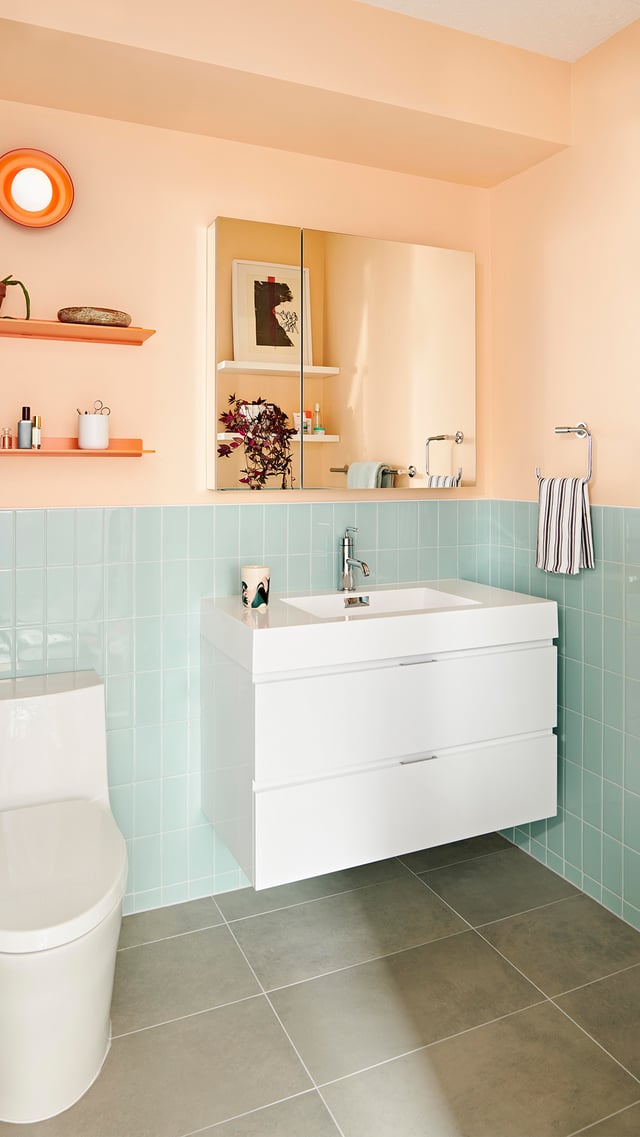
Pastel shades create soft and soothing bathroom environments. Light pinks, blues, and greens evoke calmness and freshness. These colors brighten spaces without overwhelming them. Pastel tiles suit vintage and shabby-chic designs. They add a gentle, welcoming touch to bathroom walls.
Metallic Finishes
Metallic finishes bring a touch of luxury and sparkle to bathroom tiles. Gold, silver, and bronze tones catch light beautifully. They add depth and texture to wall designs. Metallic tiles pair well with neutral or dark colors. These finishes elevate the bathroom’s style with subtle glamour.
Tile Layout Ideas
Choosing the right tile layout can change the whole look of your bathroom walls. It affects style, space perception, and overall design mood. Here are popular tile layout ideas to inspire your bathroom design.
Vertical Vs Horizontal
Vertical tiles draw the eye upward. They create a sense of height in small bathrooms. Horizontal tiles spread the eye side to side. They make the room feel wider and more spacious. Both styles are simple but powerful ways to change the feel of your bathroom.
Herringbone Patterns
The herringbone pattern adds texture and interest. It uses rectangular tiles set in a zigzag style. This pattern works well with wood-look or plain tiles. It gives a modern yet classic look. Herringbone can be used on entire walls or as a border.
Grid And Staggered
Grid layout places tiles in straight lines, like a checkerboard. It looks clean and orderly. Staggered layout, or brick pattern, offsets each row. This adds movement and hides grout lines better. Both layouts suit simple tiles and create neat bathroom walls.
Mixing Tile Sizes
Mixing different tile sizes creates visual interest. Large tiles can cover most of the wall for a smooth look. Smaller tiles can highlight areas like niches or borders. Combining sizes breaks monotony and adds style without clutter.
Feature Walls
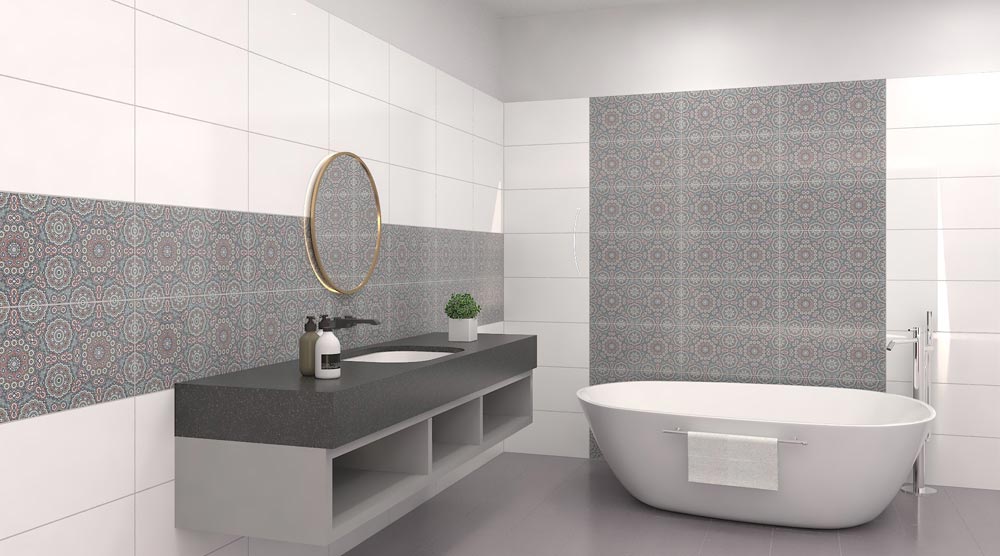
Feature walls use different tile colors or patterns to stand out. They highlight one wall, often behind the sink or bathtub. This draws attention and adds personality. Feature walls work best with bold tiles or unique textures. They turn plain bathrooms into stylish spaces.
Small Bathroom Tips
Small bathrooms need smart tile choices to feel larger and brighter. Using the right wall tiles can change the whole look and make the space seem open. These tips focus on tiles that help reflect light and create an airy feel.
Light Reflective Tiles
Choose tiles that reflect light well. Glossy or polished tiles bounce light around the room. This makes the bathroom look bigger and less cramped. Bright surfaces keep the space fresh and lively.
Large Format Tiles
Use large tiles on walls to reduce visual clutter. Fewer grout lines create a smooth surface. This tricks the eye into seeing a bigger area. Large tiles give a clean and modern look too.
Vertical Stripes
Tiles with vertical stripe patterns add height to your bathroom walls. They draw the eyes upward, making the room feel taller. This design helps small bathrooms seem more spacious.
Glossy Finishes
Glossy tiles add shine and depth to small bathrooms. Their reflective surface spreads light evenly. This adds brightness and a sleek style. Glossy finishes also feel clean and fresh.
Minimal Grout Lines
Choose tiles with thin grout lines or use matching grout color. This reduces breaks on the wall surface. Walls look smooth and continuous. Minimal grout lines help the bathroom feel open and neat.
Credit: www.hrjohnsonindia.com
Maintenance And Durability
Choosing the right bathroom wall tiles is essential for both style and function. Maintenance and durability play a big role in keeping tiles looking fresh and lasting long. Proper care extends tile life and preserves their beauty.
Understanding tile materials and maintenance needs helps avoid costly repairs. Follow simple steps to protect your bathroom walls from water damage and stains. Durable tiles reduce the need for frequent replacements.
Water Resistance
Bathroom wall tiles must resist water to prevent damage. Ceramic and porcelain tiles offer strong water resistance. They keep moisture from seeping into walls, which stops mold growth. Choosing water-resistant tiles protects your bathroom structure.
Cleaning Tips
Regular cleaning keeps bathroom tiles bright and fresh. Use mild soap and warm water for daily cleaning. Avoid harsh chemicals that can damage tile surfaces. Soft cloths or sponges work best to prevent scratches.
Sealing Natural Stone
Natural stone tiles need sealing to protect them from water and stains. Apply a quality sealant after installation and reapply every year. Sealing blocks moisture and keeps the stone looking new. It also makes cleaning easier.
Avoiding Mold And Mildew
Keep bathroom walls dry to prevent mold and mildew. Use a fan or open windows for ventilation after showers. Clean grout lines often to remove mold spores. Quick drying stops mold from spreading on tiles.
Long-lasting Grout Options
Choose grout that resists water and stains for bathroom tiles. Epoxy grout is durable and easy to clean. It prevents cracks and mold growth better than cement grout. Proper grout extends the life of tiled walls.
Eco-friendly Options
Eco-friendly bathroom design wall tiles help protect the planet. They reduce waste and lower harmful emissions. Choosing green options makes your bathroom safer and healthier. These tiles combine style with care for nature.
Recycled Tiles
Recycled tiles use materials from old tiles or glass. They save natural resources and reduce landfill waste. These tiles come in many colors and shapes. They add unique texture and character to your walls.
Sustainable Materials
Tiles made from sustainable materials come from renewable sources. Bamboo and cork tiles grow quickly and absorb less energy. Natural stone and clay tiles mined responsibly also count. These materials reduce environmental harm during production.
Low-voc Adhesives
Low-VOC adhesives release fewer harmful chemicals into the air. They improve indoor air quality and protect your health. These adhesives work well with eco-friendly tiles. They create a strong, lasting bond without toxic fumes.
Energy Efficient Production
Energy efficient tile production uses less power and water. Factories use renewable energy sources like solar or wind. This cuts carbon emissions and pollution. Choosing these tiles supports cleaner manufacturing processes.
Local Sourcing
Local sourcing reduces transport distance and fuel use. It lowers your tile’s carbon footprint. Buying from nearby suppliers supports the local economy. Local tiles often match the regional style and climate better.
Budget-friendly Choices
Choosing wall tiles for your bathroom does not have to break your budget. Many options offer style and durability without high costs. Smart choices can create a beautiful space that feels fresh and clean. Focus on affordable materials and clever techniques to save money.
Affordable Tile Types
Ceramic tiles are a popular budget-friendly choice. They come in many colors and patterns. Porcelain tiles cost a bit more but last longer. Vinyl tiles mimic the look of stone or wood. These options keep costs low while offering good quality.
Diy Installation
Installing tiles yourself saves on labor expenses. Basic tools and online guides make this easier. Start with small areas to build confidence. Careful planning and patience help avoid costly mistakes. DIY projects bring pride and extra savings.
Mixing High And Low Cost
Combine expensive feature tiles with cheaper plain ones. This balance creates a stylish look without overspending. Use costly tiles as accents or borders. Fill the rest with simpler, low-cost tiles. The mix gives a custom feel at less cost.
Discounted Tiles
Check local stores for clearance or returned tiles. These often sell at steep discounts. Online marketplaces also offer deals on quality tiles. Buying surplus or discontinued styles can save big money. Always inspect tiles for damage before purchase.
Creative Upcycling
Reuse old tiles from renovations or thrift shops. Broken tiles can become mosaics or decorative pieces. Paint plain tiles to add color and patterns. Upcycling reduces waste and adds unique charm. This method suits those who enjoy crafting.
Inspiration From Austin, Texas
Austin, Texas inspires unique bathroom wall tile designs. The city blends modern style with natural charm. Its vibrant culture shapes trends that balance creativity and comfort.
Designers in Austin favor tiles that reflect the local vibe. Earthy tones, bold patterns, and handmade textures appear frequently. These choices create warm and inviting bathroom spaces.
Local Trends
Austin favors eco-friendly and artisanal wall tiles. Recycled materials and handcrafted tiles gain popularity. Geometric shapes and vintage patterns often appear in designs. Mixing textures adds depth and interest to walls.
Popular Tile Shops
Austin hosts many tile shops with diverse selections. Local stores offer unique and custom tile options. Buyers find ceramic, porcelain, and natural stone tiles. Shops often feature Texas-made tiles and local artists.
Custom Designs
Custom tile work thrives in Austin’s bathroom designs. Many homeowners seek personalized patterns and murals. Local artists create bespoke pieces that reflect Texas culture. Custom tiles enhance the room’s character and style.
Regional Color Preferences
Warm tones dominate Austin’s tile color palette. Terracotta, beige, and muted greens reflect the natural landscape. Bright blues and yellows add lively accents. These colors create a soothing yet vibrant bathroom feel.
Climate Considerations
Austin’s warm climate affects tile choices. Porcelain and ceramic tiles resist heat and moisture well. Light-colored tiles help keep bathrooms cool. Durable materials withstand humidity and daily wear effectively.

Credit: www.youtube.com
Credit: www.blockrenovation.com
Frequently Asked Questions
What Are The Best Tiles For Bathroom Walls?
Ceramic and porcelain tiles are ideal for bathroom walls. They resist moisture, are durable, and easy to clean. Choose glossy finishes to enhance light reflection and brighten the space.
How To Choose Wall Tile Colors For Bathrooms?
Select light colors to make small bathrooms appear larger and brighter. Neutral tones offer timeless elegance, while bold colors add character. Consider your bathroom’s overall style and lighting.
Can Bathroom Wall Tiles Prevent Mold Growth?
Yes, high-quality tiles with proper grout and sealing reduce mold risk. Tiles resist water penetration, minimizing moisture buildup. Regular cleaning and ventilation are essential for mold prevention.
What Tile Patterns Work Best For Bathroom Walls?
Classic subway, herringbone, and mosaic patterns are popular for bathroom walls. These designs add texture and visual interest. Choose patterns that complement your bathroom’s size and style.
Conclusion
Choosing the right bathroom wall tiles can truly transform your space. Simple patterns add charm, while bold designs create a statement. Tiles also protect walls from moisture and damage. Picking durable and easy-to-clean tiles saves time and effort. Consider colors and textures that match your style and lighting.
Small tiles can make a bathroom feel larger and more inviting. With the right tiles, your bathroom becomes a cozy and stylish retreat. Take your time, explore options, and enjoy the process of designing your perfect bathroom walls.