Are you tired of feeling cramped in your small living space? Imagine transforming every corner into a neat, stylish, and functional area without the chaos.
That’s exactly what a Small Space Organizing Magazine offers you—a treasure trove of clever ideas, smart storage hacks, and inspiring room-by-room guides tailored just for your cozy home. Whether you want to declutter your kitchen, create extra storage in your bedroom, or simply make your space feel bigger, this magazine speaks directly to your needs.
Ready to unlock the secrets to a clutter-free, comfortable home that works perfectly for you? Keep reading, and discover how to turn your small space into a big success.
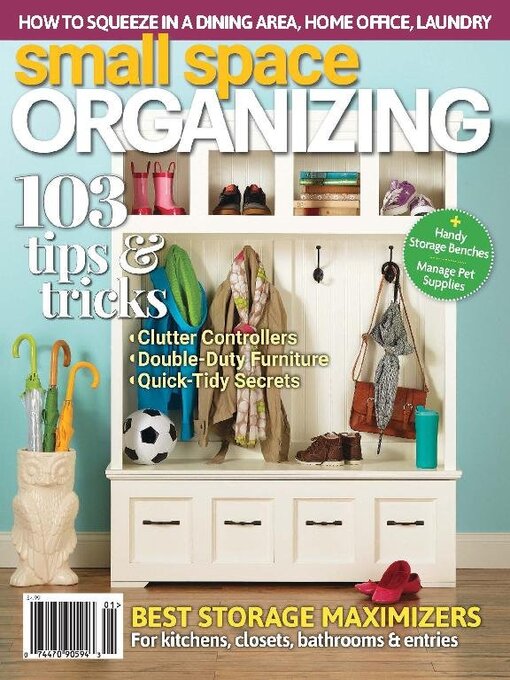
Credit: wplc.overdrive.com
Declutter Smartly
Decluttering is key for small space organizing. It frees up room and reduces stress. Smart decluttering helps you keep only what matters. It makes your home feel larger and more open. The goal is to sort through items carefully. This process creates a clean, organized living space.
Follow simple steps to make decluttering easier. Focus on what you use daily. Remove items that no longer serve you. Organize what remains in a way that suits your lifestyle. This approach saves time and keeps clutter from returning.
Sort Items By Use
Start by grouping items based on how often you use them. Place daily items in easy-to-reach spots. Store seasonal or rare items in less accessible areas. This method helps prioritize space for essentials. It also highlights items you can let go.
Donate And Discard
Separate things that you no longer need. Donate items in good condition to charities. Toss broken or unusable objects responsibly. This step clears clutter and helps others. It also prevents your space from filling up again.
Create Keep, Toss, Donate Zones
Set up three zones for your belongings. The Keep zone holds what you will use daily. The Toss zone is for trash and broken items. The Donate zone stores things to give away. This system makes sorting faster and clearer. It also stops confusion during decluttering.
Maximize Vertical Space
Maximizing vertical space is a smart way to organize small areas. It helps keep floors clear and rooms feeling bigger. Using walls and doors for storage frees up valuable room. This approach works in kitchens, bedrooms, and even bathrooms. Vertical storage makes everything easy to reach and neatly arranged.
Use Wall Shelves
Wall shelves create extra storage without taking floor space. Place shelves above desks or beds for books and decor. Open shelves keep items visible and within reach. Choose sturdy shelves that match your room’s style. Use baskets or boxes on shelves to keep things tidy.
Install Hooks And Pegboards
Hooks and pegboards hold tools, bags, and accessories. Mount pegboards in kitchens or craft rooms for easy access. Hooks work well for coats, hats, or kitchen utensils. Rearrange hooks on pegboards to fit your changing needs. This system keeps items off counters and floors.
Hang Over-the-door Organizers
Over-the-door organizers add storage on the back of doors. Use them for shoes, cleaning supplies, or toiletries. These organizers use space that is often ignored. They are simple to install and remove. Over-the-door racks help keep clutter out of sight and organized.
Choose Multi-functional Furniture
Choosing multi-functional furniture is key for small space organizing. It helps save room and keeps your home tidy. Furniture pieces that serve more than one purpose reduce clutter and make your space feel larger. They offer smart storage and practical use without crowding your rooms.
Storage Ottomans
Storage ottomans combine seating with hidden storage. Use them to store blankets, toys, or magazines. They provide a cozy spot to sit and keep items out of sight. This furniture is perfect for living rooms or bedrooms with limited space. Choose ottomans with lids that lift easily for quick access.
Foldable Tables And Chairs
Foldable tables and chairs save space by collapsing flat. They are easy to store in closets or under beds. These pieces work well for dining or work areas in small homes. You can set them up when needed and tuck them away after use. Their lightweight design makes moving them simple and fast.
Beds With Built-in Drawers
Beds with built-in drawers offer extra storage without extra furniture. Use the drawers to store clothes, bedding, or shoes. This design frees up closet and floor space. It keeps your room organized and clutter-free. Look for sturdy beds with smooth drawer mechanisms for daily use.
Organize Room By Room
Organizing a small space is easier when tackled one room at a time. This method helps focus on specific needs and challenges. It also avoids feeling overwhelmed by the whole house at once.
Each room has unique storage options and common clutter areas. Understanding these can save space and create a tidy, functional home. Start with clear goals for each room to guide your organizing efforts.
Kitchen Storage Hacks
Maximize kitchen space by using vertical storage. Install shelves or hooks on empty walls. Store pots and pans on hanging racks to free cabinet space.
Use clear containers for dry goods to see contents easily. Organize utensils in divided trays to keep drawers neat. Add pull-out baskets inside cabinets for better access.
Bathroom Space Savers
Use over-the-toilet shelves to add storage without taking floor space. Choose slim storage carts for small gaps. Hang baskets or caddies on shower walls for toiletries.
Install hooks on the back of doors for towels and robes. Keep only daily essentials on the counter. Store extra supplies in labeled bins under the sink.
Living Room Declutter Tips
Choose furniture with built-in storage, like ottomans or coffee tables. Use baskets and bins to group small items. Clear surfaces regularly to keep the space open.
Arrange books and magazines on shelves or racks. Limit decorative items to avoid clutter. Use wall-mounted shelves to free up floor space.
Bedroom Organization Ideas
Use under-bed storage boxes for off-season clothes or shoes. Add hooks or racks behind doors for bags and accessories. Keep nightstands clear with small trays for essentials.
Sort clothes by type and color to find items quickly. Use drawer dividers to separate socks, underwear, and accessories. Store extra bedding in vacuum-sealed bags to save space.
Use Clear And Labelled Containers
Clear and labelled containers simplify organization in small spaces. They help you see contents quickly. Labels guide you to find items without opening every box. This method reduces clutter and saves time. Using clear containers keeps your space tidy and efficient.
Stackable Bins
Stackable bins use vertical space effectively. Clear bins show what’s inside at a glance. They fit neatly in closets or shelves. Label each bin for easy identification. Stack bins by category to keep things organized. This setup maximizes storage without crowding your space.
Drawer Dividers
Drawer dividers create separate sections inside drawers. They keep small items from mixing together. Clear dividers let you spot contents easily. Label each section to know what belongs where. Dividers help maintain order in tight spaces. They make drawers more functional and neat.
Magazine Racks For Paper Storage
Magazine racks hold papers and magazines upright. Clear racks let you see covers and titles. Label each rack for different paper types or projects. They keep papers from piling up and becoming messy. Using magazine racks saves desk and shelf space. Papers stay tidy and easy to access.
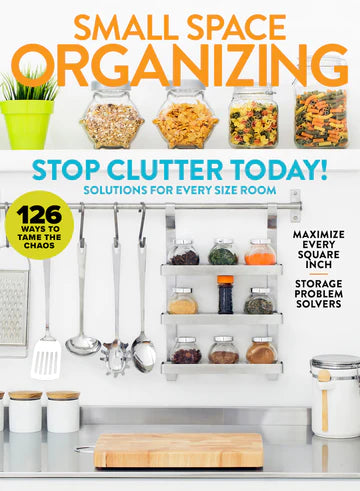
Credit: www.magazinecafestore.com
Create Zones For Different Activities
Creating zones for different activities helps maximize small spaces. It makes rooms feel larger and more organized. Each area serves a clear purpose. This reduces clutter and improves daily routines. Small Space Organizing Magazine offers ideas to define these zones clearly.
Work And Study Areas
Set up a dedicated spot for work or study. Use a compact desk or wall-mounted shelf. Keep supplies in labeled containers to stay tidy. Good lighting is essential for focus and comfort. Choose a quiet corner to reduce distractions. This zone helps maintain productivity in limited space.
Relaxation Corners
Create a cozy corner to unwind and relax. Add a comfortable chair or floor cushions. Soft lighting and a small side table enhance comfort. Include a few books or favorite items nearby. This zone provides a peaceful retreat within a small home. It helps separate work from rest areas effectively.
Kids’ Play And Storage
Designate a space for children to play safely. Use bins and shelves for toy storage. Label containers with pictures or words for easy cleanup. Choose soft rugs or mats for comfort. Keep this zone organized to avoid mess spreading. It encourages kids to enjoy their area and keep it neat.
Maintain Clutter-free Habits
Maintaining clutter-free habits is essential for anyone living in a small space. These habits help keep your home tidy and make the best use of limited room. Consistency is key. Small daily actions prevent mess from building up. Simple routines create a calm and organized environment. This section shares easy steps to keep clutter away and stay organized.
Daily Tidy Routine
Spend five to ten minutes each day tidying up. Put items back where they belong immediately after use. Clear surfaces like tables and counters every evening. This habit stops clutter from piling up. It also saves time during bigger cleaning sessions. Daily tidying keeps your space neat and welcoming.
Weekly Declutter Sessions
Set aside time once a week to declutter specific areas. Focus on one small zone, like a drawer or shelf. Remove items you no longer need or use. Donate or recycle things that are still in good condition. Weekly sessions prevent clutter from growing out of control. They also make your space feel lighter and more open.
Limit New Items
Be mindful about bringing new things into your home. Avoid buying items you do not really need. Choose quality over quantity to reduce clutter. Before making a purchase, think about where it will fit. Limiting new items helps keep your small space organized. It also saves money and reduces waste.
Incorporate Stylish Storage Solutions
In small spaces, smart storage blends function with style. Stylish storage solutions save room and keep things neat. They add charm without clutter. Choose pieces that complement your decor and organize your items effectively. This approach turns small spaces into attractive, practical areas.
Decorative Baskets
Decorative baskets offer a natural, cozy look. Use them to store blankets, toys, or magazines. They fit well on shelves or under tables. Baskets keep items hidden but easy to access. Choose colors and materials that match your room’s style. They add texture and warmth.
Chic Magazine Holders
Chic magazine holders keep reading materials tidy and visible. Pick slim, stylish holders for tight spaces. They prevent piles of magazines from stacking up. Place them on desks, shelves, or side tables. Holders come in metal, wood, and acrylic finishes. These add a modern, clean touch.
Compact Drawer Organizers
Compact drawer organizers divide small drawers into neat sections. They help sort utensils, office supplies, or makeup. Use them to reduce clutter and find items fast. Many styles fit different drawer sizes. Organizers make drawers more functional and easier to use.

Credit: oceanofpdf.com
Frequently Asked Questions
What Is The 12 12 12 Rule For Decluttering?
The 12 12 12 rule for decluttering means finding 12 items to throw away, donate, and keep. This method simplifies organizing quickly.
What Is The 50% Rule For Clutter?
The 50% rule for clutter means keeping only half of your belongings to reduce mess and simplify space. It helps maintain order and prevents overcrowding.
What Is The 1/3/5 Decluttering Rule?
The 1/3/5 decluttering rule suggests keeping 1 item, 3 items, or 5 items of each category. It simplifies decisions and reduces clutter effectively.
What Are The 4 C’s Of Decluttering?
The 4 C’s of decluttering are Categorize, Commit, Clear, and Continue. These steps help organize and maintain a clutter-free space effectively.
Conclusion
Small Space Organizing Magazine offers practical tips for tiny homes. It helps you use every inch wisely. Clear guides make organizing easy and stress-free. Simple ideas turn cluttered rooms into neat spaces. This resource suits anyone wanting a tidy home.
Start small, stay consistent, and enjoy the results. Organizing boosts comfort and saves time daily. Explore the magazine to find fresh, useful advice. Your small space can feel larger and welcoming. Keep your home organized and feel more relaxed.