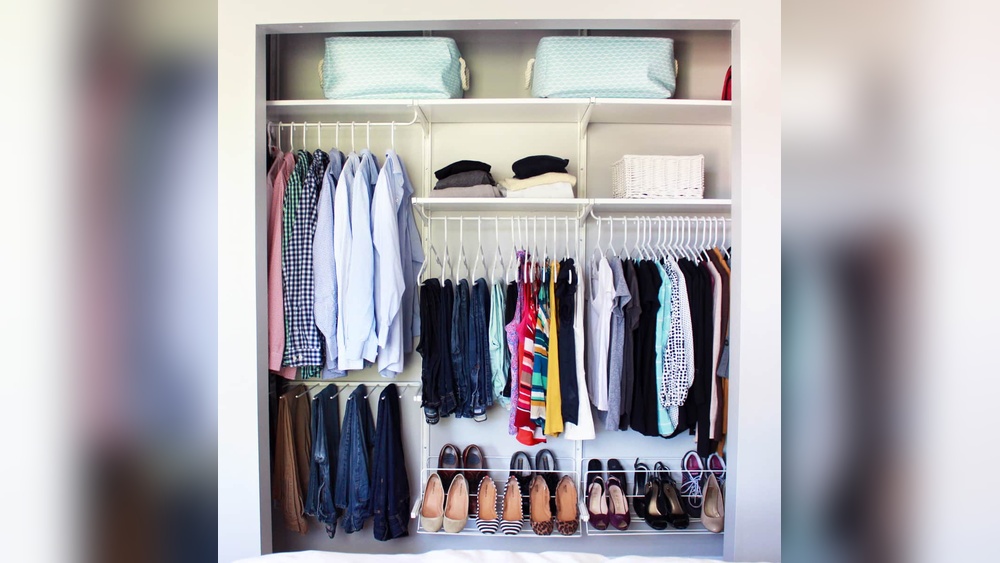

Are you struggling to fit all your clothes into a small space? You’re not alone.
When your closet or room feels cramped, finding what to wear can become frustrating and stressful. But what if organizing your clothes could be simple, quick, and even enjoyable? By learning smart ways to maximize every inch of your small space, you can turn chaos into calm and make your wardrobe work for you.
Keep reading, and you’ll discover easy, practical tips to organize your clothes efficiently—no matter how limited your space is. Your mornings will become smoother, your clothes easier to find, and your space will feel fresh and inviting. Let’s get started!
Credit: www.thehappyhousie.com
Declutter Clothes
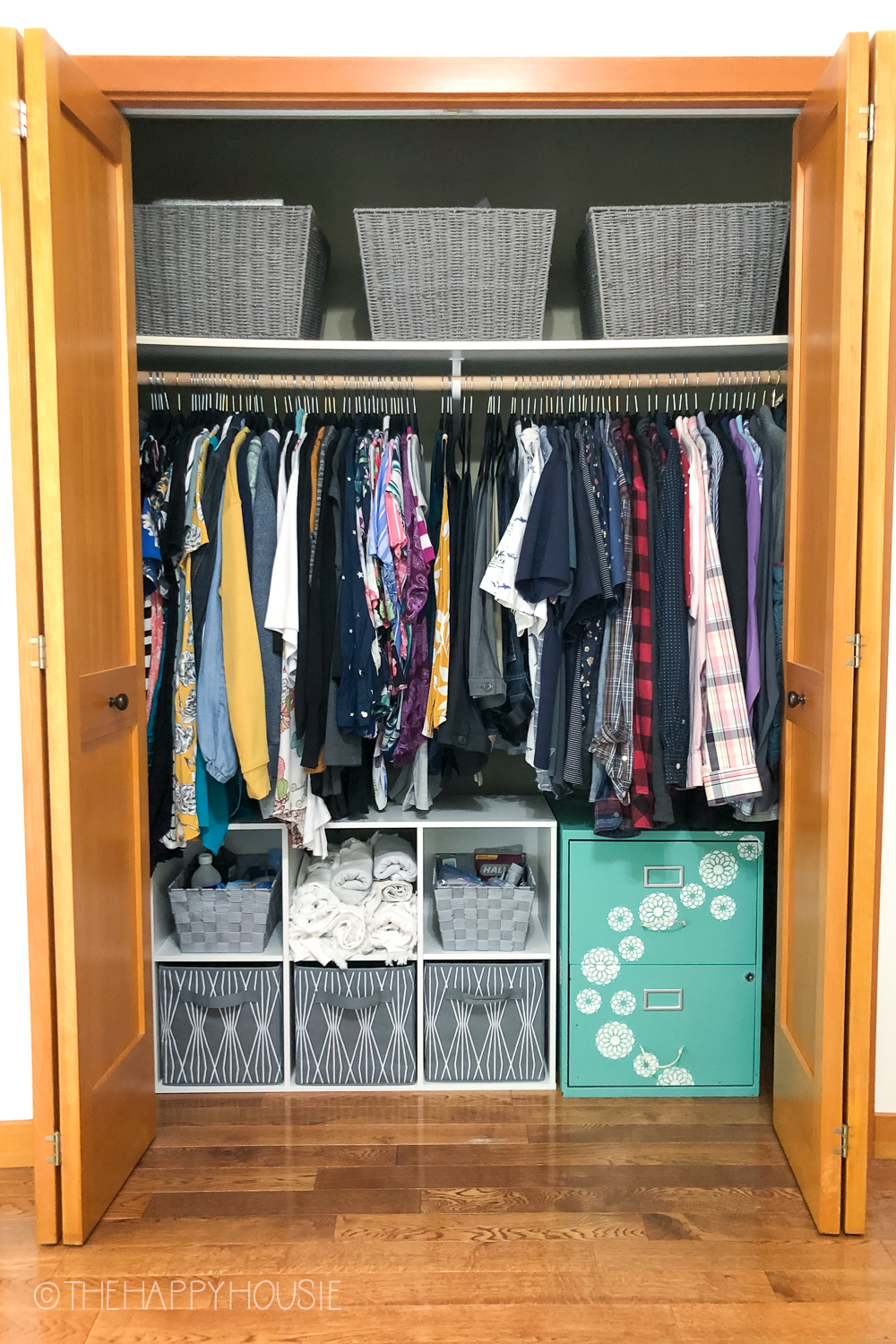
Decluttering clothes is the first step to organize a small space. It frees up room and makes it easier to find what you need. Removing items you do not wear helps create order. Grouping similar pieces saves time and space. Separating seasonal clothes keeps your wardrobe manageable year-round.
Remove Unworn Items
Start by pulling out clothes you have not worn in months. Check for fits that no longer suit you or styles you do not like. Donate or sell these items to clear space. Keep only pieces that you wear regularly and feel good in.
Group Similar Pieces
Sort your clothes by type. Hang shirts with shirts, pants with pants, and so on. This method makes choosing outfits faster. Use bins or drawers for smaller items like socks and underwear. Grouping keeps your closet neat and easy to navigate.
Separate Seasonal Wear
Divide clothes by season to save space. Store off-season items in bins or under the bed. This keeps your closet less crowded and more functional. Rotate your clothes as seasons change to keep only what you need at hand.
Boost Hanging Space
Maximizing hanging space is key in a small closet. It helps keep clothes neat and easy to find. Small spaces need smart solutions to hold more clothes without clutter.
Use these simple tips to boost your hanging space. They save room and make your closet feel bigger.
Add Double Rods
Install a second rod below your existing one. This doubles the hanging area for shirts, pants, and skirts. It works well for short items that don’t need full rod length.
Double rods keep clothes organized by type. You can separate tops from bottoms for quick access.
Use Slim Hangers
Choose slim, velvet hangers to save space. They take less room than bulky plastic or wooden hangers. Slim hangers also prevent clothes from slipping off.
Using uniform hangers creates a tidy, streamlined look. It helps you fit more clothes on the rod.
Hang Vertically
Hang clothes vertically using cascading hooks or tiered hangers. This stacks multiple items in one spot. You can hang several shirts or pants in a vertical line.
Vertical hanging makes use of the height in your closet. It frees up horizontal space for other items.
Utilize Door Space
Use the inside of your closet door for extra hanging. Install hooks or an over-the-door rack. It’s perfect for belts, scarves, or bags.
Door space often goes unused but can hold many small items. This keeps your main rod less crowded.
Multi-item Hangers
Try hangers designed to hold multiple pieces. For example, tiered or pants hangers with clips. These hangers keep sets or similar items together.
Multi-item hangers reduce clutter and make outfit planning easier. They optimize every inch of your closet rod.
Improve Shelves And Drawers
Improving shelves and drawers helps maximize every inch of small spaces. Well-organized shelves and drawers make clothes easy to find and keep tidy. Simple adjustments can create more space and reduce clutter. These tips help keep your wardrobe neat and accessible.
Fold Clothes Vertically
Folding clothes vertically saves drawer space. Lay shirts, pants, or sweaters flat, then fold them into small rectangles. Store them upright in drawers. This way, you see each item at a glance. No more digging through piles of clothes.
Install Shelf Dividers
Shelf dividers separate stacks of clothes or accessories. They keep piles from toppling over. Dividers create neat sections for different items. Install them on shelves to keep everything in place. This method prevents messy, mixed-up piles.
Use Bins And Baskets
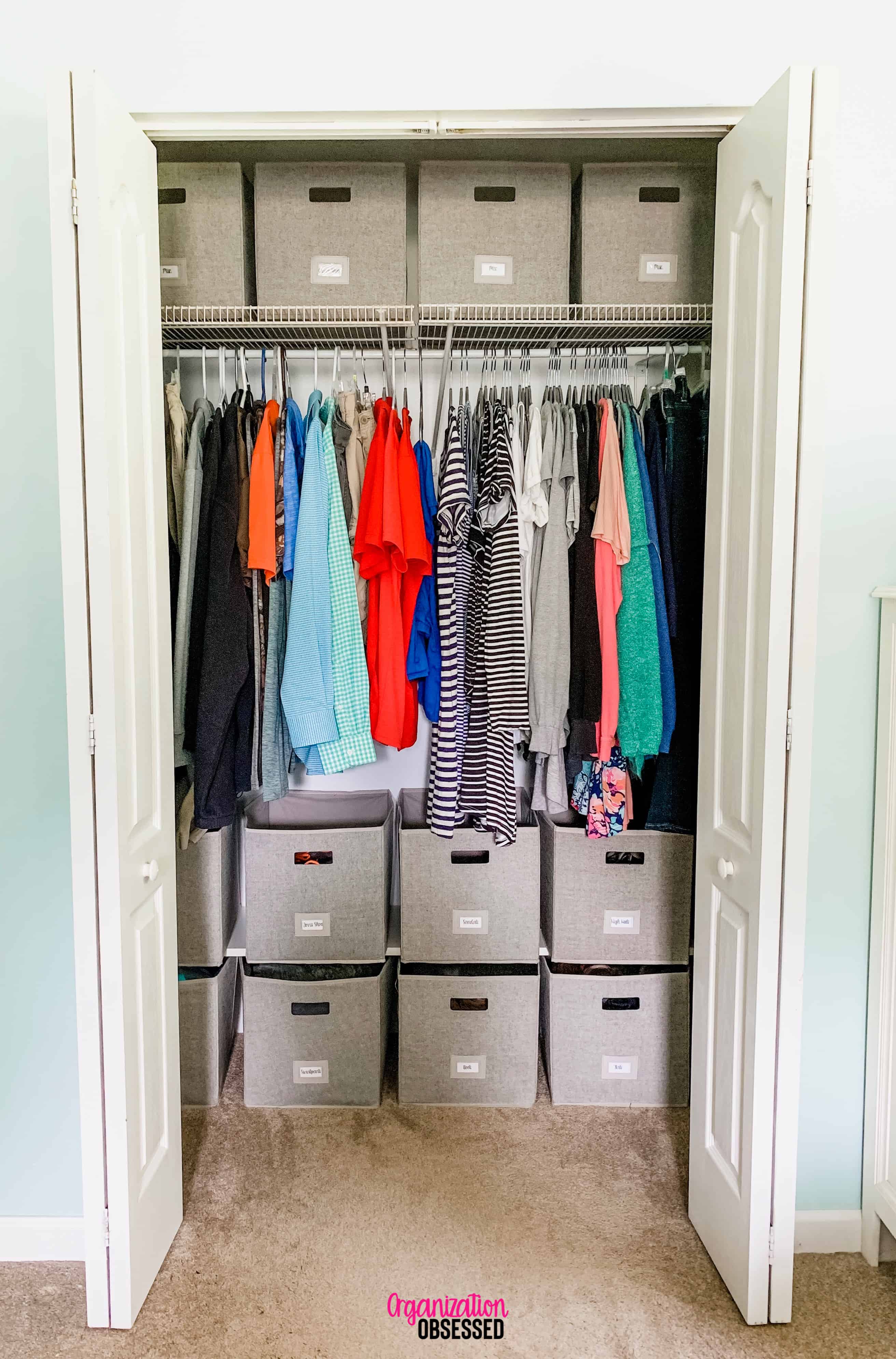
Bins and baskets organize smaller clothes and accessories. Use them to group socks, scarves, or belts. Choose sizes that fit your shelves or drawers well. Bins keep items contained and easy to move. They also make your space look cleaner.
Label Storage Containers
Labels help identify contents quickly. Write or print clear labels for each bin or basket. Place labels where you can see them easily. This saves time when searching for specific clothes. Labels maintain order and prevent mixing items.
Credit: www.youtube.com
Utilize Hidden Areas
Finding extra storage in small spaces can be tough. Hidden areas offer great spots to organize clothes without clutter. These often-overlooked spaces help keep your room tidy and maximize every inch.
Under-bed Storage
The space under your bed is perfect for storing clothes you don’t wear every day. Use flat bins or rolling drawers to slide in and out easily. Clear containers make it simple to see what’s inside without opening them. Store seasonal clothes or extra bedding here to free up closet space.
Back Of Door Organizers
The back of your closet or room door can hold special organizers. These hangers or pockets can store shoes, scarves, or small clothing items. They keep things off the floor and within easy reach. Choose fabric or plastic organizers that fit your door size.
Behind Furniture Space
Spaces behind sofas, dressers, or chairs often go unused. Slim storage bins or boxes can fit here for extra clothes or accessories. This spot is great for items you want to keep out of sight. Make sure to measure the gap to find the right containers.
Smart Storage Tools
Smart storage tools make organizing clothes in small spaces simple and effective. They help use every inch of available space. Choosing the right tools keeps clothes neat and easy to find. This section covers three useful storage options to enhance your closet or room.
Hanging Shelves
Hanging shelves create extra storage without taking floor space. They hang from a closet rod and offer compartments for folded clothes. Use them for sweaters, jeans, or accessories. These shelves keep items visible and reduce clutter. They are lightweight and easy to move or adjust.
Over-the-door Organizers
Over-the-door organizers use the back of closet or room doors. They have pockets or hooks for shoes, scarves, or small items. This tool frees up shelf and drawer space. Installation requires no drilling or damage to walls. Perfect for renters or anyone wanting quick setup.
Drawer Dividers
Drawer dividers separate items inside drawers for better organization. They keep socks, underwear, and accessories in order. Dividers prevent clothes from mixing and wrinkling. Adjustable dividers fit different drawer sizes. They make packing or daily dressing easier and faster.
Credit: www.organizationobsessed.com
Maintain Organized Wardrobe
Maintaining an organized wardrobe is key in small spaces. It saves time and stress when choosing clothes. A neat wardrobe also helps keep clothes in good shape longer. Simple habits make a big difference in keeping your clothes tidy and easy to find.
Regular Decluttering
Declutter your clothes often to keep only what you wear. Remove items that are old, damaged, or no longer fit. This frees up space and makes your wardrobe less crowded. Regular decluttering stops piles from building up. It also helps you see what you truly need.
Seasonal Rotation
Rotate clothes by season to save space. Store off-season clothes in bins or under the bed. Keep only current season clothes in your main wardrobe. This method keeps your closet less packed and easier to organize. Seasonal rotation also protects clothes not in use from dust and damage.
Consistent Folding And Hanging
Fold and hang clothes the same way every time. Use slim hangers to fit more on the rod. Fold shirts and pants neatly to avoid wrinkles. Consistency creates a clean, uniform look and saves space. It also makes it easier to find clothes fast.
Frequently Asked Questions
How To Organize Lots Of Clothes In A Small Space?
Declutter clothes by removing unused items. Use slim hangers and add a second rod for more hanging space. Fold clothes vertically in drawers with dividers. Utilize vertical space with hanging shelves and over-the-door organizers. Store off-season clothes in bins to free up room.
What Is The Rule Of 3 In Declutter Closet?
The rule of 3 in decluttering a closet means keeping only three similar items you truly need or love. It simplifies choices and reduces clutter effectively.
Is It Better To Roll Or Fold Clothes In Drawers?
Rolling clothes saves space and reduces wrinkles, ideal for casual wear. Folding keeps items neat and fits structured garments better. Choose rolling for compact storage and folding for organized, wrinkle-free drawers.
What Is The Rule Of Thumb For Decluttering Clothes?
The rule of thumb for decluttering clothes is to keep only items you wear, fit well, and feel good in. Donate or discard damaged or unused pieces. Organize by category and season to maintain a manageable wardrobe.
Conclusion
Organizing clothes in a small space takes smart planning and simple steps. Start by removing clothes you don’t need. Use vertical space with shelves and hanging organizers. Choose slim hangers to fit more clothes on the rod. Fold items neatly in drawers for easy access.
Keep off-season clothes stored away to free up room. Small changes create a tidy, functional closet. A neat space helps you find clothes faster and feel calm. Try these tips to make your small closet work better every day.


