Struggling to keep your small space tidy and functional? You’re not alone, and the good news is—there are smart, simple hacks that can transform even the tiniest areas into organized havens.
Whether it’s your closet, kitchen, or a cozy corner, the right strategies can make your space feel bigger and more inviting. You’ll discover the best books about small space organizing hacks that give you practical tips and creative ideas to maximize every inch of your home.
Ready to reclaim your space and enjoy a clutter-free life? Keep reading—your perfect organizing solution is just a page away.

Credit: smallstuffcounts.com
Small Area Focus
Organizing a small space feels easier with a clear focus. Tackling one area at a time reduces stress and avoids overwhelm.
Small wins build momentum. You see quick results that encourage you to keep going. This method works well in tight spaces.
Choose Manageable Spots
Pick a small, manageable spot to start. This could be a drawer, shelf, or countertop. A small corner works too.
Focus on one spot to keep the task simple. Avoid trying to fix the entire room at once.
Sort Items By Condition
Separate items into groups based on their condition. Broken, expired, or useless items should go first.
Next, find things in good condition but no longer needed. Consider donating or selling these items.
Return Misplaced Objects
Look for items that belong elsewhere. Return them to their proper place quickly.
This step helps clear clutter and keeps areas tidy. It also prevents buildup of misplaced things.
Repeat The Process
After finishing one area, put away the sorted items. Then pick another small spot to organize.
Repeat these steps often. Regular attention keeps your space neat and organized.

Credit: lonefox.com
Decluttering Tips
Decluttering is the first step to organizing small spaces effectively. Clearing out unused or unnecessary items creates more room and reduces stress. Simple, focused actions help keep clutter under control and make your space feel larger and more inviting.
Set A Timer
Choose a short, fixed time to work on decluttering. Fifteen or twenty minutes works well. This prevents burnout and keeps the task manageable. You can focus fully, knowing there is an end time. Small bursts of effort add up quickly.
Avoid Overwhelm
Break down decluttering into small areas or categories. Tackle one drawer or shelf at a time. Avoid trying to clean the whole space at once. This approach feels less stressful and leads to steady progress. Celebrate small wins to stay motivated.
Stay Consistent
Make decluttering a regular habit. Set daily or weekly reminders to tidy a small part of your home. Consistency stops clutter from building up. It also keeps your space organized long term. Small, ongoing efforts create lasting change.
Vertical Space Hacks
Vertical space offers untapped potential in small homes. Using walls and doors wisely frees up floor areas.
Simple vertical hacks create more storage without clutter. These ideas make small rooms feel larger and neater.
Install Floating Shelves
Floating shelves save floor space and add style. Mount them on walls to hold books, plants, or decor.
They fit in kitchens, bedrooms, or living rooms. Choose sturdy shelves to hold heavier items safely.
Arrange shelves at different heights to maximize wall space. This keeps items organized and easy to reach.
Use Wall Hooks And Pegboards
Wall hooks keep essentials visible and off surfaces. Hang bags, keys, or kitchen tools for quick access.
Pegboards are versatile and customizable. Add hooks, baskets, or shelves to hold craft supplies or utensils.
This system adapts to changing needs. Rearrange hooks and accessories without damage to walls.
Hang Over-the-door Organizers
Over-the-door organizers use often-forgotten space. Perfect for shoes, cleaning supplies, or toiletries.
They fit on closet, bathroom, or pantry doors. Clear pockets or mesh designs help find items fast.
This simple hack adds storage without drilling or major changes. Great for renters or small apartments.
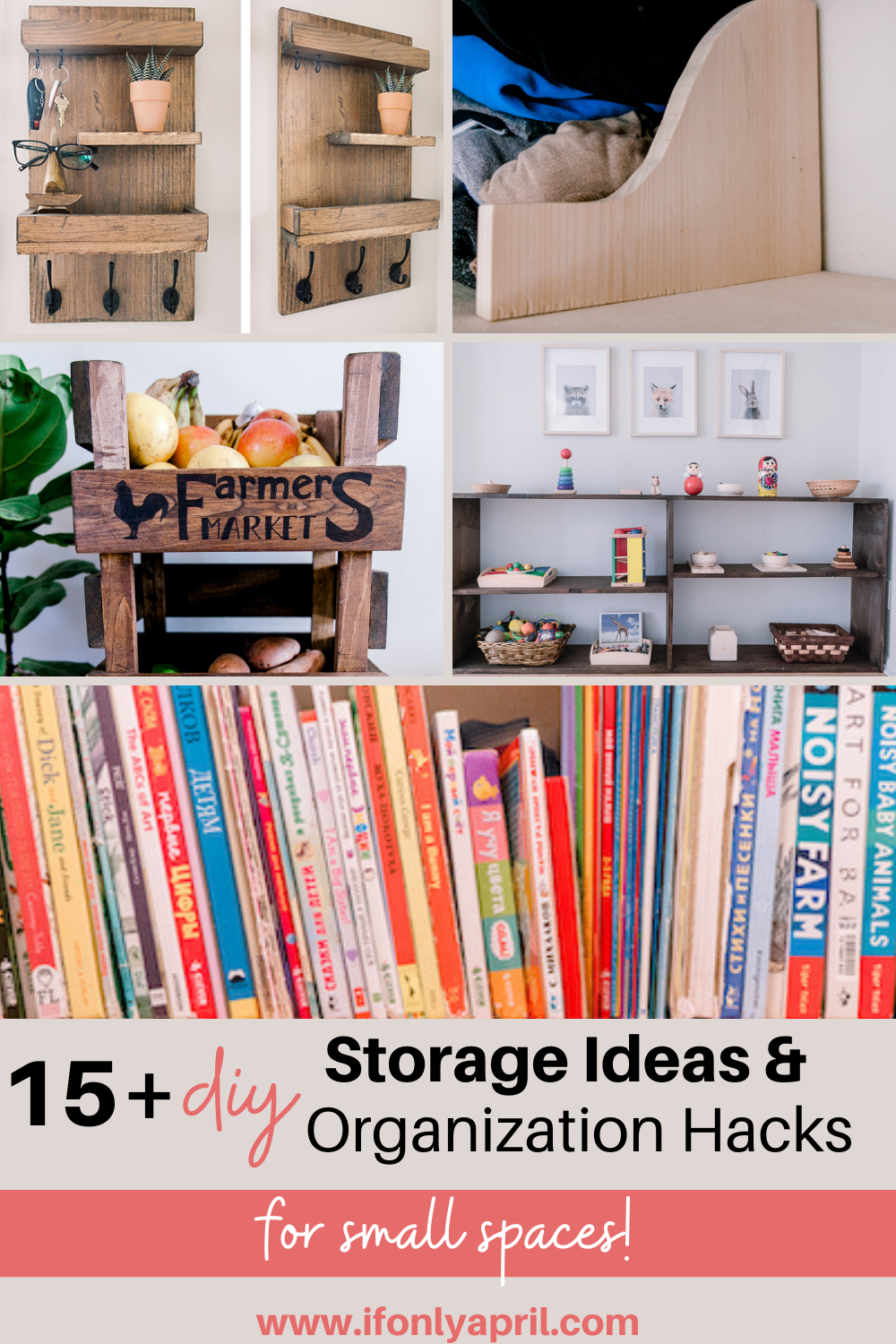
Credit: ifonlyapril.com
Smart Furniture Choices
Choosing the right furniture is key to organizing small spaces effectively. Smart furniture maximizes functionality without crowding your room. It helps you save space and keep things tidy. Selecting pieces that serve more than one purpose brings order and comfort to any small area.
Smart furniture allows you to use every inch wisely. It hides clutter and creates extra storage. Your home feels bigger and more open with these clever choices.
Multi-functional Pieces
Furniture that serves multiple purposes fits perfectly in small spaces. Think of a sofa that turns into a bed or an ottoman with hidden storage inside. These pieces reduce the need for extra furniture. You get both comfort and storage in one item. Multi-functional furniture helps keep your space neat and organized.
Under-bed Storage Solutions
The space under your bed is often wasted. Use this area for storage with bins or drawers designed to fit under beds. You can store clothes, shoes, or extra bedding here. This keeps items out of sight but easy to reach. Under-bed storage frees up closet and drawer space. It’s a simple way to add hidden storage without clutter.
Foldable Furniture Options
Foldable furniture is perfect for small spaces that need flexibility. Chairs, tables, or desks that fold up can be stored away when not in use. This creates more room for daily activities. Foldable pieces let you change your layout quickly. They are easy to move and store, making them ideal for tiny homes or apartments.
Organizing Inside Spaces
Organizing inside spaces in small homes requires smart strategies. Every inch counts. Using efficient methods makes daily life easier and reduces stress. Practical tips help keep rooms tidy and functional. Focus on simple changes that create big results.
Small spaces often have limited storage. Creative solutions help use space better. Organizing inside drawers, shelves, and cabinets improves access to items. Clear systems save time and keep clutter away.
Regular Decluttering
Decluttering is the first step to organized spaces. Removing unused items frees up valuable space. Sort belongings into keep, donate, or toss piles. Repeat this process regularly to prevent buildup. Small, frequent efforts make a big difference.
Use Clear Containers
Clear containers help identify contents quickly. They reduce the need to open every box. Use them for storing small items like office supplies or kitchen tools. Stackable clear bins save space and improve visibility. Label containers for extra clarity.
Double Drawer Organizers
Double drawer organizers maximize drawer space by adding layers. They create separate compartments for different items. Use them for utensils, makeup, or craft supplies. These organizers keep items from mixing and make everything easy to find.
Maintaining Order
Maintaining order in a small space requires simple habits that keep clutter at bay. Consistency is key. Small daily actions can prevent mess from building up. This makes your space feel calm and easy to use. Organized spaces save time and reduce stress.
Group Similar Items
Keep things that serve the same purpose together. Group books, kitchen tools, or craft supplies in one place. This helps you find items quickly. It also stops clutter from spreading across your space. When items are grouped, putting them away becomes faster and easier.
Label Storage Bins
Use clear labels on boxes and bins. Labels tell you what is inside without opening them. This saves time and keeps your space neat. Choose simple words that everyone in the home can understand. Labeling also helps guests or family members find things easily.
Return Items Promptly
Put things back where they belong after use. This small habit keeps your space tidy every day. Avoid leaving items out, which causes clutter to grow. Returning items quickly makes cleaning easier and saves time later. It also helps keep your system of organization working well.
Frequently Asked Questions
What Is The 12 12 12 Rule For Decluttering?
The 12 12 12 rule for decluttering means finding 12 items to throw away, 12 to donate, and 12 to keep. This method simplifies organizing by breaking tasks into small, manageable steps. It helps clear clutter quickly and encourages mindful decision-making about belongings.
What Is The 10 10 10 Rule For Decluttering?
The 10 10 10 rule for decluttering means sorting items into three piles: trash, donate, and keep. Spend 10 minutes on each. This method simplifies decision-making and speeds up the decluttering process. Repeat regularly to maintain an organized space.
How To Stay Organized In A Small Space?
Maximize vertical space with shelves and hooks. Use multi-functional furniture with built-in storage. Declutter regularly and store items in clear containers for visibility. Utilize over-the-door organizers and drawer dividers. Group similar items and label containers to maintain order efficiently in small spaces.
What Is The 5 Year Rule For Decluttering?
The 5 year rule for decluttering means keeping items used or needed within five years. Items unused for five years should be donated or discarded. This helps reduce clutter and keeps only useful belongings. It simplifies organizing and frees up space in your home.
Conclusion
Books about small space organizing hacks offer practical tips anyone can use. They show how to use vertical space and smart furniture well. Simple ideas like shelves, hooks, and clear containers make a big difference. These books help you keep things tidy and easy to find.
Start small, focus on one area, and build good habits. With steady effort, your small space can feel larger and more comfortable. Organizing becomes less stressful and more manageable over time. These books provide useful guidance for a clutter-free, cozy home.