

Bringing a baby into your life is a joyful adventure, but it often means juggling a lot—especially when space is tight. If you’re feeling overwhelmed by all the baby gear and wondering how to keep everything neat and accessible in a small space, you’re not alone.
The good news? With smart organization tricks tailored just for compact living, you can create a cozy, clutter-free environment that works perfectly for you and your little one. Ready to transform your small space into a well-organized baby haven? Keep reading to discover easy, practical tips that will make your daily routine smoother and your home more peaceful.
Credit: greengrowthcpas.com
Space-saving Furniture
Space-saving furniture helps maximize every inch of a small nursery. It combines style and function to keep the area neat. Smart furniture choices create more room for play and rest. These pieces grow with your baby and adapt to changing needs.
Convertible Cribs And Beds
Convertible cribs change as your baby grows. They switch from a crib to a toddler bed or daybed. This saves space and money by avoiding multiple furniture purchases. Some models include drawers underneath for extra storage. Choose cribs with simple designs to fit any room style.
Multi-functional Storage Units
Storage units with more than one use are ideal for small spaces. A dresser can hold clothes and also serve as a changing table. Toy chests with seating offer a place to sit and store items. Look for units with shelves, bins, or cubbies to organize toys and books. These keep the room tidy and clutter-free.
Wall-mounted Shelves
Wall-mounted shelves use vertical space without taking up floor area. They store diapers, wipes, and baby essentials within easy reach. Open shelves display favorite toys or decorative items. Install floating shelves at different heights for a playful look. These shelves keep the room airy and organized.
Declutter Essentials
Keeping a baby’s items organized in a small space can feel overwhelming. Decluttering essentials helps create a tidy, functional area. It frees up space and makes daily routines easier. Focus on what truly matters and remove what is not needed.
Prioritizing Baby Must-haves
Start by listing essential items for your baby. Diapers, wipes, and clothes come first. Feeding supplies and basic toys follow. Avoid storing duplicates or rarely used items. Keep essentials within easy reach to save time and effort.
Rotating Toys And Clothes
Limit the number of toys and clothes available at once. Store extra items out of sight. Rotate them regularly to keep your baby interested. This reduces clutter and keeps the space fresh and organized.
Seasonal Storage Solutions
Use storage bins or bags for off-season clothes and gear. Label each container clearly. Store them under the crib or in high shelves. This method saves space and keeps items ready for the right season.
Smart Storage Ideas
Smart storage ideas are essential for organizing baby items in small spaces. Using clever storage solutions helps keep the nursery tidy and functional. These ideas maximize limited room without clutter. They make daily routines easier for parents and caregivers. Simple tools like baskets and organizers create more space and order.
Fabric Baskets And Bins
Fabric baskets and bins are lightweight and flexible storage options. They fit easily on shelves, under beds, or in closets. These containers hold toys, clothes, diapers, and more. Soft fabric prevents damage to delicate baby items. Many baskets come in cute designs that add style to the room.
Under-crib Organizers
Under-crib organizers use the empty space below the crib. They provide hidden storage for blankets, extra clothes, and diapers. Slim and long organizers slide in and out easily. This keeps essentials within reach but out of sight. Choosing clear or labeled organizers speeds up finding items quickly.
Hanging Organizers And Caddies
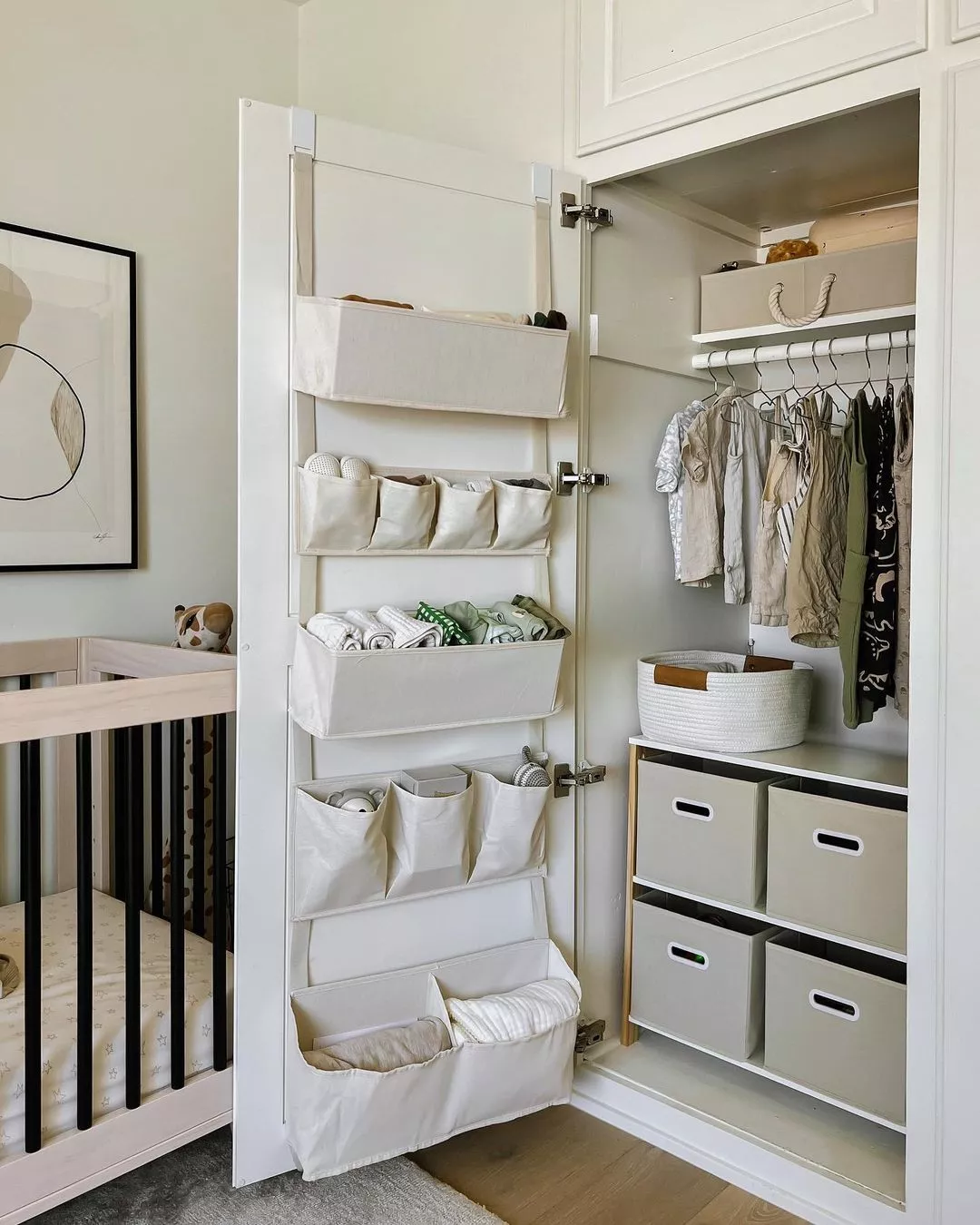
Hanging organizers and caddies save floor and shelf space. They attach to walls, doors, or cribs with hooks or straps. These organizers store bottles, pacifiers, and small toys neatly. Multiple pockets and compartments help sort items by type. Hanging storage keeps things off counters and floors, reducing mess.
Organizing Baby Clothes
Organizing baby clothes in a small space can feel tough. Babies grow fast, and their clothes pile up quickly. Keeping them neat helps you save time and find outfits easily. It also keeps the nursery tidy and stress-free. Simple methods make a big difference in small rooms.
Sorting By Size And Season
Sort baby clothes by size to avoid mixing up tiny and bigger clothes. Keep current sizes within easy reach. Store outgrown sizes separately for later use or donation. Separate clothes by season too. Put summer clothes away during winter months. This reduces clutter and makes daily dressing faster.
Using Drawer Dividers
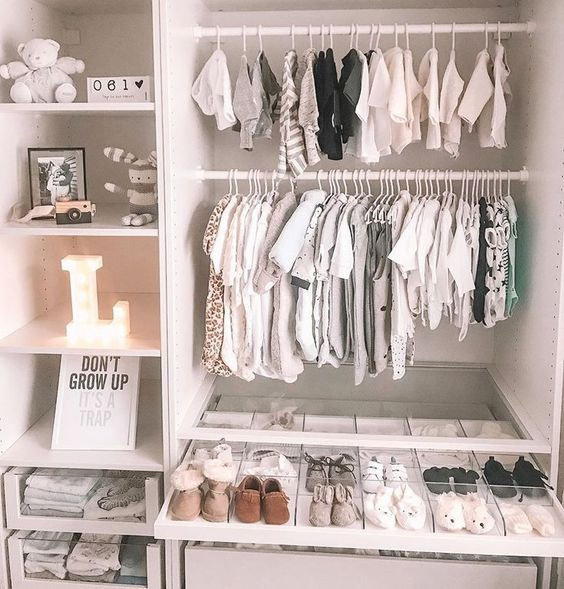
Drawer dividers help keep small clothes organized inside drawers. They create sections for onesies, socks, and hats. Dividers stop clothes from mixing and make drawers look neat. Choose adjustable dividers to fit different drawer sizes. This keeps everything in place and easy to find.
Labeling For Easy Access
Label each drawer or bin clearly. Use simple words or pictures for quick ID. Labels help anyone find clothes fast, not just parents. Change labels as the baby grows to keep things updated. Clear labeling saves time and reduces mess in a small nursery.
Toy Organization Tips
Keeping toys organized in a small space helps maintain a tidy and safe play area. Smart storage options make it easier for children to find and put away their toys. Simple systems reduce clutter and keep the room neat.
Open Front Storage Bins
Open front bins allow easy access to toys. Children can see what is inside without opening lids. These bins fit well under beds or shelves. Label each bin with pictures or words to guide your child. This method encourages independence and quick clean-up.
Shelves At Child’s Height
Install shelves low enough for children to reach. This keeps toys visible and accessible. It teaches kids to put toys back after use. Use sturdy shelves to hold books and toys safely. Shelves also save floor space and keep items organized.
Toy Rotation Strategies
Rotate toys to keep playtime fresh and exciting. Store some toys out of sight and swap them weekly or monthly. This prevents toy overload and boredom. It also makes the space feel less cluttered. Rotate by type or size to keep things balanced.
:max_bytes(150000):strip_icc()/thefallonricenursery-5871e6311a0d4da28aefaaead578776f.jpg)
Credit: pifodbold.dk
Maximizing Closet Space
Maximizing closet space is essential in small baby rooms. Efficient use of vertical and horizontal areas helps keep baby items tidy. It also makes daily routines smoother. Organizing a small closet requires smart storage solutions that fit limited space.
Adjustable Shelving
Adjustable shelves allow customization of closet space. You can change shelf heights to fit different baby items. Use taller shelves for bulkier items like blankets or diapers. Smaller shelves work well for bottles and clothes. This flexibility helps keep everything visible and easy to reach.
Door-mounted Storage
Door-mounted storage uses the back of the closet door. It creates extra room without taking floor space. Hang pockets or small racks to hold toys, lotions, or diapers. This keeps frequently used items within easy reach. It also frees up shelf and drawer space.
Stackable Storage Boxes
Stackable boxes make use of vertical space inside the closet. Use clear boxes to easily identify contents. Label each box for quick access to baby clothes, shoes, or accessories. These boxes keep items neat and dust-free. They also allow efficient stacking without clutter.
Diapering Station Setup
Setting up a diapering station in a small space requires smart choices. The goal is to keep everything within reach. This saves time and reduces stress during diaper changes. Each item must have its place. A well-organized station helps you stay calm and efficient.
Compact Changing Tables
Compact changing tables fit easily in tight spaces. They offer a flat surface to change diapers safely. Some models include shelves or drawers for storage. Choose a table that fits your space but holds essentials. Look for sturdy designs that ensure baby’s safety.
Diaper Caddies And Organizers
Diaper caddies keep diapers and supplies tidy. They are portable and easy to carry from room to room. Use caddies to store diapers, extra clothes, and small toys. Organizers with separate compartments make finding items faster. Pick lightweight and durable materials for daily use.
Accessible Wipes And Creams
Keep wipes and creams within easy reach at all times. Use small containers or wall-mounted dispensers to save space. Make sure wipes stay moist and creams are sealed properly. Accessibility speeds up diaper changes and keeps baby comfortable. Regularly check supplies to avoid running out.
Credit: www.extraspace.com
Maintaining Clutter-free Areas
Keeping a baby’s space clutter-free is key in small homes. It helps create a calm, safe area for your little one. Regular care stops mess from piling up. Simple habits make a big difference every day.
Daily Tidying Habits
Set a short time each day for cleaning up. Put toys back in their place after play. Fold clothes and store them neatly. Wipe down surfaces to keep dust and spills away. Small daily tasks prevent clutter from growing.
Regular Purging Routine
Check baby items weekly to remove what is no longer needed. Donate clothes and toys that are outgrown or unused. Keep only essentials to save space. This routine stops clutter from taking over your small area. It also makes room for new items.
Involving Family Members
Ask everyone to join in keeping baby areas tidy. Teach older siblings to put away toys. Share simple chores like folding baby clothes. Working together keeps the space clean and organized. It builds good habits for the whole family.
Frequently Asked Questions
How Can I Maximize Small Nursery Space Effectively?
Use vertical storage like wall shelves and hanging organizers. Choose multifunctional furniture with built-in storage. Keep only essentials to avoid clutter. Rotate toys and clothes seasonally to save space.
What Are The Best Storage Solutions For Baby Items?
Fabric bins, drawer dividers, and stackable baskets work well. Label containers for easy access. Use clear storage for visibility. Under-crib storage boxes utilize hidden space efficiently.
How To Organize Baby Clothes In A Limited Space?
Sort clothes by size and season. Use drawer dividers or small bins inside dressers. Hang frequently used items on a compact rod. Donate or store outgrown clothes promptly.
What Tips Help Keep Baby Toys Organized In Small Areas?
Limit toy quantity to avoid clutter. Use storage bins with lids for quick cleanup. Install wall-mounted shelves for display and storage. Rotate toys regularly to maintain interest and reduce mess.
Conclusion
Organizing a baby’s space in a small room takes smart planning. Use vertical storage to save floor space. Choose multi-purpose furniture for both storage and use. Keep items you need daily within easy reach. Regularly declutter to maintain order and calm.
Small spaces can feel cozy and efficient. Simple steps make baby care easier and more joyful. Start with what fits your home and needs. Enjoy creating a neat, safe, and happy space for your baby.


