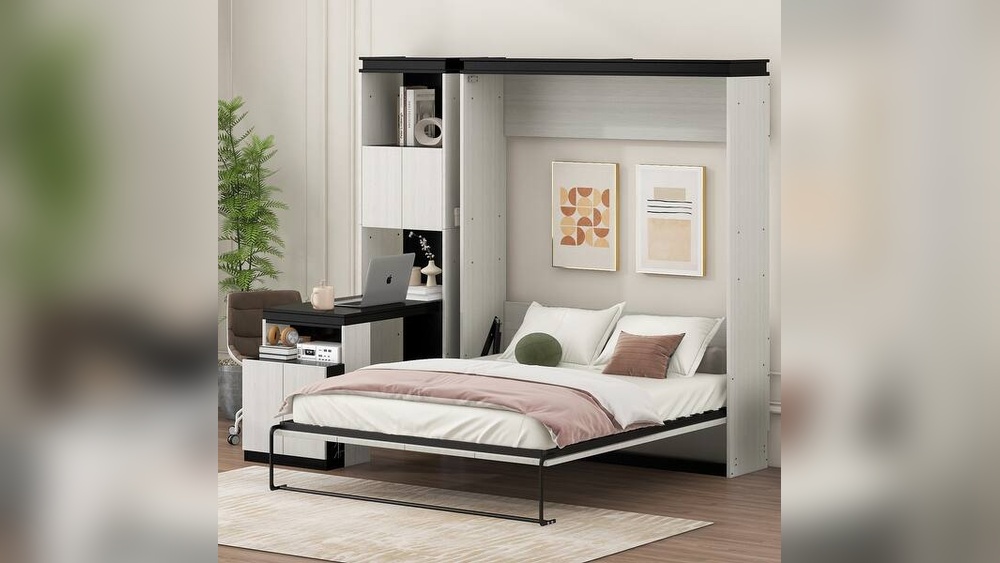

Are you ready to discover homes that make the most out of every square foot? Space saving homes for sale offer smart solutions for your living needs without sacrificing comfort.
Whether you’re looking to downsize, invest, or simply want a home that’s easy to maintain, these cleverly designed spaces can transform the way you live. Imagine a home where every corner serves a purpose, and clutter becomes a thing of the past.
Keep reading to find out how you can find the perfect space saving home in Austin, Texas, and why these homes are capturing the attention of buyers like you. Your ideal home might be smaller than you think—but it could offer more than you ever expected.

Credit: www.ebay.com
Tiny Homes Market In Austin
The tiny homes market in Austin is growing fast. Many people want smaller, affordable homes. These homes save space and reduce costs. Austin’s culture and climate suit tiny living well. Buyers enjoy the community feel and eco-friendly lifestyle.
Tiny homes offer freedom from big mortgages and large maintenance. They attract singles, couples, and retirees. The market includes new builds and pre-owned homes. Austin supports tiny home builders with flexible zoning in some areas.
Price Range And Factors
Prices for tiny homes in Austin vary widely. Most cost between $40,000 and $150,000. Size, materials, and location affect the price. Custom designs cost more than standard models. Homes with solar panels or smart features also cost extra.
Land cost plays a big role too. Buying a tiny home on a plot is pricier than placing it in a community. Some tiny homes come fully furnished, raising the price. Others require additional investment for appliances and utilities.
Popular Neighborhoods
Austin has several neighborhoods popular for tiny homes. East Austin attracts young buyers with its artsy vibe. South Austin offers a mix of urban and quiet areas. The Mueller community is known for eco-friendly living and green spaces.
Some tiny home communities are near downtown for easy access. Others lie on the outskirts, offering more land and privacy. Buyers choose neighborhoods based on lifestyle, commute, and budget. Each area has unique benefits for tiny home living.
Walmart Tiny Homes
Walmart Tiny Homes offer a simple solution for affordable, space-saving living. These homes come as prefabricated shells, providing a basic structure ready for customization. They include essential rooms but require additional work to become fully livable. Many buyers choose them for their convenience and cost-effectiveness compared to building from scratch.
What’s Included In The Shell
The shell includes the basic frame and walls of the tiny home. It has rooms like a bedroom, living area, bathroom, and kitchen space. The structure is sturdy and weather-resistant. However, it does not include appliances, wiring, plumbing, or interior finishes. Buyers get a blank canvas to design their interior.
Additional Costs And Assembly
Additional costs cover appliances, wiring, plumbing, and interior finishes. Assembly is not included and often requires professional help. Setting up utilities like electricity and water adds to the expenses. Buyers should budget for these extra steps before moving in.
Delivery And Setup Process
Walmart delivers the tiny home shell by flatbed truck. Unloading needs a forklift and space for maneuvering. The home has adjustable legs to fit uneven ground or foundations. Professional assembly is recommended for safety and proper setup. Delivery times vary depending on location and availability.
Where To Buy
Walmart Tiny Homes are available through Walmart’s online marketplace. Third-party sellers list prefabricated tiny home shells on Walmart.com. Search under the “prefabricated tiny homes” category to find options. Buyers can compare models and prices from different sellers in one place.
Cost Comparison: Buying Vs Building
Choosing between buying a space saving home and building one affects your budget. Both options have clear cost differences. Understanding these can help you decide the best path for your needs and finances.
Pros And Cons Of Buying Premade
Buying a premade home saves time. The structure is ready for quick move-in. Costs are often higher upfront due to factory labor and transport. Some premade homes may lack customization. You pay for convenience and faster availability. Repairs and upgrades might be limited by the original design. Premade homes may include warranties and professional assembly. This reduces risk but can increase the initial price. Overall, buying premade suits those who want speed and ease.
Benefits Of Building Yourself
Building your own space saving home can lower material costs. You control every design detail. Customization fits your lifestyle and space needs perfectly. Building takes longer and needs more effort. Mistakes may add to total expenses. You save on labor costs by doing some work yourself. Using recycled or low-cost materials can reduce spending. The process can be rewarding and educational. Building yourself suits those ready for a hands-on project and budget control.
Professional Consultation Importance
Consulting professionals reduces costly mistakes. Architects and builders help plan within your budget. They ensure safety and legal compliance. Experts advise on efficient layouts for small spaces. Their experience can speed up construction or purchase decisions. Even if building yourself, consultation saves money long term. Professionals help match your vision with reality. Investing in expert advice protects your investment and peace of mind.
Credit: www.walmart.com
Legal Landscape In Maryland
The legal environment for space saving homes in Maryland shapes how and where these homes can be built. Understanding the rules helps buyers and builders avoid costly mistakes. The state has specific laws that focus on safety, zoning, and permits. These laws also address newer trends like tiny homes and accessory dwelling units. Knowing these details makes buying or building a space saving home simpler and safer.
Zoning And Building Codes
Maryland enforces zoning rules to control land use and home placement. Different zones allow different types of buildings. Residential zones may limit the size and height of homes. Building codes set minimum safety and design standards. These codes ensure homes are safe for living. Buyers must check local zoning laws before purchasing space saving homes.
Accessory Dwelling Units
Accessory dwelling units (ADUs) are small homes on a property with a main house. Maryland allows ADUs in many areas but with rules. These units need separate entrances and must meet size limits. ADUs must follow safety and building codes. They offer a legal way to add living space without large construction.
Permit And Licensing Requirements
Building or placing space saving homes in Maryland requires permits. Local agencies issue these permits to ensure code compliance. Permit applications include detailed plans and inspections. Licensing may be needed for builders and contractors. Without proper permits, homes might face fines or removal.
Foundation And Building Standards
Maryland requires space saving homes to have stable foundations. Foundations must meet state standards for safety and durability. Building materials and methods must follow state codes. These standards protect homeowners from structural problems. Proper foundations also help with insurance and resale value.
Differences For Tiny Homes On Wheels
Tiny homes on wheels face different rules than stationary homes. Maryland treats them like vehicles or RVs in many cases. This means parking rules and vehicle codes apply. Some counties allow tiny homes on wheels as permanent homes; others do not. Understanding these differences is key for owners of mobile tiny homes.
Design Tips For Space Saving
Designing a space-saving home requires smart planning. Every inch must work hard to make living comfortable. Clever design tips help maximize space and keep rooms open and tidy.
Small homes can feel roomy with the right choices. Furniture and storage should serve more than one purpose. Open layouts create a sense of freedom and flow.
Multi-functional Furniture
Choose furniture that has more than one use. A sofa bed offers seating by day and a bed by night. Tables with storage underneath keep clutter out of sight. Foldable chairs and extendable tables adapt to your needs. Multi-functional pieces save space and add convenience.
Vertical Storage Solutions
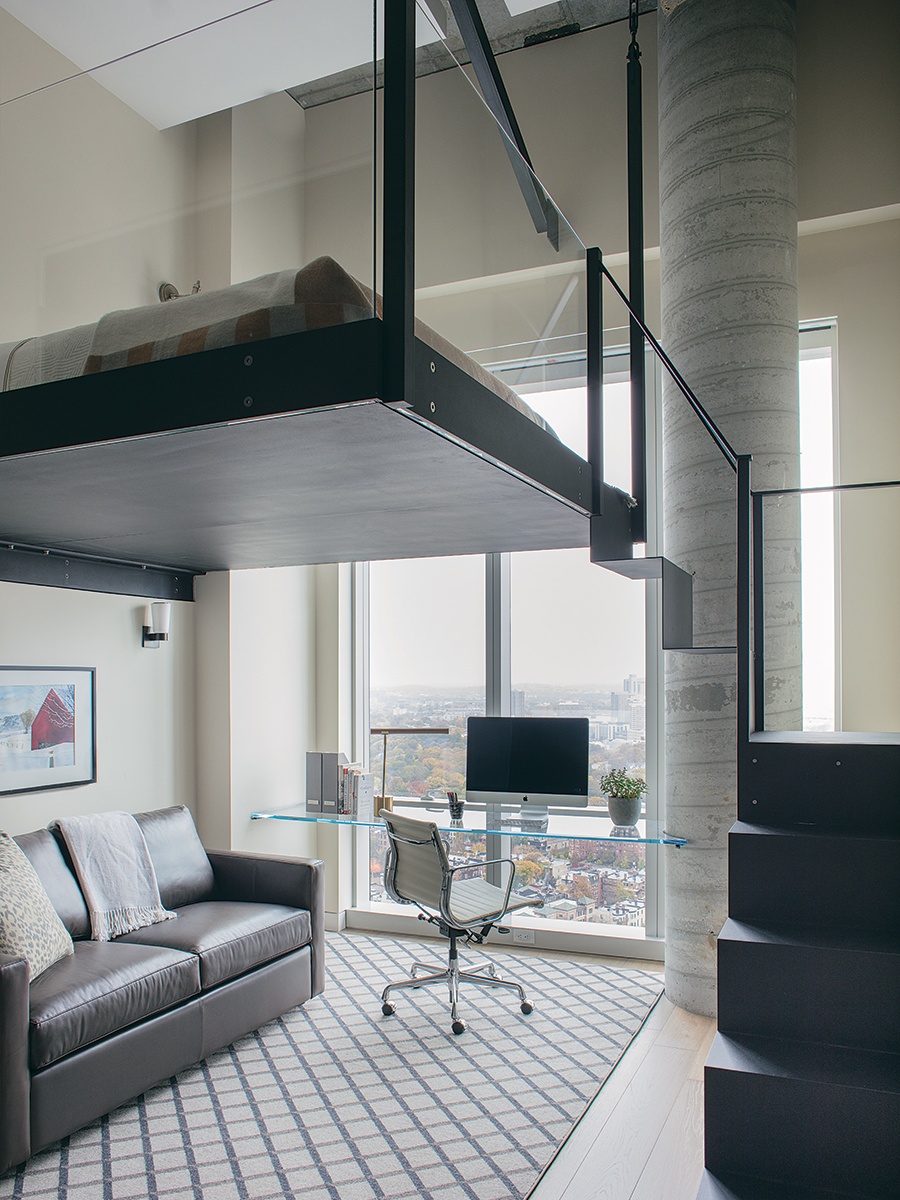
Use walls for storage to free up floor space. Shelves, hooks, and cabinets mounted high keep items organized. Tall bookcases and wall-mounted racks draw the eye upward, making rooms feel taller. Vertical storage fits more belongings without crowding living areas.
Open Floor Plans
Open layouts remove barriers between rooms. This design makes small spaces look larger and brighter. Combining kitchen, dining, and living areas creates one big room. Open floor plans improve natural light flow and offer flexible furniture placement.
Credit: www.bostonmagazine.com
Benefits Of Compact Living
Choosing a compact home offers many advantages beyond just saving space. Small living spaces create a simpler life. They encourage smarter use of every inch. People enjoy less clutter and more freedom. Compact living fits well with modern needs and busy lifestyles.
Lower Costs And Maintenance
Compact homes cost less to buy than larger houses. Smaller spaces use fewer materials, lowering upfront expenses. Heating and cooling bills drop because less energy is needed. Maintenance tasks take less time and money. Repairs are simpler due to the limited area. This makes compact living budget-friendly and easy to manage.
Environmental Impact
Small homes reduce your carbon footprint. They require fewer resources to build and maintain. Less energy means less pollution and waste. Compact living encourages recycling and mindful consumption. It supports a greener lifestyle by minimizing excess. This helps protect the planet for future generations.
Lifestyle Flexibility
Compact homes allow for flexible living arrangements. Moving or downsizing becomes easier and faster. These homes fit urban and rural settings well. They offer freedom to live closer to work or nature. People can customize small spaces to suit their needs. This flexibility suits changing life stages and goals.
Finding Compact Homes For Sale
Finding compact homes for sale means exploring different options that fit small living needs. Compact homes save space and reduce costs. They suit people who want simple, efficient living without sacrificing comfort.
Many buyers search for compact homes in cities or suburbs where space is limited. Choosing the right source helps find the perfect home quickly. Below are ways to find compact homes that match your lifestyle and budget.
Online Marketplaces
Online marketplaces list many compact homes for sale. Websites show photos, prices, and home details. You can filter searches by size, price, and location. Some popular sites include Zillow, Realtor.com, and specialized tiny home platforms. These sites make house hunting easy from your computer or phone.
Online listings update frequently, so new homes appear regularly. You can contact sellers directly through the platform. This saves time and effort in finding compact homes near you.
Local Real Estate Agents
Local real estate agents know the compact home market well. They have access to listings not always online. Agents guide you through the buying process and negotiate prices. They understand your needs and recommend homes that fit your budget and lifestyle.
Working with an agent helps avoid common pitfalls in home buying. Agents can arrange viewings and answer your questions. Their expertise makes finding compact homes faster and less stressful.
Custom Builders And Prefabs
Custom builders create compact homes tailored to your needs. They offer designs that use space efficiently. Prefabricated homes come pre-built in sections and assemble quickly on site. These homes often cost less than traditional builds and require less time.
Choosing custom or prefab homes allows more control over layout and features. Builders can help with permits and local building codes. This option suits buyers wanting a new, modern compact home designed just for them.
Frequently Asked Questions
How Much Do Tiny Homes Cost In Austin Texas?
Tiny homes in Austin, Texas, typically cost between $30,000 and $80,000. Prices vary by size, materials, and features. Custom builds or luxury models can exceed this range. Budget for permits, utilities, and setup when planning your purchase.
Is Walmart Actually Selling Tiny Homes?
Yes, Walmart sells tiny homes online as prefabricated shells. These come unfurnished and need assembly, utilities, and finishes. Third-party sellers list them on Walmart. com under “prefabricated tiny homes. ” Delivery requires a flatbed truck and professional setup.
Is It Cheaper To Buy A Tiny Home Or Build It?
Building a tiny home usually costs less than buying a premade one. DIY efforts save money but require time and skill.
Does Md Allow Tiny Homes?
Maryland allows tiny homes, but rules vary by county and city. Check local zoning, building codes, and permits before proceeding. Many areas classify tiny homes as accessory dwelling units (ADUs) with specific requirements. Always consult your local zoning office for detailed regulations.
Conclusion
Space saving homes offer smart solutions for smaller living spaces. They help you live comfortably without excess clutter. Choosing these homes can reduce costs and maintenance. Many designs fit various budgets and lifestyles. These homes also promote simpler, eco-friendly living.
Explore local listings to find the best options near you. Small spaces, big possibilities. A perfect choice for modern living needs.


