
Your bathroom deserves more than just functional walls and floors—it needs a ceiling that completes the look and stands up to moisture and humidity. Imagine stepping into a bathroom where even the ceiling adds style and comfort, making your daily routine feel like a mini escape.
Whether you want a sleek modern finish, a cozy textured design, or something bold that makes a statement, choosing the right ceiling design can transform your space entirely. In this guide, you’ll discover easy, practical ideas and materials that work best for bathroom ceilings, helping you create a fresh, inviting atmosphere that lasts.
Ready to elevate your bathroom? Let’s explore the perfect ceiling design options tailored just for you.
:max_bytes(150000):strip_icc()/KMIOct2021_057-ff656f9505734d6b816600675a1b29fa.jpg)
Credit: www.thespruce.com
Moisture-resistant Materials
Bathrooms face constant moisture from showers, baths, and sinks. Choosing the right ceiling materials helps prevent damage. Moisture-resistant materials protect ceilings from mold and decay. They last longer and keep the bathroom fresh and clean. These materials also reduce maintenance efforts and improve bathroom safety.
Pvc Panels
PVC panels resist water and humidity very well. They do not warp or swell when wet. PVC is lightweight and easy to install. It also cleans easily with a damp cloth. These panels come in many colors and patterns. PVC panels add a modern look to bathroom ceilings.
Fiberglass Options
Fiberglass ceilings resist moisture and mold growth. The material is strong and durable under wet conditions. Fiberglass panels help improve bathroom insulation. They also reduce noise from water splashing. Installation is simple and fits many ceiling styles. Fiberglass offers a smooth, clean finish.
Green And Cement Boards
Green boards resist moisture better than regular drywall. Cement boards are highly durable and water-resistant. Both materials provide a strong base for tiles or paint. They prevent mold and mildew in damp bathrooms. These boards support heavy ceiling finishes well. Ideal for bathrooms with high humidity.
False Ceiling Ideas
False ceilings transform your bathroom’s look and feel. They hide wires, pipes, and imperfections. Plus, they improve lighting and ventilation. Choosing the right false ceiling can protect against moisture and mold. It also adds style and enhances space perception. Explore these popular false ceiling ideas for bathrooms.
Pop Vs Gypsum Ceilings
POP (Plaster of Paris) ceilings are popular for smooth finishes. They allow creative shapes and designs easily. POP resists moisture moderately but needs proper sealing in bathrooms. Gypsum ceilings offer better moisture resistance than POP. They are lighter and fire-resistant. Gypsum boards also provide quick installation and durability. Both materials suit bathrooms, but gypsum performs better in humid spaces.
Stretch Ceilings
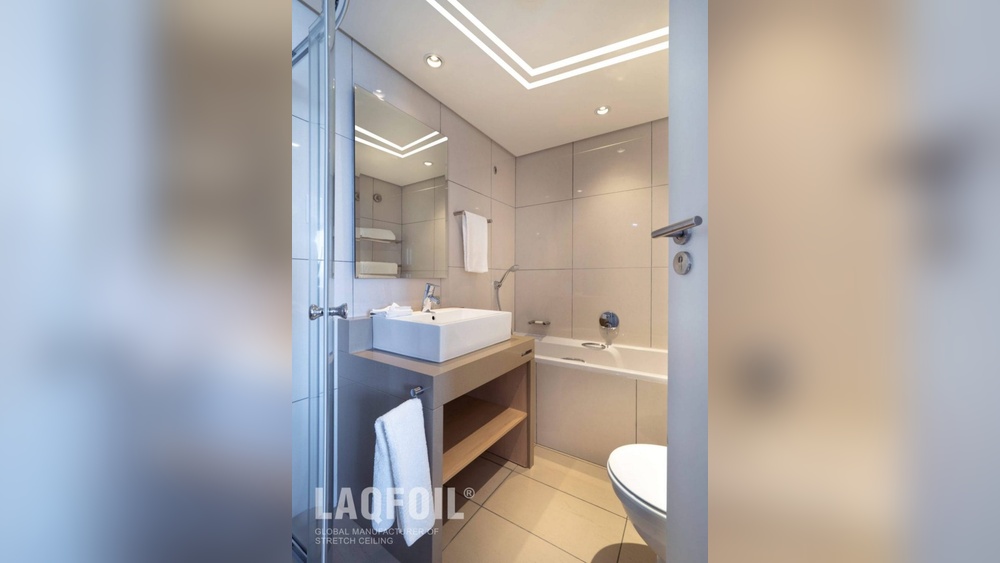
Stretch ceilings use a thin PVC or fabric sheet stretched across a frame. They are waterproof and ideal for wet areas. These ceilings hide pipes and wires seamlessly. Stretch ceilings come in many colors and finishes, including glossy and matte. They reflect light well, making bathrooms appear larger. Cleaning is easy with a damp cloth. Stretch ceilings resist mold and humidity efficiently.
Grid Ceilings For Bathrooms
Grid ceilings consist of metal frames with panels inserted. Panels can be made from moisture-resistant materials like PVC or mineral fiber. Grid ceilings allow easy access to plumbing and wiring above. They help improve ventilation and reduce humidity buildup. This type suits commercial and modern residential bathrooms. Panels come in different textures and colors for design flexibility.
Bold Colors And Paints
Bold colors and paints bring a fresh, lively look to any bathroom ceiling. They create a unique style that stands out. Bathrooms often have plain white ceilings, but adding color makes the space more inviting and fun. Choosing the right paint and color can change the room’s mood and feel. Bright blues, deep greens, or warm yellows can add personality and charm. Painting the ceiling also hides imperfections and brightens the room. This section covers how to pick bold colors and the best paint types for bathrooms.
Contrasting Ceiling Colors
Using contrasting colors makes the ceiling pop. It draws attention upward and adds depth. For example, a dark ceiling with light walls creates a dramatic effect. Light ceilings with dark walls make the room feel taller. Choose colors that complement the bathroom tiles and fixtures. Bold colors like navy, charcoal, or emerald green work well. Keep the rest of the room simple to balance the bold ceiling. This style adds character without overwhelming the space.
Waterproof Paint Choices
Bathrooms need paint that resists moisture and mold. Waterproof paints protect ceilings from humidity damage. Look for paints labeled “bathroom” or “kitchen” grade. These paints have special formulas to prevent peeling and mildew. Satin and semi-gloss finishes are best for bathrooms. They are easy to clean and reflect light well. Avoid flat paint as it absorbs moisture. Using waterproof paint ensures your bold ceiling stays beautiful longer.
Textured And Patterned Designs
Textured and patterned ceiling designs bring character and charm to bathrooms. They break the monotony of plain surfaces. These designs add depth and visual interest without overwhelming the space. Bathrooms often face moisture and humidity. Choosing the right textured or patterned ceiling helps maintain durability and style. Below are some creative options to consider.
Wallpaper Applications
Wallpaper on bathroom ceilings creates a unique look. Choose moisture-resistant wallpapers for durability. Patterns like florals, geometric shapes, or subtle textures enhance the space. Wallpaper brightens the ceiling and adds personality. It is a simple way to transform a plain ceiling.
Tile Ceilings
Tile ceilings combine beauty and function. Tiles resist moisture and are easy to clean. Patterns can range from classic white subway tiles to colorful mosaics. Tiles add texture and make the ceiling a focal point. They work well in modern and traditional bathroom styles.
Crown Molding And Trim
Crown molding and trim add elegance to bathroom ceilings. These details frame the ceiling and create a polished look. Choose moisture-resistant materials like PVC or treated wood. Molding designs can be simple or ornate, fitting any bathroom style. They enhance the ceiling’s texture without heavy patterns.
Lighting Enhancements
Lighting plays a key role in bathroom ceiling design. It sets the mood and improves the space’s function. Proper lighting makes the bathroom look larger and cleaner. It also highlights design elements on the ceiling. Bright, soft, or adjustable lights create a relaxing atmosphere. Choosing the right fixtures can protect against moisture and last longer.
Flush Mount Lights
Flush mount lights sit close to the ceiling. They are great for small bathrooms. These lights offer even illumination without taking much space. Their sleek design fits modern and classic styles. They are easy to clean and maintain. Many flush mounts come with moisture-resistant covers. This makes them safe in humid bathroom conditions.
Pendant Fixtures
Pendant lights hang from the ceiling by a cord or chain. They add style and personality to the bathroom. Pendants work well over vanities or bathtubs. They create focused light for tasks like shaving or makeup. Choose materials that resist rust and water damage. Pendants come in many shapes, sizes, and colors. They can become a focal point in the ceiling design.
Dimmer Controls
Dimmer controls let you adjust light brightness. They help create a calm and cozy atmosphere. Dimmers save energy by lowering light levels when full brightness is not needed. They work with many types of bathroom lights. Installing dimmers is simple and adds convenience. With dimmer controls, bathroom lighting adapts to your mood and time of day.

Credit: www.decorpad.com
Space-saving Ceiling Features
Space-saving ceiling features make bathroom design smarter and more functional. Bathrooms often have limited space, so using the ceiling creatively helps keep the room tidy. These features add storage and access points without taking up floor or wall space. They improve organization and maintain a clean look. Clever ceiling designs support daily bathroom use and enhance comfort.
Trap Doors And Access Panels
Trap doors and access panels in the ceiling provide easy entry to plumbing and electrical systems. They hide pipes and wires neatly, keeping the bathroom looking smooth. These panels save space by avoiding bulky cabinets or cupboards. Maintenance becomes simple without damaging walls or ceilings. Ceiling trap doors blend with design, preserving style and function.
Integrated Storage Solutions
Integrated storage in bathroom ceilings offers extra room for towels, toiletries, and cleaning supplies. Ceiling cabinets and shelves keep essentials within reach but out of sight. This storage method frees up floor space for other uses. It is ideal for small bathrooms needing smart storage ideas. Stylish storage units can match the bathroom’s décor for a unified look.
Modern Vs Classic Styles
Bathroom ceiling design greatly influences the room’s overall look. Modern and classic styles offer distinct vibes. Choosing between them depends on the atmosphere you want to create. Modern styles bring simplicity and clean lines. Classic styles focus on detail and elegance. Both styles have unique features that enhance bathroom spaces.
Minimalist Designs
Minimalist bathroom ceilings emphasize simplicity. They use smooth surfaces and neutral colors. White or soft gray tones make the ceiling feel open and bright. Minimalist designs avoid excessive decoration. LED strip lights or recessed lighting fit well here. These elements add subtle illumination without clutter. The style suits small and modern bathrooms perfectly. It creates a calm and fresh environment.
Ornate And Extravagant Ceilings
Classic bathroom ceilings often showcase ornate details. Crown molding and decorative plasterwork are common features. These details add depth and luxury to the space. Rich colors like cream or pastel shades highlight the design. Chandeliers or vintage-style fixtures enhance the look. This style works best in large or traditional bathrooms. It creates a warm and elegant atmosphere that feels timeless.
:strip_icc()/Bathroom-scalloped-trim-Bathroom_180619_562_3A0w-L3Eq8V8JNlFcXNcfP-51d9b86940e34200ab5af05b2b3cdfb2.jpg)
Credit: www.bhg.com
Small Bathroom Ceiling Tips
Small bathrooms often feel cramped and dark. Ceiling design plays a key role in changing this feeling. Clever ceiling tips can make a small bathroom look taller and more open. These ideas focus on visual tricks and smart material choices. They improve light and space without large renovations.
Maximizing Height Illusions
Use vertical lines or paneling on the ceiling. This draws the eye upward, creating a sense of height. Choose light colors to keep the ceiling from feeling low. Avoid heavy or dark ceiling treatments that shrink the space. Adding crown molding can visually raise the ceiling edge. A simple, clean design keeps the room feeling open and airy.
Light-reflective Materials
Select materials that bounce light around the room. Glossy paint or moisture-resistant panels brighten the ceiling surface. Mirrors or shiny tiles also reflect light and expand space visually. PVC panels are good for bathrooms because they resist moisture. Bright ceilings help spread both natural and artificial light evenly. This makes the bathroom feel larger and fresher.
Frequently Asked Questions
Which Type Of Ceiling Is Best For A Bathroom?
PVC ceilings are best for bathrooms due to their excellent moisture and humidity resistance. Fiberglass, green board, and cement board also work well. These materials prevent mold and mildew, ensuring durability and easy maintenance in wet environments. Choose moisture-resistant ceilings for lasting bathroom performance.
How Do You Design A Bathroom Ceiling?
Design a bathroom ceiling using moisture-resistant materials like PVC or fiberglass. Add paint, crown molding, or tiles for style. Ensure proper ventilation to prevent mold and humidity damage. Choose colors and textures that complement the bathroom’s overall design and lighting.
What Is The Best Thing To Put On A Bathroom Ceiling?
The best bathroom ceiling materials resist moisture and mold. Use PVC panels, fiberglass, green board, or cement board for durability and water resistance. Paint with moisture-resistant paint or add tiles for style and protection. These choices ensure long-lasting, mold-free bathroom ceilings.
What Is The Best Material To Use For A Bathroom Ceiling?
PVC panels are the best bathroom ceiling material due to their water and humidity resistance. Fiberglass, cement board, and green board also work well. These materials prevent mold and mildew, ensuring durability and easy maintenance in moist environments.
Conclusion
Choosing the right ceiling design can change your bathroom’s feel. Simple materials like PVC or fiberglass work well against moisture. Adding texture or a splash of color can brighten the space. Mold-resistant options keep your bathroom fresh and safe. Small changes create a big impact without high costs.
Your bathroom ceiling can be both stylish and practical. Think about durability and style when making your choice. A well-designed ceiling completes your bathroom’s look perfectly.