
Imagine stepping into your kitchen and feeling the timeless elegance of the Victorian era combined with the comfort and luxury you deserve. Victorian Luxury Kitchens offer more than just a place to cook—they create an atmosphere where classic charm meets modern convenience.
If you want your kitchen to be a stunning centerpiece that reflects sophistication and warmth, this style is made for you. You’ll discover how to bring Victorian luxury into your home, with ideas that transform your space into something truly extraordinary.
Ready to turn your kitchen into a masterpiece? Let’s explore the beauty and details that make Victorian kitchens so captivating.

Credit: nelsonkb.com
Victorian Kitchen Features
Victorian kitchens are known for their timeless elegance and detailed craftsmanship. These kitchens blend beauty with function, creating a warm and inviting space. The features of a Victorian kitchen show the style and luxury of the era. Each element adds charm and character, making the kitchen a focal point of the home.
Ornate Woodwork And Cabinetry
Woodwork in Victorian kitchens is rich and decorative. Cabinets often have intricate carvings and raised panels. Dark woods like mahogany and oak are popular choices. These designs bring warmth and luxury to the kitchen. Handmade details show skilled craftsmanship and care.
Marble Countertops And Backsplashes
Marble surfaces are a hallmark of Victorian luxury. Countertops usually feature smooth, polished marble. Backsplashes often match or complement the counters with elegant patterns. Marble adds a cool, clean look that contrasts with the woodwork. It is durable and easy to clean, perfect for busy kitchens.
Cast Iron Ranges And Appliances
Cast iron ranges are classic in Victorian kitchens. These stoves are heavy, durable, and efficient for cooking. Many have ornate details and enamel finishes. They bring a vintage charm and a sense of history. Other appliances often mimic this old-fashioned style to keep the look consistent.
Butler’s Pantry And Storage Solutions
The butler’s pantry adds extra space for storage and prep work. It keeps the main kitchen clutter-free and organized. Victorian kitchens often have built-in cupboards and shelving. These storage solutions combine function with style. They help manage kitchen tools and ingredients neatly.
Blending Old And New
Blending old and new in Victorian luxury kitchens creates a unique charm. It combines timeless elegance with modern comfort. This mix respects history while embracing today’s technology.
The challenge lies in keeping the classic look without losing practicality. Careful design choices help balance both styles. The result is a kitchen that feels both warm and efficient.
Modern Appliances In Classic Settings
Modern appliances fit smoothly into Victorian kitchen designs. Sleek refrigerators and ovens come in subtle colors or hidden behind cabinetry. This preserves the room’s vintage charm.
Smart features add convenience without disturbing the decor. Quiet dishwashers and efficient cooktops improve daily use. They make the kitchen ready for today’s needs.
Incorporating Contemporary Layouts
Contemporary layouts improve space and flow in Victorian kitchens. Open plans and islands create room for cooking and gathering. These changes boost comfort and social interaction.
Careful planning respects original architectural details. It blends new shapes with old features. The kitchen stays elegant while working better for modern life.
Balancing Elegance With Functionality
Elegance and function go hand in hand in these kitchens. Classic materials like marble and wood add beauty and durability. Functional storage solutions keep the space tidy.
Lighting blends ornate fixtures with practical illumination. This highlights details and brightens work areas. The kitchen becomes a place where style meets everyday use.
Color And Material Choices
Color and material choices define the heart of Victorian luxury kitchens. These kitchens blend rich hues and authentic textures to create warm, inviting spaces. Each element reflects the elegance and charm of the Victorian era while offering timeless style.
Period-inspired Color Palettes
Victorian kitchens favor deep, rich colors. Think emerald greens, burgundy reds, and navy blues. These colors add depth and warmth. Soft creams and muted golds balance the darker tones. This palette creates a classic, elegant atmosphere.
Use Of Natural Materials
Natural materials bring authenticity to Victorian kitchens. Wood, especially oak and mahogany, features heavily in cabinets and flooring. Marble and granite surfaces add luxury and durability. Brass and copper fixtures enhance the vintage feel. These materials age beautifully, gaining character over time.
Textured Tiles And Wallpaper
Textured tiles and wallpaper add visual interest and depth. Patterned ceramic tiles with floral or geometric designs are common. They often highlight backsplashes or floors. Wallpaper with damask or toile patterns complements the rich colors. These textures create a layered, sophisticated look.
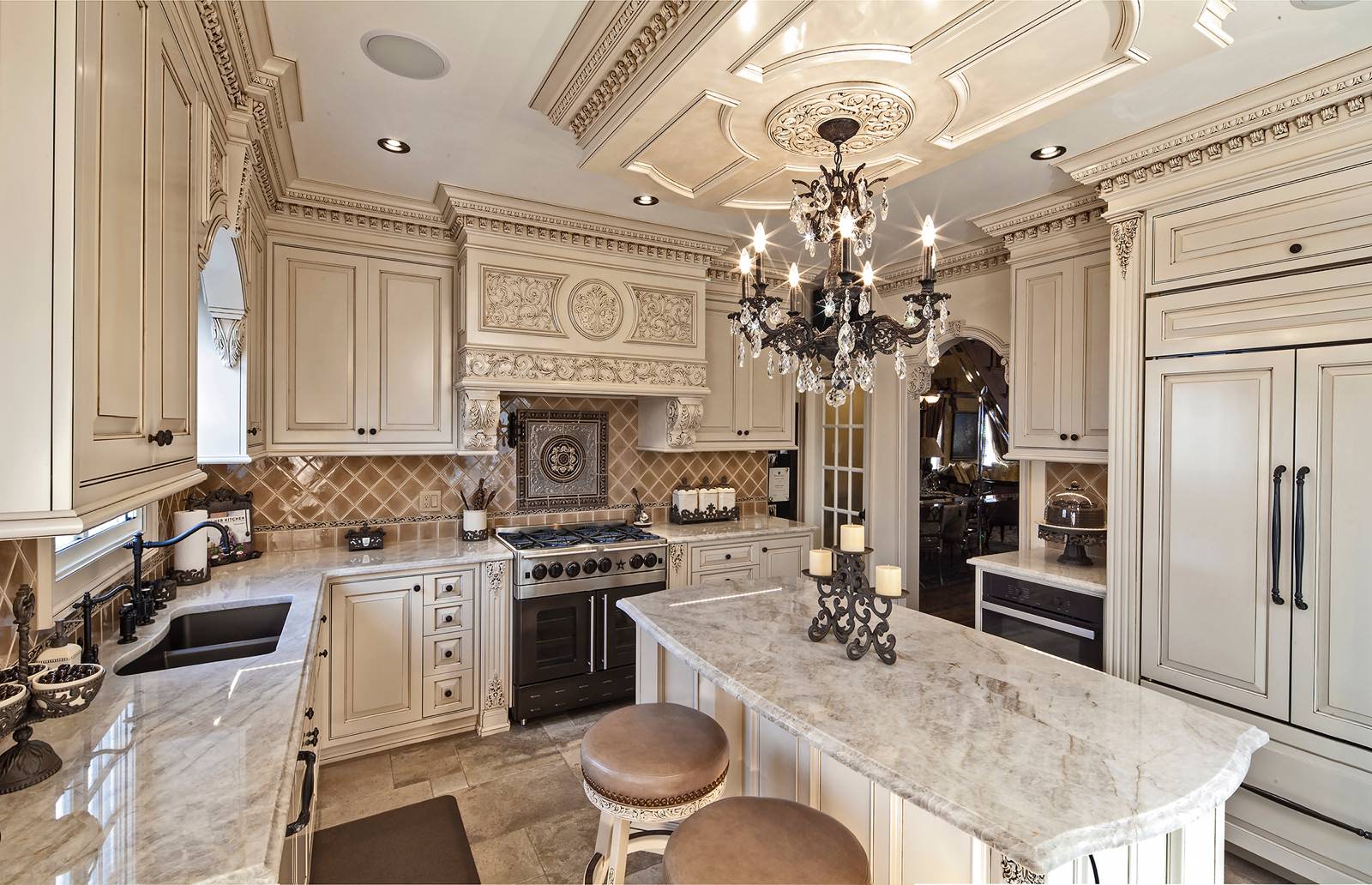
Credit: www.houzz.com
Luxury Elements And Details
Victorian luxury kitchens shine through their fine elements and rich details. These kitchens mix classic charm with high-end touches. Every piece adds to the elegant and timeless feel. The focus lies on quality, style, and unique character. Details make a strong statement and create a lasting impression.
Showstopper Furniture Pieces
Bold furniture defines a Victorian luxury kitchen. Large kitchen islands with ornate legs draw the eye. Hand-carved dining tables add a royal touch. Elegant chairs with velvet cushions invite comfort. These pieces combine beauty and function perfectly. They serve as focal points and elevate the space.
Antique Storage Integration
Antique cabinets bring authentic history to the kitchen. Glass-front cupboards showcase fine china and crystal. Built-in wooden pantries keep essentials hidden but accessible. Displaying vintage jars and tins adds old-world charm. These storage solutions blend seamlessly with modern needs. They keep the kitchen neat yet full of character.
Decorative Hardware And Fixtures
Hardware in Victorian kitchens is more than practical. Brass handles, knobs, and hinges add warmth and shine. Ornate faucet designs bring elegance to sinks and basins. Chandeliers and wall sconces with crystal drops light the room beautifully. These details create a rich, inviting atmosphere. Each fixture plays a part in the kitchen’s story.
Space Planning And Layouts
Space planning and layouts form the backbone of Victorian luxury kitchens. These kitchens blend classic charm with modern usability. Thoughtful design ensures the kitchen feels spacious and inviting. Proper planning creates balance between style and function.
Every inch counts in Victorian kitchens. Careful layout choices highlight intricate details. They also make cooking and entertaining easy. This section explores key ideas for effective space planning.
Optimizing Small Victorian Kitchens
Small Victorian kitchens need smart designs to feel roomy. Use light colors to brighten the space. Choose slim cabinets with glass fronts for openness. Mirrors or reflective surfaces add depth. Compact appliances fit better without crowding the room. Vertical storage keeps counters clear and neat. Every detail helps avoid a cramped feeling.
Open Vs. Closed Kitchen Concepts
Open kitchens connect the kitchen with dining or living areas. They create a spacious, social atmosphere. Closed kitchens offer privacy and keep cooking smells contained. Victorian designs often use partial walls or glass doors. These options balance openness with separation. Choose the style that fits your lifestyle best.
Creating Flow And Accessibility
Good flow means moving easily between cooking, cleaning, and storage zones. Arrange the sink, stove, and refrigerator in a classic work triangle. Keep paths clear and wide enough for comfort. Add pull-out shelves and drawers for easy reach. Consider seating spots that don’t block walkways. Accessibility makes the kitchen practical and welcoming.
Inspiration And Design Ideas
Victorian luxury kitchens draw from rich history and elegant details. Inspiration and design ideas help create a space that feels both timeless and inviting. This section explores key influences and ways to blend old and new styles. Discover classic English touches, old-money luxury, and modern updates that suit today’s homes.
Classic English Kitchen Influences
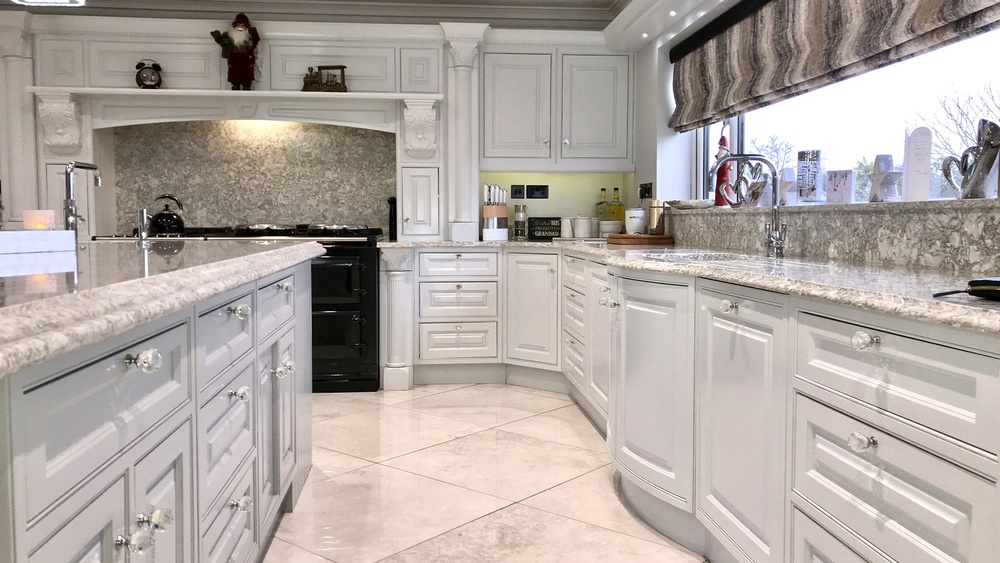
Classic English kitchens feature warm wood tones and detailed cabinetry. Think paneled doors, brass handles, and deep moldings. Traditional range cookers and farmhouse sinks add character. Rich colors like hunter green, navy, and cream set a cozy mood. These kitchens often include open shelves to display fine china and glassware. The look balances charm with practical layouts.
Old-money Style Inspirations
Old-money style means understated luxury and quality materials. Marble countertops and polished wood floors create a refined base. Antique light fixtures and vintage accessories add elegance. Heavy curtains, classic wallpaper, and ornate mirrors bring depth to the design. This style avoids flashiness, focusing instead on subtle beauty. The overall feel is stately yet welcoming.
Mixing Vintage With Modern Trends
Mixing vintage with modern makes Victorian kitchens fresh and functional. Sleek appliances blend into classic cabinetry for convenience. Matte black fixtures and minimalist lighting add contrast. Open floor plans and islands create space for gatherings. Use vintage tiles or wallpaper as feature walls. This mix respects tradition while embracing today’s needs.
Choosing The Right Kitchen Remodeler
Choosing the right kitchen remodeler is key for a Victorian luxury kitchen. This project needs skill and attention to detail. The remodeler shapes your vision into reality. They handle design, materials, and craftsmanship. Trust in their expertise ensures a smooth, stunning result. Start by exploring remodelers who specialize in Victorian styles. Their knowledge of period details adds value. Clear communication helps avoid costly mistakes. Ask about past projects to judge quality. A good remodeler respects your budget and timeline. Your dream kitchen deserves a professional who cares.
Working With Specialist Designers
Specialist designers know Victorian luxury kitchens well. They understand classic features and ornate details. Their input blends style and function perfectly. Designers create plans that suit your space. They choose colors, finishes, and fixtures with care. Their experience helps solve tricky layout issues. They work closely with the remodeler for smooth execution. This teamwork ensures the kitchen looks authentic yet modern. Specialist designers also help pick materials that last. Their advice keeps the project on track and on style.
Custom Vs. Off-the-shelf Solutions
Custom solutions offer unique designs made just for you. These fit your kitchen’s exact size and style. Custom cabinets, moldings, and hardware add charm. Off-the-shelf products are ready-made and easier to buy. They cost less but may not match your vision fully. Luxury kitchens often benefit from custom work for authenticity. Custom pieces highlight Victorian elegance and craftsmanship. Mixing custom and off-the-shelf can balance cost and style. Choose what best fits your goals and budget.
Budgeting For Luxury Kitchens
Set a clear budget before starting the remodel. Victorian luxury kitchens require quality materials and skilled labor. Costs include design, materials, installation, and finishing touches. Leave room for unexpected expenses during the project. Prioritize features that matter most to you. Custom woodwork and antique-style fixtures can be costly. Balance splurges with practical choices to stay within budget. A good remodeler helps manage costs and suggests savings. Planning ahead prevents surprises and stress.
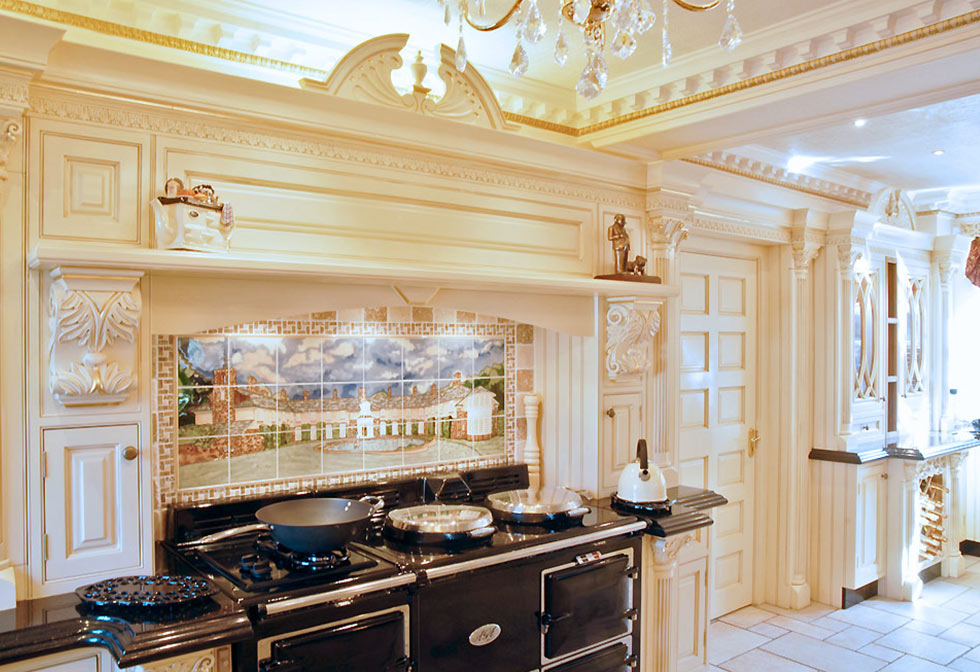
Credit: www.bespokekitchensbybroadway.co.uk
Frequently Asked Questions
What Defines A Victorian Luxury Kitchen Style?
A Victorian luxury kitchen features ornate designs, dark wooden cabinets, marble countertops, and intricate tile backsplashes. It combines elegance with traditional craftsmanship, showcasing antique storage and decorative details for a timeless look.
How To Blend Modern Features In Victorian Kitchens?
Incorporate modern appliances subtly while keeping classic elements like traditional doors and period colors. This blend maintains Victorian charm and adds convenience, creating a functional yet stylish kitchen space.
What Materials Are Best For Victorian Luxury Kitchens?
Use rich woods, marble, cast iron, and decorative tiles. These materials reflect Victorian elegance and durability, enhancing the kitchen’s luxurious and historical aesthetic.
How To Maximize Storage In Victorian Kitchen Designs?
Include built-in cabinetry, butler’s pantries, and antique-style storage solutions. These provide ample space while preserving the kitchen’s classic Victorian look and functionality.
Conclusion
Victorian luxury kitchens blend timeless charm with elegant details. Rich wood, marble surfaces, and classic fixtures create warm spaces. These kitchens offer both beauty and practical storage. They fit well in historic homes or modern ones seeking character. Choosing this style adds a touch of sophistication to daily life.
Every detail tells a story of craftsmanship and tradition. Embrace the beauty and comfort Victorian kitchens provide. Your kitchen becomes a space where history meets today’s needs.