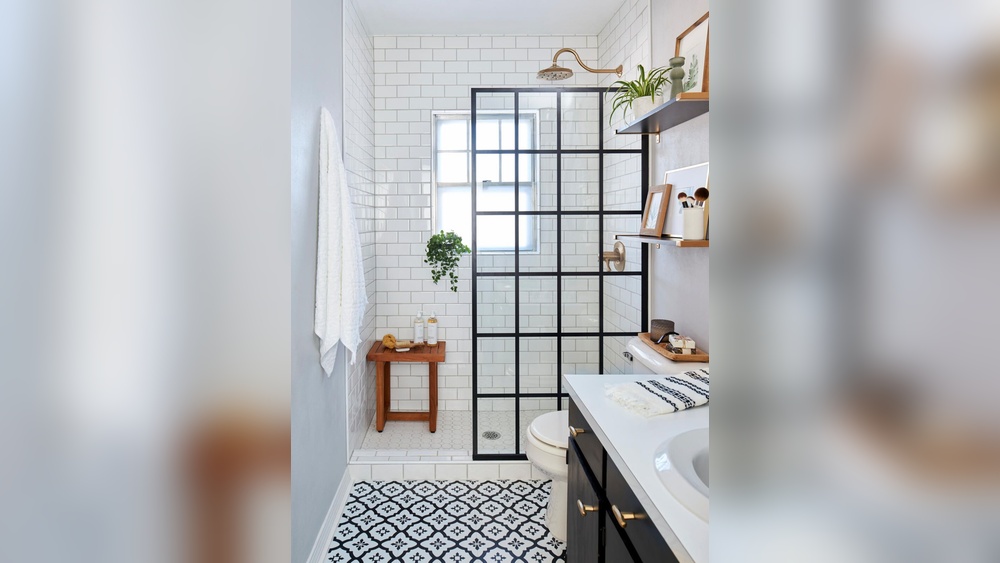

When it comes to transforming your bathroom, the floor tiles you choose play a crucial role in setting the tone and style of the entire space. You want tiles that not only look stunning but also stand up to moisture, wear, and everyday use.
Whether you’re aiming for a sleek modern look or a cozy, classic vibe, the right bathroom design floor tiles can make all the difference. You’ll discover how to pick tiles that match your taste, fit your budget, and elevate your bathroom’s comfort and safety.
Ready to find the perfect floor tiles that will bring your dream bathroom to life? Let’s dive in and explore the best options for your space.
Tile Materials
Choosing the right tile material shapes your bathroom’s look and feel. Tiles must resist moisture and wear. They should also match your style and budget. Different materials offer unique benefits and appearances. Explore popular tile materials to find the best fit for your bathroom floor.
Ceramic And Porcelain
Ceramic tiles are affordable and versatile. They come in many colors and patterns. Porcelain tiles are denser and less porous. They resist water and stains better. Both types are easy to clean. Porcelain suits high-traffic areas well. Ceramic tiles offer more design options. Both materials provide durability and style.
Natural Stone
Natural stone tiles bring a timeless, elegant look. Options include marble, granite, and slate. Each stone has unique colors and textures. Stone tiles need sealing to prevent stains. They offer great durability but require care. Stone adds warmth and luxury to bathrooms. They are perfect for classic or rustic designs.
Glass And Mosaic
Glass tiles create a bright, reflective surface. They add depth and light to small spaces. Mosaic tiles come in small pieces and patterns. They allow creative, custom designs. Glass tiles resist water and stains well. They need gentle cleaning to avoid scratches. These tiles suit modern and artistic bathrooms.
Vinyl And Alternatives
Vinyl tiles are budget-friendly and easy to install. They mimic the look of wood or stone. Vinyl is waterproof and soft underfoot. It works well in moisture-prone areas. Alternatives include linoleum and laminate. These materials offer flexibility and comfort. They are ideal for renters or DIY projects.
Popular Tile Shapes
Choosing the right tile shape can transform your bathroom floor. Tiles come in many shapes, each adding a unique style and feel. Simple shapes bring a clean look. Complex shapes create eye-catching patterns. Here are some popular tile shapes for bathroom floors. Each shape offers a different vibe and design possibility.
Hexagon Tiles
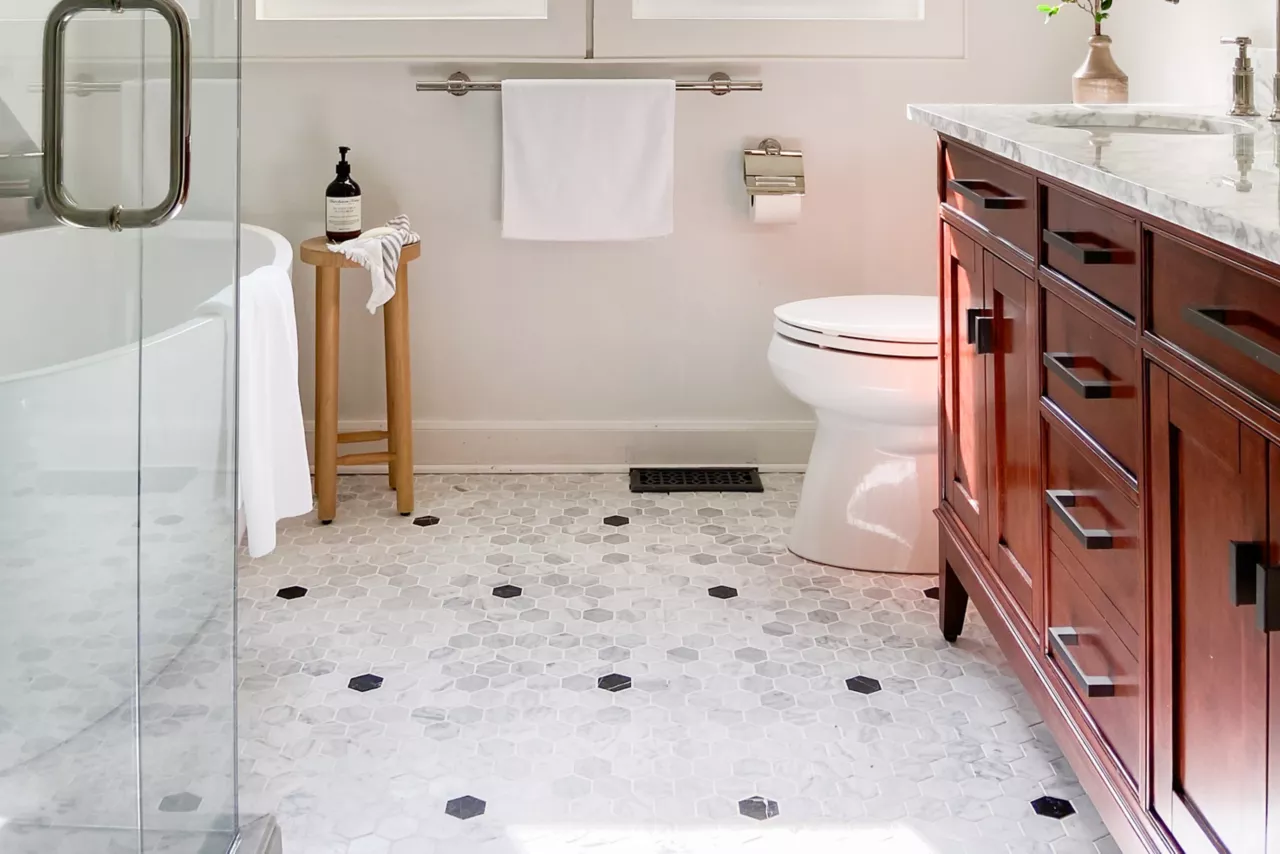
Hexagon tiles have six sides and a geometric charm. They create a modern yet timeless look. These tiles fit together like a honeycomb. This shape adds texture and interest to the floor. Hexagon tiles come in many sizes and colors. They work well in both small and large bathrooms.
Subway Tiles
Subway tiles are rectangular and classic. They often appear in a brick-like pattern. This shape gives a clean and simple style. Subway tiles suit traditional and modern bathrooms. They make small spaces appear larger. Their uniform look adds order and balance.
Large Format Tiles
Large format tiles are bigger than standard ones. They cover more floor area with fewer grout lines. This creates a smooth and seamless look. Large tiles make bathrooms feel spacious and open. They work best in bigger rooms but can fit small spaces too. Their clean lines add elegance and simplicity.
Patterned Tiles
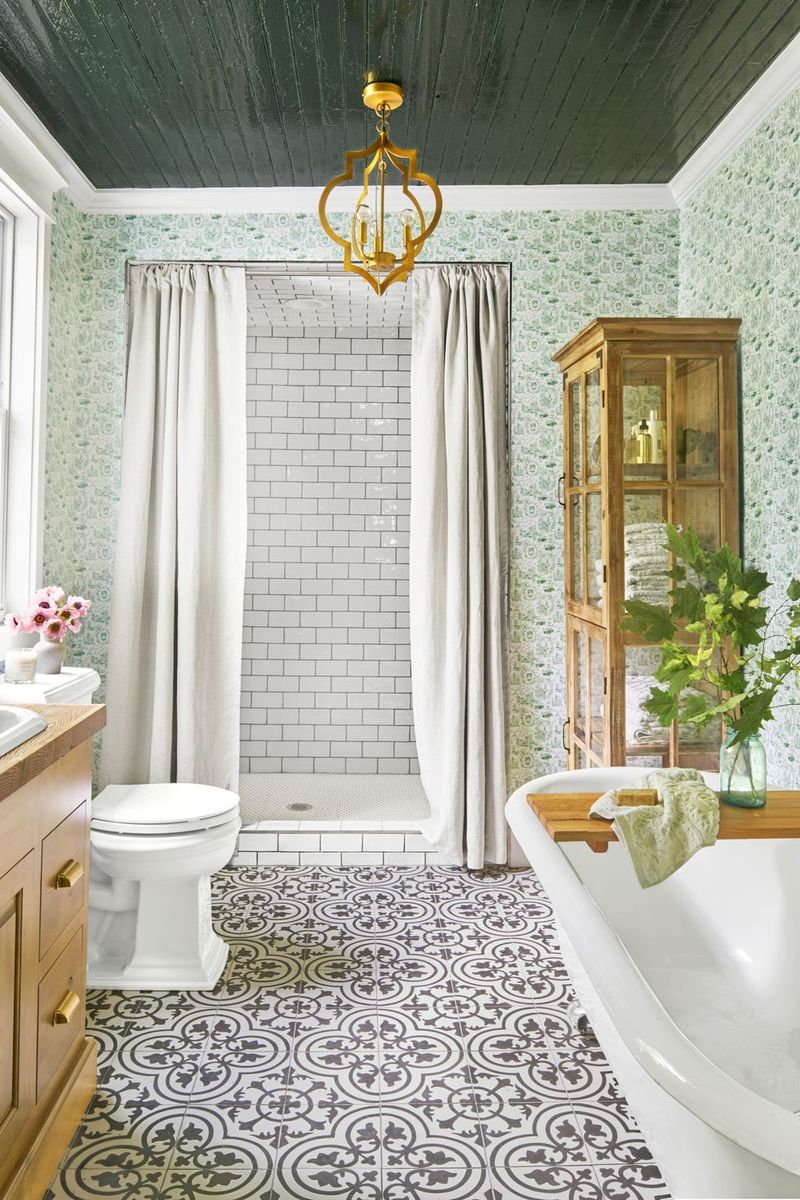
Patterned tiles feature designs like flowers, shapes, or lines. They add personality and charm to any bathroom floor. These tiles can create bold or subtle patterns. Patterned tiles often act as a focal point. They bring color and character to plain spaces. Mixing plain and patterned tiles adds style variety.
Color Choices
Choosing the right color for bathroom floor tiles shapes the room’s mood and style. Color influences how spacious or cozy the bathroom feels. It also affects how easy it is to maintain the floors. Understanding popular color options helps create a balanced and inviting space.
Neutral Tones
Neutral tones like beige, gray, and cream bring calmness to the bathroom. These colors blend well with most decor styles. They create a clean, timeless look that suits any size space. Neutral tiles hide dirt and stains better than very light colors. They allow for flexible design changes over time.
Bold Colors
Bold colors such as navy blue, emerald green, or deep red add energy to the bathroom. These choices make the floor a striking feature. Bold tiles work well in large bathrooms or as accents in smaller rooms. Pairing them with neutral walls balances the vibrant floor. This approach creates a lively yet harmonious space.
Monochrome Palettes
Monochrome palettes use shades of black, white, and gray for a modern look. These colors highlight clean lines and geometric tile patterns. Monochrome floors suit minimalist and contemporary designs. They offer strong contrast and visual interest without overwhelming the room. This palette remains stylish across trends.
Pastel Shades
Pastel shades like soft pink, mint green, or light blue add gentle color to the bathroom. These shades create a fresh, airy atmosphere. Pastel tiles brighten small bathrooms and add subtle charm. They pair nicely with white fixtures and natural wood accents. Pastels bring a cheerful, soothing vibe to bathroom floors.
Patterns And Layouts
Bathroom floor tiles play a big role in the overall look and feel of the space. Patterns and layouts bring life and style to plain floors. They can make a small bathroom feel larger or add character to a simple design. Choosing the right pattern helps balance beauty and practicality. It also reflects personal taste and complements the bathroom’s theme.
Herringbone And Chevron
Herringbone and chevron patterns create dynamic, eye-catching floors. Herringbone uses rectangular tiles placed in a zigzag layout. It adds movement and texture to the bathroom floor. Chevron tiles form a continuous V shape. This pattern gives a modern, sleek look. Both styles work well with wood-look or marble tiles. They suit both classic and contemporary bathroom designs.
Checkerboard
Checkerboard patterns alternate two contrasting colors in square tiles. This classic layout adds a bold, graphic element to the floor. It fits vintage and retro bathroom styles perfectly. Black and white tiles are the most popular choice. But other color combos can create a fresh, playful vibe. Checkerboard floors make a strong style statement without extra decor.
Mosaic Designs
Mosaic tiles are small pieces arranged into detailed patterns or images. They add intricate beauty and texture to bathroom floors. Mosaic designs range from simple shapes to complex artwork. Glass, ceramic, and stone mosaics bring different effects. They brighten the floor and reflect light beautifully. Mosaic floors often serve as a focal point in the bathroom.
Random And Mixed Patterns
Random and mixed tile patterns combine different shapes, sizes, or colors. This style offers a unique, personalized look. It breaks the monotony of uniform layouts. Mixing tiles with various textures adds depth and interest. These patterns suit creative homeowners who want a custom design. They bring an artistic, playful feel to any bathroom floor.
Texture And Finish
Texture and finish play a key role in bathroom floor tiles. They affect the look, feel, and safety of your bathroom. Choosing the right texture can help create a cozy or sleek space. The finish can change how tiles reflect light and how easy they are to clean. Think about daily use and style before picking tiles. Here are some popular options to consider.
Glossy Vs Matte
Glossy tiles shine and reflect light. They make small bathrooms look bigger and brighter. These tiles are smooth and easy to clean. But, they can be slippery when wet.
Matte tiles have a soft, non-reflective surface. They hide water spots and dirt well. These tiles offer better grip and reduce slipping risk. Matte finish suits busy family bathrooms or homes with kids.
Textured Tiles For Safety
Textured tiles add depth and interest to floors. They provide better traction on wet surfaces. These tiles help prevent slips and falls. Choose subtle textures for a modern look. Rough textures work well in shower areas or near tubs.
Textured tiles come in many patterns like wood grain or stone finishes. They add warmth without losing safety benefits. These tiles balance style and function in bathroom design.
Polished Stone Options
Polished stone tiles offer a luxury feel. Marble and granite bring natural beauty to floors. Their smooth finish reflects light softly. These tiles require regular sealing to avoid stains.
Polished stone suits elegant, classic bathroom styles. It pairs well with simple fixtures and clean lines. These tiles add value and timeless appeal to your home.
Credit: www.goodhousekeeping.com
Small Bathroom Tiles
Small bathrooms need careful tile choices to feel open and fresh. The right floor tiles can change the whole look. They make the space look larger and more inviting. Choosing the right tile size, color, and pattern matters most. Simple changes create a big difference in small areas.
Tile Size Impact
Small tiles often work well for tiny bathrooms. They fit the space better and add detail. Large tiles can sometimes make the room look cluttered. But medium or small tiles keep the floor balanced. Smaller tiles also help with slippery floors because of more grout lines. This means safety and style in one choice.
Light Reflecting Options
Bright, shiny tiles help open up small bathrooms. Glossy surfaces reflect light well. This creates a brighter, airier feeling. Light colors like white, cream, or pale gray work best. They bounce light around the room. Matte tiles absorb light and may make space feel smaller. Choose tiles that enhance natural or artificial light.
Space Enhancing Patterns
Patterns can trick the eye into seeing more space. Straight lines, such as subway tiles, add length. Diagonal layouts create a sense of width. Small geometric shapes bring texture without crowding. Avoid busy, complex patterns that overwhelm small floors. Simple designs keep the bathroom calm and roomy.
Shower Floor Tiles
Shower floor tiles play a crucial role in bathroom design. They create a safe, stylish surface that handles water and foot traffic well. Choosing the right tiles improves safety and comfort in the shower area. The right tile also adds beauty and blends with the overall bathroom style.
Slip-resistance
Slip-resistance is vital for shower floor tiles. Tiles with textured or matte finishes reduce slipping risks. Small-sized tiles with more grout lines improve grip. Avoid glossy or smooth tiles that become slippery when wet. Safety should be a top priority in this wet area.
Drainage Considerations
Good drainage prevents water pooling and mold growth. Shower floors need a slight slope toward the drain. Tile size affects drainage; smaller tiles fit better on sloped floors. Grout lines also help water flow smoothly. Proper drainage keeps the shower clean and dry.
Durability And Maintenance
Shower floor tiles must resist moisture and wear over time. Porcelain and ceramic tiles offer strong durability. Natural stone tiles look beautiful but need sealing to avoid water damage. Clean tiles regularly to prevent soap scum buildup. Durable tiles save money by lasting longer without repairs.
Credit: www.tileshop.com
Installation Tips
Installing bathroom floor tiles requires careful planning and attention to detail. Proper installation ensures tiles stay secure and look beautiful for years. Follow these tips to create a smooth and lasting finish.
Preparing The Surface
Start with a clean, dry surface. Remove old flooring and debris. Check for cracks or uneven spots. Use a leveling compound to smooth the floor. A flat surface helps tiles adhere better. Allow the surface to dry completely before tiling.
Choosing Grout Colors
Pick grout colors that match or contrast your tiles. Light grout makes small spaces feel bigger. Dark grout hides dirt but may show dust. Test grout samples on a tile before final use. Proper grout color enhances the overall design.
Professional Vs Diy
DIY tile installation saves money but requires skill and tools. Mistakes can cause uneven tiles or water damage. Professionals have experience and specialized equipment. They ensure precise cuts and perfect alignment. Decide based on your budget and comfort with tools.
Current Trends
Bathroom floor tiles set the tone for the entire space. Current trends focus on style, function, and eco-friendliness. Designers blend new ideas with timeless looks to create inviting bathrooms. These trends bring fresh energy to any bathroom remodel or upgrade.
Sustainable Materials
Eco-friendly tiles gain popularity in bathroom design. Materials like recycled glass and natural stone reduce environmental impact. These tiles offer durability and beauty without harming nature. Choosing sustainable options supports a greener lifestyle and modern aesthetics.
Bold Geometrics
Geometric patterns add excitement to bathroom floors. Shapes like hexagons, triangles, and chevrons create eye-catching designs. Bold colors or monochrome contrasts highlight these patterns. Geometric tiles bring energy and a modern edge to any bathroom.
Vintage Revival
Classic tile styles make a strong comeback. Patterns inspired by the 1920s to 1950s add charm and warmth. Encaustic and encaustic-look tiles offer rich colors and detailed designs. Vintage tiles blend nostalgia with today’s trends for a unique look.
:max_bytes(150000):strip_icc()/2680401-iDEAH-D4-116-2000-7655829b09d247878d2aae78765ce28d.jpg)
Credit: www.southernliving.com
Maintenance And Care
Proper maintenance and care keep bathroom floor tiles looking fresh and new. Clean tiles last longer and resist damage. Regular attention prevents stains, cracks, and dullness. Follow simple steps to protect your investment and maintain beauty.
Cleaning Techniques
Use a soft broom or vacuum to remove dust daily. Mop tiles with warm water and mild soap. Avoid harsh chemicals that can erode tile surfaces. For tough stains, use a gentle scrub brush and baking soda paste. Rinse thoroughly to remove residue and prevent slipperiness.
Sealing And Protection
Seal porous tiles to block water and stains. Apply sealant every six to twelve months depending on tile type. Use a high-quality sealant designed for bathroom floors. Sealing reduces grout discoloration and tile wear. It also makes cleaning easier and keeps tiles looking new.
Preventing Mold And Mildew
Keep the bathroom dry by using exhaust fans or opening windows. Wipe wet tiles and grout after showers or baths. Use mold-resistant grout or apply a grout sealer. Clean grout lines regularly with a mixture of vinegar and water. Prompt cleaning stops mold growth and keeps tiles healthy.
Frequently Asked Questions
What Are The Best Floor Tiles For Bathroom Design?
Porcelain and ceramic tiles are the best choices for bathroom floors. They resist water, are durable, and easy to clean. Their variety of colors and textures fits any design style, enhancing both function and aesthetics in your bathroom space.
How To Choose Bathroom Floor Tiles For Small Spaces?
Opt for light-colored, large-format tiles to make small bathrooms look bigger. Glossy finishes reflect light, adding brightness. Avoid busy patterns that clutter the visual space. Simple, uniform tiles create an open and airy feel, maximizing your bathroom’s perceived size.
Are Slip-resistant Tiles Necessary For Bathroom Floors?
Yes, slip-resistant tiles are essential for safety in wet areas like bathrooms. They prevent falls and injuries by providing better traction. Look for tiles with a high slip-resistance rating, especially in showers and near bathtubs, to ensure a secure bathroom environment.
Can Bathroom Floor Tiles Withstand Moisture And Humidity?
Quality bathroom floor tiles like porcelain and ceramic handle moisture well. They are non-porous, preventing water absorption that causes damage. Proper installation with waterproof grout and sealants enhances durability, ensuring tiles last long in humid bathroom conditions.
Conclusion
Choosing the right floor tiles shapes your bathroom’s look and feel. Tiles add style, comfort, and safety to your space. Think about color, texture, and size for the best effect. Durable tiles handle moisture and daily use well. Simple maintenance keeps your bathroom fresh and clean.
With the right tiles, your bathroom becomes inviting and practical. Small changes can make a big difference in design. Explore options to match your style and budget easily. Your bathroom deserves tiles that blend beauty with function.


