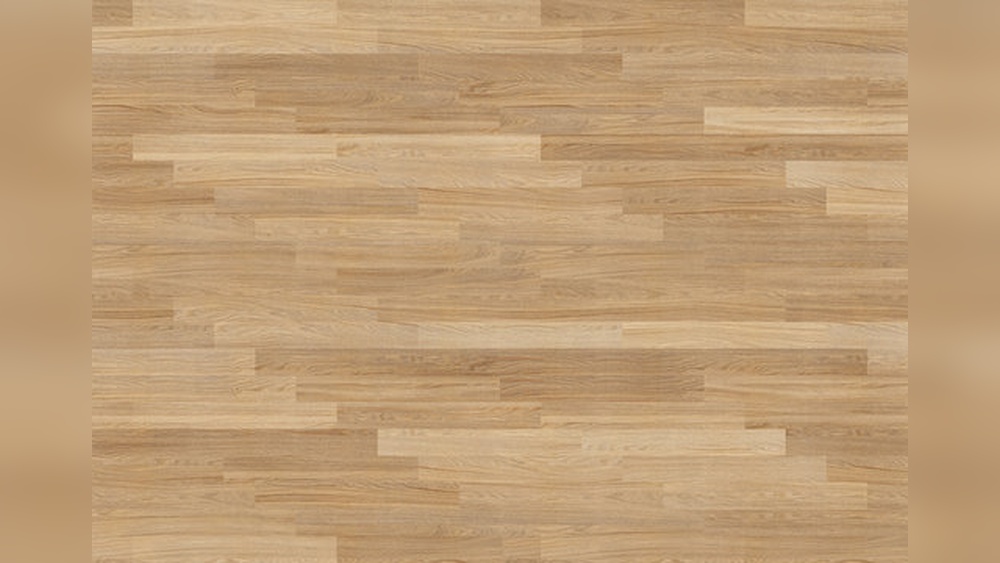

When it comes to designing your space, the floor sets the tone for the entire room. Imagine a floor texture that flows continuously without any visible breaks or awkward seams—this is the magic of seamless floor texture.
It creates a clean, polished look that makes your room feel more spacious and inviting. Whether you’re renovating your home or working on a creative project, understanding seamless floor textures can transform your vision into reality. Keep reading to discover how this simple yet powerful design element can elevate your floors and bring harmony to your space like never before.
Benefits Of Seamless Floor Textures
Seamless floor textures offer many benefits that improve both the look and function of floors. These textures create a smooth, continuous surface that enhances any space. They bring together style and practicality in one solution.
Choosing seamless floor textures can transform ordinary floors into elegant features. They are suitable for homes, offices, and commercial spaces. Below are the key benefits that make seamless floor textures a smart choice.
Enhanced Visual Appeal
Seamless floor textures provide a clean and modern look. The absence of visible joints or seams creates a sleek surface. This uniform appearance makes rooms feel larger and more open.
These textures come in various designs and colors. They can mimic natural materials like wood or stone. This variety allows easy matching with any interior style.
Easy Maintenance
Cleaning seamless floors is simple and quick. Without gaps, dirt and dust have fewer places to collect. Regular sweeping and mopping keep the floor looking new.
These floors resist stains and spills better than traditional options. This feature reduces the time and effort needed for upkeep. It suits busy households and commercial areas well.
Durability And Longevity
Seamless floor textures are built to last. They resist cracks and wear from heavy foot traffic. Their strong surface withstands daily use without damage.
These floors often use high-quality materials that extend their lifespan. Investing in seamless textures means fewer repairs and replacements. This durability saves money over time.
Credit: architextures.org
Popular Seamless Floor Materials
Seamless floor materials create smooth, elegant surfaces without visible joints. These materials enhance room aesthetics and simplify cleaning. Popular options include wood, stone, and tile. Each offers unique textures and durability for various spaces.
Wood And Laminate
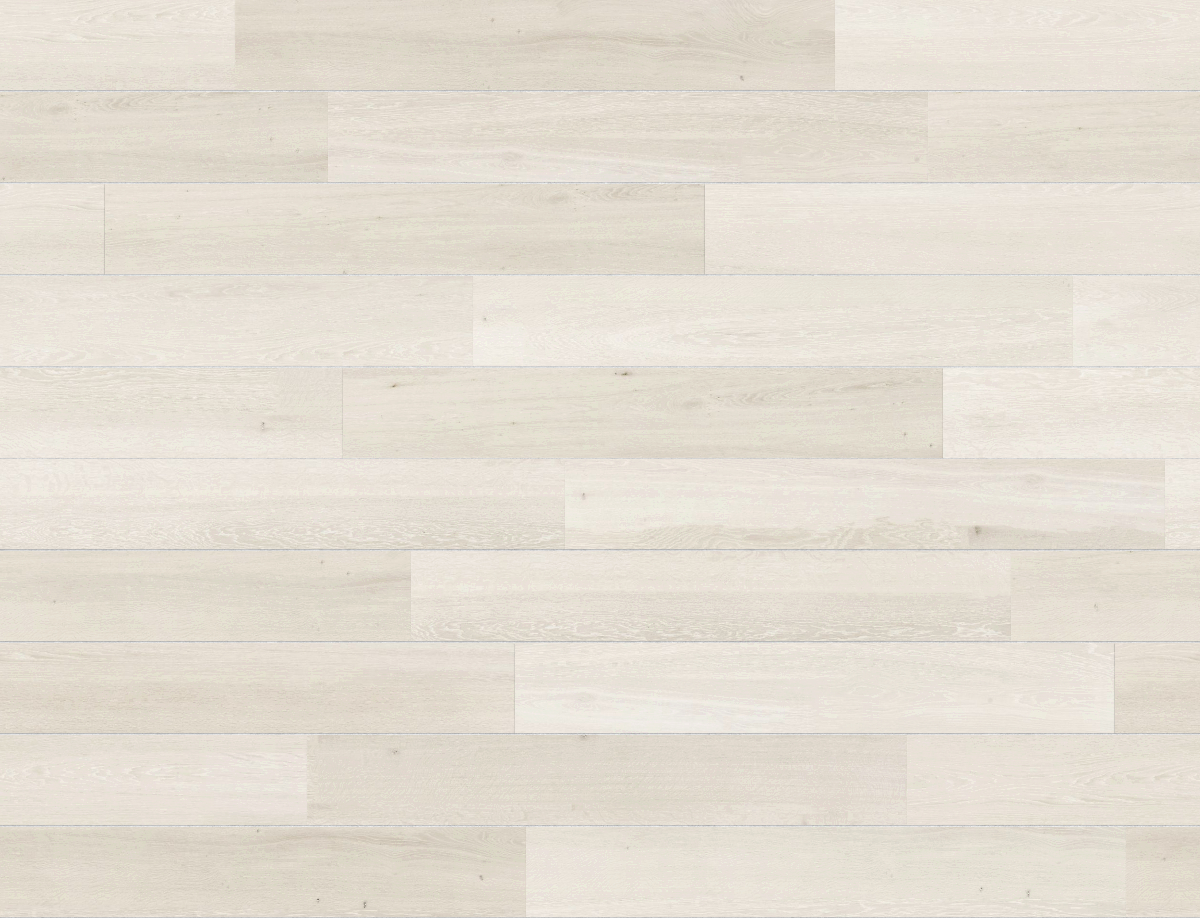
Wood floors provide natural warmth and beauty. They come in many shades and grains. Laminate mimics wood but costs less and resists scratches. Both types offer seamless installation for a sleek look. Wood and laminate floors fit well in living rooms and bedrooms.
Stone And Marble
Stone floors add luxury and durability. Marble offers a polished, glossy finish with unique patterns. These materials are strong and last long. Stone and marble floors suit kitchens, bathrooms, and hallways. Their seamless texture gives an elegant, clean appearance.
Tile And Ceramic
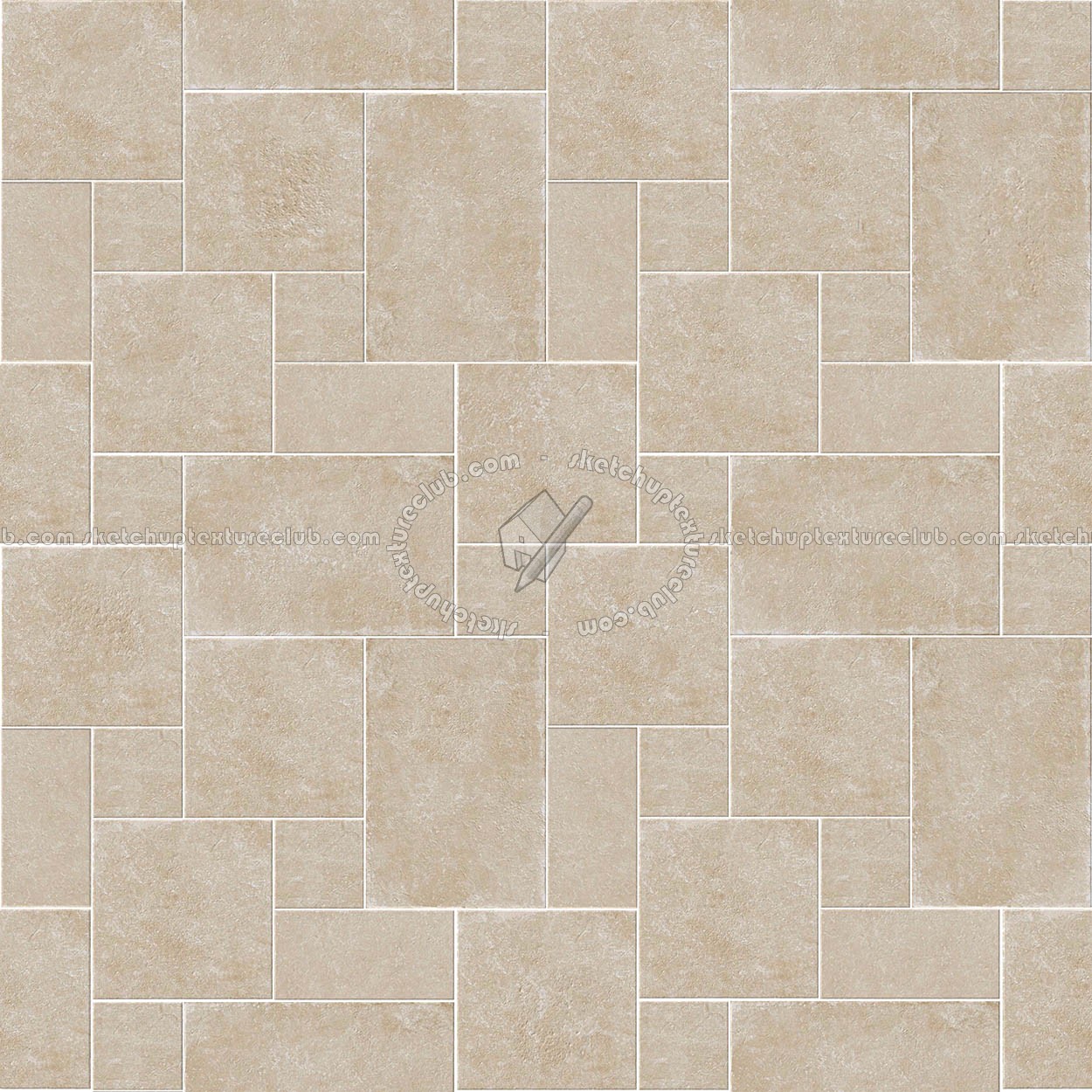
Tiles come in many shapes, colors, and sizes. Ceramic tiles are water-resistant and easy to clean. Seamless tile floors create a uniform look without gaps. These floors work well in bathrooms, kitchens, and entryways. Tiles provide style and practical benefits.
Design Styles To Consider
Choosing the right design style for seamless floor texture can change a room’s entire feel. The pattern and texture guide the eye and set the mood. Simple or intricate, each style adds unique charm and character. Below are popular design styles to consider for seamless flooring.
Herringbone Patterns
Herringbone is a classic pattern with a zigzag layout. It adds movement and visual interest to floors. This style works well in both modern and traditional spaces. Herringbone floors create a sense of depth. They can make rooms appear larger and more elegant.
Geometric Shapes
Geometric patterns offer a contemporary and bold look. Shapes like triangles, hexagons, and diamonds create dynamic floors. These patterns bring energy and playfulness to any room. Geometric designs suit minimalist and artistic interiors alike.
Natural Stone Effects
Natural stone textures mimic marble, granite, and slate floors. They bring a sense of luxury and timeless beauty. Stone effects add organic warmth and subtle color variations. These seamless textures are perfect for creating a refined, earthy atmosphere.
Choosing The Right Texture For Your Space
Choosing the right seamless floor texture transforms your space. The texture affects the room’s look and feel. It also impacts comfort and durability. Understanding how to select the perfect texture helps create a balanced and inviting environment.
Matching Interior Themes
Seamless floor textures must match your interior style. For modern rooms, smooth and sleek textures work well. Rustic spaces benefit from rougher, natural textures like wood grain. Traditional interiors often suit classic patterns or subtle textures. Align the floor texture with furniture and decor for harmony. This creates a cohesive and pleasing atmosphere.
Considering Light And Color
Light and color play a key role in texture choice. Lighter textures reflect more light, making rooms appear bigger. Dark textures absorb light, adding warmth and coziness. Natural light affects how textures look throughout the day. Choose colors and textures that complement your lighting for the best effect. This enhances the room’s mood and style.
Balancing Functionality And Style
Floor texture must balance beauty and use. High-traffic areas need durable, easy-to-clean textures. Softer textures add comfort but may wear faster. Smooth floors can be slippery, so consider safety in wet areas. Style should not compromise function. Pick textures that fit your lifestyle and keep your space attractive and practical.
Installation Techniques
Installing seamless floor texture requires careful planning and precise techniques. Proper installation ensures durability and a flawless finish. Different methods suit various skill levels and project needs. Understanding these techniques helps achieve the best results.
Professional Vs Diy Approaches
Professionals use advanced tools and materials for smooth results. They follow strict guidelines and ensure surface evenness. Their experience helps avoid common mistakes and saves time.
DIY installation suits small areas or simple textures. It requires less expensive tools and basic skills. Homeowners must prepare well and follow instructions closely to get good results.
Preparing The Subfloor
The subfloor must be clean, dry, and free of debris. Any cracks or holes should be repaired before starting. A smooth surface prevents texture irregularities and peeling later.
Remove old flooring or adhesive residues completely. Use a vacuum or broom to clear dust and dirt. Moisture barriers may be necessary in damp areas to protect the floor.
Seamless Application Methods
Common methods include troweling, rolling, or spraying the texture material. Troweling spreads the material evenly and creates subtle patterns. Rolling is faster but may not suit intricate designs.
Spraying offers uniform coverage, especially on large surfaces. Layering the material in thin coats prevents cracking and ensures bonding. Allow each layer to dry before applying the next one.

Credit: www.dreamstime.com
Maintenance Tips For Seamless Floors
Seamless floors offer a sleek look and smooth surface that many homeowners and businesses prefer. To keep these floors looking their best, proper care is essential. Regular maintenance helps preserve their texture and shine, extending the floor’s lifespan.
Understanding the right cleaning methods, ways to prevent damage, and when to perform refinishing or repairs makes a big difference. These steps ensure your seamless floors stay attractive and durable.
Cleaning Best Practices
Use a soft broom or vacuum to remove dust daily. Avoid harsh chemicals that can dull the surface. A mild detergent mixed with warm water works well for mopping. Always use a damp mop, not a wet one, to prevent water damage. Dry the floor quickly after cleaning to avoid stains and slipping hazards.
Preventing Damage
Place mats at entrances to catch dirt and grit. Use felt pads under furniture legs to avoid scratches. Avoid dragging heavy items across the floor. Keep pet nails trimmed to prevent marks. Maintain a stable indoor humidity level to prevent cracks or warping.
Refinishing And Repairs
Inspect your floors regularly for chips or cracks. Small damages can be repaired with appropriate filler or sealant. For worn-out areas, consider professional refinishing to restore the texture. Refinishing enhances the floor’s appearance and protects it from further wear. Act quickly on repairs to avoid costly replacements.
Where To Find Quality Seamless Textures
Finding quality seamless floor textures is key to creating realistic and attractive designs. High-quality textures enhance the look of any floor surface. They help in making digital projects more lifelike and professional.
Various sources offer seamless textures, both online and locally. Choosing the right place depends on your specific needs and budget. Explore different options to find the best textures for your project.
Online Texture Libraries
Online libraries provide a vast collection of seamless floor textures. Many platforms offer free and paid options. These libraries include wood, tile, stone, and concrete textures. Download textures in high resolution for clear and detailed results. Use search filters to find specific styles quickly. Some popular sites are SketchUp Texture Club, Poliigon, and Architextures.
Local Suppliers In Austin, Texas
Austin has several local suppliers offering unique floor textures. Visit flooring stores or design centers for samples and advice. Local suppliers provide textures that match regional styles and materials. Buying locally supports businesses and ensures immediate access to products. Check for suppliers specializing in seamless textures for better quality and selection.
Custom Texture Creation
Custom textures provide a perfect fit for special projects. Hire professionals or studios to create tailored seamless floor textures. This option allows precise control over color, pattern, and material. Custom textures ensure uniqueness and originality in your designs. It may cost more but delivers highly personalized results. Share your vision clearly with the creator for best outcomes.
Credit: www.sketchuptextureclub.com
Inspiration And Trend Highlights
Seamless floor texture is shaping modern interiors with fresh ideas. It blends style and function without visible joints. The texture adds depth and character to any space. Trends show a mix of simplicity, nature, and bold choices. These inspirations guide designers and homeowners alike.
Explore popular trends that bring seamless floor texture to life. Each style offers unique charm and appeal. The choices reflect changing tastes and creativity in flooring design.
Modern Minimalist Designs
Minimalist floors focus on clean lines and smooth surfaces. Seamless textures create a sleek, uncluttered look. Neutral tones like grey, beige, and white dominate. This style enhances natural light and space. It suits contemporary homes and offices perfectly.
Rustic And Natural Looks
Rustic floors bring warmth and a cozy feel. Seamless textures mimic wood grain, stone, or earth. These floors connect indoor spaces with nature. Soft browns, greens, and tans are common colors. This trend suits cabins, farmhouses, and casual living areas.
Bold And Colorful Floors
Bold floors make a striking statement in any room. Seamless textures allow vibrant colors without busy patterns. Bright blues, reds, and yellows energize spaces. This style fits creative studios and lively homes. It offers a playful contrast to neutral walls and furniture.
Tools And Software For Texture Design
Creating seamless floor textures requires the right tools and software. These tools help designers craft patterns that repeat smoothly without visible edges. Choosing the right software can simplify the design process and improve the final result. Many options exist, each offering unique features for texture creation.
Texture Generators
Texture generators create patterns automatically. They help produce seamless designs quickly. These tools often include presets for wood, stone, and tile floors. Users can customize colors, scale, and details easily. Popular texture generators save time and reduce manual work.
3d Modeling Software
3D modeling software builds floor textures in a virtual space. Designers can map textures onto 3D objects to see how they fit. This software allows precise control over texture placement and scale. It also supports exporting textures for games and visualizations. Examples include Blender and Autodesk Maya.
Photo Editing Tools
Photo editing tools refine and perfect seamless textures. They help adjust colors, remove flaws, and create smooth edges. These tools enable designers to clone and blend parts of an image to avoid visible seams. Adobe Photoshop is a common choice for texture editing.
Frequently Asked Questions
What Is Seamless Floor Texture In Design?
Seamless floor texture refers to a continuous, repeating floor pattern without visible edges. It enhances realism in digital design and architectural visualization. This texture type creates smooth, uninterrupted surfaces for wood, tile, or stone floors, improving visual appeal and design accuracy.
How Do Seamless Floor Textures Improve Interior Visuals?
Seamless textures provide uniformity and realism, eliminating distracting edges or mismatched patterns. They create natural-looking floors in 3D models and renderings. This enhances client presentations and design clarity, making spaces appear more polished and professional.
Where Can I Find Free Seamless Floor Textures?
You can find free seamless floor textures on sites like Poly Haven, SketchUp Texture Club, and Freepik. These platforms offer high-quality wood, tile, and stone textures for commercial and personal use, often without requiring a login or subscription.
Can Seamless Floor Textures Be Customized?
Yes, seamless floor textures can be customized in graphic editors. You can adjust color, scale, and pattern density to fit specific design needs. Customization ensures textures match your project’s style and spatial requirements perfectly.
Conclusion
Seamless floor textures enhance any space with smooth, continuous design. They create a clean and modern look, hiding joints and gaps easily. These textures work well for both residential and commercial floors. Choosing the right texture can improve the room’s feel and style.
Easy maintenance and durability make seamless floors a smart choice. They fit different materials like wood, stone, and tile. Simple yet elegant, seamless textures bring harmony to floor surfaces. Consider seamless floor textures to update your floors with style and function.