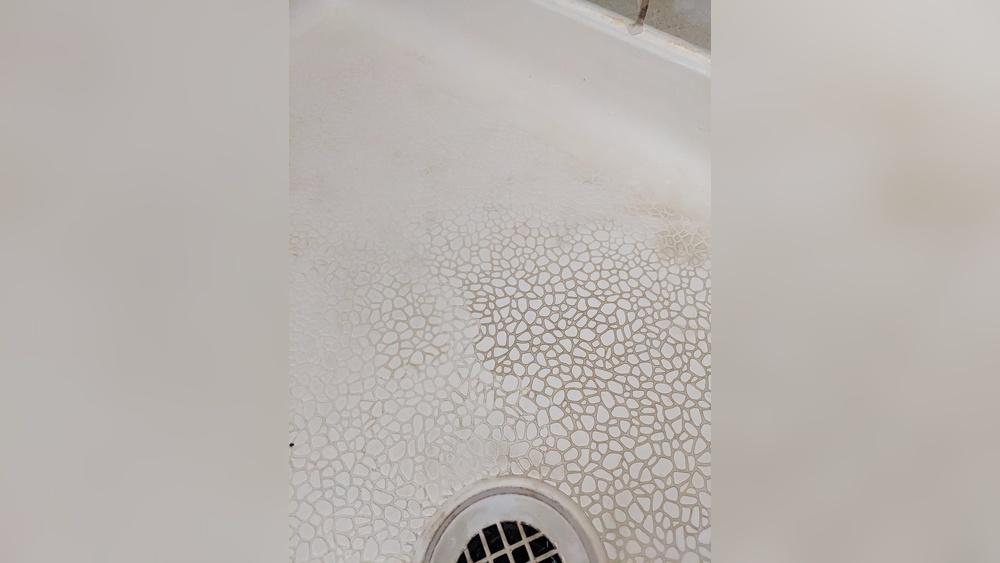

Your textured shower floor might look great, but cleaning it can feel like a tough job. The grooves and bumps that give it grip also trap soap scum, dirt, and mildew, making regular cleaning a challenge.
But don’t worry—getting your shower floor spotless and safe doesn’t have to be hard or time-consuming. In this guide, you’ll discover simple, effective ways to clean your textured shower floor so it shines like new. Keep reading, and you’ll learn tips that save you effort while making your bathroom fresher and healthier.

Credit: www.reddit.com
Choosing The Right Cleaner
Choosing the right cleaner is important for a textured shower floor. The texture traps dirt and soap scum, so a good cleaner must reach all the grooves. Some cleaners can damage the surface or leave residue. Pick a cleaner that cleans well but protects the texture too. Consider natural and chemical options before deciding.
Natural Vs Chemical Options
Natural cleaners are gentle and safe for most surfaces. They use ingredients like vinegar, baking soda, or lemon. These are less likely to cause damage or irritation. Chemical cleaners work faster and can remove tough stains. Some contain bleach or strong acids. Use chemicals carefully to avoid harming the texture or your skin. Test any cleaner on a small area first.
Cream-based Cleaners For Texture
Cream-based cleaners stick well to textured floors. They do not run off quickly. This lets them work deeper on grime and stains. These cleaners are mild yet effective. They often contain mild abrasives that scrub without scratching. Use a soft brush or sponge with cream cleaners. Rinse well to remove all residue for a fresh finish.
Using Vinegar And Baking Soda
Vinegar and baking soda form a simple, natural cleaner. Sprinkle baking soda on the floor first. Then spray or pour vinegar over it. The mixture will bubble and break down dirt. Let it sit for 10 to 15 minutes. Scrub gently with a brush to reach textured areas. Rinse thoroughly with warm water. This method is safe and eco-friendly for regular cleaning.
Essential Tools For Cleaning
Cleaning a textured shower floor requires the right tools for best results. Using proper tools helps remove dirt and grime without damaging the surface. Choosing brushes and cloths suited for textures makes cleaning easier and more effective.
Soft And Stiff Brushes
Soft brushes clean delicate surfaces without scratching. They work well for light dirt and soap scum. Stiff brushes reach deep into grooves and textured areas. They remove tough stains and mildew effectively. Use a mix of both for a thorough clean.
Magic Erasers
Magic erasers are handy for stubborn marks and hard water spots. They scrub gently but powerfully. Their sponge-like texture fits well into textured surfaces. Use them with water only to avoid harsh chemicals. They brighten the floor without extra effort.
Microfiber Towels And Sponges
Microfiber towels trap dirt and moisture efficiently. They dry the floor without leaving streaks. Sponges absorb cleaning solutions and rinse easily. Both are soft on surfaces and reusable. Use them to wipe down and polish after scrubbing.
Preparation Steps
Preparing your textured shower floor for cleaning is essential. Proper preparation makes the cleaning process easier and more effective. It also protects your shower and ensures a thorough clean. Follow these simple steps to get your shower floor ready.
Clearing The Shower Floor
Remove all personal items from the shower floor. Take out shampoo bottles, soap bars, and any mats. Clearing the area prevents obstacles during cleaning. It also helps you reach every textured surface.
Removing Loose Dirt And Debris
Sweep or rinse away loose dirt and hair from the floor. Use a handheld vacuum or a brush to collect debris. This step avoids scratching the floor during scrubbing. It also stops dirt from spreading around while cleaning.
Ventilation And Safety Precautions
Open windows or turn on the bathroom fan for airflow. Good ventilation reduces moisture and clears cleaning fumes. Wear rubber gloves to protect your skin. Keep cleaning products away from eyes and mouth. These safety steps keep you safe during cleaning.

Credit: www.reddit.com
Step-by-step Cleaning Process
Cleaning a textured shower floor requires a careful approach to remove dirt and grime. The texture can trap soap scum and mildew, making cleaning a bit tougher. Follow these clear steps to keep your shower floor spotless and safe. This step-by-step process focuses on applying cleaner, scrubbing effectively, and rinsing thoroughly.
Applying Cleaner Effectively
Choose a cleaner suitable for textured surfaces. Avoid harsh chemicals that may damage the floor. Spray or pour the cleaner evenly across the entire shower floor. Pay special attention to corners and crevices where dirt hides. Let the cleaner sit for 5 to 10 minutes. This time helps to break down soap scum and grime deeply embedded in the texture.
Scrubbing Techniques For Textured Surfaces
Use a soft-bristled brush or sponge with a firm grip. Scrub in small circular motions to reach into grooves and bumps. Avoid metal brushes that might scratch the surface. Apply moderate pressure to lift dirt without damaging the texture. Focus on stained or discolored areas. Reapply cleaner if needed and continue scrubbing until the surface looks clean.
Rinsing And Drying
Rinse the shower floor with warm water thoroughly. Use a handheld showerhead or a bucket to remove all cleaner residue. Any leftover cleaner can cause slipperiness or buildup. After rinsing, dry the floor with a clean towel or mop. Drying prevents water spots and mildew growth. Ensure the floor is completely dry before use to keep it safe and fresh.
Tackling Stubborn Stains
Stubborn stains on textured shower floors can be tough to remove. These floors trap dirt and grime in their grooves. Simple cleaning might not clear these marks. Using the right methods helps restore the floor’s look. This section covers effective ways to tackle tough stains safely.
Using Hydrogen Peroxide
Hydrogen peroxide works well on many shower stains. It breaks down organic stains without harsh chemicals. Pour a small amount on the stain. Let it sit for 10 to 15 minutes. Then scrub gently with a soft brush. Rinse with warm water to remove residue. Repeat if stains remain until the floor looks clean.
Dealing With Soap Scum
Soap scum builds up quickly on textured surfaces. Mix equal parts white vinegar and water in a spray bottle. Spray the solution onto soap scum areas. Let it sit for 5 to 10 minutes. Scrub with a nylon brush or sponge. Rinse thoroughly with warm water. This method breaks down soap scum without damage.
Addressing Mold And Mildew
Mold and mildew thrive in damp showers. Use a bleach solution of one part bleach and three parts water. Apply carefully with a spray bottle. Allow it to sit for 10 minutes. Scrub with a brush to remove growth. Rinse well to avoid bleach residue. Always wear gloves and ensure good ventilation.
Preventive Maintenance Tips
Preventive maintenance helps keep a textured shower floor clean and safe. Dirt and soap scum build up faster on textured surfaces. Regular care stops grime from settling deep into the texture. Simple habits make cleaning easier and extend the floor’s life.
Regular Cleaning Schedule
Clean the shower floor at least twice a week. Use a soft brush or sponge to reach textured areas. Avoid letting soap scum and dirt dry on the surface. Quick cleaning prevents stubborn stains and buildup. Set a reminder to keep the routine steady.
Avoiding Harsh Chemicals
Harsh cleaners damage the texture and finish of the shower floor. Steer clear of bleach, ammonia, and abrasive powders. Use gentle, pH-balanced cleaners made for bathroom surfaces. Natural options like vinegar or baking soda work well. Always test cleaners on a small spot first.
Keeping The Floor Dry
Moisture encourages mold and mildew growth on textured floors. After each shower, use a squeegee or towel to remove water. Good ventilation speeds up drying time. A dry floor reduces slipping risks and keeps grime away. Make drying the floor part of your cleaning habit.
Special Considerations For Fiberglass And Porcelain
Textured shower floors need careful cleaning based on their material. Fiberglass and porcelain each require special care. Using the wrong cleaner or method can cause damage. Understanding these differences helps keep your shower floor safe and clean.
Cleaning Fiberglass Shower Floors
Fiberglass floors are delicate and prone to scratching. Avoid harsh scrubbing or abrasive tools. Use a soft sponge or cloth for cleaning. Mild soap mixed with warm water works best. Baking soda can help remove stains gently. Apply it with a damp cloth and rub softly. Rinse well to remove all soap and residue. Never use bleach or ammonia on fiberglass. These chemicals can cause discoloration and damage the surface.
Handling Porcelain Textured Tiles
Porcelain tiles are tougher but still need care. Use a non-abrasive cleaner safe for porcelain surfaces. Avoid acidic cleaners like vinegar that can wear the glaze. A mix of mild detergent and water cleans well. Use a soft brush to reach textured grooves. This helps remove dirt without scratching. Rinse thoroughly to prevent soap buildup. Dry the floor with a clean towel to avoid water spots.
Credit: www.youtube.com
Frequently Asked Questions
How To Clean Textured Fiberglass Shower Floor With Baking Soda?
Sprinkle baking soda on the textured fiberglass shower floor. Scrub gently using a damp soft brush. Rinse thoroughly with warm water. Repeat if needed. This method removes grime without damaging the surface.
Are Textured Shower Trays Hard To Clean?
Textured shower trays can be slightly harder to clean due to grooves. Use a soft brush and mild cleaner to remove dirt effectively. Regular cleaning prevents buildup and keeps the surface fresh and safe. Avoid harsh chemicals to maintain texture and durability.
How Do You Clean The Bottom Of A Textured Bathtub?
Use a cream-based cleaner and a soft scrub brush. Gently scrub the textured bottom to remove dirt. Rinse thoroughly with water.
How To Clean Rough Textured Tile Floors In Bathroom?
Sweep or vacuum loose dirt first. Mix warm water with mild detergent. Scrub tiles using a stiff-bristle brush. Rinse thoroughly with clean water. For tough grime, apply hydrogen peroxide before scrubbing. Dry floor with a microfiber cloth to prevent slip hazards.
Repeat weekly for best results.
Conclusion
Cleaning a textured shower floor need not be hard or time-consuming. Use gentle scrubbing with the right cleaners to remove dirt and buildup. Regular cleaning keeps your shower safe and looking fresh. Avoid harsh chemicals that can damage the texture.
Small efforts often lead to big improvements. Keep your routine simple and consistent for the best results. A clean shower floor feels good and lasts longer. Remember, patience and care are key to a spotless textured surface.