
Are you looking to transform your space with a floor that’s not only durable but also smooth and visually stunning? Epoxy floor seamless texture could be exactly what you need.
Imagine stepping onto a sleek, flawless surface that feels as good as it looks—no cracks, no joints, just pure, continuous beauty. Whether it’s for your home, garage, or business, this type of flooring offers a stylish finish that’s easy to clean and built to last.
You’ll discover why seamless epoxy floors are becoming the top choice for so many, how they can enhance your space, and what you should know before making the switch. Ready to give your floors a fresh new look? Let’s dive in!
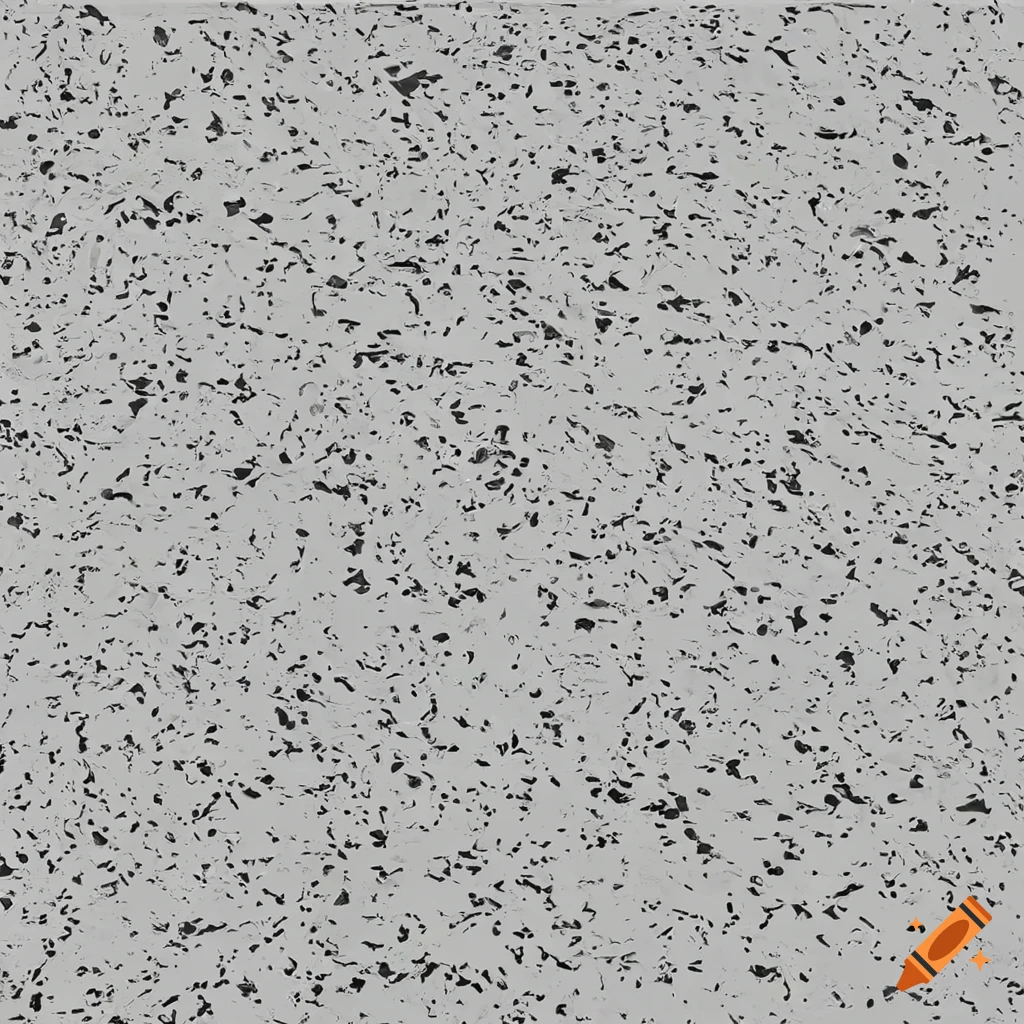
Credit: www.craiyon.com
Epoxy Floor Basics
Epoxy floor seamless texture offers a smooth, durable surface that fits many spaces. It combines strength with an attractive finish. This makes it popular for homes and businesses alike.
Understanding the basics of epoxy flooring helps in choosing the right option. Learn what epoxy floors are, their benefits, and where they work best.
What Is Epoxy Flooring
Epoxy flooring is a coating made from resin and hardener. These two parts mix to form a strong, plastic-like surface. It sticks well to concrete and other floors.
The result is a seamless layer that resists stains, water, and wear. It can have a shiny or textured finish. This type of floor looks clean and modern.
Benefits Of Seamless Epoxy Floors
Seamless epoxy floors have no joints or cracks. This reduces dirt and bacteria buildup. Cleaning and maintenance become easier and faster.
The surface resists chemicals, spills, and heavy foot traffic. It lasts longer than many other floor types. Epoxy floors also improve safety by adding slip resistance.
Common Applications
Epoxy floors appear in many places. Factories and warehouses use them for durability. Hospitals and labs choose epoxy for cleanliness and hygiene.
Retail stores and offices select epoxy floors for their sleek look. Even homes use epoxy in garages and basements. The versatility fits both commercial and residential needs.
Types Of Seamless Textures
Epoxy floor seamless textures offer a variety of styles to suit different needs and aesthetics. These textures enhance durability and add visual appeal without visible joints or seams. Choosing the right texture depends on the floor’s purpose and the desired look.
Smooth And Glossy Finishes
Smooth and glossy epoxy floors provide a sleek, shiny surface. This finish reflects light well, brightening the space. It is easy to clean and ideal for areas requiring a polished look. Perfect for showrooms, offices, and modern homes.
Textured And Anti-slip Surfaces
Textured epoxy floors improve safety by reducing slips. These finishes have a rougher surface, offering better grip. Ideal for garages, workshops, and industrial spaces. They combine durability with functional safety features.
Flake And Chip Patterns
Flake and chip epoxy floors include small decorative pieces embedded in the coating. These add color and depth to the surface. They hide dirt and imperfections well. Commonly used in commercial spaces and residential garages for a stylish look.
Metallic And Granite Looks
Metallic epoxy floors create a shimmering, three-dimensional effect. Granite looks mimic natural stone with speckled patterns. Both options add luxury and uniqueness to any floor. Suitable for high-end homes, hotels, and retail stores.
Preparation Steps
Proper preparation is vital for a smooth and durable epoxy floor with seamless texture. Each step sets the stage for a flawless finish. Skipping any part can lead to peeling or uneven surfaces. Follow these steps carefully to ensure the best results.
Surface Cleaning And Repair
Start by removing all dirt, dust, and grease from the floor. Use a strong cleaner and scrub the surface well. Any oil spots must be completely cleaned. After cleaning, check for loose debris or old paint. Remove these materials to create a solid base for the epoxy.
Filling Cracks And Joints
Inspect the floor for cracks and joints. Use a high-quality filler to seal these gaps. This step prevents the epoxy from sinking or cracking later. Smooth the filler to match the floor level. Let it dry fully before moving to the next step.
Priming For Adhesion
Apply a primer to improve epoxy bonding. The primer seals porous surfaces and increases adhesion strength. Use a roller or brush for even coverage. Allow the primer to dry as per instructions. Proper priming reduces chances of peeling and enhances durability.
Application Techniques
Applying epoxy floors with a seamless texture requires careful attention to detail. The right techniques ensure a smooth, durable finish. Proper preparation and methodical application help avoid common issues like bubbles and uneven surfaces. Below are key steps to apply epoxy coatings effectively.
Mixing Epoxy Components
Start by mixing the resin and hardener. Follow the manufacturer’s recommended ratio exactly. Stir slowly to avoid trapping air bubbles. Mix for at least three to five minutes. Use a clean container and a sturdy mixing stick. Proper mixing ensures the epoxy cures evenly and hardens properly.
Spreading And Rolling Methods
Pour the mixed epoxy onto the floor in small sections. Use a notched squeegee to spread it evenly. Work quickly before the epoxy begins to set. After spreading, use a long-handled roller to smooth the surface. Roll in one direction to maintain uniformity. This method reduces streaks and air pockets.
Incorporating Flakes Or Chips
Sprinkle decorative flakes or chips while the epoxy is still wet. Distribute them evenly for a consistent look. Use a broadcast technique by tossing flakes in a circular motion. This adds texture and hides minor imperfections. Wait until the flakes set before applying a clear topcoat.
Achieving A Uniform Texture
Maintain a wet edge when spreading the epoxy to avoid lap marks. Use a spiked roller to remove trapped air bubbles gently. Check lighting to spot uneven areas during application. Apply multiple thin layers instead of one thick coat. This creates a smooth, seamless finish that lasts long.
Curing And Finishing
The curing and finishing stage is vital for epoxy floor seamless texture. It determines the floor’s strength and appearance. Proper care during this phase ensures a smooth, durable surface that lasts long.
Patience and attention to detail during curing and finishing avoid common issues like bubbles or uneven texture. This step locks the epoxy in place and prepares it for daily use.
Drying Times And Conditions
Drying time depends on temperature and humidity. Ideal conditions are warm, dry air between 60°F and 80°F. Lower temperatures slow curing, while high humidity can cause cloudiness.
Typically, the epoxy dries to touch in 6 to 12 hours. Full curing takes 5 to 7 days. Avoid heavy traffic during this period to prevent damage.
Topcoat Options
Applying a topcoat improves shine and protection. Clear epoxy topcoats enhance gloss and resist stains. Polyurethane topcoats offer extra chemical resistance and UV protection.
Matte or satin topcoats reduce glare and hide minor imperfections. Choose a topcoat based on the floor’s use and desired finish.
Enhancing Durability
Adding fillers like silica or quartz during finishing boosts strength. These materials create a harder, more scratch-resistant surface. Proper mixing and application ensure even texture and protection.
Regular maintenance after curing helps preserve the epoxy’s durability. Clean spills quickly and avoid harsh chemicals to keep floors looking new.

Credit: www.istockphoto.com
Color And Design Choices
Choosing the right color and design for epoxy floor seamless texture impacts the room’s overall look. These floors offer smooth, uniform surfaces without visible joints. This feature allows a wide range of colors and patterns. It creates a clean, modern feel or a warm, inviting space depending on the choices made.
The variety of options helps match different tastes and room purposes. From soft pastels to bold hues, the choices fit many styles. Patterns can be simple or complex, adding character to any floor. The design possibilities make epoxy floors popular in homes, offices, and commercial spaces alike.
Popular Color Palettes
Neutral colors like gray, beige, and white are common for epoxy floors. They create a sleek, timeless look that suits many spaces. Darker shades, such as charcoal or navy, add depth and sophistication.
Bright colors like blue, green, or red bring energy and life to a room. Pastel tones offer soft, calming vibes perfect for bedrooms or lounges. Metallic finishes reflect light and add a subtle shimmer to floors.
Creating Custom Patterns
Custom patterns make floors unique and visually interesting. Swirls, speckles, or flakes add texture without breaking the seamless effect. Stencils and tape can create geometric shapes or stripes.
Marbling techniques mimic natural stone for a luxurious finish. Layering different colors produces depth and movement on the floor. These options allow personalization to fit any taste or theme.
Matching Interior Styles
Epoxy floors can complement many interior designs. Modern and minimalist spaces benefit from solid, neutral colors. Industrial styles pair well with dark tones and metallic effects.
Traditional or rustic rooms look great with earth tones and natural patterns. Bright, colorful floors suit playful or creative environments. Choosing the right floor color and design ties the room together perfectly.
Maintenance Tips
Maintaining an epoxy floor with a seamless texture keeps it looking fresh and durable. Proper care extends the floor’s life and preserves its shine. Simple steps help avoid common problems like stains and scratches. Follow these maintenance tips to keep your floor in top shape.
Routine Cleaning
Sweep the floor daily to remove dust and dirt. Use a soft broom or dust mop for best results. Mop the floor with warm water and a mild detergent weekly. Avoid harsh cleaners that can damage the epoxy surface. Dry the floor with a clean cloth to prevent water spots.
Preventing Scratches And Stains
Place felt pads under furniture legs to stop scratches. Avoid dragging heavy objects across the floor. Clean spills immediately to prevent staining. Use rugs or mats in high traffic areas. Choose mats without rubber backings to avoid discoloration.
Repairing Minor Damage
Small chips or cracks can be fixed with epoxy repair kits. Clean the damaged area before applying the repair material. Follow the product instructions carefully for best results. Sand lightly after drying to blend the repair with the floor. Regular checks help catch damage early and keep the floor flawless.
Cost Factors
Understanding the cost factors of epoxy floor seamless texture helps you plan better. Several elements affect the overall price. These include materials, labor, and the long-term value of the flooring. Each plays a key role in determining the final investment.
Material Expenses
Material costs vary depending on the type of epoxy used. Higher quality resins and additives increase durability and appearance. Decorative flakes or pigments add to the price but improve the floor’s look. Surface preparation materials like primers and sealers also add to expenses.
Labor Considerations
Labor costs depend on the project size and complexity. Skilled workers charge more for precise, seamless finishes. Surface condition affects labor time; uneven floors require extra work. Proper curing time must be factored in to avoid rushed jobs and poor results.
Long-term Value
Epoxy floors resist stains, cracks, and wear for many years. This reduces repair and replacement costs over time. The seamless texture prevents dirt buildup, lowering maintenance expenses. Durable floors also improve safety and appearance, adding value to your property.
Common Challenges
Epoxy floor seamless texture offers a smooth, attractive finish that enhances any space. Despite its benefits, installing and maintaining these floors comes with challenges. Understanding these common issues helps ensure a durable, beautiful surface. Here are some frequent problems encountered with epoxy floors.
Avoiding Visible Seams
One key goal is a seamless look. Visible seams break the smooth appearance. Seams often appear where epoxy layers meet. Proper surface preparation is essential to minimize these lines. Skilled application and timing prevent overlaps. Using the right tools helps blend edges well. Careful attention during installation reduces seam visibility.
Handling Slippery Surfaces
Epoxy floors can become slippery, especially when wet. This poses safety risks in homes and businesses. Adding texture to the epoxy surface improves grip. Non-slip additives or aggregates increase traction. Proper floor finish balances shine with safety. Regular cleaning removes dust that can cause slips. Choosing the right texture keeps floors safe and stylish.
Dealing With Floor Imperfections
Floors often have cracks, holes, or uneven areas before epoxy application. These imperfections affect the final texture and durability. Filling cracks and smoothing surfaces is necessary. Uneven floors require leveling compounds for a flat base. Proper repair work prevents flaws from showing through. Careful prep work ensures a flawless epoxy finish.

Credit: www.shutterstock.com
Choosing Professionals Vs Diy
Choosing between hiring professionals and doing epoxy floor seamless texture yourself can be tough. Both options have clear benefits. Professionals bring experience and tools, while DIY saves money and offers control.
Careful thought helps you decide the best path for your project. Consider your skills, time, and the floor condition. Understanding the key points below guides you in making the right choice.
When To Hire Experts
Call experts for large or complex floors. They ensure smooth, durable, and even finishes. Professionals handle surface prep and repair properly. They use advanced tools and techniques. This saves time and avoids costly mistakes. Experts also guarantee safety and compliance with local rules.
Tools And Materials For Diy
DIY requires specific tools like rollers, squeegees, and grinders. Use quality epoxy resin and primers. Prepare the floor by cleaning and repairing cracks. Mixing epoxy carefully is key for a seamless look. Buy safety gear such as gloves and masks. Follow product instructions closely to get good results.
Safety Precautions
Epoxy chemicals can irritate skin and lungs. Work in a well-ventilated area. Wear gloves, goggles, and a mask. Avoid direct contact with the epoxy mix. Keep children and pets away during application. Store materials safely after use. Proper cleanup prevents accidents and health issues.
Frequently Asked Questions
What Is Epoxy Floor Seamless Texture?
Epoxy floor seamless texture creates a smooth, uniform surface without visible joints. It enhances durability and aesthetic appeal. This texture is ideal for both residential and commercial spaces, offering easy maintenance and a modern look.
How Durable Is Epoxy Seamless Flooring?
Epoxy seamless floors are highly durable and resistant to wear, chemicals, and moisture. They withstand heavy foot and vehicle traffic, making them perfect for industrial, commercial, and residential use. Proper installation ensures long-lasting performance.
Can Epoxy Seamless Texture Improve Floor Safety?
Yes, epoxy seamless textures can be customized with anti-slip additives. This reduces slip hazards, especially in wet or oily environments. The textured surface enhances traction while maintaining a sleek, seamless appearance.
What Colors And Designs Are Available For Epoxy Floors?
Epoxy flooring offers a wide range of colors and designs, including metallic, granite, and terrazzo effects. You can customize the texture with flakes or chips for a unique seamless look that complements your interior style.
Conclusion
Epoxy floor seamless texture offers a smooth, durable finish for any space. It resists stains and wears well over time. This flooring style improves cleaning and looks great in homes and businesses. Choosing the right texture can enhance safety by preventing slips.
Easy to maintain, it saves time and effort daily. Many colors and designs fit different tastes and needs. Overall, epoxy floors provide a practical, stylish surface that lasts long. Consider epoxy seamless texture for a strong, attractive floor solution.