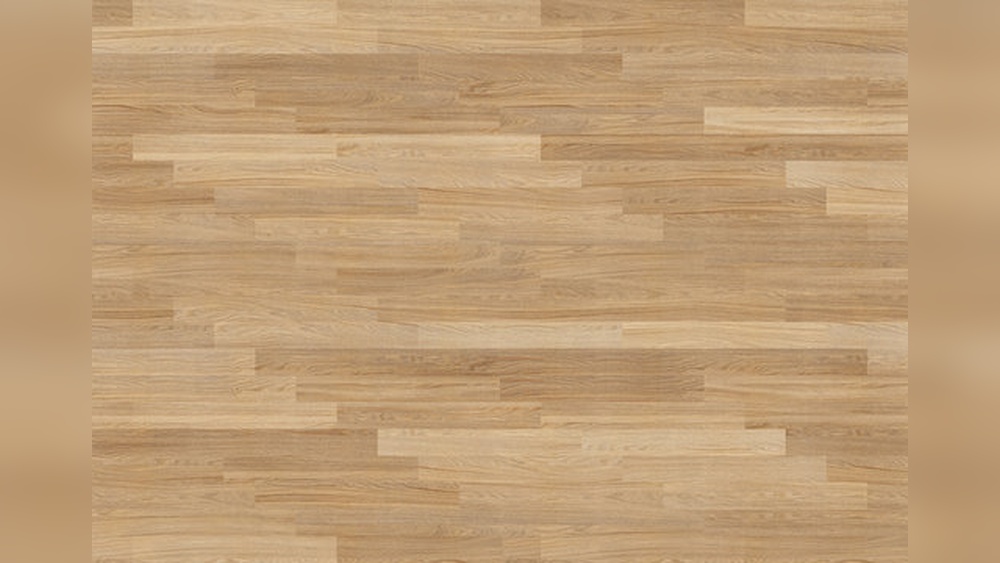

Are you looking to add warmth and character to your home or workspace? Wooden floor textures might be exactly what you need.
They bring a natural beauty that can transform any room, making it feel cozy, elegant, or rustic—depending on the style you choose. But with so many options like smooth oak, distressed pine, or intricate herringbone patterns, how do you pick the right texture for your floors?
You’ll discover the key types of wooden floor textures, how they affect the look and feel of your space, and tips to choose the perfect one for your style and needs. Keep reading to unlock the secrets of wooden floor textures and make your floors truly stand out.
Types Of Wooden Floor Textures
Wooden floor textures offer variety and style to any room. Different textures create unique looks and feelings underfoot. Choosing the right texture can enhance your home’s charm and comfort.
Here are some popular types of wooden floor textures. Each type changes the wood’s appearance and touch.
Smooth And Polished Finishes
Smooth floors have a sleek, shiny surface. They feel soft and even to walk on. Polished finishes highlight the wood’s natural grain and color. These floors are easy to clean and look modern in any space.
Wire Brushed And Hand Scraped
Wire brushed floors have small grooves from a wire brush tool. This texture adds depth and character. Hand scraped floors show marks made by hand tools. They give a rustic, handcrafted look that adds warmth.
Distressed And Weathered Looks
Distressed textures create an aged, worn appearance. They include scratches, dents, and color variations. Weathered floors look like they have been naturally worn by time. Both styles add history and charm to a room.
Beveled And Embossed Patterns
Beveled edges create a small groove around each plank. This adds dimension and highlights the shape of the wood. Embossed patterns have raised designs pressed into the surface. These floors bring texture and visual interest to any space.
Popular Wood Grain Patterns
Wooden floor textures offer a unique charm to any space. The patterns in the wood grain bring character and warmth. Popular wood grain patterns create visual interest and style. These designs vary from classic to modern, fitting different tastes and interiors.
Herringbone And Chevron Designs
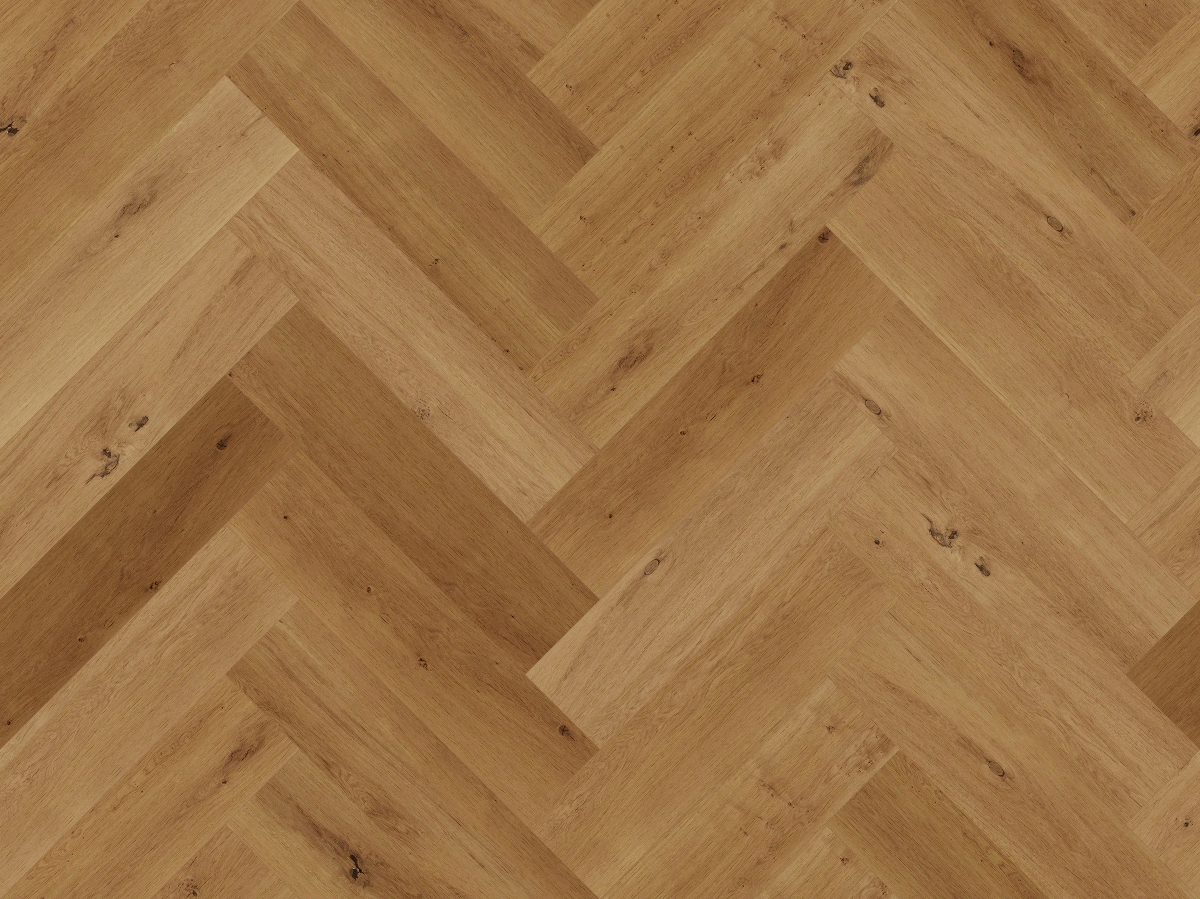
Herringbone and chevron are striking wood grain patterns. They feature short planks arranged in a V shape. Herringbone has staggered ends, while chevron’s ends meet precisely. Both add movement and elegance to floors. These patterns work well in living rooms and hallways.
Parquet And Geometric Styles
Parquet flooring uses small wood pieces to form geometric patterns. Squares, triangles, and other shapes fit together tightly. This style gives floors a decorative and artistic look. Parquet is often found in classic and luxury homes. It suits formal spaces like dining rooms and offices.
Traditional Plank Layouts
Traditional plank layouts display long, straight wood boards. These planks run parallel to each other across the floor. The grain patterns are visible and natural. This simple design highlights the wood’s beauty and texture. It fits almost any room style, from rustic to modern.
Rustic And Reclaimed Wood Textures
Rustic and reclaimed wood textures show natural wear and knots. The wood looks aged, with cracks and color variations. This style adds warmth and a cozy feel to spaces. It works great in cabins, farms, or homes with a vintage touch. Each plank tells a story through its texture.
Choosing Wood Species For Texture
Choosing the right wood species shapes the texture and feel of wooden floors. Each species offers unique grain patterns, hardness, and colors. These factors affect the floor’s look and durability. Understanding wood types helps pick textures that match any style or use.
Oak And Maple Variations
Oak wood displays a coarse, open grain with strong texture. It often features prominent rays and knots. Maple has a smoother, tighter grain and fewer imperfections. Oak provides a rustic, natural look. Maple suits modern, clean designs. Both woods are durable and resist wear well.
Walnut And Cherry Characteristics
Walnut has a rich, dark tone with a straight grain and fine texture. It creates an elegant and warm atmosphere. Cherry wood ages beautifully, turning deeper red over time. Its grain is smooth with subtle waves. Both woods offer softness in texture but strong visual appeal.
Exotic Hardwoods Options
Exotic hardwoods like teak, mahogany, and jatoba stand out for unique textures. Teak features oily, dense grain that repels moisture. Mahogany shows a deep, reddish-brown color with fine grain. Jatoba offers a bold, varied pattern with high durability. These woods add character and richness to floors.
Softwood Choices And Benefits
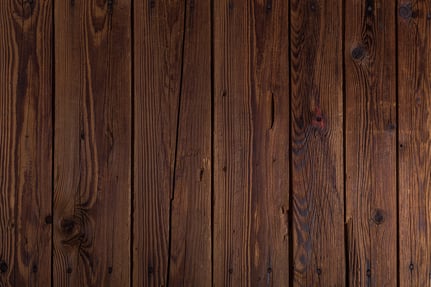
Softwoods such as pine and fir have lighter, more uniform grains. They create a cozy, rustic texture. Softwoods are easier to install and cost less than hardwoods. They show dents and scratches more easily but can be sanded and refinished often. Softwood floors suit casual and warm interiors.
Credit: castlebespokeflooring.com
Color And Finish Effects
Wooden floor textures come alive through their colors and finishes. These choices shape the room’s mood and style. Different tones and finishes highlight wood grain and add unique character. Selecting the right color and finish can brighten or deepen your space.
Natural And Light Tones
Natural and light tones keep floors bright and airy. Soft beiges, pale oaks, and light maples show wood’s true beauty. They make rooms feel larger and more open. These tones suit modern and minimalist styles well. Light colors hide dust and scratches better than dark ones.
Dark And Rich Stains
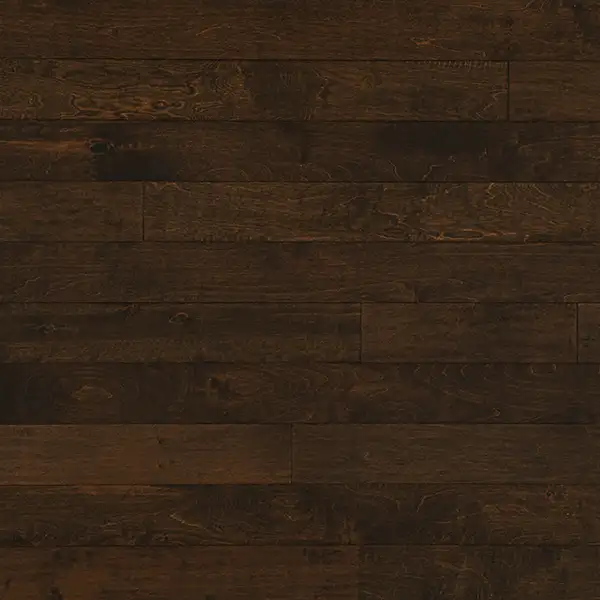
Dark and rich stains bring warmth and elegance. Deep browns, mahogany, and espresso create a cozy atmosphere. They highlight wood grain patterns with bold contrast. Dark stains work well in traditional and rustic spaces. These tones add a sense of luxury but show dust more easily.
Oiled And Matte Finishes
Oiled and matte finishes offer a natural, soft look. They enhance wood texture without shine. These finishes feel smooth and warm underfoot. Matte surfaces hide scratches and wear better over time. Oiled floors need regular care to keep their natural charm.
Glossy And Reflective Surfaces
Glossy and reflective surfaces add brightness and drama. They reflect light, making rooms look larger and lively. High gloss floors highlight wood patterns with clear detail. These finishes suit modern and high-end interiors. Glossy floors require frequent cleaning to maintain their shine.
Combining Textures With Interior Styles
Wooden floor textures bring depth and warmth to any room. Combining these textures with different interior styles creates unique and inviting spaces. Choosing the right wood texture enhances the room’s overall look. It reflects the style and mood you want to achieve.
Modern And Minimalist Spaces
Smooth, light-colored wood floors suit modern and minimalist rooms. They add brightness and clean lines without distraction. Matte finishes work well, avoiding shine that breaks the calm. Simple grain patterns keep the focus on furniture and space.
Rustic And Country Charm
Rough, natural wood textures fit rustic and country interiors. Wide planks with knots and cracks add character. Warm, earthy tones bring comfort and a cozy feel. A distressed or hand-scraped finish enhances the authentic look.
Industrial And Urban Themes
Dark, weathered wood floors blend well with industrial styles. They match metal and concrete elements perfectly. Textures with visible grain and wear give a lived-in vibe. Pairing wood with steel or brick creates a balanced contrast.
Classic And Traditional Rooms
Rich, polished hardwood floors suit classic and traditional rooms. Deep colors like mahogany or cherry add elegance. Herringbone or parquet patterns increase the room’s sophistication. Smooth finishes reflect light softly, complementing ornate furniture.
Credit: architextures.org
Maintenance Tips For Wooden Floors
Wooden floors add warmth and style to any room. Proper care keeps their beauty for years. Knowing how to maintain different wood textures helps preserve their natural look. Follow simple tips to clean, protect, and restore your floors effectively.
Cleaning Techniques For Different Textures
Each wood texture needs special cleaning methods. Smooth surfaces require gentle sweeping or vacuuming. Avoid harsh brushes that can scratch the floor. For textured or grooved wood, use a soft brush to remove dirt from crevices. Damp mop with a mild cleaner made for wood floors. Do not use excessive water as it can damage the wood. Dry floors immediately after cleaning to prevent moisture buildup.
Protecting Floors From Wear And Tear
Place rugs or mats at entrances to catch dirt and grit. Use felt pads under furniture legs to avoid scratches. Avoid walking on floors with high heels or cleats. Keep pet nails trimmed to prevent damage. Maintain a stable indoor humidity level to stop wood from expanding or shrinking. Regularly check for loose boards or gaps and fix them quickly.
Restoring And Refinishing Options
Over time, wood floors may lose their shine or get scratched. Light sanding can remove surface imperfections. Apply a fresh coat of finish to restore color and protection. Use products suitable for your floor’s texture and finish type. For deep damage, consider professional refinishing. This process renews the floor’s surface and extends its life.
Preventing Damage And Scratches
Avoid dragging heavy furniture across floors. Lift and carry items to move them safely. Clean spills immediately to prevent stains and water damage. Use protective floor coatings that increase resistance to scratches. Regularly inspect floors for signs of wear and act quickly. Simple habits help keep wooden floors looking new longer.
Innovative Texture Trends
Wooden floor textures are evolving with fresh and creative ideas. These new trends focus on style and sustainability. They bring life to any room with unique patterns and finishes. Innovative textures enhance the natural beauty of wood while adding personality to spaces.
Eco-friendly And Sustainable Materials
Eco-conscious choices shape the future of wooden flooring. Reclaimed wood and rapidly renewable resources gain popularity. These materials reduce waste and protect forests. Natural finishes that avoid harmful chemicals improve indoor air quality. Choosing sustainable wood helps the planet without losing style.
3d And Digital Wood Textures
Technology blends with tradition in 3D wood textures. Digital printing creates realistic grain patterns on floors. These designs offer depth and detail impossible with standard finishes. 3D textures add a modern touch while keeping the warmth of wood. They allow unique customization for every room.
Mixing Materials For Unique Looks
Combining wood with other materials creates striking floors. Stone, metal, and resin inserts add contrast and interest. These mixed textures break the monotony of plain wood. They fit well in contemporary and eclectic interiors. The result is a floor that stands out and tells a story.
Custom And Artisan Floor Designs
Handcrafted floors showcase skill and creativity. Artisans use traditional techniques to craft detailed patterns. Custom designs reflect personal style and cultural influences. These floors become focal points in homes and businesses. Each piece tells a unique story through its texture and finish.
Credit: forestaccents.com
Frequently Asked Questions
What Are The Popular Types Of Wooden Floor Textures?
Popular wooden floor textures include wire brushed, hand scraped, beveled, distressed, and smooth sanded. Each texture offers a unique look and feel, enhancing the character of any space with natural warmth and depth.
How Do Wooden Floor Textures Affect Room Aesthetics?
Wooden floor textures add visual interest and dimension. They can make a room feel cozy, rustic, or elegant depending on the texture chosen. Textured floors also help hide scratches and wear over time.
Which Wooden Floor Textures Are Best For High-traffic Areas?
Wire brushed and distressed textures are ideal for high-traffic areas. Their rough surfaces hide dirt and scratches better than smooth finishes, maintaining a cleaner and more durable appearance longer.
Can Wooden Floor Textures Influence Home Value?
Yes, quality wooden floor textures can increase home value. They add timeless beauty and durability, attracting buyers who appreciate craftsmanship and unique design elements in flooring.
Conclusion
Wooden floor textures add warmth and character to any space. They come in many styles and finishes to fit your taste. Choosing the right texture helps create a cozy and inviting room. Natural grains and patterns bring life to plain floors.
Regular care keeps wooden floors looking fresh and beautiful. Explore different textures to find what suits your home best. Wood floors remain a timeless choice for style and comfort. Enjoy the natural beauty and charm wood textures provide.