
If you have a small bathroom, you know how tricky it can be to make the space feel open and comfortable. A doorless shower design might be just what your bathroom needs to breathe easier.
By removing bulky doors and barriers, you create a seamless flow that makes your room look bigger and more inviting. But how do you keep water from splashing everywhere? And what styles work best in tight spaces? You’ll discover smart doorless shower ideas that solve these challenges while giving your bathroom a fresh, modern look.
Keep reading to find easy, stylish solutions that turn your small bathroom into a spacious retreat.

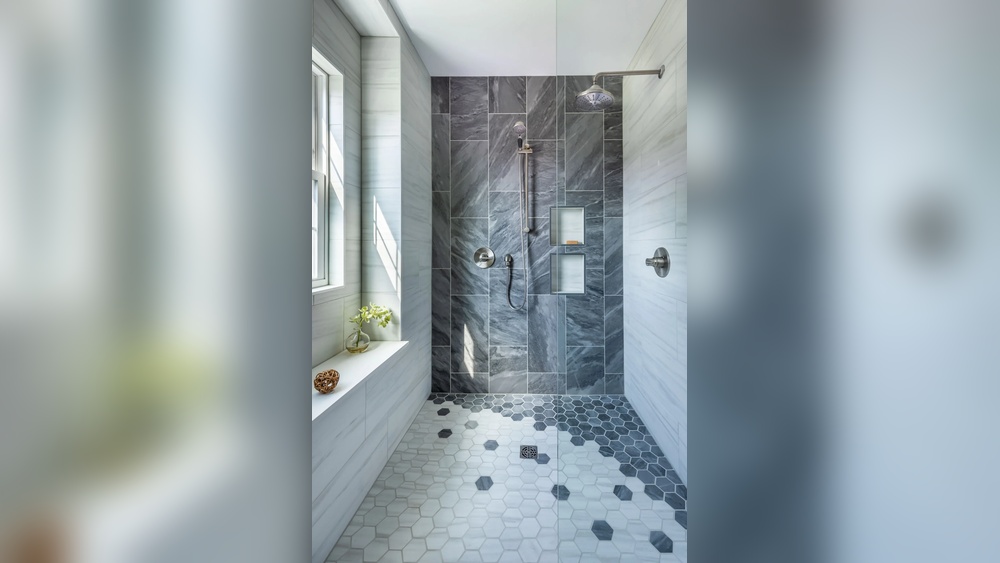
Credit: www.housebeautiful.com
Benefits Of Doorless Showers
Doorless showers offer many benefits for small bathrooms. They create a sense of openness and make the room feel larger. Removing the door reduces visual barriers, giving a clean and simple look. Many homeowners prefer doorless designs to improve both function and style.
These showers also allow better movement and easier cleaning. They fit well in tight spaces, making the bathroom more comfortable. Below, explore key benefits of doorless showers for small bathrooms.
Maximizing Space In Small Bathrooms
Doorless showers save space by removing bulky doors. Without a door frame, the shower blends into the room. This design frees up floor area and walking space. The open layout helps avoid cramped feelings. Small bathrooms look bigger and more inviting with doorless showers.
Enhancing Bathroom Aesthetics
Doorless showers add a modern and sleek appearance. The clear view of tiles and fixtures shows off bathroom style. They bring a minimalist look without clutter. Light flows easily, brightening the entire room. This design suits many decor themes and colors.
Improved Accessibility And Safety
Without doors, entering the shower is easier for everyone. No need to open or close barriers saves effort. This design reduces tripping hazards from tracks or thresholds. It also supports users with limited mobility. Doorless showers promote safer, more comfortable bathing experiences.
Popular Doorless Shower Styles
Doorless showers create a sleek and spacious feel in small bathrooms. They remove bulky doors and barriers, opening up the area visually. This design choice makes tight spaces feel larger and more inviting. Popular doorless shower styles blend practicality and style to suit various bathroom layouts.
Alcove Walk-in Showers
Alcove walk-in showers fit perfectly between three walls. One side remains open, offering easy entry without a door. This style keeps water contained with a slight floor slope and wall placement. Its compact design suits small bathrooms well. Alcove showers provide a clean, modern look that maximizes space.
Open-concept Wet Rooms
Wet rooms eliminate shower enclosures entirely. The entire bathroom floor is waterproof and slopes to a drain. This style creates an airy, open feeling with no barriers. Wet rooms work well in very small bathrooms by using every inch efficiently. They require good drainage and water-resistant materials to prevent damage.
Partial Glass Enclosures
Partial glass enclosures use a single glass panel to block water spray. They keep the shower area open while controlling splashes. This option adds a touch of elegance without closing off the space. Partial glass works well in narrow bathrooms where full enclosures feel too tight. It balances openness with function.
Water Containment Techniques
Water containment is essential in doorless shower designs, especially for small bathrooms. Without proper control, water can easily splash and cause slippery floors or damage. Simple techniques help keep water inside the shower area. These methods work well without taking up much space or requiring a full shower door.
Shower Screens And Partial Enclosures
Shower screens are clear glass panels that block water spray. Partial enclosures cover part of the shower space, leaving the entrance open. They provide a barrier without closing off the shower entirely. These options maintain an open feel but reduce water splashing outside the shower zone.
Weighted Shower Curtains
Weighted shower curtains hang inside the shower area and prevent water from escaping. The weights keep the curtain in place even during water flow. They are flexible, easy to install, and cost-effective. This technique works well in small bathrooms where space is limited.
Shower Splash Guards And Barriers
Shower splash guards are small, raised edges placed at the shower entrance. They act as a physical barrier to water flow. Some designs are removable or foldable for convenience. These barriers help guide water toward the drain, keeping floors dry and safe.
Floor And Drain Solutions
Floor and drain solutions are key to making doorless showers work well in small bathrooms. Proper drainage keeps water where it belongs. It prevents slipping and water damage. The floor design also guides water flow effectively. Smart choices here improve safety and comfort. Small spaces need precise planning to avoid water spreading.
Proper Floor Slope Design
The floor must slope toward the drain. A slope between 1% and 2% works best. This means a drop of 1/8 to 1/4 inch per foot. Water flows quickly to the drain without pooling. The slope should be smooth and even. Avoid dips or flat areas that trap water. This design helps keep the bathroom dry and safe.
Collapsible Water Dams
Collapsible water dams stop water from leaving the shower area. They are flexible strips placed on the floor edge. When not in use, they fold down flat. This keeps the space open and easy to clean. During a shower, they lift to block water. These dams are ideal for doorless showers in tight spaces.
Threshold Seals And Trench Drains
Threshold seals create a small barrier at the shower entrance. They prevent water from flowing out. Made from rubber or silicone, they fit flush with the floor. Trench drains run along the shower edge. They collect water and channel it away fast. Both options help control water in doorless shower designs.
Shower Fixtures And Accessories
Choosing the right shower fixtures and accessories can greatly improve a doorless shower’s function in small bathrooms. These elements help control water flow and keep the area safe and dry. Smart selections make a small bathroom feel more spacious and neat.
Anti-splash Showerheads
Anti-splash showerheads reduce water spray beyond the shower area. They help keep the bathroom floor dry and prevent slips. These showerheads often have adjustable settings to control water pressure and direction. Their design minimizes water waste while enhancing comfort during showers.
Absorbent Mats With Non-slip Backing
Absorbent mats catch excess water right outside the shower space. Mats with non-slip backing ensure safety by preventing falls on wet floors. Choosing quick-dry materials helps maintain cleanliness and reduces mold risk. These mats add comfort and protect your small bathroom from water damage.
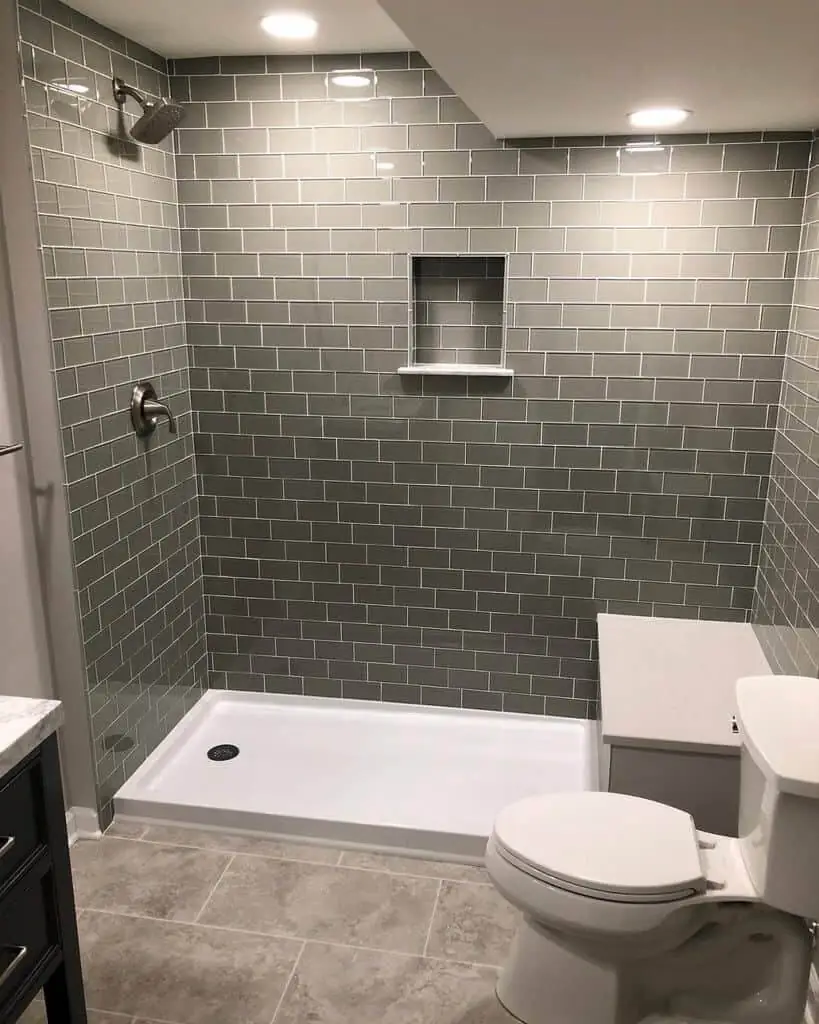
Credit: eamobility.com
Design Tips For Small Bathrooms
Designing a small bathroom with a doorless shower requires smart choices. Every detail counts to make the space feel larger and comfortable. Small bathrooms often lack room for bulky fixtures. A doorless shower creates an open feel but needs thoughtful design. Use these tips to enhance space and style without clutter.
Choosing Materials And Finishes
Pick light colors for walls and floors to brighten the room. Glossy tiles reflect light and add depth. Large tiles reduce grout lines, making the space look cleaner and bigger. Clear glass or minimal glass panels keep the shower area open. Avoid heavy patterns that can crowd the small space.
Lighting Strategies To Enhance Openness
Use bright, natural-style lighting to open up the room. Recessed lights save ceiling space and avoid clutter. Add a window or skylight if possible for sunlight. Mirrors reflect light and create a sense of depth. Place lights near the shower to reduce shadows and increase brightness.
Storage Solutions That Save Space
Use built-in shelves or niches inside the shower wall. These hold toiletries without extra bulk. Install slim, vertical cabinets to maximize wall space. Hooks and racks keep towels off the floor. Choose multi-functional furniture, like a bench with storage inside, to keep the bathroom tidy.
Installation And Maintenance Advice
Installing and maintaining a doorless shower in a small bathroom requires careful planning. Proper installation ensures safety and durability. Regular maintenance keeps the shower area clean and functional. This section offers clear advice on installation choices and upkeep methods. It helps bathroom owners make informed decisions and maintain their doorless showers easily.
Professional Vs Diy Installation
Professional installation guarantees precise fitting and waterproofing. Experts handle plumbing and tiling with care. They reduce risks of leaks or water damage. Hiring a pro saves time and stress.
DIY installation may lower costs but needs skills. Careful measuring and leveling are critical. Using quality materials prevents future repairs. Beginners should consider tutorials and guides before starting.
Cleaning And Upkeep Tips
Clean the shower area regularly to avoid mold and mildew. Use mild, non-abrasive cleaners to protect surfaces. Wipe down glass panels and tiles after each use. Keep drains clear to prevent water pooling.
Check seals and grout lines monthly for cracks. Repair any damage promptly to avoid leaks. Ventilate the bathroom well to reduce humidity. Simple upkeep extends the life of a doorless shower.
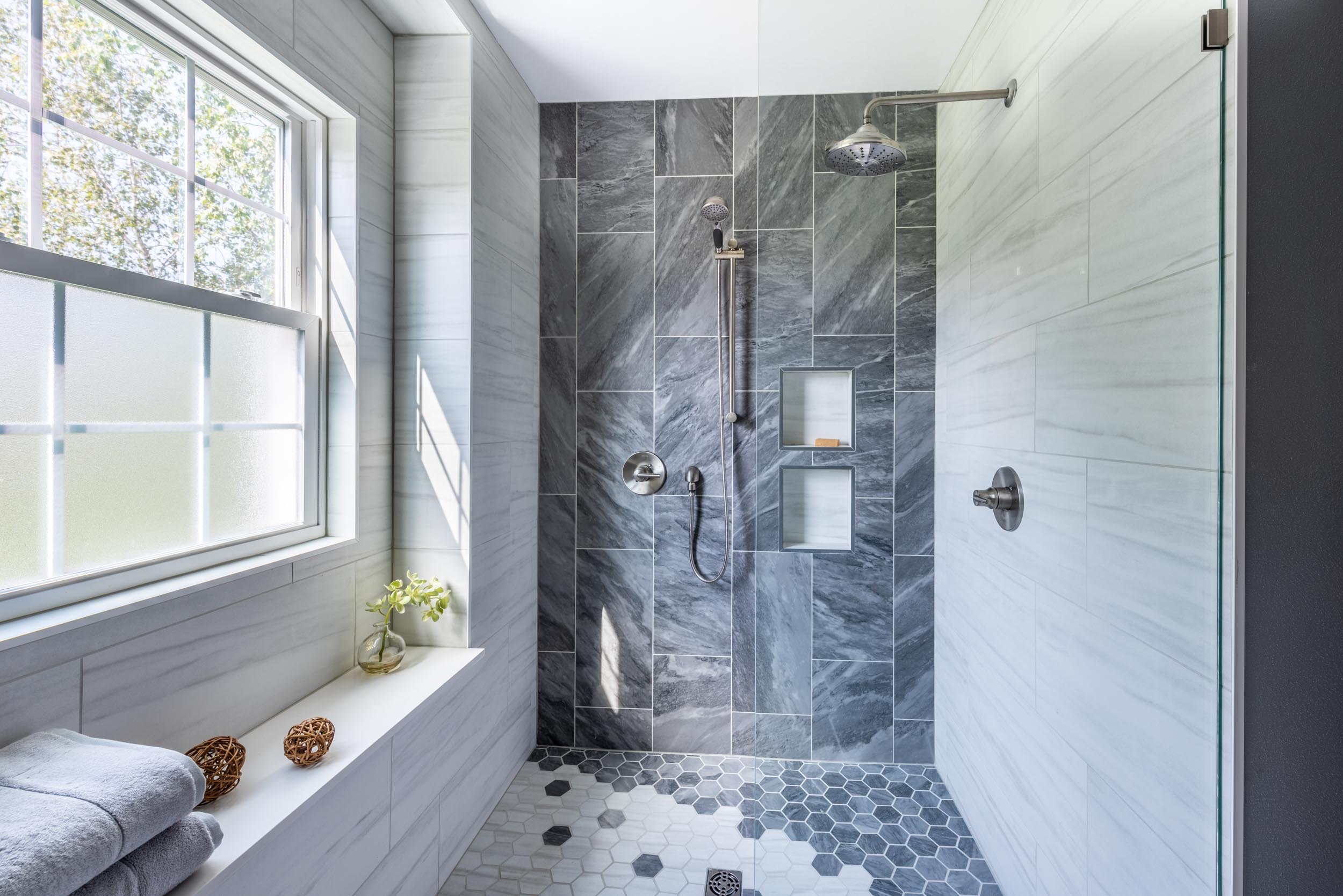
Credit: degnandesignbuildremodel.com
Accessibility Considerations
Accessibility is a key factor in designing doorless showers for small bathrooms. It ensures everyone can use the shower safely and comfortably. Thoughtful planning helps remove obstacles and creates a smooth experience for all users. This section covers important accessibility considerations that improve functionality.
Barrier-free Shower Access
Doorless showers offer easy entry without doors or steps. This barrier-free design suits people with limited mobility. It also benefits those carrying children or using mobility aids. A level floor and wide opening make access simple and safe. Sloped floors guide water to drains, reducing slip risks. This design maximizes space in small bathrooms while keeping the shower open and inviting.
Safety Features For All Users
Safety is vital for doorless showers. Installing grab bars provides support during entry and exit. Non-slip flooring reduces the chance of falls. Shower seats offer rest options for users needing extra help. Good lighting helps users see clearly and avoid accidents. These features combine to create a secure shower space for everyone, regardless of age or ability.
Frequently Asked Questions
Can You Do A Doorless Shower In A Small Bathroom?
Yes, you can install a doorless shower in a small bathroom. It creates an open, spacious feel and maximizes space efficiently. Proper drainage and splash guards help keep water contained without a door.
What Is The Best Shower Style For A Small Bathroom?
The best shower style for a small bathroom is a doorless walk-in shower. It maximizes space and creates an open, airy feel. Alcove showers fit well between three walls, allowing easy access and a sleek look with frameless glass or curtains.
How Do You Keep Water In A Doorless Shower?
Use a partial glass screen, weighted curtain, or splash guard to block water. Ensure the floor slopes toward the drain. Install a collapsible water dam or threshold seal at the entrance. These methods keep water inside a doorless shower while maintaining an open design.
What Are Showers Without Doors Called?
Showers without doors are called doorless showers or walk-in showers. They offer an open, spacious feel and easy access.
Conclusion
Doorless shower designs create a sense of space in small bathrooms. They remove bulky doors, making the room feel open and bright. Simple barriers like shower screens or curtains help keep water inside. Choosing the right layout and materials improves both style and function.
These designs combine modern looks with practical use. Small bathrooms can feel larger and more comfortable with doorless showers. Embrace this trend to make the most of limited space.