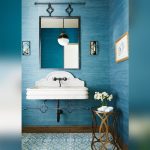
Imagine stepping into a bathroom that instantly melts away your stress and transforms your daily routine into a calming ritual. That’s exactly what Japan bathroom design offers you—a perfect blend of simplicity, functionality, and serene beauty.
If you’ve ever wondered how to create a space that feels like a personal spa, yet is practical for everyday use, this style holds the key. You’ll discover the unique features of Japanese bathrooms, why they stand out from typical designs, and how you can bring their peaceful elegance into your own home.
Ready to rethink your bathroom? Let’s dive into the world of Japan bathroom design and uncover ideas that could change the way you relax forever.

Credit: edwardgeorgelondon.com
Japanese Bath Layout
Japanese bath layouts show a unique approach to comfort and hygiene. Their design separates functions into distinct spaces. This setup makes bathing both relaxing and practical. The layout supports a clean and peaceful environment. It reflects Japan’s deep respect for water and cleanliness.
Two-room Design
The Japanese bath usually has two rooms. The first room is for washing and undressing. It has a stool and a handheld shower. People wash outside the tub to keep the water clean. The second room contains a deep soaking tub. This tub is for relaxing after washing. This separation keeps the bathwater pure for longer use.
Separate Toilet Area
The toilet is often in a different room altogether. This design helps keep odors and germs away from the bath area. It also allows more privacy and convenience. Multiple people can use the bathroom and toilet at the same time. This layout fits well in small homes or busy families.
Wet And Dry Zones
Japanese bathrooms clearly divide wet and dry zones. The wet zone includes the shower and tub area. The dry zone is the space for dressing and washing hands. This division prevents water from spreading everywhere. It keeps floors safer and reduces cleaning time. The clear zones improve overall bathroom hygiene and comfort.
Key Features Of Japanese Bathrooms
Japanese bathrooms blend practicality with calmness. Their design focuses on comfort, cleanliness, and efficient use of space. Each element supports relaxation and daily hygiene in smart ways. Understanding these key features helps appreciate why Japanese bathrooms inspire many designs worldwide.
Deep Soaking Tubs
Deep soaking tubs, or “ofuro,” offer a unique bathing experience. They are deeper than Western tubs, allowing full body immersion. Typically made from wood or modern materials, they retain heat well. Bathers soak after cleaning outside the tub, promoting hygiene. The design encourages relaxation and muscle relief.
Waterproof Wet Rooms
Japanese bathrooms use waterproof wet rooms where the entire area can get wet. This design simplifies cleaning and prevents water damage. Floors have drains, and walls resist moisture. It allows showering outside the tub without worry. The wet room concept maximizes space and functionality.
Efficient Shower Spaces
Showers in Japanese bathrooms are compact and highly functional. They often include a handheld showerhead and a small stool for sitting. Users wash thoroughly before entering the tub to soak. The design saves water and space while maintaining cleanliness. Shower areas blend seamlessly with the wet room setup.
Materials And Aesthetics
Japanese bathroom design is known for its careful choice of materials and refined aesthetics. The materials used create a peaceful, natural atmosphere. They also ensure durability and ease of maintenance. The aesthetic focuses on simplicity and harmony, blending nature with modern convenience.
Natural Wood Elements
Wood is a key material in Japanese bathrooms. It adds warmth and a natural feel to the space. Cedar and cypress are popular choices for their water resistance and aroma. Wooden bath stools and tubs bring a spa-like quality. The natural grain of wood creates a calming visual texture. Over time, wood ages beautifully, enhancing the bathroom’s charm.
Minimalist Color Palettes
Colors in Japanese bathrooms tend to be soft and neutral. Whites, light grays, and earthy tones dominate the palette. These colors create a clean and spacious look. They also promote a sense of calm and relaxation. The minimalist color scheme supports the overall simplicity of the design. It allows natural materials to stand out without distraction.
Use Of Stone And Tile
Stone and tile are essential for durability and style. Smooth river stones often line the floors or bath edges. These stones provide texture and slip resistance. Tiles come in subtle shades and natural finishes. They offer easy cleaning and water protection. The combination of stone and tile balances nature with practicality in the bathroom design.
Japandi Style Integration
Japandi style blends Japanese simplicity with Scandinavian warmth. This fusion creates calm and inviting bathroom spaces. It balances function and beauty perfectly.
The style focuses on clean lines, natural materials, and a peaceful atmosphere. Japandi style suits modern bathroom designs well. It helps create a relaxing retreat at home.
Combining Japanese And Scandinavian Design
Japanese design emphasizes minimalism and nature. Scandinavian design values coziness and practicality. Japandi merges these ideas to form a unique style. Both styles avoid clutter and focus on essentials. The bathroom feels open and serene with this blend.
Hygge And Minimalism
Hygge means comfort and warmth in Danish culture. Minimalism highlights simplicity and space in Japanese culture. Together, they bring calmness to the bathroom. Soft lighting and simple decor create a cozy feel. The room stays tidy and peaceful.
Natural Textures And Straight Lines
Wood, stone, and bamboo bring nature indoors. Straight lines add structure and order to the space. Japandi bathrooms often use these materials and shapes. This mix results in a balanced and elegant look. Natural textures soften the clean lines, making the space warm.
Innovative Technology
Japan leads the world in bathroom technology. Innovations make daily routines easier and more comfortable. These smart designs blend technology with tradition. They show how future bathrooms can look and work. Technology also saves energy and space. It creates a peaceful place to relax.
Smart Toilets And Controls
Smart toilets are common in Japan. They offer heated seats for cold mornings. Many have built-in bidet functions for cleanliness. Sensors open and close the lid automatically. Some models play soft sounds for privacy. Controls are easy to use, often with a remote. These toilets improve hygiene and comfort.
Automated Bath Systems
Automated baths fill with water at the perfect temperature. You can set the time to start filling. Some systems keep the water warm for hours. They also drain and clean themselves after use. This technology saves time and water. It creates a spa-like experience at home.
Energy Efficiency Features
Energy-saving features are part of bathroom design. Water flow sensors reduce waste by controlling pressure. LED lighting uses less electricity but stays bright. Many devices run on low power or use timers. Efficient ventilation systems improve air quality. These features protect the environment and reduce bills.

Credit: colleenknowles.com
Creating A Spa-like Atmosphere
Creating a spa-like atmosphere in a Japanese bathroom brings calm and relaxation. The design focuses on simplicity and natural elements. It transforms the bathroom into a peaceful retreat. Every detail helps to reduce stress and promote well-being.
Incorporating Plants And Greenery
Plants add life and freshness to the space. Bamboo, ferns, and small bonsai trees fit well. They improve air quality and create a natural vibe. Place plants near the bathtub or on shelves. Greenery softens hard surfaces and adds color.
Ambient Lighting Ideas
Soft, warm lighting creates a soothing mood. Use dimmable lights or lantern-style fixtures. Paper or rice paper lamps add a gentle glow. Avoid harsh, bright lights that disturb relaxation. Lighting should mimic natural light for calmness.
Aromatherapy And Sound
Essential oils like lavender or eucalyptus enhance relaxation. Use diffusers or scented candles for gentle aroma. Add soft sounds like flowing water or nature sounds. These elements reduce tension and create a peaceful environment. Together, aroma and sound complete the spa feel.
Space-saving Solutions
Japanese bathroom design uses clever space-saving solutions. These ideas fit small areas while keeping comfort and style. Every inch counts in Japanese homes. Bathrooms often are compact but feel open and neat.
Space-saving methods focus on smart fixtures, doors, and storage. These elements work together to make bathrooms highly functional. The design keeps clutter away and makes daily routines easy.
Compact Fixtures
Compact fixtures are small but efficient. Toilets, sinks, and showers take less room without losing quality. Wall-mounted toilets save floor space and make cleaning easier. Small sinks fit into corners or narrow walls. Showers often use glass panels to create a roomy feel.
Sliding Doors
Sliding doors replace swinging ones to save space. They slide along the wall, needing no clearance to open. This design allows more room for fixtures and movement. Sliding doors also add a modern, minimal look to the bathroom.
Multi-functional Storage
Storage in Japanese bathrooms is smart and hidden. Cabinets often have multiple shelves or compartments. Some use vertical space with tall, slim cabinets. Hooks and racks keep towels and tools organized. Multi-functional storage keeps the bathroom tidy and easy to use.

Credit: www.motokyo.com
Cultural Influences On Design
Japanese bathroom design reflects the country’s deep-rooted culture. Every element connects to traditions and daily life. The design goes beyond aesthetics. It embraces rituals, philosophy, and nature. These cultural influences shape the unique and calming spaces seen in Japan.
Japanese Rituals And Bathing Habits
Bathing in Japan is a sacred daily ritual. It is not just about cleaning the body. It refreshes the mind and soul. People first wash outside the tub to keep the water pure. The deep soaking tub allows for relaxation and meditation. This habit influences bathroom layout and fixtures, creating a space for peace and care.
Zen And Simplicity
Zen philosophy drives the design’s minimalism. Clutter is avoided to create calmness. Clean lines and simple shapes dominate the space. Neutral colors and natural materials add warmth. This simplicity helps the user focus on tranquility. The bathroom becomes a place to clear thoughts and find balance.
Connection To Nature
Nature plays a vital role in Japanese bathrooms. Wood, stone, and bamboo are common materials. Large windows or skylights bring natural light and views inside. Plants often decorate the space to add life and freshness. This connection creates harmony between indoors and outdoors. It enhances relaxation and well-being.
Frequently Asked Questions
What Is A Japanese Bathroom Layout Like?
A Japanese bathroom has two rooms: one for undressing with a sink, and a waterproof room with a shower and deep bathtub. The toilet usually stays in a separate room. This layout supports cleanliness and efficient use of space.
What Is A Japanese Style Bathroom Called?
A Japanese style bathroom is called a “Furo” or “Ofuro. ” It features a deep soaking tub and a separate shower area.
What Is A Japandi Style Bathroom?
A Japandi style bathroom blends Japanese minimalism with Scandinavian warmth. It features natural materials, simple colors, and clean lines for a calm, functional space.
Why Are Japanese Bathrooms Different?
Japanese bathrooms separate showering and soaking areas for cleanliness and relaxation. They waterproof entire rooms for wet use. Toilets are often in separate rooms. This design emphasizes hygiene, efficiency, and a spa-like experience unique to Japanese culture.
Conclusion
Japanese bathroom design blends simplicity, function, and calmness well. Its focus on clean lines and natural materials creates peace. Small spaces become comfortable and efficient with smart layouts. Adding features like deep soaking tubs offers true relaxation. These designs inspire a mindful daily routine and self-care.
Embracing this style can refresh your bathroom and mood. Try simple changes to bring a Japanese touch home. Experience how thoughtful design improves everyday life quietly and beautifully.