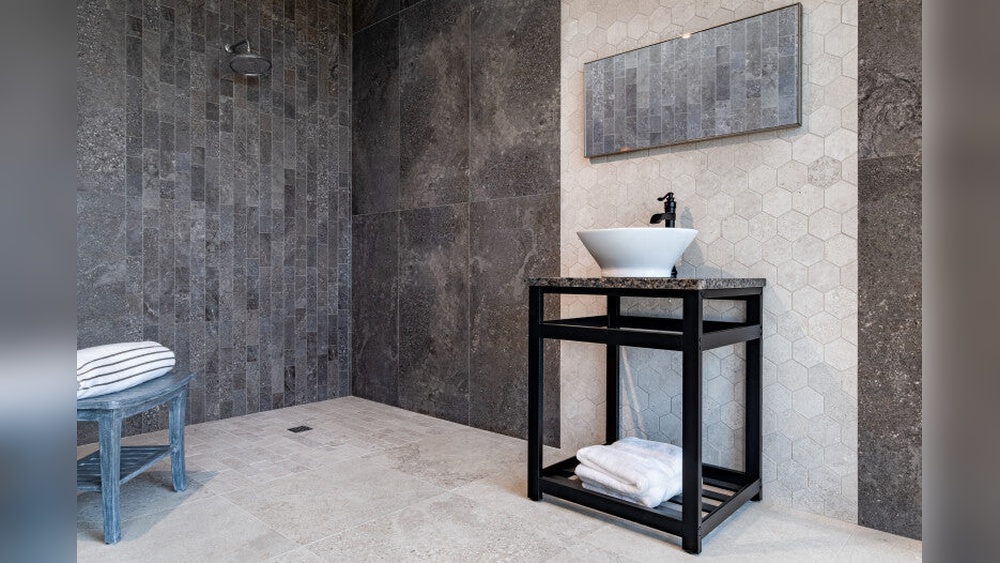

Choosing the perfect bathroom tile can feel overwhelming. You want a style that fits your taste, a material that lasts, and colors that brighten your space—all without breaking your budget.
But what if you could make confident choices that transform your bathroom into a stunning, comfortable retreat? This guide will walk you through essential design tips for choosing bathroom tile, helping you avoid common mistakes and find the right balance of beauty and function.
Keep reading to discover how simple decisions about tile size, color, texture, and layout can make your bathroom truly shine. Your dream bathroom starts here.
Tile Size And Layout
Choosing the right tile size and layout is key to shaping your bathroom’s look and feel. Tiles affect space perception, style, and maintenance. Picking the best size and pattern creates balance and harmony. Small changes in tile arrangement make a big difference in how your bathroom feels.
Large Vs Small Tiles
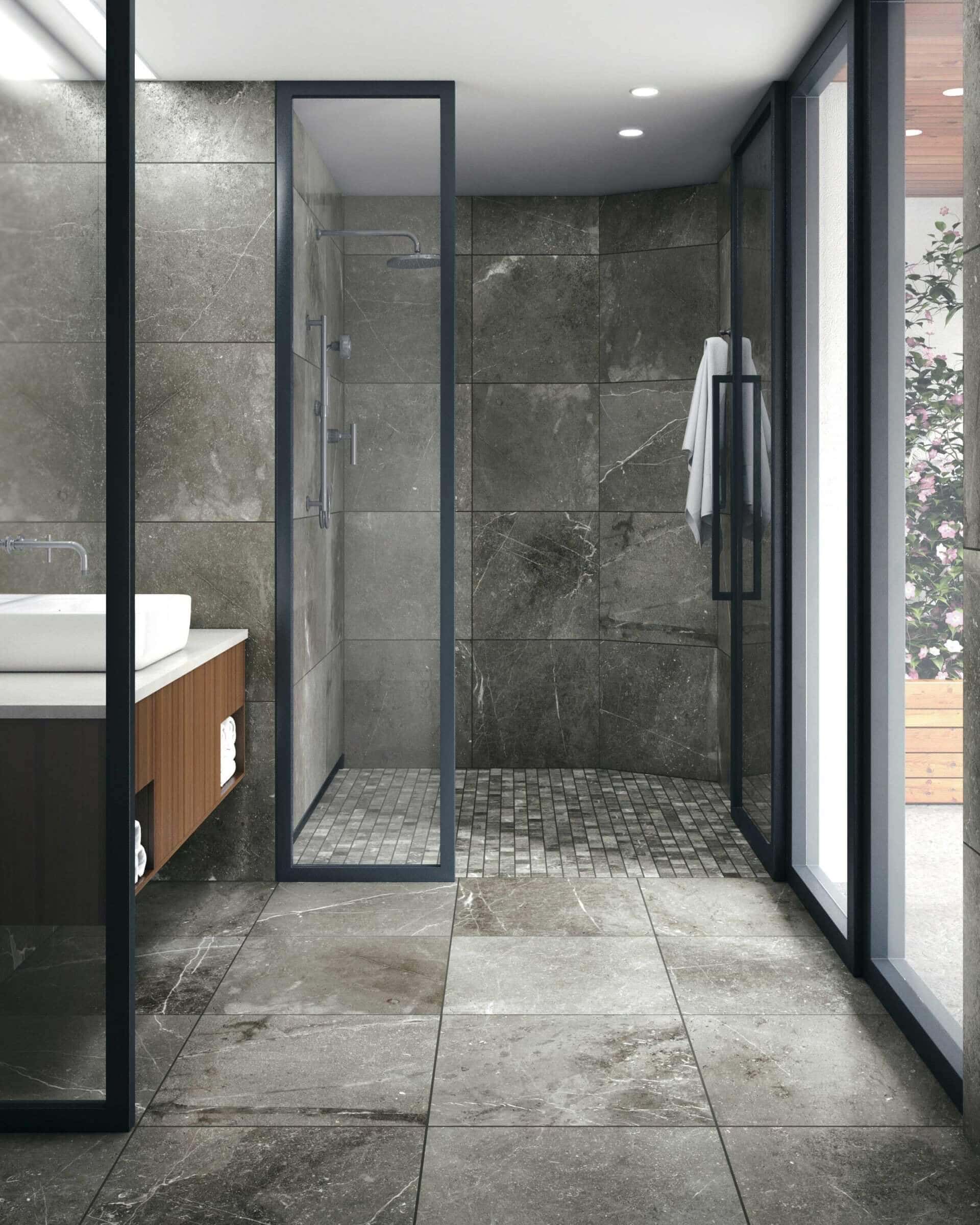
Large tiles cover more area with fewer grout lines. This makes small bathrooms appear bigger and cleaner. Large tiles create a modern and sleek look. Small tiles add texture and detail. They work well for intricate designs or vintage styles. Small tiles need more grout, which can require extra cleaning.
Horizontal And Vertical Patterns
Horizontal tile layouts widen the room visually. They make walls feel longer and lower. Vertical patterns add height and drama. They draw the eye upward, making ceilings feel taller. Mixing both directions creates interesting visual effects. Choose a pattern that matches your bathroom’s shape and size.
Grout Line Impact
Grout lines influence the tile layout’s overall look. Thin grout lines give a smooth, seamless appearance. Thick grout lines add contrast and emphasize the tile shape. Light grout blends with light tiles for a soft look. Dark grout contrasts with light tiles for bold designs. Consider grout color carefully to enhance your tile choice.
Credit: www.hillhomelove.com
Color Selection
Choosing the right color for your bathroom tile sets the mood and style of the entire space. Color selection impacts how spacious, warm, or cool your bathroom feels. It guides your tile choices and complements fixtures and accessories. Picking the perfect color creates a harmonious and inviting bathroom atmosphere.
Choosing A Color Palette
Start with a color palette that fits your bathroom’s style and size. Select two to three main colors for balance. Use one primary color for most tiles and accent colors sparingly. A well-planned palette keeps the design cohesive and visually pleasing. Test samples under your bathroom lighting before finalizing.
Neutral Vs Bold Colors
Neutral colors like white, beige, and gray create a calm, timeless look. They suit small and large bathrooms and mix well with any decor. Bold colors such as navy, emerald, or terracotta add energy and personality. Use bold tiles for feature walls or borders to avoid overwhelming the space.
Color Effects On Space
Light colors make small bathrooms appear larger and brighter. They reflect natural and artificial light effectively. Dark colors add depth and drama but can make a small space feel tighter. Use dark tiles on lower walls or floors to ground the room without shrinking it visually. Balance color effects for comfort and style.
Tile Materials
Choosing the right tile material is crucial for your bathroom’s look and feel. Tiles must handle moisture, frequent cleaning, and daily use. The material affects style, durability, and maintenance. Understanding your options helps you pick tiles that last and look great.
Porcelain And Ceramic
Porcelain and ceramic tiles are popular for bathrooms. Both resist water well and come in many colors and patterns. Porcelain is denser and less porous than ceramic. This makes porcelain stronger and less likely to absorb water. Ceramic tiles are usually easier to cut and install. Both types fit different budgets and styles. They offer a smooth finish and clean look for walls and floors.
Natural Stone Options
Natural stone tiles add a unique and elegant touch. Common stones include marble, granite, and slate. Each stone has its own texture and color variation. Stone tiles bring warmth and character to bathrooms. They require sealing to prevent water damage and stains. Stone is heavier and may need extra floor support. This choice suits those who want a natural, timeless look.
Durability And Maintenance
Durability depends on the tile material and bathroom use. Porcelain tiles are very durable and low maintenance. They resist scratches, stains, and moisture well. Ceramic tiles are also durable but may chip more easily. Natural stone needs regular sealing and careful cleaning. Harsh chemicals can damage stone surfaces. Choose tiles that fit your lifestyle and cleaning routine. Proper care keeps tiles looking new longer.
Slip Resistance And Safety
Slip resistance is a key factor when choosing bathroom tile. Bathrooms often have wet floors, increasing the risk of slips and falls. Selecting tiles with good grip helps keep everyone safe. Safety should never be overlooked in bathroom design.
Best Tiles For Wet Areas
Ceramic and porcelain tiles are excellent for wet areas. They offer durability and come with various slip-resistant options. Textured or matte finish tiles reduce slipperiness. Avoid glossy tiles on floors as they become slick when wet. Natural stone tiles like slate also provide good traction but need sealing to prevent water damage.
Texture And Finish Choices
Surface texture affects slip resistance. Rough or slightly bumpy textures improve grip. Matte and honed finishes are safer than polished ones. Tiny grooves or patterns on tile surfaces help channel water away. This reduces the chance of slipping. Choose finishes that balance style and safety for your bathroom floor.
Budget Planning
Planning your bathroom tile budget is a key step before shopping. It helps avoid overspending and ensures you get the right tiles. Knowing costs upfront keeps your project on track. Budgeting also guides your tile choices and design options.
Cost Differences By Material
Tile materials vary widely in price. Ceramic tiles are usually the most affordable. Porcelain tiles cost more but offer better durability. Natural stone like marble or granite is pricey but adds luxury. Glass tiles often fall in the mid to high range. Consider each material’s price before deciding.
Balancing Quality And Price
Choose tiles that fit your budget and last long. Cheap tiles might save money now but wear out quickly. High-quality tiles may cost more but reduce future repairs. Look for good reviews and warranties. Aim for tiles with a balance of price and durability. This approach protects your investment over time.
Credit: whytile.com
Grout And Installation
Choosing the right grout and installation method is key for a beautiful bathroom tile design. Grout connects tiles and affects the overall look. Installation patterns shape the space’s style and feel. Both play a big role in your tile’s final appearance and durability.
Grout Color And Style
Grout color can highlight or hide tile edges. Light grout makes small tiles stand out. Dark grout masks stains and dirt better. Choose grout color based on tile shade and bathroom use.
Consider grout width too. Thin grout lines create a smooth, modern look. Wider grout lines add texture and can make tiles look larger. Pick a grout style that fits your bathroom’s vibe.
Installation Patterns To Consider
Tile layout changes the room’s feel. Straight lay is simple and clean. It suits modern and classic designs. Diagonal lay adds interest and can make small bathrooms look bigger.
Herringbone and chevron patterns add movement and style. They work well with rectangular tiles. Brick or offset patterns give a traditional, cozy look. Pick a pattern that fits your style and space size.
Design Styles And Trends
Bathroom tile sets the tone for your entire space. Choosing the right style creates a mood that lasts. Trends evolve, but some classic styles remain timeless. Exploring options helps find a perfect fit for your bathroom’s personality.
Classic Patterns
Classic patterns bring elegance and charm to bathrooms. Subway tiles in white or soft colors create a clean look. Herringbone and basketweave designs add subtle texture without overwhelming. These patterns suit traditional and transitional styles well. Their simplicity ensures they never go out of style.
Modern And Minimalist Looks
Modern bathrooms favor sleek, simple tiles. Large format tiles reduce grout lines, making cleaning easier. Matte finishes and neutral tones create calm, uncluttered spaces. Geometric shapes like hexagons or rectangles add interest without complexity. Minimalist tile choices emphasize space and light.
Mixing And Matching Tiles
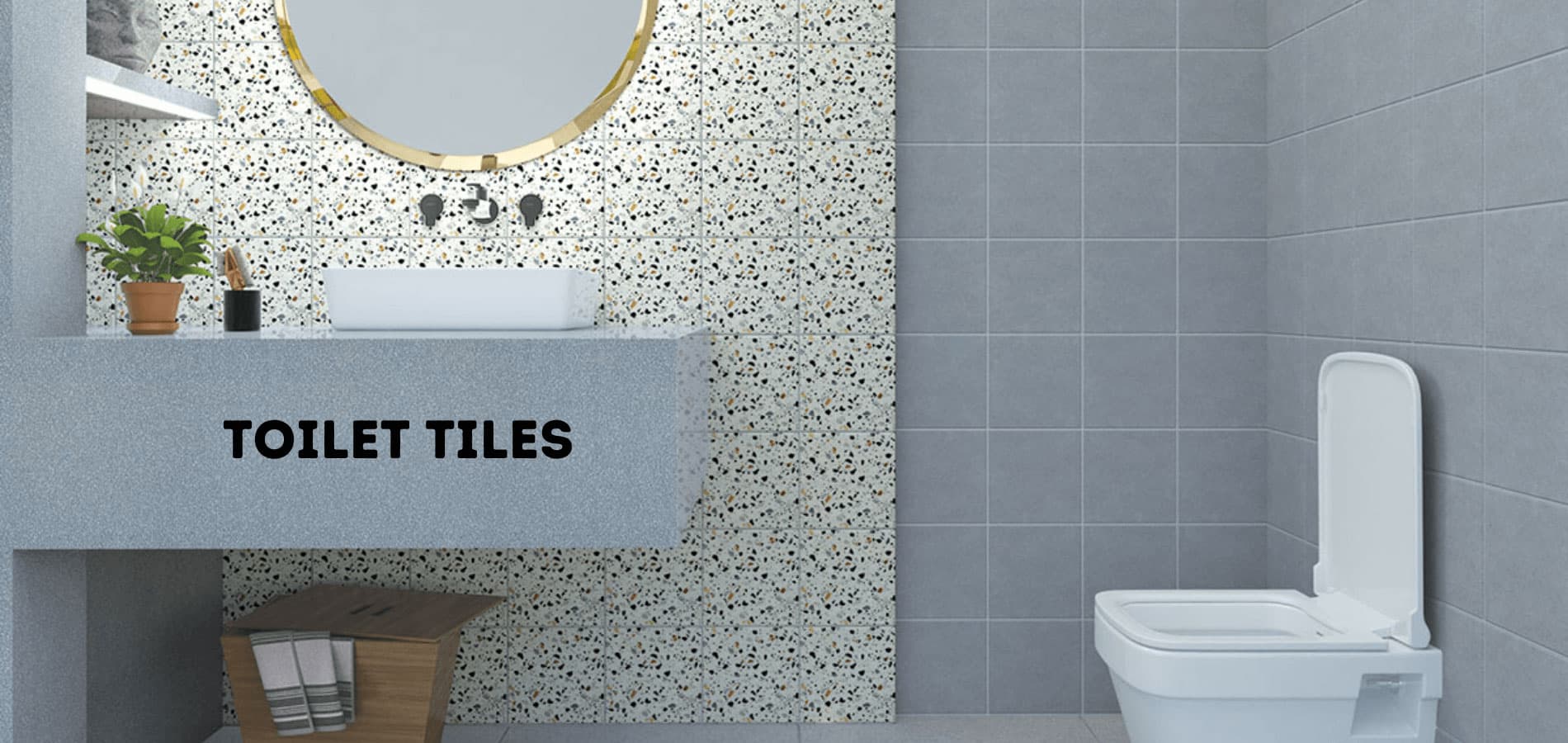
Mixing tile styles adds personality to your bathroom. Combining different shapes or colors creates visual excitement. Use one tile for floors and another for walls to balance design. Keep colors in the same family to avoid clashing. This trend suits creative, bold homeowners.
Small Bathroom Tips
Small bathrooms need smart tile choices to feel larger and more open. Tiles influence the room’s look and perception of space. Picking the right tile can make a small bathroom seem bright and roomy. Let’s explore tile tips that work well in tight spaces.
Tile Choices For Space Expansion
Large tiles reduce grout lines and create a seamless look. This makes the floor or walls appear bigger. Rectangular tiles placed horizontally widen the space visually. Light-colored tiles reflect more light, enhancing the feeling of openness. Avoid small, busy patterns that can clutter the small space. Simple designs with smooth textures work best for expansion.
Light And Reflection Effects
Glossy tiles bounce light around the room, brightening dark corners. Mirrors and shiny surfaces increase the sense of depth. Use light shades like white, cream, or pastel tones to keep the space airy. Avoid dark tiles that absorb light and shrink the room. Reflective tiles near light sources multiply brightness and add dimension.
Maintenance Tips
Proper maintenance keeps bathroom tiles looking fresh and new. It helps prevent stains, mold, and damage. Knowing how to clean and care for your tiles ensures they last long. Follow simple steps to protect your investment and keep your bathroom beautiful.
Cleaning Best Practices
Clean tiles regularly to avoid dirt buildup. Use a mild detergent mixed with warm water. Avoid harsh chemicals that can damage the tile surface. Soft cloths or sponges work best for wiping. Rinse thoroughly with clean water to remove soap residue. Dry tiles with a soft towel to prevent water spots. For grout, use a gentle brush to scrub lightly. Clean spills immediately to stop stains from setting.
Long-term Care For Tiles
Seal grout lines every six months to protect against moisture. Inspect tiles for cracks or loose pieces and fix them quickly. Avoid dropping heavy objects on tiles to prevent chips. Use bath mats to reduce wear in high-traffic areas. Ventilate the bathroom well to reduce mold and mildew growth. Regular maintenance extends the tile’s life and keeps the bathroom fresh. Small steps can save money on repairs later.
Credit: www.simpolo.com
Frequently Asked Questions
What Size Bathroom Tile Is Best For Small Spaces?
Large or medium tiles with fewer grout lines visually expand small bathrooms. They create a cleaner, less cluttered look, making the space feel larger and more open.
How To Choose The Right Tile Color For Bathrooms?
Pick a color palette that complements your bathroom’s lighting and fixtures. Neutral or light colors brighten the space, while bold colors add personality and style.
Which Tile Material Works Best In Bathrooms?
Porcelain and ceramic tiles are ideal for bathrooms due to their durability and water resistance. Natural stone offers luxury but requires more maintenance.
How Important Is Grout Color When Selecting Bathroom Tiles?
Grout color affects the overall look and maintenance. Matching grout creates a seamless appearance, while contrasting grout highlights tile patterns and shapes.
Conclusion
Choosing the right bathroom tile brings style and function together. Consider tile size, color, and material carefully. Think about slip resistance and ease of cleaning too. Stick to simple patterns for a timeless look. Your budget also guides your best choices.
Small changes can make a big difference in your space. Trust your taste and enjoy the process. A well-chosen tile creates a fresh, inviting bathroom you’ll love.