
When it comes to your bathroom, comfort and safety should never be an afterthought—especially if you or a loved one faces mobility challenges. Handicapped bathroom designs are more than just practical solutions; they transform your space into a haven of independence and ease.
Imagine moving freely, using every feature without strain or worry. Whether you’re planning a remodel or building from scratch, understanding the key elements of accessible design can make all the difference. Ready to discover how simple changes can create a bathroom that truly works for you?
Keep reading to explore smart, stylish, and functional ideas tailored to your needs.
Wide Doorways
Wide doorways are a key feature in handicapped bathroom designs. They allow easy entry and exit for wheelchair users and those with mobility aids. Wide doors prevent accidents and make the bathroom more accessible for everyone.
Choosing the right doorway width improves comfort and independence. It helps users move freely without assistance. This simple design change supports safety and usability in daily routines.
Optimal Door Width For Accessibility
The ideal door width for handicapped bathrooms is at least 32 inches. This measurement meets ADA (Americans with Disabilities Act) guidelines. Wider doors, such as 36 inches, offer even more space. They accommodate larger wheelchairs and walkers smoothly.
Door Swing And Clearance Space
Wide doorways need proper swing direction to avoid obstruction. Doors that open outward or slide save space inside. Clearance around the door must be enough for wheelchair maneuvering. This space eases entry and exit without strain.
Materials And Hardware For Wide Doors
Use sturdy materials to support wide bathroom doors. Lightweight but strong options like aluminum or fiberglass work well. Install lever handles for easy grip and operation. Automatic door openers add convenience for users with limited hand strength.
Credit: www.roomsketcher.com
Curbless Showers
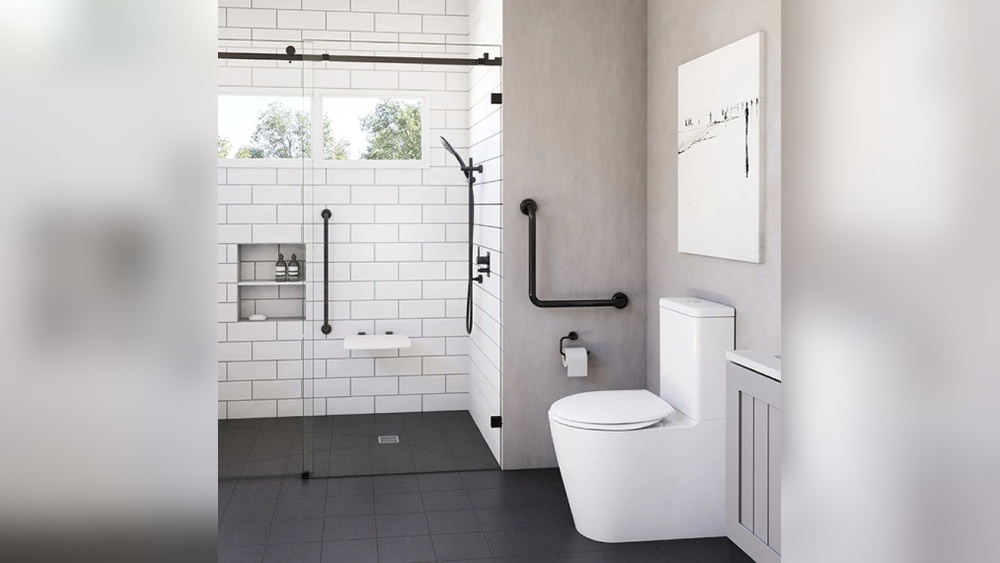
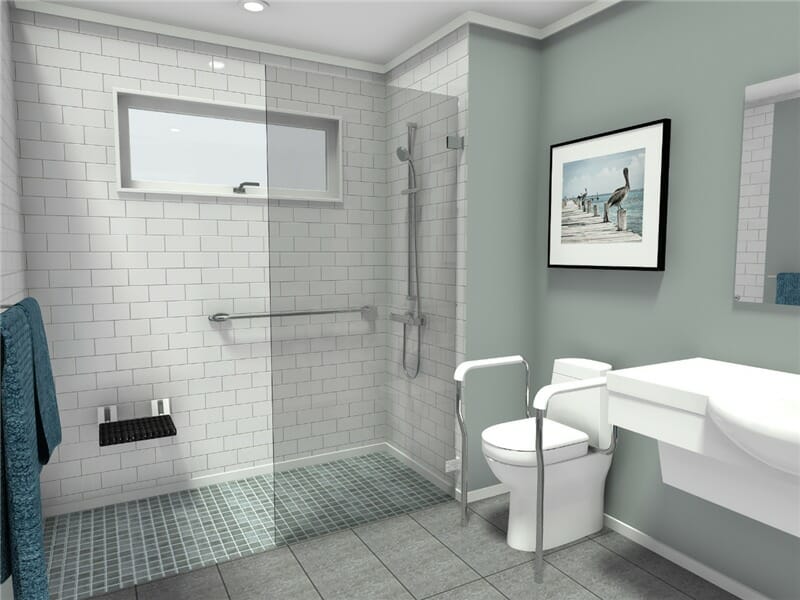
Curbless showers offer a smart solution for handicapped bathroom designs. They eliminate the step or lip found in traditional showers. This design allows easy access for wheelchairs and walkers.
Curbless showers create a seamless floor that reduces tripping hazards. Water drains gently through a hidden slope or linear drain. The open space makes the bathroom feel larger and more comfortable.
Walk-in Shower Benefits
Walk-in showers provide easy entry without barriers. They allow smooth movement for people with limited mobility. This design supports independence and safety in the bathroom. Cleaning becomes easier with fewer edges and corners. The open layout fits many bathroom sizes and styles.
Grab Bars Installation
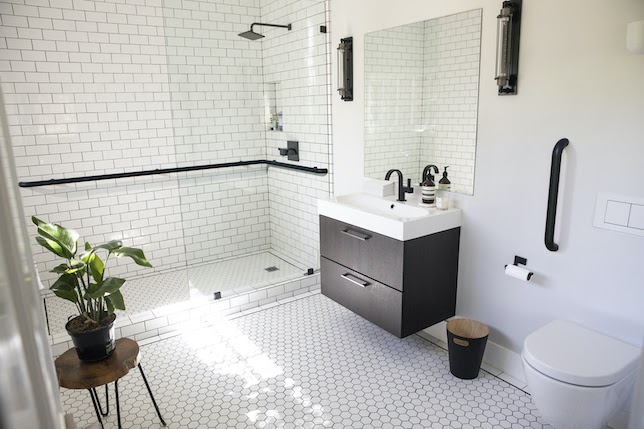
Grab bars add extra support and stability inside the shower. Place them near the entrance and seating areas. They help prevent falls and increase confidence. Choose bars with a non-slip finish for a secure grip. Proper height and placement are important for ease of use.
Handheld Showerheads
Handheld showerheads offer flexibility and control during bathing. Users can adjust water direction without moving much. This feature is helpful for seated users or those with limited reach. Many models include adjustable water pressure and spray patterns. A slide bar allows easy height adjustment for all users.
Accessible Fixtures
Accessible fixtures play a vital role in handicapped bathroom designs. They provide ease and comfort for people with mobility challenges. Such fixtures are designed to meet specific needs. They also improve safety and independence.
Choosing the right fixtures helps create a user-friendly bathroom. Fixtures must be easy to reach and use. They should allow enough space for wheelchair movement. Accessibility also means reducing physical strain during use.
Higher Toilets
Higher toilets make sitting and standing easier. They reduce the effort needed for transfers. Standard toilets can be too low for some users. Elevated toilets offer better support and comfort. Installing grab bars near the toilet adds extra safety. This design helps prevent falls and injuries.
Sinks With Clear Space
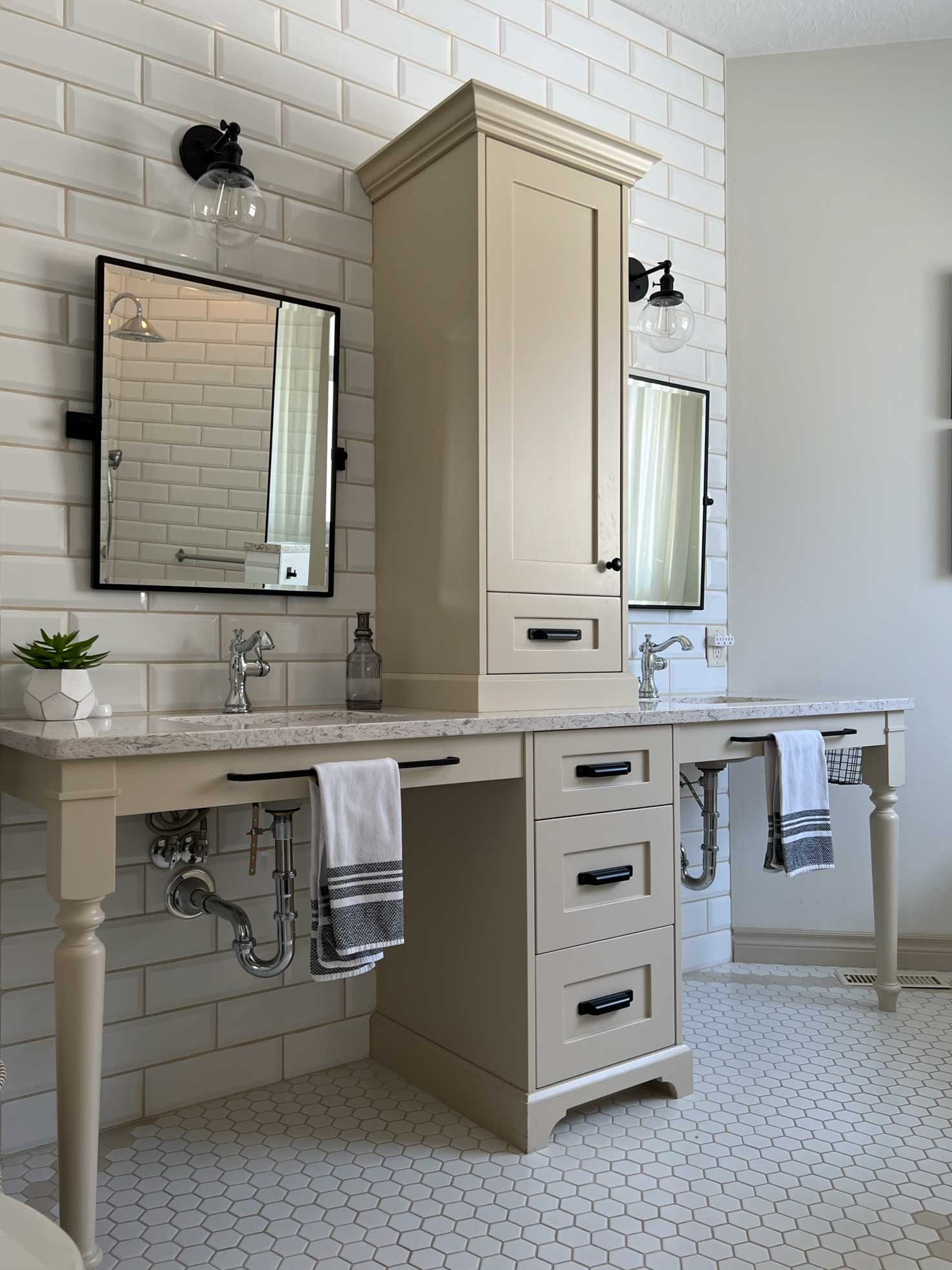
Sinks with clear space below allow wheelchair users to get close. The open area under the sink prevents knees from hitting cabinets. This design improves comfort and usability. Faucets should be easy to operate with lever handles. Sensors can also provide touch-free use. Mirrors placed at lower heights increase visibility for seated users.
Space And Layout
Designing a handicapped bathroom requires careful planning of space and layout. The goal is to create a room that is safe, easy to use, and comfortable for people with disabilities. The space must allow for smooth movement and access to all fixtures. Proper layout helps prevent accidents and ensures independence.
Turning Radius
The turning radius is the space a wheelchair needs to make a full turn. It usually requires a clear area of at least 60 inches in diameter. This space allows easy maneuvering without hitting walls or fixtures. Ensuring enough turning radius is key to a functional bathroom design. It helps users move freely and reduces frustration.
Entry Design
Entry design is crucial for accessibility. Doors should be wide, ideally 32 to 36 inches, to fit wheelchairs. Sliding doors or doors that open outward save space inside the bathroom. The threshold should be low or flush with the floor to avoid tripping. Clear pathways at the entrance make entering and exiting simpler and safer.
Flooring Choices
Choosing the right flooring is key for handicapped bathroom designs. It affects safety, comfort, and ease of movement. Flooring must support mobility aids like wheelchairs and walkers. It should reduce slipping risks and withstand moisture from daily use. Careful selection of materials improves the overall bathroom experience and safety.
Non-slip Surfaces
Non-slip floors prevent falls and provide steady footing. Textured tiles and vinyl with grip patterns work well. Rubber flooring also offers excellent traction and cushioning. Avoid glossy or smooth finishes that become slippery when wet. Safety is the top priority in handicapped bathroom flooring.
Water-resistant Materials
Bathrooms have frequent water spills and humidity. Flooring should resist water damage and mold growth. Porcelain and ceramic tiles are durable and water-resistant. Waterproof vinyl and sealed concrete are practical choices too. These materials keep the floor dry and easy to clean, ensuring lasting use.
Credit: erinzubotdesign.com
Lighting And Controls
Lighting and controls play a vital role in handicapped bathroom designs. Proper lighting improves safety and comfort for users with disabilities. Controls must be easy to reach and operate. Together, they create a bathroom space that feels welcoming and functional.
Accessible Switches
Switches should be placed within easy reach, usually between 36 and 48 inches from the floor. Large, rocker-style switches are easier to use than small toggle ones. Touch or motion-activated switches offer hands-free operation. These features help people with limited hand strength or dexterity control the lights easily.
Bright, Even Lighting
Bright lighting reduces shadows and improves visibility. Use multiple light sources to avoid dark corners and glare. LED lights provide clear, even illumination and save energy. Lighting should cover the entire bathroom, including shower and toilet areas. Good lighting helps users move safely and confidently.
Storage Solutions
Storage solutions play a vital role in handicapped bathroom designs. They help keep essentials within easy reach. Proper storage improves safety and independence. These solutions must be practical and accessible for all users. Thoughtful design reduces clutter and prevents accidents. Here are two key storage options that enhance usability.
Low Shelving
Low shelving offers easy access to bathroom items. Shelves placed at a wheelchair user’s height reduce strain. They provide space for towels, toiletries, and cleaning supplies. Open shelves allow quick visibility and reach. Choose sturdy materials that can hold weight safely. Low shelving keeps the bathroom organized and user-friendly.
Accessible Cabinets
Accessible cabinets feature pull-out drawers and easy-open handles. They allow users to reach items without bending or stretching. Cabinets with sliding doors save space and improve mobility. Installing soft-close hinges prevents injury from sudden door movements. These cabinets create a neat look while enhancing accessibility. Proper cabinet design supports independence in daily routines.
Credit: promenaid.com
Safety Features
Safety features are crucial in handicapped bathroom designs. They protect users from accidents and provide quick help if needed. Bathrooms must be secure and easy to use for everyone.
Emergency Call Systems
Emergency call systems offer immediate assistance in case of falls or injuries. These systems include pull cords or buttons within reach from the floor. Staff or family members receive alerts fast. This feature increases confidence and independence for users.
Anti-scald Valves
Anti-scald valves prevent sudden hot water bursts. They keep water temperature at a safe level to avoid burns. These valves adjust water flow instantly if the temperature rises too high. This safety feature is essential for sensitive skin and reduces injury risks.
Aesthetic Considerations
Designing a handicapped bathroom involves more than just functionality. Aesthetic considerations play a key role in creating a welcoming and comfortable space. Thoughtful design enhances both usability and style. This balance helps users feel confident and relaxed in the bathroom environment.
Color Contrast
Color contrast improves visibility and safety. It makes it easier to identify different bathroom elements. For example, contrasting wall colors and grab bars help users spot support features quickly. Using bold colors against neutral backgrounds guides the eye effectively. This simple technique reduces accidents and boosts confidence.
Modern Design Elements
Modern design elements combine style with practicality. Sleek fixtures and clean lines create a fresh, open look. These designs avoid clutter and make navigation easier. Materials like glass and brushed metal add elegance without sacrificing durability. Incorporating modern lighting improves both aesthetics and visibility. This approach makes the bathroom inviting and functional for all users.
Smart Technology
Smart technology brings ease and independence to handicapped bathroom designs. It helps users control bathroom features without strain. These innovations make daily routines simpler and safer. Bathrooms equipped with smart devices adapt to individual needs. They improve comfort and accessibility for everyone.
Voice-controlled Devices
Voice-controlled devices allow hands-free operation of bathroom features. Users can turn lights on or off by speaking. They can adjust the temperature of water easily. Voice assistants help manage music or emergency calls too. This technology supports people with limited mobility. It gives them more control over their environment.
Automated Fixtures
Automated fixtures include sensors that detect movement or touch. Faucets turn on and off automatically to save water. Toilets flush without needing to press buttons. Showers can start and stop at preset temperatures. These fixtures reduce the need for physical effort. They help maintain hygiene and convenience for all users.
Frequently Asked Questions
How To Design A Bathroom For A Disabled Person?
Design a bathroom for disabled users by installing grab bars, wheelchair-accessible sinks, and roll-in showers. Ensure wide doorways and non-slip flooring. Provide adjustable-height fixtures and adequate turning space. Use clear signage and proper lighting for safety and ease of use.
Does Medicare Pay For A Handicap Bathroom Remodel?
Medicare usually does not cover handicap bathroom remodels. Coverage may apply if modifications are medically necessary and prescribed by a doctor. Check Medicare Advantage plans for possible benefits. Always confirm with your specific plan before starting any remodeling project.
What Does An Ada Compliant Bathroom Look Like?
An ADA compliant bathroom features wide doorways, grab bars, accessible sinks, roll-in showers, and clear floor space for wheelchair movement.
How Do I Make My Bathroom Handicap Accessible?
Install grab bars near the toilet and shower. Use a roll-in shower with a seat. Widen doorways for wheelchair access. Choose a raised toilet and non-slip flooring. Ensure enough space for easy maneuvering.
Conclusion
Creating a handicapped bathroom improves safety and comfort for all users. Thoughtful designs support independence and ease daily routines. Wide doorways, grab bars, and non-slip floors help prevent accidents. Simple layouts make moving easier for wheelchair users. Small changes bring big benefits in accessibility and usability.
Everyone deserves a bathroom that feels safe and welcoming. Consider these design ideas to make your space more inclusive. A well-planned bathroom supports dignity and promotes confidence every day.