
Thinking about adding a bathroom to your basement? You’re not alone.
Designing a basement bathroom can transform an underused space into a practical, comfortable area that adds real value to your home. Whether you want a convenient guest bathroom, a private retreat, or a way to boost your home’s resale appeal, the right design can make all the difference.
You’ll discover simple, budget-friendly ideas and smart design tips that fit your needs and style. Ready to turn your basement into a functional and inviting space? Let’s dive into everything you need to know about designing a basement bathroom that works perfectly for you.
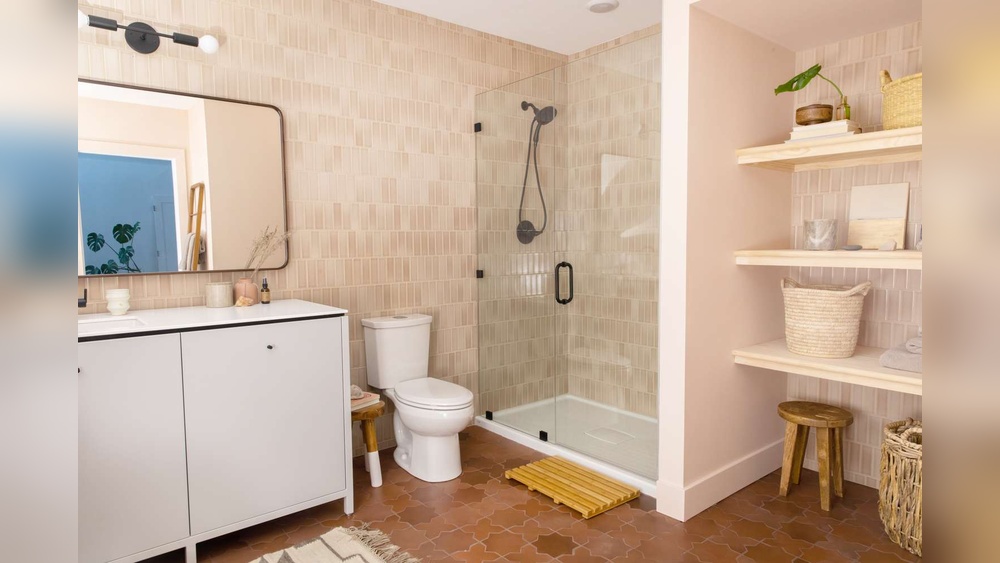
Credit: www.homesandgardens.com
Planning Your Basement Bathroom
Planning your basement bathroom requires careful thought to create a functional and comfortable space. It involves more than just picking fixtures. You must consider location, plumbing, electrical needs, and legal requirements. Good planning makes the project smoother and avoids costly mistakes. Start by evaluating the best spot for your bathroom. Then check the plumbing and electrical setup. Finally, ensure you meet local building codes and get the right permits. These steps lay the foundation for a successful basement bathroom.
Choosing The Right Location
Select a location close to existing plumbing lines. This reduces the cost and complexity of installation. Avoid areas prone to flooding or moisture buildup. Pick a spot with enough space for fixtures and movement. Think about privacy and accessibility for users. A corner or an unused nook often works well. Make sure the chosen area has proper ventilation options. Good lighting is also important for comfort and safety.
Assessing Plumbing And Electrical Needs
Identify the current plumbing layout before starting work. Check if water supply and drainage lines reach your chosen spot. You might need to extend pipes or add new ones. Electrical wiring must support lighting, outlets, and ventilation fans. Ensure circuits can handle the added load safely. Plan for ground fault circuit interrupters (GFCIs) near water sources. Hiring a professional plumber and electrician is often necessary. They ensure all connections meet safety standards and function well.
Meeting Building Codes And Permits
Research local building codes for basement bathrooms. Codes cover plumbing, electrical, ventilation, and fire safety. Permits are usually required before starting construction. Submit detailed plans to your local building department. Inspections may occur during and after the project. Following codes avoids fines and ensures safety. Use approved materials and proper installation methods. Keep documentation of permits and inspections for future reference.
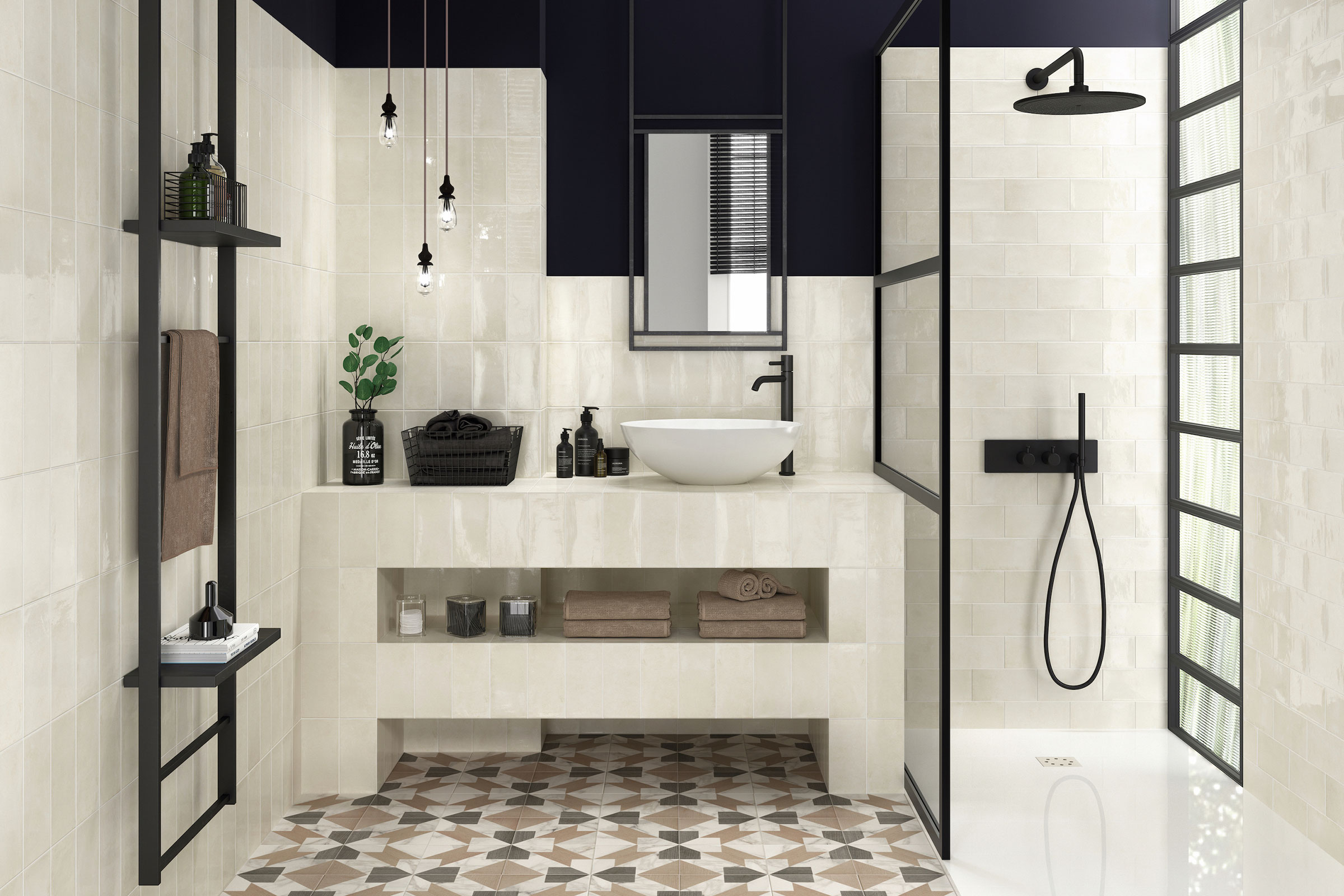
Credit: stefanasilber.com
Maximizing Space Efficiency
Designing a basement bathroom requires careful planning to make the most of limited space. Maximizing space efficiency helps create a functional and comfortable bathroom without feeling cramped. Small basements especially benefit from smart design choices that save space and keep the area organized.
Every inch counts in a basement bathroom. Thoughtful layouts, compact fixtures, and clever storage solutions can transform a tight space into a practical retreat. These ideas ensure your basement bathroom feels open and easy to use.
Smart Layout Ideas
Choose a layout that fits the room shape and plumbing location. Place the toilet and sink close together to reduce pipe runs. Consider a corner sink to free up floor space. A walk-in shower with clear glass creates a sense of openness. Avoid bulky bathtubs if space is tight. Keep pathways clear for easy movement. Plan the door swing to avoid blocking fixtures.
Compact Fixtures And Fittings
Select small or wall-mounted toilets to save floor space. Use pedestal or floating sinks instead of large vanities. Choose a narrow vanity with storage below to combine function and compactness. Slimline faucets and showerheads take up less room while working well. Opt for a corner shower stall rather than a full tub. Use pocket or sliding doors to maximize usable space.
Storage Solutions For Small Spaces
Use vertical space by adding shelves above the toilet or door. Install recessed medicine cabinets to keep items hidden yet accessible. Under-sink cabinets with organizers help store toiletries neatly. Hooks and towel bars on walls or behind doors save room. Use baskets or bins on shelves to group small items. Keep counters clear to make the room feel larger and tidier.
Selecting Durable Materials
Choosing the right materials is key to a durable basement bathroom. Basements often face moisture and temperature changes. Materials must resist water and wear. This ensures your bathroom stays fresh and damage-free for years. Focus on flooring, walls, and fixtures that last long under basement conditions.
Water-resistant Flooring Options
Flooring in basement bathrooms must handle moisture well. Vinyl plank flooring resists water and feels warm underfoot. Porcelain tile is another strong choice. It handles spills and humidity easily. Avoid carpet or wood, as they soak up water and can mold. Choose non-slip surfaces to keep safety in mind.
Wall Finishes Suitable For Basements
Walls in basement bathrooms need to prevent water damage. Use moisture-resistant drywall or cement board behind tiles. Paint walls with mold-resistant, waterproof paint. Tiles on walls add extra protection and style. Avoid wallpaper as it traps moisture and peels off. Proper ventilation also helps keep walls dry and fresh.
Long-lasting Fixtures
Fixtures must withstand damp basement air. Choose stainless steel or brass faucets and showerheads. These materials resist rust and corrosion. Opt for toilets and sinks made from vitreous china or porcelain for durability. Pick fixtures with simple designs for easy cleaning. Quality fixtures reduce repairs and keep your bathroom working smoothly.
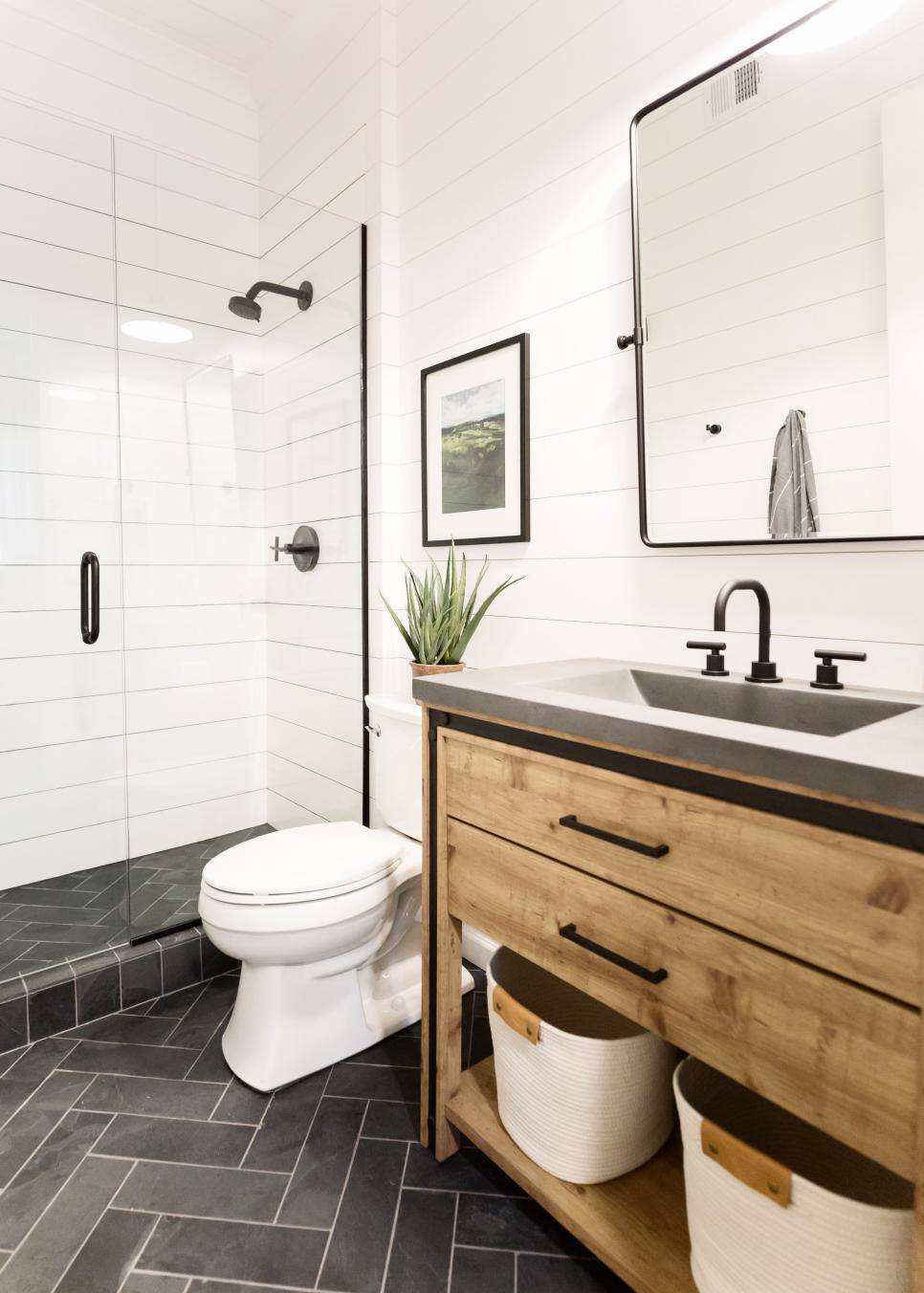
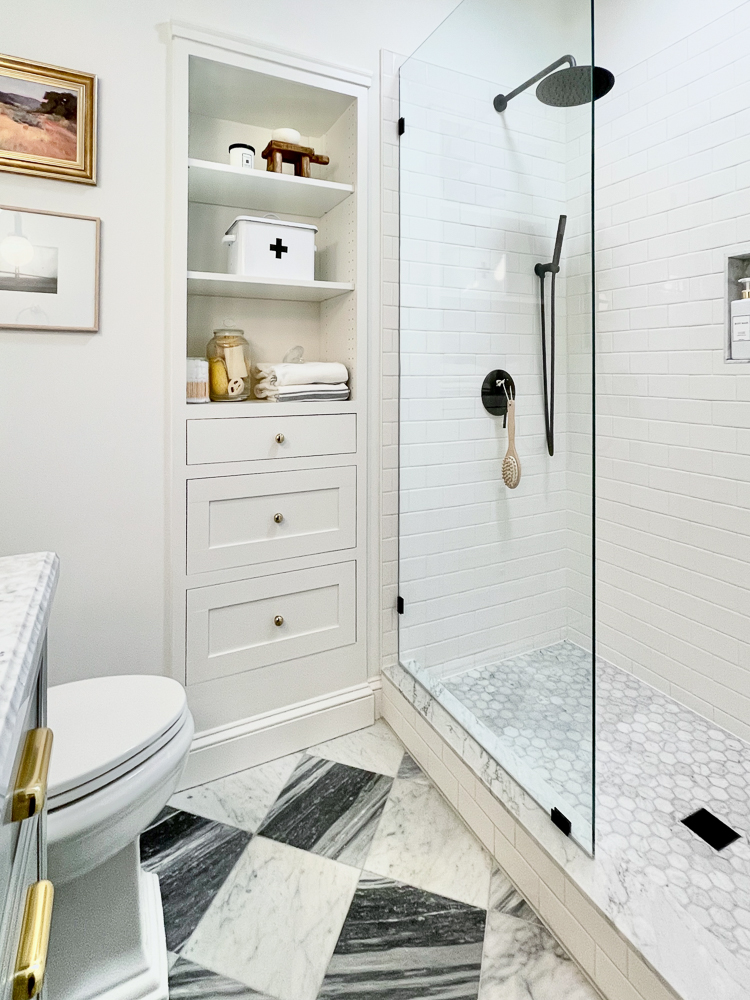
Credit: www.decoist.com
Incorporating Stylish Design Elements
Incorporating stylish design elements in a basement bathroom enhances its look and feel. Thoughtful choices make the space inviting and comfortable. Light, color, and decor work together to brighten the often dim basement setting. These elements also add personality and charm. A well-designed bathroom boosts home value and enjoyment.
Lighting Strategies For Basements
Basements usually lack natural light. Use layered lighting to create a bright, warm atmosphere. Combine ceiling lights with wall sconces or vanity lights. LED bulbs save energy and provide clear light. Consider installing dimmers for flexible mood settings. Reflective surfaces like mirrors help spread light throughout the room.
Color Schemes To Brighten The Space
Choose light colors to open up the basement bathroom. Whites, soft grays, and pale blues create a fresh look. Warm tones like beige or soft peach add coziness. Avoid dark colors that make the room feel smaller. Use contrasting trim or accents to add depth and interest.
Decorative Accents And Accessories
Select simple, stylish accessories to personalize the space. Towels, rugs, and shower curtains bring texture and pattern. Add plants to introduce natural freshness. Use sleek storage solutions to keep clutter away. Art prints or framed photos add a touch of personality without crowding the space.
Budget-friendly Renovation Tips
Renovating a basement bathroom does not have to drain your wallet. Smart planning and careful choices help keep costs down. Focus on strategies that reduce expenses while improving the space’s function and style. These budget-friendly renovation tips make your basement bathroom project affordable and practical.
Keeping Plumbing And Wiring Costs Low
Keep the bathroom layout close to existing plumbing lines. Avoid moving pipes or electrical wiring far from current spots. This reduces labor and material costs significantly. Use simple plumbing fixtures that fit well with your current setup. Check local codes to ensure your changes meet safety standards without extra upgrades.
Diy Tasks To Save Money
Handle small jobs like painting walls and installing towel racks yourself. These tasks save on labor expenses and let you customize the room. Choose easy-to-install materials and tools. Follow online tutorials to avoid mistakes. Save money by shopping for supplies during sales or at discount stores.
Prioritizing Key Upgrades
Focus on changes that improve comfort and appearance most. Replace old faucets and showerheads with water-saving models. Update lighting for better brightness and energy efficiency. Choose durable, budget-friendly flooring such as vinyl or porcelain tile. These upgrades enhance value without costly renovations.
Improving Ventilation And Moisture Control
Designing a basement bathroom requires special attention to ventilation and moisture control. Basements tend to be damp and poorly ventilated. This can lead to mold growth and damage to fixtures. Proper ventilation keeps the air fresh and dry. Controlling moisture protects your bathroom and health.
Installing Proper Vent Fans
Vent fans remove humid air quickly. Choose a fan that fits the size of your bathroom. Fans with a timer or humidity sensor work best. Install the fan near the shower or toilet. Make sure the fan vents outside, not into the attic or crawl space. This prevents moisture buildup in hidden areas.
Preventing Mold And Mildew
Mold thrives in damp, warm places. Clean your basement bathroom regularly to stop mold spores. Use mold-resistant paint on walls and ceilings. Seal grout lines to keep water out. Fix leaks immediately to prevent water damage. Keep surfaces dry by wiping down after use. Good airflow helps stop mold growth.
Dehumidifier Options
A dehumidifier reduces moisture in the air. Portable models work well for small basement bathrooms. Choose one with an automatic shutoff feature. Empty the water tank often or use a continuous drain option. Built-in dehumidifiers are available for larger spaces. They run quietly and maintain steady humidity levels.
Adding Value With Functional Features
Adding value to a basement bathroom means focusing on features that improve daily use and appeal to buyers. Functional elements help the space feel practical and inviting. Thoughtful design choices make the bathroom useful for everyone in the home. Smart features increase comfort and convenience. A well-planned basement bathroom adds both comfort and worth to a house.
Choosing Fixtures That Boost Home Value
Select fixtures that are modern and durable. Opt for water-saving toilets and faucets to reduce bills. Choose a vanity with storage to keep the space tidy. A quality showerhead enhances the bathing experience. Neutral colors on fixtures appeal to many buyers. Fixtures should match the style of the home for a cohesive look. Avoid overly trendy pieces that might look dated quickly.
Incorporating Accessibility Features
Design the bathroom for ease of use by everyone. Install grab bars near the toilet and shower for safety. Use a walk-in shower with a low threshold to prevent trips. Choose a comfort-height toilet for easier sitting and standing. Wide doorways allow wheelchair access if needed. Lever handles on faucets are easier to operate than knobs. These features attract buyers who want a home that fits all ages.
Flexible Use Ideas For The Space
Make the basement bathroom serve multiple purposes. Add extra storage for cleaning supplies or linens. Consider a small laundry area with a stacked washer and dryer. A combo shower and tub lets guests choose how to bathe. Use lighting that can switch from bright to soft for different moods. A mirror with built-in lights helps with grooming. Flexible spaces make the bathroom more valuable and versatile.
Frequently Asked Questions
Is A Basement Bathroom A Good Idea?
A basement bathroom adds convenience, boosts home value, and improves functionality. Proper waterproofing and ventilation ensure comfort and durability.
Is $10,000 Enough For A Bathroom Remodel?
Yes, $10,000 can cover a basic bathroom remodel. Focus on updating fixtures, painting, and using mid-range materials to stay within budget.
What’s The Average Cost To Put A Bathroom In A Basement?
The average cost to install a basement bathroom ranges from $10,000 to $25,000. Costs vary by plumbing, fixtures, and finishes. Choosing mid-range materials and keeping plumbing in place reduces expenses. Labor and permits also affect the total price.
Is It Legal To Have A Bathroom In A Basement?
Yes, having a bathroom in a basement is legal if it meets local building codes and permits. Ensure proper plumbing, ventilation, and egress requirements. Check with your city’s building department to comply with regulations before installation.
Conclusion
Designing a basement bathroom adds value and comfort to your home. Plan carefully to save money and avoid costly changes. Choose durable materials that fit your budget and style. Small DIY tasks can reduce overall expenses. Focus on practical updates that improve function and look.
A well-designed basement bathroom creates a useful space for family and guests. Take time to balance quality with affordability for the best results. This simple addition makes your basement more inviting and functional.