
Are you looking to add a warm, natural touch to your floors? Sandstone floor texture might be exactly what you need.
Its unique patterns and subtle color variations create a timeless look that fits perfectly in any home or commercial space. Imagine walking barefoot on a surface that feels both rustic and elegant, giving your rooms a cozy yet stylish vibe.
You’ll discover why sandstone flooring stands out, how its texture can transform your space, and tips to choose the best style for your needs. Keep reading to learn how sandstone floor texture can bring beauty and durability to your floors like no other material.
Sandstone Texture Varieties
Sandstone floors bring a natural charm to any space. Their textures vary widely, offering many options for design and style. Understanding these texture varieties helps in choosing the right type for your home or project. Sandstone’s unique characteristics come from its natural formation and finishing techniques.
Natural Grain Patterns
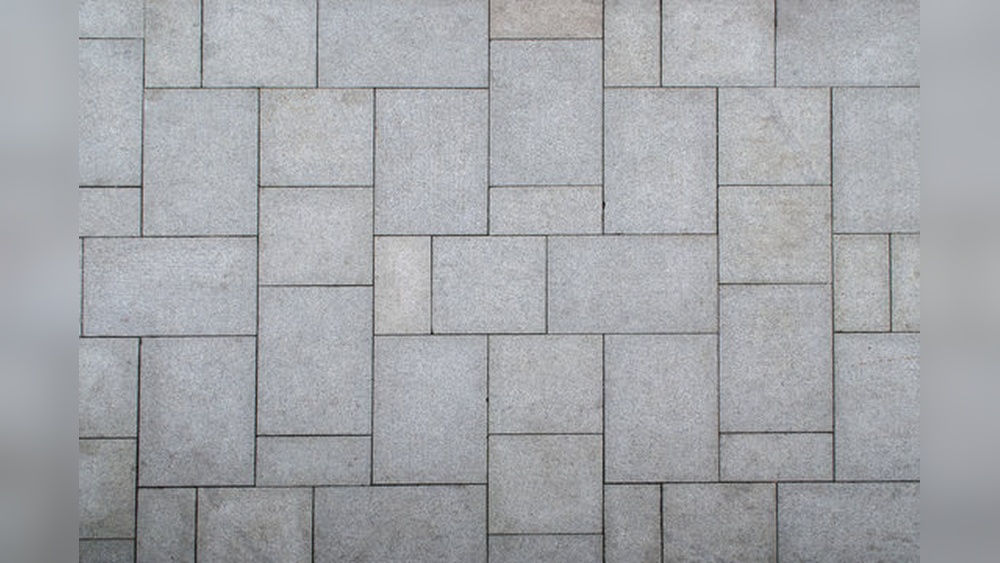
Sandstone features natural grain patterns that make each piece unique. These patterns form from layers of sand and minerals. They range from fine to coarse grains. Grain patterns add depth and interest to the floor surface. No two tiles share the exact same pattern, giving floors a one-of-a-kind look.
Color Variations
Sandstone displays a wide range of colors. Shades include soft beige, warm gold, red, and gray tones. Color depends on the minerals present in the stone. Variations can appear within a single tile or across multiple tiles. These natural color shifts create a vibrant and inviting floor.
Surface Finishes
Different surface finishes change sandstone’s look and feel. A honed finish is smooth and matte, offering a subtle elegance. A tumbled finish has a rougher texture with softened edges for a rustic style. Sandblasted finishes provide a grainy, non-slip surface ideal for outdoor use. Each finish suits different design needs and functional uses.
Design Styles With Sandstone
Sandstone floors offer versatile design options. Their natural texture blends with many styles. This stone adds warmth and character to spaces. It works beautifully in both traditional and modern homes. Exploring design styles with sandstone reveals its unique charm.
Rustic Charm
Sandstone’s rough, earthy texture fits rustic decor well. It brings a natural, outdoorsy feel inside. The stone’s warm tones create a cozy atmosphere. Pair it with wooden furniture and soft textiles. This style highlights simplicity and natural beauty.
Modern Minimalism
Sandstone floors can suit sleek, modern designs too. Choose smooth finishes for a clean look. Neutral shades complement minimalist furniture and decor. The stone’s subtle texture adds interest without clutter. It creates calm, open spaces with natural elements.
Classic Elegance
Sandstone also enhances classic, elegant interiors. Its timeless appeal pairs well with rich fabrics and antiques. Polished sandstone floors add subtle shine and sophistication. Soft beige and cream tones brighten traditional rooms. This style balances luxury with nature’s touch.
Applications In Different Spaces
Sandstone floor texture fits many spaces with ease and style. Its natural look adds warmth and character to rooms. This texture works well in both modern and traditional interiors. It also offers durability and slip resistance, making it practical for busy areas. Below are some common applications of sandstone flooring in various spaces.
Living Room Flooring
Sandstone floors create a cozy and inviting living room. The texture gives a soft, earthy tone to the space. It pairs well with wooden furniture and neutral colors. This flooring type hides dirt and scratches better than smooth surfaces. It is comfortable underfoot and keeps the room cool in summer.
Kitchen Surfaces
In kitchens, sandstone adds a rustic charm and solid feel. It handles spills and stains if sealed properly. The textured surface reduces the risk of slipping on wet floors. Sandstone tiles can cover floors and backsplashes, creating a unified look. Cleaning is simple with regular sweeping and mopping.
Bathroom Floors
Bathrooms benefit from sandstone’s natural slip resistance. It stays safe even in wet conditions. The stone’s warm colors brighten the room and create a spa-like feel. Sandstone flooring is water-resistant when sealed well. Its texture adds grip, reducing accidents on wet tiles.
Credit: www.deviantart.com
Durability And Maintenance
Sandstone floors offer a natural charm and strength that fits many home styles. Understanding their durability and maintenance helps keep them beautiful for years. Proper care protects the stone from damage and wear.
Sandstone is a durable material but requires attention to maintain its look. Dirt and moisture can affect its surface if not managed well. Following simple steps improves its lifespan and appearance.
Wear Resistance
Sandstone resists wear well due to its dense structure. It handles foot traffic without losing texture quickly. Scratches and chips are less common compared to softer stones. However, avoid dragging heavy furniture to prevent damage. Regular inspection helps spot any early signs of wear.
Cleaning Tips
Use a soft broom or vacuum to remove dust daily. Mop with warm water and mild soap for deeper cleaning. Avoid harsh chemicals that can erode the stone’s surface. Quickly wipe spills to prevent stains. Use a damp cloth instead of soaking the floor to keep sandstone intact.
Sealing Methods
Sealing sandstone protects it from stains and moisture. Apply a high-quality sealant every 1 to 2 years. Choose a penetrating sealer for natural look preservation. Clean the floor thoroughly before sealing. Follow product instructions carefully for best results.
Installation Techniques
Installing sandstone floor texture requires careful planning and skill. Proper techniques ensure durability and enhance beauty. Each step affects the final look and feel of the floor.
From choosing tile patterns to selecting grout and checking heating compatibility, every detail matters. Understanding these aspects helps achieve the best results for your sandstone floor.
Tile Patterns
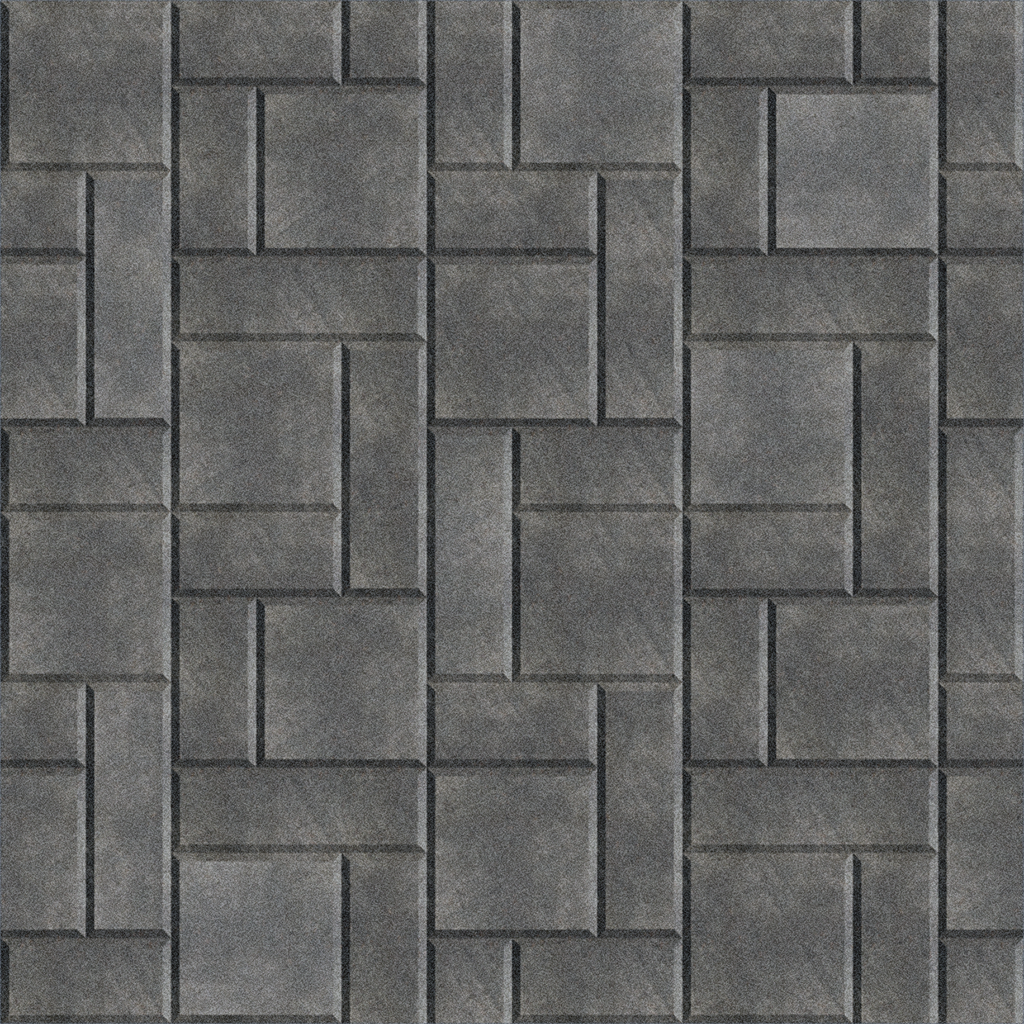
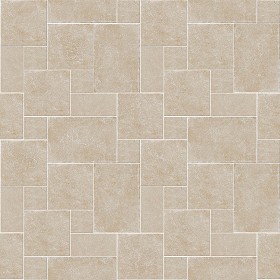
Tile patterns create visual interest and define room style. Popular choices include herringbone, running bond, and basketweave. Patterns influence the perception of space and movement. Select a pattern that complements your interior design. Proper alignment during installation is key for a polished look.
Grouting Choices
Grout color and type affect sandstone’s appearance and durability. Light grout brightens the floor, while dark grout highlights individual tiles. Use grout resistant to stains and cracking. Flexible grout helps accommodate natural stone movement. Clean excess grout quickly to avoid surface damage.
Underfloor Heating Compatibility
Sandstone works well with underfloor heating systems. Its natural thermal properties distribute heat evenly. Install heating mats or cables before laying sandstone tiles. Ensure proper insulation below for energy efficiency. Avoid rapid temperature changes to prevent stone cracking.
Credit: www.sketchuptextureclub.com
Sourcing Sandstone
Sourcing sandstone is an important step in choosing the right floor texture. The origin of the stone affects its look, quality, and price. Careful selection ensures the floor lasts and fits your design style.
Different sources offer varied colors and textures. Knowing the source helps plan your project better and avoid surprises during installation.
Local Vs Imported Stones
Local sandstone usually matches the natural environment. It blends well with nearby buildings and landscapes. It often costs less because shipping fees are lower.
Imported stones offer unique colors and patterns not found locally. They can make your floor stand out. Importing adds extra cost and time to your project.
Eco-friendly Options
Eco-friendly sandstone comes from mines that follow green practices. These stones reduce environmental impact. Choosing such options helps protect nature.
Reclaimed sandstone is another green choice. It reuses old stone from demolished sites. This option lowers waste and preserves natural resources.
Cost Considerations
Sandstone prices vary by source, quality, and size. Local stones usually cost less but may have limited styles. Imported stones can be expensive but offer more variety.
Installation and maintenance also affect total cost. Choose sandstone that fits your budget and project needs. Plan for long-term care to keep floors beautiful.
Combining Sandstone With Other Materials
Combining sandstone with other materials enhances its natural beauty and adds depth to any space. The warm tones and textured surface of sandstone create a perfect base. Pairing it with complementary materials can create a balanced and inviting look. Each material brings a unique character that highlights sandstone’s charm.
Wood Accents
Wood accents work beautifully with sandstone floors. The natural grains and warm colors of wood complement the sandy hues. Use wooden furniture or trim to add warmth and softness. This blend creates a cozy, earthy atmosphere. It also adds a touch of rustic elegance to your design.
Metal Fixtures
Metal fixtures add contrast and a modern edge to sandstone floors. Choose fixtures in bronze, copper, or black finishes. These metals stand out against the stone’s texture and color. Metal light fixtures, handles, and frames introduce sleek lines. They balance the organic feel of sandstone with industrial style.
Glass Elements
Glass elements bring lightness and brightness to sandstone spaces. Clear or frosted glass can highlight the stone’s texture without overpowering it. Glass tabletops or decor reflect natural light, enhancing the floor’s warm tones. This pairing creates an open, airy feeling that refreshes the room’s look.

Credit: www.shutterstock.com
Trends In Sandstone Flooring
Sandstone flooring has gained popularity for its natural beauty and durability. Its unique textures and earthy tones make any space warm and inviting. Recent trends in sandstone flooring focus on blending style with function. Designers now explore various ways to enhance the appeal of sandstone floors. These trends highlight sustainability, texture, and creative patterns. Each approach offers fresh ideas for modern interiors and exteriors.
Sustainable Designs
Sustainability is a key focus in sandstone flooring trends. Many choose sandstone from eco-friendly quarries. Using local materials reduces transportation emissions. Natural stone lasts longer than synthetic flooring options. This durability lowers the need for replacement. Recycled sandstone pieces also find new life in flooring projects. These choices support green building practices and reduce waste.
Textured Finishes
Textured finishes bring depth and character to sandstone floors. Rough, honed, or brushed surfaces add grip and style. These finishes highlight the stone’s natural grains and colors. Textured sandstone works well in both indoor and outdoor spaces. They resist slipping, making them safe for busy areas. The tactile feel adds a sensory experience underfoot.
Innovative Patterns
Creative patterns are redefining sandstone flooring designs. Traditional straight layouts give way to herringbone, chevron, and geometric shapes. Mixing different sandstone shades creates eye-catching contrasts. Custom-cut tiles allow for unique mosaics and borders. These patterns add personality and elegance to floors. Innovative designs help sandstone floors stand out in any setting.
Frequently Asked Questions
What Is Sandstone Floor Texture?
Sandstone floor texture refers to the natural grain and surface pattern of sandstone tiles. It offers a unique, rustic appearance ideal for indoor and outdoor flooring. The texture varies from smooth to rough, enhancing grip and aesthetic appeal.
How Durable Is Sandstone Flooring?
Sandstone flooring is moderately durable, suitable for moderate foot traffic areas. It resists wear but can be prone to scratching and erosion if untreated. Proper sealing improves its longevity and resistance to stains and moisture.
How Do You Maintain Sandstone Floor Texture?
To maintain sandstone floor texture, clean regularly with mild soap and water. Avoid acidic cleaners that can damage the stone. Resealing every 1-2 years protects its surface and preserves the natural texture and color.
Can Sandstone Flooring Be Used Outdoors?
Yes, sandstone flooring is ideal for outdoor use due to its natural slip resistance. It withstands weather changes well when properly sealed, making it popular for patios, walkways, and garden areas.
Conclusion
Sandstone floor texture adds natural beauty and warmth to any space. Its unique patterns create a rustic yet elegant look. Easy to clean and durable, sandstone suits many styles. This texture brings a cozy feel underfoot and enhances room character.
Choosing sandstone floors can improve your home’s charm and value. Embrace the timeless appeal of sandstone flooring today.