
Imagine stepping into your bathroom and instantly feeling a wave of calm wash over you. Your dream bathroom with tub design isn’t just about looks—it’s about creating a personal retreat where you can unwind after a long day.
Whether you have a spacious area or a cozy nook, the right tub design can transform your space into a luxurious escape. Ready to discover how you can blend style, comfort, and functionality in your bathroom? Keep reading to explore inspiring ideas that will make your bathroom with tub design truly irresistible.
:max_bytes(150000):strip_icc()/thespruce-tubideas-charliecoulldesign-527ec8f33fd44d449f14496633c0fb76.png)
Credit: www.thespruce.com
Tub Styles
Choosing the right tub style defines your bathroom’s look and feel. Tub styles vary in shape, size, and installation methods. Each style offers unique benefits that match different bathroom designs and needs. Understanding these options helps you pick the perfect tub for your space.
Freestanding Tubs
Freestanding tubs stand alone and do not require walls for support. They create a bold, elegant centerpiece in any bathroom. These tubs come in many shapes, including oval, rectangular, and slipper styles. Freestanding tubs offer flexibility in placement and add a touch of luxury.
Built-in Tubs
Built-in tubs fit into a three-wall alcove or a corner. They often include a surround made of tile or stone. These tubs save space and provide a seamless look with the bathroom walls. Built-in tubs are practical and blend well with classic and modern designs.
Soaking Tubs
Soaking tubs are deeper than standard tubs and designed for full-body immersion. They provide a relaxing, spa-like experience at home. These tubs are perfect for quiet, long baths to relieve stress. Soaking tubs can be freestanding or built-in, depending on your bathroom layout.
Walk-in Tubs
Walk-in tubs have a low step and a watertight door for easy access. They are ideal for people with mobility issues or seniors. These tubs offer safety features like built-in seats and grab bars. Walk-in tubs combine comfort with accessibility for safer bathing.
Tub Placement
Choosing the right tub placement shapes the bathroom’s look and feel. It affects space use, comfort, and style. Thoughtful tub placement turns the bath area into a relaxing retreat. Consider how the tub fits with other bathroom elements. The tub should invite rest and fit the room’s flow. Let’s explore popular tub placement ideas for any bathroom.
Corner Installations
Corner tubs save space and create cozy bathing spots. They work well in small or oddly shaped bathrooms. Installing a tub in the corner opens up the floor area. It gives room for other fixtures and storage. Corner tubs often have unique shapes, adding charm and style. They blend well with tile or wall finishes. This option balances function and design simply.
Centerpiece Layouts
Centerpiece tubs become the bathroom’s star attraction. Freestanding tubs look elegant in the room’s center. This placement highlights the tub’s design and materials. It allows easy access from all sides. Centerpiece tubs suit large bathrooms with open space. They create a spa-like atmosphere instantly. Lighting above or around the tub enhances the effect. This layout invites luxury and relaxation.
Against Wall Options
Placing the tub against a wall is classic and practical. It fits well in most bathroom shapes and sizes. Wall placement keeps plumbing simple and affordable. It also offers space for shelves or tubs with built-in ledges. This option works well for alcove or drop-in tubs. The wall can be tiled or accented for style. It makes bath time comfortable and accessible.
Near Windows
Placing the tub near windows adds natural light and views. It brightens the space and creates a calming mood. Window placement connects bathers with the outdoors. Frosted or privacy glass keeps the space safe and private. This spot suits soaking tubs or freestanding models. It invites relaxation with sunlight and fresh air. Consider window treatments that resist moisture and provide shade.
Combining Tub And Shower
Combining a tub and shower in one bathroom design blends comfort and practicality. It suits different needs and saves space. This design enhances the bathroom’s function without crowding it.
Various options exist to mix tubs and showers. Each style offers unique benefits and fits diverse tastes and layouts.
Tub-shower Combos
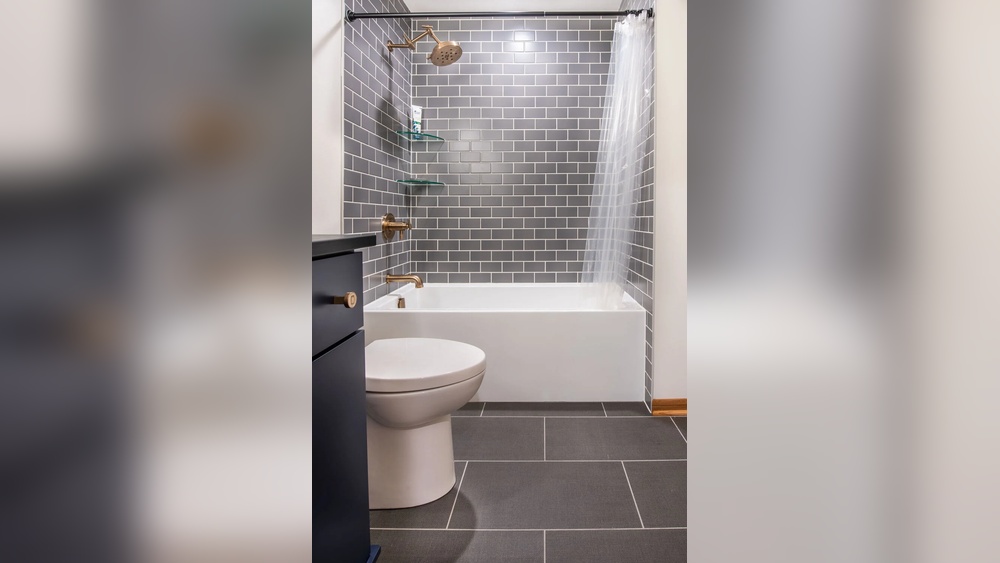
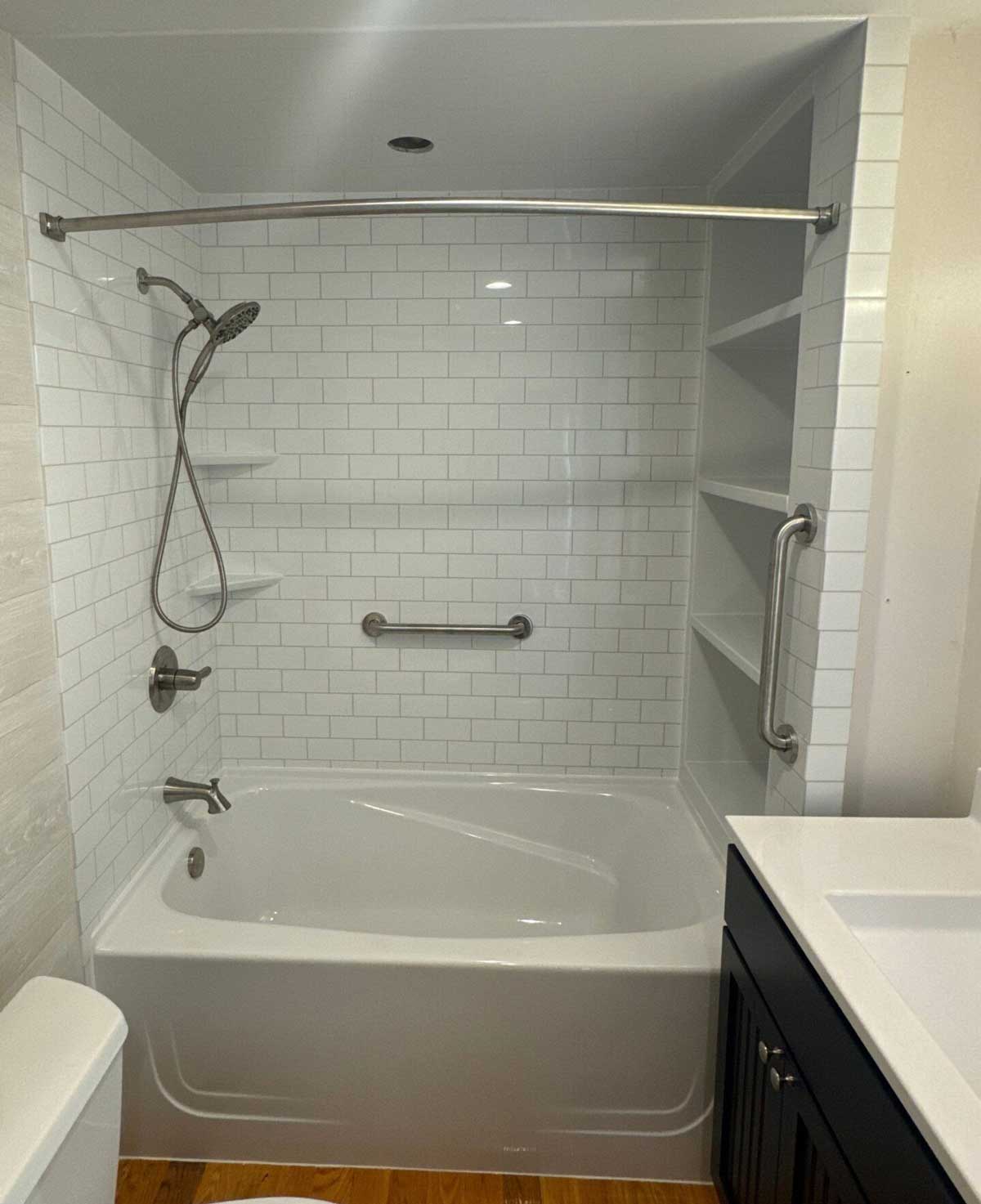
Tub-shower combos are classic and space-saving. They place a showerhead above the tub, allowing quick showers or long soaks. Curtains or sliding doors keep water inside. This combo suits small to medium bathrooms well.
These units are easy to clean and cost-effective. Installing them is simpler than separate fixtures.
Walk-in Shower With Tub
A walk-in shower with a tub offers style and ease. The tub sits near the shower area but stays open. This setup creates a sleek look and feels roomy.
Walk-in showers have no doors or low thresholds for easy access. The tub nearby adds a relaxing option.
Glass Enclosures
Glass enclosures add elegance to combined tub and shower designs. Clear glass shows off tiles and fixtures. It also keeps water from splashing out.
Frameless or framed glass doors fit different styles. Glass makes the bathroom look larger and brighter.
Separate Zones
Separate zones divide the tub and shower space. They may use partial walls or glass panels. This layout offers privacy and distinct areas for each function.
Separate zones suit larger bathrooms. They help keep the tub area calm and the shower area practical.
Material Choices
Choosing the right material for your bathroom tub affects comfort, durability, and style. Materials vary in weight, heat retention, and maintenance needs. Understanding options helps pick the best fit for your space and lifestyle.
Acrylic And Fiberglass
Acrylic tubs are lightweight and warm to touch. They resist chipping and are easy to clean. Fiberglass is affordable and simple to install. Both materials offer many shapes and sizes for any bathroom design.
Cast Iron And Steel
Cast iron tubs are heavy but very durable. They keep water warm longer and have a classic look. Steel tubs are lighter and more affordable. Both have a glossy finish that resists scratches well.
Stone And Marble
Stone tubs bring a natural, elegant feel. Marble offers a smooth, cool surface with unique patterns. These materials are heavy and need strong floor support. They require careful cleaning to keep their beauty.
Modern Composite Options
Composite tubs combine materials for strength and style. They often blend resin with natural stone or minerals. These tubs are durable, warm, and easy to maintain. Many modern designs use composites for a sleek look.
Design Themes
Choosing the right design theme shapes the entire bathroom experience. It sets the mood and style. A well-chosen theme makes a bathroom with a tub feel inviting and personal.
Below are popular design themes that suit different tastes and needs. Each theme brings unique features and charm to your bathroom space.
Modern Minimalist
Modern minimalist design focuses on clean lines and simple shapes. It uses neutral colors like white, gray, and black. The tub often has a sleek, freestanding style. Space feels open and uncluttered. Fixtures are functional and stylish without extra decoration. This design creates a calm and fresh atmosphere.
Rustic And Natural
Rustic design brings nature inside. Wood, stone, and earth tones are common. A wooden tub surround or stone tiles add texture. The look is warm and cozy. Natural light and plants complement this style well. It feels like a peaceful retreat close to nature.
Luxury Spa Style
Luxury spa style focuses on comfort and elegance. Large tubs with jets or deep soaking features are popular. Soft lighting and plush towels enhance relaxation. Marble or high-end tiles create a rich look. Accessories like candles and bath salts complete the spa feel. This design turns the bathroom into a private oasis.
Coastal And Oceanic
Coastal design uses light, airy colors like blues and whites. Shells, driftwood, and sea glass inspire decorations. The tub area might have a beachy feel with soft textures and natural materials. This theme brings a refreshing, calm vibe. It’s perfect for those who love the sea.
Space-saving Solutions
Maximizing space in a bathroom with a tub is key for comfort and style. Smart designs help keep the area open and functional. Space-saving solutions make small bathrooms feel larger and more inviting. They blend beauty and practicality without crowding the room.
Small Bathroom Tubs
Small bathroom tubs fit snugly into tight spaces. They have a compact shape that saves floor area. These tubs allow for a full bath experience without taking much room. Their design suits apartments and tiny homes well. Choosing a small tub keeps the bathroom from feeling cramped.
Compact Soaking Tubs
Compact soaking tubs offer deep comfort in a small size. They let you relax fully while using less space. These tubs are perfect for narrow bathrooms or corners. Their simple style adds elegance without bulk. A compact tub brings luxury to limited bathroom layouts.
Multi-functional Fixtures
Multi-functional fixtures combine bath and shower in one unit. This saves space by reducing the need for separate installations. Fixtures with built-in storage or shelves cut clutter. They keep essentials within reach and organized. These smart designs improve usability in small bathrooms.
Creative Storage Ideas
Creative storage uses every inch of available space efficiently. Wall-mounted shelves and niches hold toiletries neatly. Under-tub drawers hide towels and cleaning supplies. Hooks and racks keep items off the floor. Good storage solutions keep the bathroom tidy and open.
Lighting And Ambiance
Lighting plays a key role in setting the mood of your bathroom with tub design. The right lighting can create a calm, inviting space. It also adds style and function to your bathroom. Bright lights help with tasks, while soft lights help you relax. Combining different light sources enhances both beauty and comfort.
Natural Light
Natural light makes the bathroom feel fresh and open. Large windows or skylights bring in sunlight. This light changes throughout the day, adding life to the room. Natural light highlights the tub and other features. It reduces the need for electric lights during daytime.
Mood Lighting
Mood lighting sets a relaxing atmosphere around the tub. Use dimmable lights to adjust brightness. Warm light colors create a cozy feeling. Soft overhead lights or wall sconces work well. Mood lighting helps you unwind after a long day.
Accent Lights
Accent lights highlight design elements or artwork. LED strips around the tub or under shelves add style. Focused lighting draws attention to textures and shapes. Accent lights add depth and interest to the space. They also create a spa-like vibe in your bathroom.
Candles And Accessories
Candles bring warmth and softness to the bathroom. Place them safely around the tub area. Scented candles add aroma for extra relaxation. Decorative holders enhance the look and feel. Small accessories like lanterns or fairy lights boost ambiance too.
Credit: www.baystatebath.com
Color And Texture
Color and texture shape the atmosphere of any bathroom with a tub. They bring life and personality to the space. Choosing the right hues and materials can turn a plain bathroom into a cozy retreat. Texture adds depth and interest, making the room feel warm and inviting.
Mixing colors and textures creates balance. Soft shades combined with rough surfaces can soothe the senses. Bright colors with smooth finishes energize the room. Thoughtful choices highlight the tub as the focal point.
Tile Patterns
Tiles offer endless options for color and texture. Classic subway tiles create a clean, timeless look. Hexagon or mosaic tiles add a modern twist. Large tiles with natural stone textures bring an organic feel. Patterns like herringbone or chevron add movement and style. Choose grout colors that either blend or contrast for extra effect.
Wall Paint Ideas
Paint sets the mood around the tub. Soft pastels create calm and relaxation. Deep blues or greens bring a spa-like vibe. Matte finishes add subtle texture. Satin or semi-gloss paints reflect light and brighten the space. Accent walls behind the tub can use bold colors to draw attention.
Textile Choices
Textiles add softness and comfort near the tub. Plush towels in coordinating colors enhance the look. Bath mats with woven or shag textures feel nice underfoot. Shower curtains in light fabrics add airiness. Using patterns or solids depends on the room’s style. Layering textiles adds warmth and personality.
Decorative Elements
Decor touches bring texture and color together. Wooden stools or shelves add natural warmth. Plants introduce fresh green shades and organic texture. Metallic fixtures in brass or chrome provide shine and contrast. Artwork or framed prints can introduce new colors or themes. Keep decorations simple to maintain a relaxing vibe.
Accessories And Fixtures
Accessories and fixtures bring style and function to any bathroom with a tub. They complete the look and make daily use easier. Choosing the right pieces enhances comfort and adds charm.
Small details matter a lot. Each item should match the tub and overall design. This section explores key accessories and fixtures for your bathroom with a tub.
Faucet Styles
Faucets control water flow and set the bathroom’s tone. Classic chrome taps suit modern and traditional tubs. Brushed nickel adds a soft, muted shine. Matte black faucets create a bold, sleek look. Wall-mounted faucets free up tub edges and look elegant. Choose styles that blend with your tub’s design and your bathroom’s theme.
Bath Trays And Caddies
Bath trays sit across the tub and hold essentials. They keep books, candles, or a glass within reach. Wooden trays add warmth and natural beauty. Metal trays offer a modern, clean feel. Adjustable caddies fit tubs of different sizes. These accessories increase comfort and convenience during bath time.
Towel Racks
Towel racks keep towels dry and close by. Freestanding racks add style without wall installation. Wall-mounted racks save space and organize towels neatly. Heated towel racks warm towels, making baths cozier. Choose racks that fit your bathroom size and style. Proper placement near the tub improves functionality.
Plants And Greenery
Plants bring freshness and life to bathroom spaces. Small potted plants on shelves brighten corners. Hanging plants add greenery without cluttering surfaces. Choose moisture-loving plants like ferns or spider plants. Greenery softens hard surfaces and improves air quality. A touch of nature creates a calming bath atmosphere.
Maintenance Tips
Maintaining a bathroom with a tub design ensures it stays clean and inviting. Proper care extends the life of your tub and keeps the space fresh. Simple maintenance steps make a big difference in the long run.
Cleaning Methods
Use mild cleaners to avoid damaging the tub surface. A soft sponge or cloth works best for scrubbing. Avoid harsh chemicals that cause discoloration or scratches. Clean the tub weekly to remove soap scum and dirt. Rinse thoroughly after each cleaning to prevent residue buildup.
Preventing Mold
Keep the bathroom well-ventilated to reduce moisture. Use an exhaust fan or open windows during and after bathing. Wipe down the tub and surrounding areas to remove water droplets. Mold grows in damp places, so drying surfaces helps prevent growth. Use mold-resistant paint or sealants around the tub edges.
Surface Care
Avoid dropping heavy objects on the tub to prevent chips. Use bath mats to protect the tub floor from scratches. Polish acrylic or fiberglass tubs occasionally to maintain shine. Check for cracks or discoloration and address them quickly. Use gentle cleaning products designed for your tub material.
Regular Inspections
Inspect the tub and plumbing regularly for leaks or damage. Check caulking around the tub edges for cracks or gaps. Replace worn-out seals to prevent water damage. Look for signs of rust or corrosion on metal fixtures. Early detection helps avoid costly repairs later.

Credit: acremodeling.com
Frequently Asked Questions
What Are Popular Tub Styles For Bathroom Design?
Popular tub styles include freestanding, alcove, clawfoot, and soaking tubs. Each style suits different bathroom sizes and aesthetics, offering comfort and enhancing decor.
How To Choose The Right Tub Size For Bathrooms?
Measure your bathroom space carefully. Choose a tub size that fits comfortably without crowding. Consider user height and bathing preferences for optimal comfort.
Can A Tub Fit In Small Bathroom Designs?
Yes, compact tubs like corner or alcove tubs maximize space. Proper planning and layout ensure functionality and style in small bathrooms.
What Materials Are Best For Bathroom Tubs?
Common materials include acrylic, cast iron, and fiberglass. Acrylic is lightweight and affordable; cast iron is durable and retains heat well.
Conclusion
A bathroom with a tub brings comfort and style together. Choose designs that fit your space and needs. Small or large, tubs create a relaxing spot to unwind. Use colors and materials that brighten the room. Keep the layout simple for easy movement.
Add personal touches to make it feel like home. A well-designed bathroom with a tub adds value and joy. Remember, comfort and function work best when balanced. Start planning today for a cozy, inviting bathroom space.