
When it comes to hardwood floors, texture plays a huge role in how your space looks and feels. You might think all hardwood floors are the same, but the texture can completely change the mood of your room—from smooth and sleek to rustic and cozy.
If you want your floors to stand out and add real character to your home, understanding hardwood floor texture is key. You’ll discover why texture matters, the latest trends shaping Austin homes, and how to choose the perfect finish that fits your style and lifestyle.
Ready to transform your floors into a stunning feature you’ll love? Let’s dive in!
Credit: stock.adobe.com
Hardwood Floor Styles
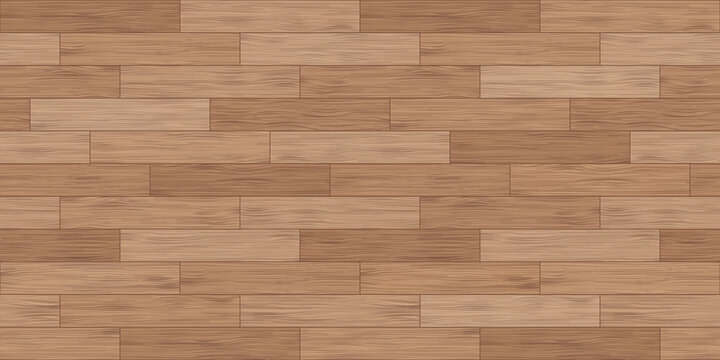
Hardwood floor styles bring character and charm to any room. Choosing the right style changes the room’s entire feel. Different patterns and plank sizes create unique textures underfoot. These styles fit various tastes from classic to modern. Understanding popular hardwood floor styles helps in making the best choice.
Wide Plank Designs
Wide plank floors use boards wider than standard planks. They add a spacious and rustic look to rooms. Larger planks show more wood grain and natural knots. This style suits open spaces and farmhouse decor well. Wide planks also reduce the number of seams visible on the floor.
Herringbone And Chevron Patterns
Herringbone and chevron are classic wood floor patterns. They use short planks arranged in zigzag shapes. Herringbone has staggered ends, while chevron forms a continuous V shape. These patterns add a sense of movement and elegance. They work well in formal rooms and entryways.
Mixed Width Planks
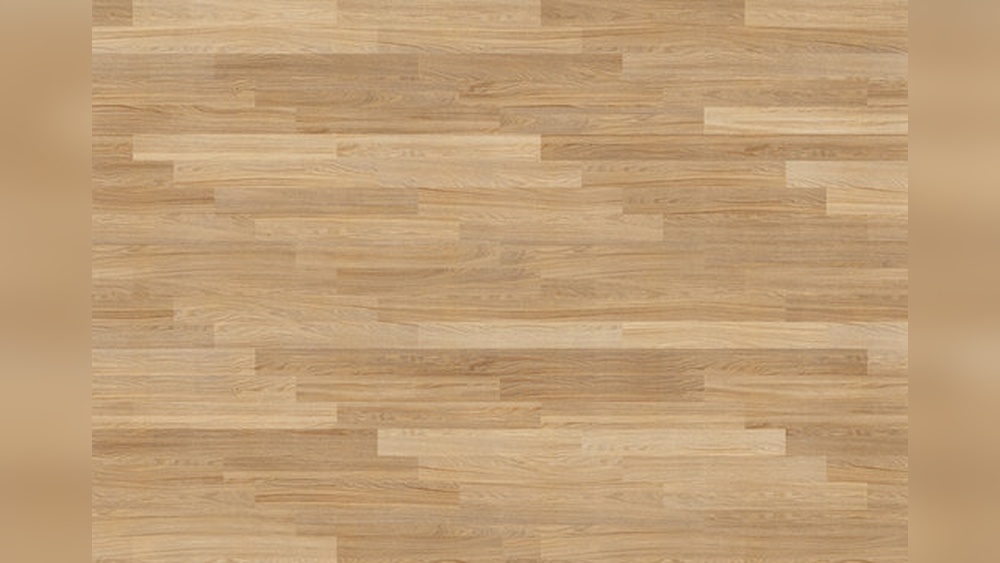
Mixed width plank floors combine different plank sizes. This creates a dynamic and textured look. The variation highlights the wood’s natural beauty and grain. It also gives floors a handcrafted, custom feel. Mixed width styles suit rustic and contemporary homes alike.
Color And Finish Options
Choosing the right color and finish for hardwood floors shapes the room’s style. Color affects the mood and feel of any space. Finish protects the wood and changes its look. Understanding options helps find floors that suit your home perfectly.
Light And Dark Wood Tones
Light wood tones create a bright, airy atmosphere. They work well in small spaces to make rooms feel larger. Light shades like maple or oak add a fresh, modern touch. Dark wood tones bring warmth and richness. Walnut and mahogany offer a classic, elegant look. Dark floors hide dirt better but can make rooms feel smaller.
Matte And Low-sheen Finishes
Matte finishes give floors a natural, understated look. They reduce glare and show less dust or scratches. Low-sheen finishes offer a soft shine without being too glossy. Both finishes highlight wood grain and texture well. They suit homes with a relaxed, cozy style and are easy to maintain.
Hand-scraped And Distressed Textures
Hand-scraped textures add character with uneven, rustic surfaces. They mimic aged wood and hide wear over time. Distressed textures show marks and dents for a vintage feel. These textures add depth and visual interest to floors. Perfect for farmhouse or traditional decor styles, they bring warmth and charm.
Material Choices
Choosing the right material for hardwood floor texture affects durability and style. Different options suit various needs and budgets. Understanding the key types helps select the best fit for your space. Each material offers unique textures and finishes that enhance the room’s look and feel.
Solid Hardwood
Solid hardwood is made from one piece of wood. It offers natural grain and deep texture. This material can be sanded and refinished many times. It adds warmth and classic beauty to any room. Solid hardwood is strong but sensitive to moisture and temperature changes.
Engineered Wood
Engineered wood has layers of wood pressed together. The top layer is real hardwood, giving a natural look. It is more stable than solid wood in damp areas. Engineered wood handles temperature changes better. It offers many texture options and is easier to install.
Waterproof Hardwood Innovations
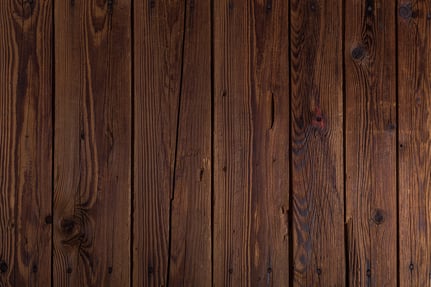
Waterproof hardwood blends wood with special coatings or cores. This protects the floor from water damage. It suits kitchens, bathrooms, and basements. The texture mimics real wood closely. Waterproof hardwood brings style and practical benefits to busy homes.
Credit: castlebespokeflooring.com
Sustainability In Flooring
Sustainability in flooring has become a key focus for homeowners and builders. Choosing hardwood floors that support the environment helps reduce waste and conserve resources. Sustainable flooring options offer beauty and long-lasting value while protecting forests.
Hardwood floor texture plays a role in sustainability by using materials and methods that lessen environmental impact. Selecting floors made from reclaimed wood or responsibly sourced timber supports eco-friendly practices. Understanding the benefits of these choices can guide better decisions.
Reclaimed Wood Benefits
Reclaimed wood comes from old buildings, barns, or furniture. It gives wood a second life and prevents it from going to landfills. Using reclaimed wood reduces the demand for new trees and saves natural habitats.
This wood often has unique textures and character, adding charm to floors. It is already dried and stable, making it less prone to warping. Reclaimed wood floors can last for decades with proper care.
Eco-friendly Sourcing
Eco-friendly sourcing means harvesting wood in ways that protect forests. Certified wood comes from forests managed for sustainability. These forests regrow trees to replace those cut down.
Choosing certified hardwood supports healthy ecosystems and local communities. It ensures the wood is legally harvested and reduces illegal logging. This practice helps maintain biodiversity and clean air.
Durability And Environmental Impact
Durable hardwood floors last many years, reducing the need for replacements. Long-lasting floors lower waste and save energy used in manufacturing. Hardwoods like oak and maple resist wear and damage well.
Durable floors require less maintenance and fewer chemical cleaners. This lowers harmful emissions and protects indoor air quality. Choosing strong, sustainable wood benefits both the environment and your home.
Enhancing Space With Texture
Texture plays a vital role in transforming any hardwood floor. It brings life and richness to a room. Texture can make a simple space feel warm and inviting. It also adds visual interest without overwhelming the design. Using texture smartly enhances the overall atmosphere and style of your home.
Adding Depth And Character
Hardwood floor texture creates layers in your room’s design. Grain patterns and surface finishes add subtle depth. Rough or hand-scraped textures bring a natural, lived-in feel. These textures reveal the wood’s story, making floors unique. Depth and character from texture make spaces more engaging.
Combining Textures And Patterns
Mixing different hardwood textures can elevate a space. Pair smooth finishes with distressed or wire-brushed textures. This contrast highlights the beauty of each wood type. Combining textures with patterns like herringbone adds flair. Such blends create dynamic floors that catch the eye.
Creating A Timeless Look
Textured hardwood floors often resist trends and age well. Classic textures like hand-scraped or matte finishes stay stylish. They suit various decor styles, from rustic to modern. This timeless appeal adds lasting value to homes. Choosing the right texture ensures floors remain beautiful for years.
Maintenance Tips
Maintaining hardwood floor texture keeps your floors beautiful and durable. Proper care helps preserve the natural look and feel of the wood. Follow these simple tips to protect your floors every day.
Cleaning Textured Floors
Use a soft broom or vacuum with a hardwood floor attachment. Avoid harsh brushes that can scratch the surface. Clean spills immediately with a damp cloth. Use a gentle cleaner made for hardwood floors. Do not let water sit on the floor for long.
Preventing Damage
Place felt pads under furniture legs to avoid scratches. Avoid walking on floors with high heels or cleats. Use rugs in high-traffic areas to reduce wear. Keep pet nails trimmed to prevent gouges. Control humidity in your home to prevent wood from expanding or shrinking.
Long-term Care Strategies
Refinish your floors every few years to restore texture and shine. Use a wood floor polish designed for textured surfaces. Schedule professional deep cleaning and inspections regularly. Replace damaged boards promptly to stop further issues. Store furniture properly during moves to protect floor integrity.
Installation Considerations
Installing hardwood floors requires thoughtful planning. Texture plays a key role in the overall look and feel. The texture affects grip, maintenance, and style. It is important to consider these factors before installation. Proper installation ensures durability and beauty for years.
Choosing The Right Texture
Select a texture that matches your home’s style. Smooth textures give a modern, sleek look. Hand-scraped or distressed textures add rustic charm. Textured floors hide scratches and dirt better. Consider the room’s use and foot traffic level. A rough texture works well in busy areas. Choose a finish that complements the texture for protection.
Professional Vs Diy Installation
Installing hardwood floors can be tricky. Professionals bring experience and tools for a perfect fit. They handle subfloor preparation and moisture control well. DIY can save money but requires skill and patience. Mistakes in installation cause gaps and uneven surfaces. Weigh your comfort level with tools and instructions. For complex textures, professional help is often best.
Cost Factors And Budgeting
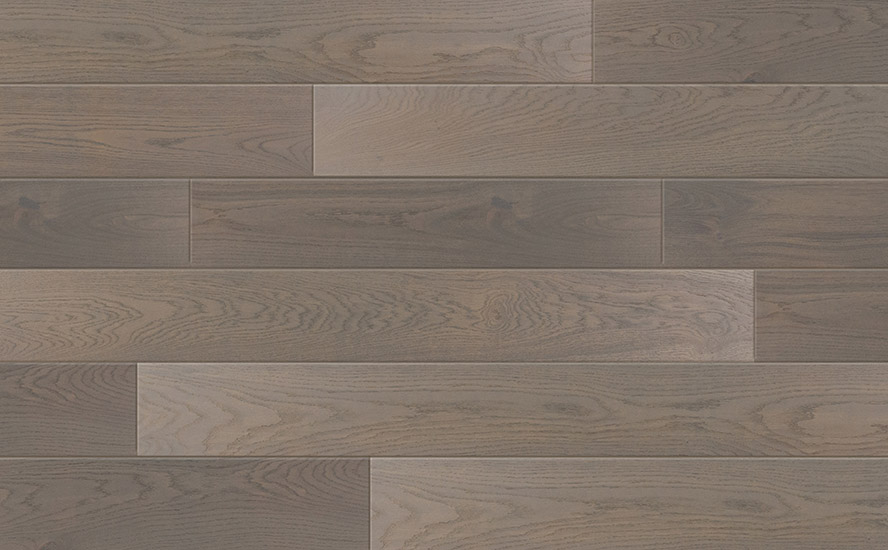
Texture impacts the cost of hardwood flooring. Complex textures may increase material prices. Installation time varies with texture type, affecting labor costs. Additional treatments like staining or finishing add expenses. Budget for subfloor repair or removal if needed. Compare quotes from installers before deciding. Plan for maintenance costs based on texture choice.
Credit: johnsonhardwood.com
Frequently Asked Questions
What Are The 5 Types Of Hard Flooring?
The five types of hard flooring are hardwood, engineered wood, laminate, luxury vinyl plank (LVP), and tile. Each offers unique durability and style options.
What Is The Newest Trend In Hardwood Floors?
The newest hardwood floor trends include wide planks, eco-friendly materials, and patterns like herringbone. Matte finishes and textured, natural looks also dominate. Sustainable options like reclaimed and engineered wood gain popularity, blending style with environmental responsibility. Light and dark wood tones remain favored choices.
What Are The Different Textures Of Wood?
Wood textures vary as smooth, coarse, fine, open-grain, and closed-grain. Each offers unique patterns and tactile feels. Hardwood often features pronounced grain, while softwood tends to be smoother. Textures influence wood’s appearance, durability, and suitability for flooring or furniture.
What Is The Surface Texture Of A Floor?
The surface texture of a floor describes its tactile feel and visual pattern. It includes smooth, rough, matte, or glossy finishes. Texture affects safety, comfort, and style, influencing slip resistance and aesthetic appeal in hardwood and other flooring types.
Conclusion
Choosing the right hardwood floor texture adds warmth and style to any room. Textured floors hide scratches and wear better than smooth ones. Natural patterns bring character and a cozy feel to your space. Consider wide planks or unique patterns for a modern look.
Eco-friendly options also help protect the environment. Hardwood floor texture blends beauty with practicality. It enhances your home’s comfort and value. Select a texture that fits your lifestyle and taste. Your floors will look great for years to come.