
Your bathroom should be a place where you feel safe, comfortable, and independent—especially as you get older. Designing a senior-friendly bathroom isn’t just about style; it’s about making smart choices that protect you from slips and falls while giving you easy access to everything you need.
Imagine stepping into a space tailored just for you, where every feature helps you move with confidence and peace of mind. You’ll discover practical and stylish bathroom design ideas that focus on safety, accessibility, and comfort. Keep reading to learn how you can transform your bathroom into a senior-friendly haven that supports your lifestyle today and for years to come.
Safety Features
Safety features are essential in senior-friendly bathroom designs. These features reduce the risk of falls and injuries. Bathrooms can be dangerous for seniors without proper safety measures. Installing the right safety tools creates a secure and comfortable space.
Grab Bars And Rails
Grab bars and rails provide support while moving around the bathroom. They help seniors keep balance when standing or sitting. Installing them near the toilet, shower, and bathtub is important. Strong and well-placed bars increase stability and confidence.
Non-slip Flooring
Non-slip flooring prevents slipping on wet surfaces. Materials like textured tiles or slip-resistant mats work well. Avoid smooth, glossy floors that become slippery when wet. A safe floor surface is critical to avoid accidents in the bathroom.
Raised Toilet Seats
Raised toilet seats make sitting down and standing up easier. They reduce the strain on knees and hips. These seats fit over existing toilets and add extra height. This simple change improves comfort and safety for seniors.
Adequate Lighting
Adequate lighting improves visibility and prevents trips or falls. Bright, evenly spread light eliminates shadows and dark corners. Motion-sensor lights or nightlights help seniors navigate at night. Well-lit bathrooms boost confidence and safety.

Credit: www.designcafe.com
Accessible Layouts
Accessible layouts in senior friendly bathroom designs make moving around safer and easier. These designs reduce obstacles and improve comfort. Thoughtful planning helps seniors maintain independence in daily routines.
Space plays a key role in accessibility. Bathrooms should allow easy use of mobility aids like walkers or wheelchairs. Every feature must support safety and convenience for seniors.
Widened Doorways
Widened doorways help seniors enter and exit the bathroom without trouble. Standard doorways often feel narrow and block mobility devices. A width of at least 32 inches is recommended. This change prevents accidents and improves access.
Open Floor Plans
Open floor plans offer more room to move inside the bathroom. Clear pathways reduce the risk of tripping or bumping into objects. This design supports smooth transitions between different bathroom areas. It also allows caregivers to assist more easily.
Comfort Height Fixtures
Comfort height fixtures include toilets and sinks set at taller levels. These fixtures reduce strain on knees and backs. Seniors find it easier to sit down and stand up. Comfort height toilets usually measure 17 to 19 inches from the floor.
Adjustable Sink Heights
Adjustable sink heights accommodate different needs and preferences. Seniors can use sinks while sitting or standing. This feature improves comfort and convenience during daily tasks. Easy-to-reach faucets add to the overall accessibility.
Shower And Tub Options
Choosing the right shower and tub options is crucial for senior-friendly bathroom designs. Safety, comfort, and ease of use take priority. These features help seniors maintain independence and reduce accident risks. Various solutions fit different needs and bathroom sizes.
Walk-in Showers
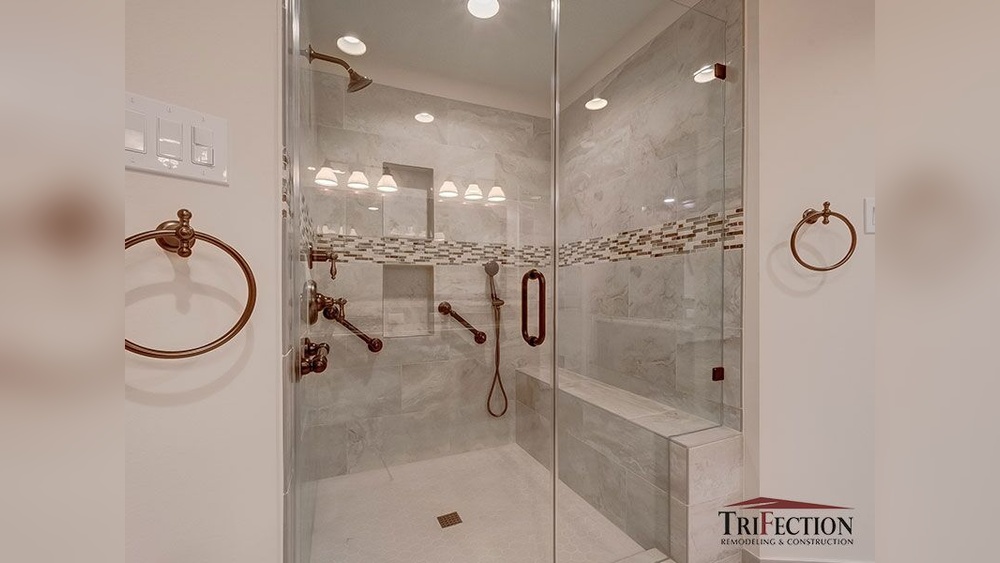
Walk-in showers offer easy access without stepping over high edges. They often have low or no thresholds, reducing tripping hazards. Non-slip flooring adds safety, and wide doors allow space for mobility aids. These showers provide a comfortable bathing experience for seniors.
Shower Benches
Shower benches give seniors a place to sit while bathing. This reduces fatigue and lowers fall risks. Benches can be built-in or portable, depending on the bathroom layout. They offer stability and comfort during showers.
Handheld Shower Heads
Handheld shower heads allow flexible use while sitting or standing. They make rinsing easier and improve control over water flow. Seniors can adjust the height and direction for comfort. These fixtures also help caregivers assist with bathing.
Walk-in Tubs
Walk-in tubs combine the safety of easy entry with the comfort of soaking. They feature doors that open and close securely to prevent leaks. These tubs often include built-in seating and grab bars for support. Warm water therapy can also soothe aches and pains.
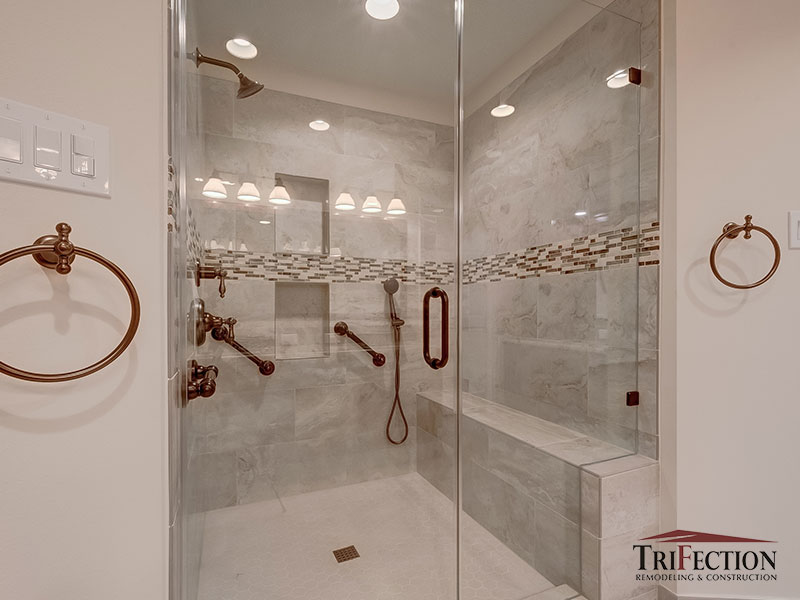
Credit: www.trifection.net
Stylish Design Elements
Stylish design elements make senior-friendly bathrooms both practical and inviting. These elements enhance comfort without sacrificing elegance. Thoughtful choices in fixtures, colors, surfaces, and storage create a space that feels modern and safe. Seniors enjoy a bathroom that supports their needs and reflects personal style.
Modern Fixtures
Modern fixtures improve usability and look sleek. Lever handles are easier to operate than knobs. Touchless faucets reduce the spread of germs. Adjustable showerheads offer flexibility and comfort. Fixtures with clear markings help seniors control water temperature safely. These updates blend style with functionality.
Warm Color Palettes
Warm color palettes create a cozy atmosphere. Soft shades like beige, light brown, or warm gray soothe the senses. These colors improve visibility by reducing glare. They complement natural light and artificial lighting well. Warm tones add a welcoming feel that promotes relaxation. Choosing the right palette supports both style and comfort.
Textured Surfaces
Textured surfaces add safety and visual interest. Slip-resistant flooring reduces the risk of falls. Matte finishes prevent glare on walls and counters. Tactile tiles and grips improve stability in wet areas. These surfaces balance safety needs with appealing design. Texture also helps seniors navigate the space easily.
Decorative Storage Solutions
Decorative storage keeps essentials accessible and organized. Open shelves allow easy reach without bending. Baskets and bins add a stylish touch while hiding clutter. Cabinets with pull-out drawers reduce strain on joints. Storage solutions combine beauty with practicality. They ensure the bathroom stays neat and senior-friendly.
Comfort Enhancements
Comfort enhancements in senior-friendly bathroom designs make daily routines easier and more pleasant. These features focus on warmth, ease of use, and relaxation. They reduce strain and help seniors feel safe and cozy in their own space.
Heated Floors
Heated floors provide gentle warmth underfoot. This feature prevents cold shocks and keeps the bathroom comfortable. Seniors benefit from extra warmth, especially in cooler months. It also reduces the risk of slips caused by cold, damp floors.
Soft-close Cabinets
Soft-close cabinets avoid loud noises and sudden slams. They protect fingers and reduce stress on joints. Seniors find them easier to operate without extra force. This small change adds quiet comfort to daily bathroom use.
Easy-to-use Faucets
Faucets with lever handles or touch sensors work well for seniors. These designs require less strength and dexterity. They allow simple control of water flow and temperature. Easy-to-use faucets reduce frustration and increase independence.
Seating Areas
Seating areas in the bathroom offer a place to rest. A sturdy bench or built-in seat helps during grooming or dressing. It adds safety by reducing standing time and preventing falls. Comfortable seating supports seniors’ needs during bathroom activities.

Credit: www.designcafe.com
Lighting Solutions
Lighting plays a vital role in senior friendly bathroom designs. Proper lighting improves visibility and reduces fall risks. It creates a welcoming and safe environment for seniors. Thoughtful lighting solutions combine natural and artificial sources. These solutions enhance comfort and independence.
Natural Light Maximization
Maximizing natural light brightens the bathroom during the day. Large windows or skylights bring in sunlight. Natural light helps seniors see clearly and feel energized. Use sheer curtains to soften glare without blocking light. Position mirrors to reflect sunlight into darker areas.
Layered Artificial Lighting
Layered lighting uses different types of lights for balance. Overhead lights provide general illumination. Task lights focus on mirrors and sinks for grooming. Accent lights highlight design features and add warmth. Combining layers reduces shadows and eye strain.
Motion-sensor Lights
Motion-sensor lights turn on automatically when someone enters. They are perfect for seniors with limited mobility. These lights reduce the need to reach switches in the dark. Motion sensors enhance convenience and safety during nighttime bathroom visits.
Nighttime Safety Lighting
Soft nighttime lighting prevents harsh glare and confusion. Low-level lights guide seniors safely without waking them fully. LED night lights along the floor or near the toilet work well. Nighttime lighting reduces falls and helps seniors navigate easily.
Technology Integration
Technology integration plays a vital role in designing senior friendly bathrooms. It improves safety, comfort, and independence. Smart devices and systems help seniors manage daily routines with ease. These advancements reduce risks and provide peace of mind for users and caregivers.
Smart Controls
Smart controls allow easy operation of bathroom fixtures. Seniors can adjust lighting, water flow, and ventilation using simple interfaces. Touchscreens or apps make it convenient to customize settings. These controls reduce the need for physical effort and enhance accessibility.
Emergency Alert Systems
Emergency alert systems provide immediate help if accidents occur. Sensors can detect falls or unusual movements. Once triggered, alerts notify family members or emergency services. This feature ensures quick assistance and reduces response time in critical situations.
Temperature Regulation
Temperature regulation prevents burns and discomfort. Smart water heaters keep water at safe temperatures. Programmable thermostats maintain a steady room temperature. These controls help seniors avoid sudden changes that may cause harm.
Voice-activated Features
Voice-activated features offer hands-free control of bathroom devices. Seniors can turn lights on or off by speaking commands. They can also control faucets, fans, and toilets with their voice. This technology supports users with limited mobility or dexterity.
Budget And Funding Tips
Planning a senior-friendly bathroom can be affordable with smart budgeting. It is important to understand funding options and choose upgrades wisely. This section helps you manage costs while creating a safe and comfortable space.
Medicare And Insurance Insights
Medicare usually does not cover bathroom remodeling. Some insurance plans might help if changes are medically necessary. Check with your provider about coverage for safety equipment. Keep receipts and doctor’s notes for possible claims. Explore local programs that assist seniors with home modifications.
Cost-effective Upgrades
Simple changes can improve safety without high costs. Install grab bars and non-slip mats for low prices. Replace showerheads with handheld options for easier use. Swap out old lighting for brighter, energy-efficient bulbs. These upgrades enhance comfort and prevent accidents.
Diy Vs Professional Help
Small tasks like installing grab bars can be DIY projects. Use proper tools and follow safety guides carefully. For plumbing or electrical work, hire professionals to avoid risks. Professionals ensure installations meet safety standards. Balance your budget by mixing DIY and expert help.
Planning For Future Needs
Design with future mobility changes in mind. Choose adjustable fixtures and easy-to-reach storage. Leave space for potential wheelchair access. Consider wider doorways and barrier-free showers. Planning ahead saves money on costly renovations later.
Frequently Asked Questions
What Is The Best Bathroom Remodel For The Elderly?
The best bathroom remodel for the elderly includes grab bars, non-slip floors, walk-in showers, raised toilets, and wide doorways. These features enhance safety and accessibility while promoting independence and comfort.
What Is The Most Critical In Designing The Bathroom Of An Elderly Person?
Safety ranks as the top priority in elderly bathroom design. Include grab bars, non-slip floors, walk-in showers, and bright lighting to prevent falls.
Does Medicare Cover Bathroom Remodeling For Seniors?
Medicare generally does not cover bathroom remodeling costs for seniors. Some durable medical equipment, like walk-in showers, may qualify.
How To Design A Bathroom For Aging In Place?
Design a bathroom for aging in place by installing grab bars, non-slip floors, walk-in showers, wide doorways, and adjustable sink heights for safety and ease.
Conclusion
Creating a senior-friendly bathroom improves daily comfort and safety. Simple design changes make a big difference in ease of use. Features like grab bars and non-slip floors prevent accidents effectively. Wide doorways and adjustable fixtures support mobility and independence. Thoughtful planning helps seniors feel secure and confident at home.
A bathroom designed with seniors in mind supports healthy aging. Prioritize safety and accessibility for lasting peace of mind.